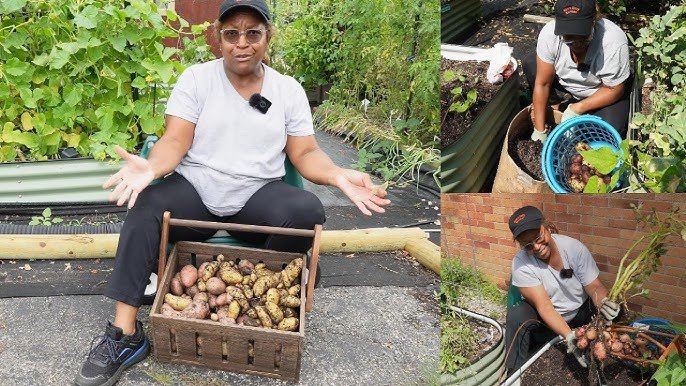
Imagine plucking fresh potatoes from your very own garden, their earthy aroma mingling with the warm sun. If you’ve ever wondered whether you can plant potatoes in a raised garden bed, you’re in the right place.
Raised beds are not just for flowers and herbs; they’re a game-changer for growing vegetables too. They offer better drainage, control over soil quality, and easier access for planting and harvesting. But does this apply to potatoes, which are known for their love of deep soil?
You’re about to discover how to make the most of your raised garden bed for a bountiful potato harvest. This simple gardening technique could transform your garden into a potato paradise. By the end of this article, you’ll know the secrets to planting potatoes in a raised garden bed that thrives. Let’s dig into the details and set you on the path to delicious, homegrown potatoes!
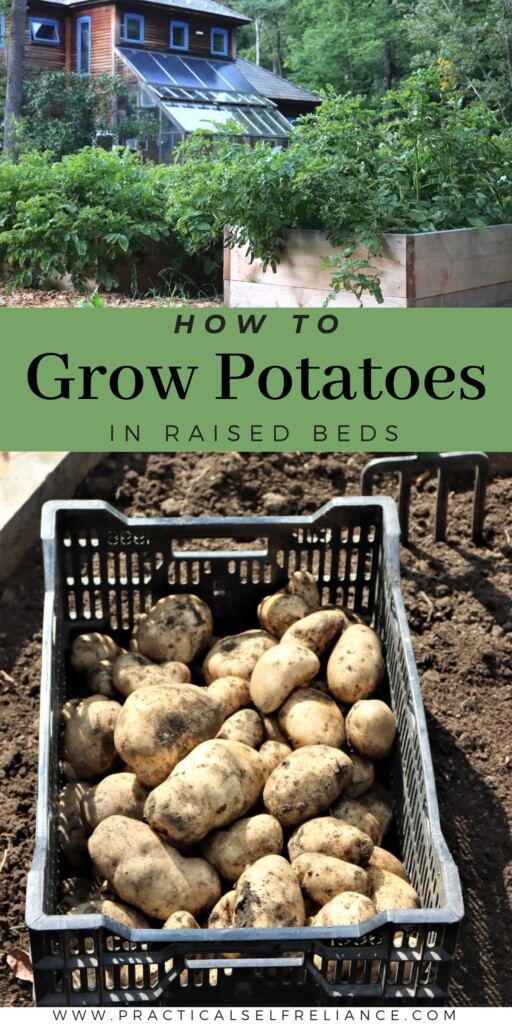
Credit: practicalselfreliance.com
Benefits Of Raised Garden Beds
Raised garden beds offer numerous benefits for growing potatoes. These structures provide better control over the growing environment, leading to healthier plants and higher yields. Explore the advantages of using raised garden beds for your potato planting project.
Improved Soil Quality
Raised beds allow gardeners to customize soil composition. You can choose soil that suits potatoes best, enhancing growth and productivity. Organics, compost, and minerals mix well in raised beds. This boosts soil fertility, supporting robust potato plants.
Enhanced Drainage
Raised beds naturally improve water drainage. Excess water flows away easily, preventing root rot. Potatoes thrive in well-drained soil, making raised beds ideal. Better drainage means healthier plants and fewer disease problems.
Ease Of Access
Gardening becomes simpler with raised beds. Elevated soil makes planting and harvesting less strenuous. You can reach plants without bending too much. This accessibility is especially helpful for those with mobility challenges.
Choosing The Right Location
Selecting the ideal location for planting potatoes in a raised garden bed is crucial. Ensure the spot receives at least six hours of sunlight daily. Good drainage and access to water are also important for healthy potato growth.
Choosing the right location for your raised garden bed is vital. Potatoes need specific conditions to thrive. The right spot ensures healthy growth and a bountiful harvest. Consider sunlight and water access. Both are key for a successful potato crop.Sunlight Requirements
Potatoes love sunlight. They need at least 6 hours of direct sun daily. Choose a spot with unobstructed sunlight. Avoid areas shaded by trees or buildings. Sunlight helps potatoes grow strong and healthy. It boosts their photosynthesis process.Proximity To Water Source
Potatoes need consistent watering. Place your garden bed near a water source. This makes watering easier and more convenient. Ensure the location has good drainage. Too much water can harm potato plants. Check for puddles after rain. They indicate poor drainage.Preparing The Raised Bed
Planting potatoes in a raised garden bed is a smart choice. It offers good drainage and easy access. Ensure the soil is rich and loose for the best results.
Preparing the Raised Bed Creating the perfect raised garden bed for your potatoes involves thoughtful preparation. You want a space that not only supports healthy growth but also makes tending to your plants a breeze. So, let’s dive into the essentials of getting your raised bed ready for a bountiful potato harvest.Selecting Materials
Choosing the right materials is the foundation of a successful raised bed. Consider using durable, non-toxic materials like cedar or untreated pine, which are resistant to rot and safe for edibles. If you’re looking for a more budget-friendly option, recycled plastic or metal frames can also do the trick while offering longevity. Think about the aesthetics, too. Your garden should be a place of beauty as well as function. What material will blend well with your outdoor space?Building The Structure
Once you’ve chosen your materials, it’s time to construct your raised bed. Aim for a height of about 12 to 18 inches, which is optimal for potato growth. This height allows for good drainage and gives roots plenty of room to develop. Ensure your structure is sturdy. Use brackets or screws to secure the corners tightly, preventing soil from spilling out. Remember, the effort you put into building a solid structure pays off with easier maintenance and healthier plants.Filling With Suitable Soil
Selecting the right soil is crucial. Potatoes thrive in loose, well-draining soil rich in organic matter. A mix of topsoil, compost, and some sand can create the ideal environment for your spuds. Avoid using heavy clay soil, as it can hinder root expansion and reduce your yield. Regularly enriching your soil with compost not only supports potato growth but also enhances the overall fertility of your garden bed. How often do you test your soil? It’s a good practice to ensure it maintains the right nutrient balance.Selecting Potato Varieties
Raised garden beds offer excellent drainage and soil warmth, ideal for planting potatoes. Choose disease-resistant varieties like Yukon Gold or Red Pontiac for robust growth. Ensure consistent watering and sunlight for healthy potato yields.
Selecting the right potato variety is crucial for a successful harvest in raised garden beds. Different varieties offer unique flavors and growing characteristics. Understanding these can help you make informed choices for your garden.Early Season Varieties
Early season potatoes mature quickly. They are ready in about 60 to 90 days. These varieties are ideal for gardeners who want a fast yield. Popular early varieties include ‘Red Norland’ and ‘Yukon Gold’. They are perfect for salads and boiling. Early potatoes are usually smaller, with thin skins.Maincrop Varieties
Maincrop potatoes take longer to mature. They need about 100 to 120 days. These varieties yield larger tubers. Maincrop potatoes are great for storage. They include ‘Russet Burbank’ and ‘Kennebec’. These are versatile and suitable for baking or frying.Considerations For Climate
Your local climate impacts potato growth. In cooler climates, choose early varieties. They have a shorter growing season. In warmer areas, maincrop varieties can thrive. They withstand heat better. Consider your frost dates too. Potatoes need to be planted after the last frost. This ensures optimal growth and yield.Planting Techniques
Growing potatoes in raised garden beds offers better drainage and soil control. Raised beds keep pests at bay and make harvesting easier. Potatoes thrive in loose, nutrient-rich soil and ample sunlight.
Planting potatoes in raised garden beds can be rewarding. This method offers better drainage and soil quality. Raised beds provide warmth, which potatoes love. Successful planting requires understanding key techniques.Spacing And Depth
Proper spacing is essential for potato growth. Leave about 12 inches between each seed potato. This allows room for tubers to expand. Plant potatoes at a depth of 4 inches. The depth ensures they receive enough nutrients. Cover the potatoes with soil after planting. This helps them stay moist.Using Seed Potatoes
Seed potatoes are best for planting. Choose disease-free seed potatoes for healthy growth. Cut large seed potatoes into smaller pieces. Each piece should have one or two eyes. Let the cut pieces dry for a day. This prevents rotting when planted. Once dry, place them in the prepared bed. Eyes should face upward for sprouting.Mulching For Growth
Mulching helps retain moisture and control weeds. Use straw or hay as mulch material. Cover the planted area with a layer of mulch. This keeps the soil temperature stable. Mulch also protects young sprouts from harsh weather. As the plants grow, add more mulch around them. This encourages more tuber production.Watering And Fertilizing
Watering and Fertilizing Potatoes thrive in raised garden beds with consistent watering. Ensure the soil remains moist, but not soggy. Fertilize with a balanced organic fertilizer to support healthy growth and increase yields.
Planting potatoes in a raised garden bed can be a rewarding endeavor, but to ensure those spuds are thriving, you must pay close attention to watering and fertilizing. These two factors are crucial for healthy growth and a bountiful harvest. With the right approach, your raised bed can become a potato-producing powerhouse.Optimal Watering Schedule
Watering your potato plants is a delicate balance. Too little, and they’ll struggle to grow; too much, and you risk drowning them. Aim to keep the soil consistently moist, but not soggy. Consider watering your potatoes in the early morning or late afternoon. This allows the plants to absorb moisture before the sun’s heat intensifies. Adjust your schedule based on rainfall; during dry spells, you may need to water more frequently.Choosing Fertilizers
Selecting the right fertilizer is key to nourishing your potato plants. Opt for a balanced, organic fertilizer that caters to root crops. Look for a mix that includes essential nutrients like nitrogen, phosphorus, and potassium. You can enhance growth by incorporating compost into the soil before planting. This provides a slow-release source of nutrients that potatoes love. Be sure to check your fertilizer’s label for specific application instructions to avoid over-fertilizing.Signs Of Overwatering
Overwatering can be a silent killer for your potato plants. Watch for yellowing leaves, which might indicate excess moisture. Another sign is a foul smell coming from the soil, signaling root rot. Feel the soil regularly to gauge moisture levels. If it’s consistently wet, cut back on watering. Raise your garden bed slightly if drainage is an issue. Remember, healthy roots are the foundation of a thriving potato plant. Is your watering strategy helping or hindering your garden’s success? With careful attention, you can master the art of watering and fertilizing your potatoes in a raised bed.Pest And Disease Management
Planting potatoes in raised garden beds can enhance pest and disease management. These beds improve drainage and reduce soil compaction, minimizing the risk of rot. Elevated beds also help control pests, providing a healthier environment for potato growth.
Managing pests and diseases in your raised garden bed is crucial for a bountiful potato harvest. Raised beds offer better drainage and soil control, but that doesn’t make them immune to common garden woes. With a few proactive strategies, you can keep your potato plants healthy and thriving.Common Potato Pests
Potato plants can attract a variety of pests that threaten their growth. Colorado potato beetles are notorious for their ability to defoliate plants quickly. Aphids may also infest your plants, sucking nutrients and spreading diseases. Keep an eye out for slugs and snails, especially if your garden bed is damp. These pests can munch on the leaves and tubers, causing significant damage.Disease Prevention Strategies
Rotate your crops to prevent soil-borne diseases from taking hold. Plant potatoes in a different spot each year to disrupt the lifecycle of pathogens. Water wisely to avoid fungal diseases like blight. Ensure your raised bed has good drainage and water in the morning to allow leaves to dry during the day. Use disease-resistant varieties whenever possible. These strains are bred to withstand common potato diseases, giving you an edge in the garden.Organic Control Methods
Hand-picking pests like beetles can be an effective control method. It might sound tedious, but it’s a chemical-free way to protect your plants. Introduce beneficial insects such as ladybugs and lacewings that prey on aphids. Creating a balanced ecosystem helps manage pests naturally. Try using natural repellents like neem oil or garlic spray. These solutions deter pests without harming the environment or beneficial creatures. By using these practical strategies, you can manage pests and diseases in your raised garden bed effectively. What new techniques will you try in your own garden?
Credit: www.tiktok.com
Harvesting Potatoes
Growing potatoes in raised garden beds is a practical choice. Raised beds offer better soil drainage and warmth. Planting in these beds simplifies harvesting and reduces pests, ensuring healthier potatoes.
Harvesting potatoes from a raised garden bed is a rewarding task. After months of care, it’s time to reap the benefits. Knowing when and how to harvest ensures the best yield. Let’s explore the essential steps.Identifying Maturity
Potatoes are ready when the plant turns yellow and wilts. Another sign is the skin’s firmness. Rub the potato gently; if the skin stays intact, it’s mature. Check a few potatoes to be sure.Techniques For Harvest
Use a garden fork to lift potatoes gently. Insert the fork 6 inches from the plant. Lift the soil and find the potatoes. Be careful to avoid damaging them. Gather the largest ones first and leave smaller ones to grow.Storage Tips
Store potatoes in a cool, dark place. Avoid washing them until use. Moisture can cause rot. Use a breathable bag or box to store them. Check regularly for any signs of spoilage. Proper storage keeps them fresh for months.Expert Tips For Success
Planting potatoes in raised garden beds offers better drainage and soil quality. Ensure the soil is loose and rich in nutrients. Regular watering and sunlight exposure lead to healthy potato growth.
Planting potatoes in a raised garden bed can be a rewarding experience, especially when armed with expert tips for success. Whether you’re a seasoned gardener or a newbie, understanding the nuances of growing potatoes in this unique environment can enhance your harvest. Dive into these expert insights and watch your garden thrive.Companion Planting
Consider pairing potatoes with beneficial plants in your raised bed. Companion planting can deter pests and improve soil health. For instance, marigolds can help repel nematodes, while beans can fix nitrogen in the soil, enriching it for your potatoes. Avoid planting potatoes near tomatoes, as they share similar diseases, which can spread easily.Seasonal Care Advice
Knowing when to plant and how to care for your potatoes throughout the seasons is crucial. Start planting when the risk of frost has passed, and ensure your soil is well-drained and enriched with compost. During the growing season, keep an eye on watering needs. Potatoes prefer consistent moisture, but be cautious of overwatering, which can lead to rot.Troubleshooting Common Issues
Every gardener faces challenges, but being prepared can make all the difference. If your potato plants are yellowing, check for signs of pests like aphids or issues like nutrient deficiency. Consider using organic pesticides or adjusting your soil’s nutrient balance to address these problems effectively. By focusing on these expert tips, you can transform your raised garden bed into a potato-growing haven. What strategies will you employ to ensure a bountiful harvest?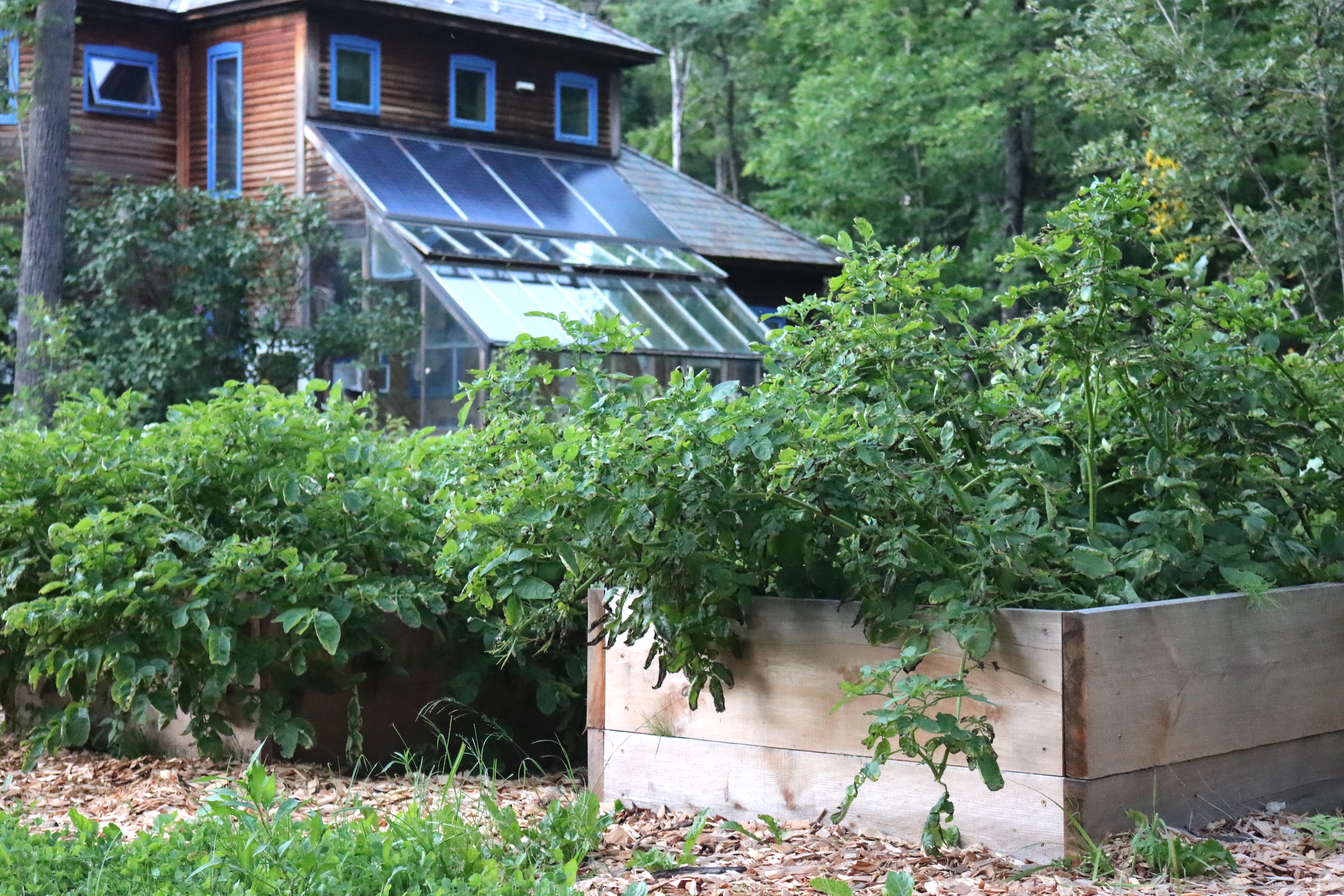
Credit: practicalselfreliance.com
Frequently Asked Questions
How Do You Plant Potatoes In A Raised Bed?
To plant potatoes in a raised bed, start by filling it with well-drained soil. Place seed potatoes 4-6 inches deep, spaced 12 inches apart. Cover with soil and water regularly. As plants grow, add more soil to keep tubers covered.
Harvest when plants die back.
What Is The Best Soil For Potatoes In Raised Beds?
The best soil for potatoes is well-draining and rich in organic matter. Use a mix of garden soil, compost, and sand for optimal growth. Ensure the soil pH is around 5. 5 to 6. 5. This supports healthy potato development and prevents diseases.
How Often Should I Water Potatoes In Raised Beds?
Water potatoes consistently, keeping the soil moist but not waterlogged. Typically, water once or twice a week, depending on weather conditions. During dry spells, increase watering frequency. Consistent moisture is crucial for healthy tuber development and preventing stress on plants.
Can You Grow Potatoes In Small Raised Beds?
Yes, you can grow potatoes in small raised beds. Optimize space by planting vertically and selecting compact potato varieties. Ensure proper spacing and soil depth for tuber development. Regularly add soil as plants grow to maximize yield in limited space.
Conclusion
Planting potatoes in raised garden beds offers many benefits. It’s easy to manage. You get better soil drainage. More control over pests. Easier access for planting and harvesting. These advantages make raised beds a great choice for potato gardening. Always choose quality soil and proper sunlight.
Ensure regular watering for healthy growth. Raised beds can enhance your gardening experience. Try it and watch your potatoes thrive. Happy gardening!







