Are you gazing out at your garden, admiring your lush plants, only to discover mysterious nibbles and missing leaves? If so, you might be wondering if rabbits are the culprits behind this garden mystery.
These adorable creatures may seem harmless, but they can wreak havoc on your carefully nurtured plants. If you’re worried about your green oasis turning into a rabbit buffet, you’re not alone. Many garden enthusiasts face this challenge. By understanding whether rabbits are feasting on your plants, you can take the right steps to protect your garden.
Read on to uncover the truth about rabbits and your garden plants, and find out how to keep your garden thriving.

Credit: www.yahoo.com
Rabbit Diet Basics
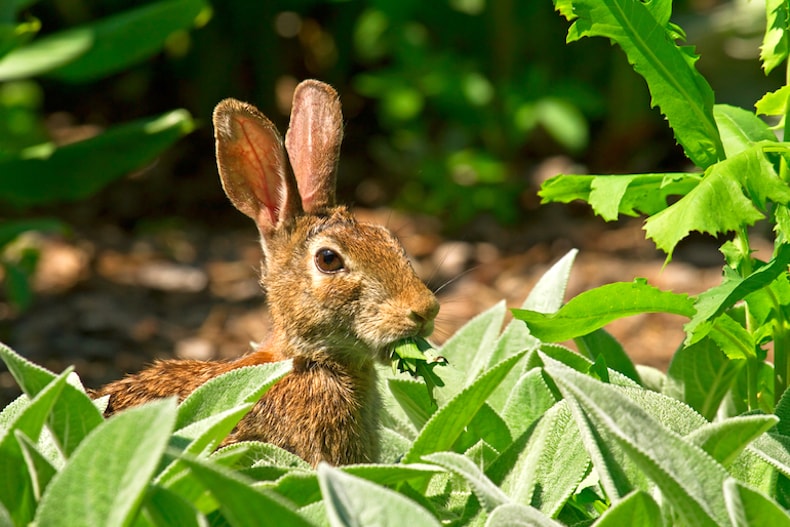
Rabbits often nibble on garden plants, finding them irresistible. Their diet includes a variety of greens, flowers, and herbs. Gardeners should consider protective measures to keep their plants safe.
Rabbits are fascinating creatures with unique dietary needs. Understanding what they eat helps you protect your garden plants from their munching habits. Rabbits have a diverse diet that includes a variety of plants and vegetables. Knowing their dietary preferences is key to keeping your garden safe.Understanding The Natural Diet Of Rabbits
Rabbits are herbivores. They primarily eat grass, leaves, and stems. This diet is high in fiber and low in calories. Fiber is essential for their digestive health. They also enjoy munching on fruits and vegetables. Carrots, apples, and berries are rabbit favorites. Fresh greens provide essential nutrients. Rabbits can be quite the garden gourmets. They often nibble on lettuce, spinach, and broccoli. These plants are tasty and nutritious for them. Flowering plants are not safe either. Petunias, pansies, and marigolds attract rabbits. Even herbs like parsley and basil are on their menu.Why Rabbits Choose Certain Plants
Rabbits choose plants based on taste and texture. Soft, tender leaves are more appealing. They also look for juicy stems and flowers. Nutrient-rich plants are especially attractive. Smell plays a role too. Aromatic herbs may draw them in.How Rabbits Impact Your Garden
Rabbits can cause significant damage. They eat leaves, flowers, and stems. This affects plant growth and health. Young plants are most vulnerable. Their roots can be exposed and damaged. Large rabbit populations can strip a garden bare.Preventing Rabbit Damage To Your Garden
Guard your garden with fences. Choose mesh wire for effectiveness. Planting rabbit-resistant plants helps too. Consider marigolds and lavender. Use repellents around vulnerable areas. These strategies can keep rabbits at bay.Common Garden Plants Rabbits Eat
Rabbits often munch on garden plants like lettuce, carrots, and peas. They also enjoy nibbling on broccoli and beans. To protect your garden, consider fencing or using repellents.
Rabbits are adorable but can be a gardener’s nightmare. They have a knack for nibbling on a variety of garden plants. Knowing what they favor can help in protecting your garden.Vegetables And Herbs
Rabbits love tender vegetables. They often feast on lettuce, carrots, and peas. Spinach and kale also attract them. Herbs like parsley and basil are not safe either. These green delights are irresistible to a hungry rabbit.Flowers And Ornamentals
Rabbits have a taste for flowers, too. They often eat marigolds and pansies. Tulips and daisies are also on their menu. These blooms are tempting snacks. Rabbits can ruin a flower bed quickly.Fruits And Shrubs
Fruit plants are not immune. Rabbits enjoy munching on strawberries and blueberries. Some shrubs attract them as well. They like nibbling on young bark. This can damage the plant severely. Protecting these plants is crucial for a healthy garden.Plants Rabbits Avoid
Rabbits are adorable but can be troublesome for gardeners. They munch on tender garden plants. Yet, some plants naturally keep rabbits away. These plants have characteristics that rabbits dislike.
Natural Deterrents
Certain plants naturally deter rabbits. They have textures or tastes rabbits find unpleasant. Prickly plants like lavender and rosemary are good examples. Their tough leaves discourage nibbling. Planting these can help shield your garden.
Plants With Strong Scents
Plants with strong scents can repel rabbits. These scents overwhelm their sensitive noses. Marigolds and onions are excellent choices. Their pungent aromas act as natural barriers. Rabbits usually avoid these aromatic plants.
Toxic Varieties
Some plants are toxic to rabbits. They instinctively steer clear of these. Foxglove and daffodils are common toxic varieties. Planting these can protect your garden. But ensure they are safe for other pets and children.
Credit: www.thompson-morgan.com
Signs Of Rabbit Damage
Rabbit damage is evident through nibbled leaves, stems, and flowers. Plants may appear ragged or have missing parts. Look for small droppings and chewed bark on woody plants as additional signs.
Rabbits are charming creatures that many love, but if you’re a gardener, they might not be your favorite visitor. These furry critters can wreak havoc on your carefully tended plants, leaving behind telltale signs of their presence. Understanding these signs can help you protect your garden and keep it flourishing despite their uninvited visits.Chewing Patterns
Rabbits have distinct chewing patterns that can help you identify their damage. They tend to leave clean, angled cuts on stems and leaves, unlike the jagged cuts left by other animals. Look closely at the stems of your plants; if you notice sharp, diagonal bites, you likely have a rabbit problem. Moreover, rabbits often target tender shoots and young plants. These are easier for them to gnaw through and offer a fresh taste. Have you noticed new growth disappearing overnight? Rabbits could be the culprits.Tracks And Droppings
Examining the ground around your garden can reveal more signs of rabbit activity. Rabbit tracks are usually small and may appear in pairs, with the hind feet being larger than the front ones. If you spot these tracks in the soil or on pathways, it’s a clear indication of their presence. Additionally, rabbit droppings are small, round, and pellet-like. They can often be found scattered around the garden, especially near the plants they’ve been munching on. Identifying these droppings can confirm rabbit activity and help you decide on protective measures. Have you ever woken up to an unexpected mess in your garden? Tracks and droppings could be your first clue in solving this mystery. By recognizing these signs, you can take proactive steps to safeguard your plants from hungry rabbits.Protecting Your Garden
Rabbits often munch on garden plants, posing a challenge for gardeners. Fencing and repellents can help protect your greenery. Consider planting rabbit-resistant plants to deter nibbling visitors.
Protecting Your Garden from rabbits is a challenge every gardener may face. These adorable creatures can wreak havoc on your prized plants, leaving you frustrated and your garden bare. But don’t worry—there are effective strategies to keep your greens safe.Fencing Solutions
Fences are a reliable way to keep rabbits out. Opt for a fence that’s at least two feet high. Bury it six inches underground to prevent burrowing. Choose materials like chicken wire for durability. Ensure the mesh size is one inch or smaller to stop rabbits from squeezing through. A well-constructed fence acts as a solid barrier.Repellents And Deterrents
Natural repellents can be a lifesaver. Consider using homemade solutions like garlic spray or hot pepper flakes around your plants. These deter rabbits without harming them. Commercial repellents are also effective. Look for organic options that are safe for your plants and the environment. Regular application is key to maintaining their effectiveness.Companion Planting
Certain plants naturally repel rabbits. Consider planting garlic, onions, or marigolds alongside your vulnerable plants. These can act as a natural deterrent. Companion planting not only protects but also enhances your garden’s biodiversity. It’s a win-win strategy that benefits both you and your plants. Have you ever tried these methods in your garden? Share your experiences and tips in the comments!
Credit: vocal.media
Rabbit-friendly Alternatives
Rabbits often munch on garden plants, seeking tasty leaves and stems. Try rabbit-friendly alternatives like marigolds, lavender, or rosemary. These plants deter rabbits and protect your garden’s greenery.
If you’ve ever watched rabbits hop around your garden, you know they can be both a joy and a challenge. While their playful antics are entertaining, their taste for garden plants might leave you frustrated. Fortunately, there are rabbit-friendly alternatives that keep your garden safe while providing a habitat for these charming creatures. Let’s explore how you can make your garden a welcoming space without sacrificing your beloved plants.Creating A Rabbit-friendly Zone
Transform a section of your garden into a rabbit-friendly zone. This keeps rabbits away from your prized plants while offering them their own space to explore. Consider installing a low fence to separate this area from the rest of your garden. You can use natural materials like wood or hedges to blend with the landscape. Within this zone, include logs, rocks, and shelters to mimic their natural environment. Rabbits love to hide and explore, so give them a safe place to do so.Safe Plants For Rabbits
Incorporate plants that rabbits can enjoy without harming your garden. Some plants are nutritious for rabbits and can keep them occupied. Consider planting clover and alfalfa. Both are safe and delicious for rabbits, keeping them busy munching rather than eyeing your vegetables. Herbs like basil and mint are also great choices. They are not only safe for rabbits but add delightful scents to your garden. Have you thought about the types of plants you already have? Are there any that could be swapped for rabbit-friendly options? By creating a designated zone and selecting safe plants, you can coexist peacefully with the rabbits that visit your garden. This approach not only protects your plants but also nurtures a natural habitat for these adorable creatures.Frequently Asked Questions
Do Rabbits Eat Garden Vegetables?
Yes, rabbits often eat garden vegetables such as lettuce, carrots, and beans. They are attracted to fresh, tender plants. To protect your garden, consider using fencing or natural repellents. Monitoring your garden regularly can also help in identifying rabbit activity early.
How To Stop Rabbits From Eating Plants?
To stop rabbits, use physical barriers like chicken wire around plants. Natural repellents such as garlic or pepper spray can deter them. Planting rabbit-resistant plants like lavender or marigolds can also help. Regularly check for signs of rabbit presence to take timely actions.
Are There Plants Rabbits Avoid?
Yes, rabbits tend to avoid plants with strong scents or tough textures. Examples include lavender, marigolds, and ornamental onions. These plants can act as natural deterrents. Including them in your garden can help protect other more vulnerable plants from rabbits.
Do Rabbits Eat Flowers In Gardens?
Rabbits do eat a variety of flowers, especially tender ones like pansies and petunias. They are less likely to eat flowers with strong scents. To protect your blooms, use deterrents or plant flowers that rabbits dislike. This can help maintain a rabbit-free flower garden.
Conclusion
Rabbits nibble on garden plants. It’s in their nature. They find leafy greens irresistible. Protecting your garden can be a challenge. Simple barriers or fences help deter them. Planting rabbit-resistant plants also aids in defense. Consistent garden checks help catch issues early.
Consider natural repellents if needed. Remember, rabbits are part of nature too. Balancing garden beauty with wildlife is key. With these tips, gardens can thrive. Enjoy your garden’s growth and beauty. Keep it safe from hungry bunnies. Happy gardening!