
Have you ever stepped into your garden, full of anticipation to see your plants thriving, only to find some leaves mysteriously nibbled or missing? You might start to wonder if crows are the culprits sneaking in.
The thought of these clever black birds having a secret feast on your plants can be frustrating. But do crows really eat garden plants? Understanding what’s truly happening in your garden can save you time and effort, as well as preserve your peace of mind.
By the end of this article, you will discover the truth about crows’ eating habits, and learn how to protect your beloved plants without unnecessary worry. Stay with us, and transform your garden into a crow-friendly yet plant-safe haven.
Crows’ Diet Overview
Crows have a varied diet, including insects, fruits, and grains. They sometimes nibble on garden plants, especially if other food sources are scarce. Their curiosity often leads them to peck at seedlings and soft fruits, impacting garden growth.
Crows are fascinating birds with a varied diet. They’re highly adaptable and can thrive in diverse environments. Understanding what crows eat helps gardeners protect their plants. This overview explores their eating habits.Crows’ Diverse Diet
Crows eat many types of food. They enjoy insects, small mammals, and fruits. They’re omnivores, which means they consume both plants and animals. They often forage in fields and gardens. Crows sometimes eat garden plants. They may peck at seeds and young shoots. This behavior can damage crops and flowers. They are curious and explore new foods in their surroundings.Seasonal Variations
Their diet changes with the seasons. In spring, they eat more insects and seeds. Summer brings fruits and berries into their diet. In winter, crows seek nuts and leftover grains. Their adaptability helps them survive year-round.Strategies For Protecting Plants
Gardeners can use several strategies. Scarecrows or shiny objects deter crows. Netting protects seeds and seedlings. Keeping gardens tidy reduces crow attraction. These methods minimize plant damage effectively.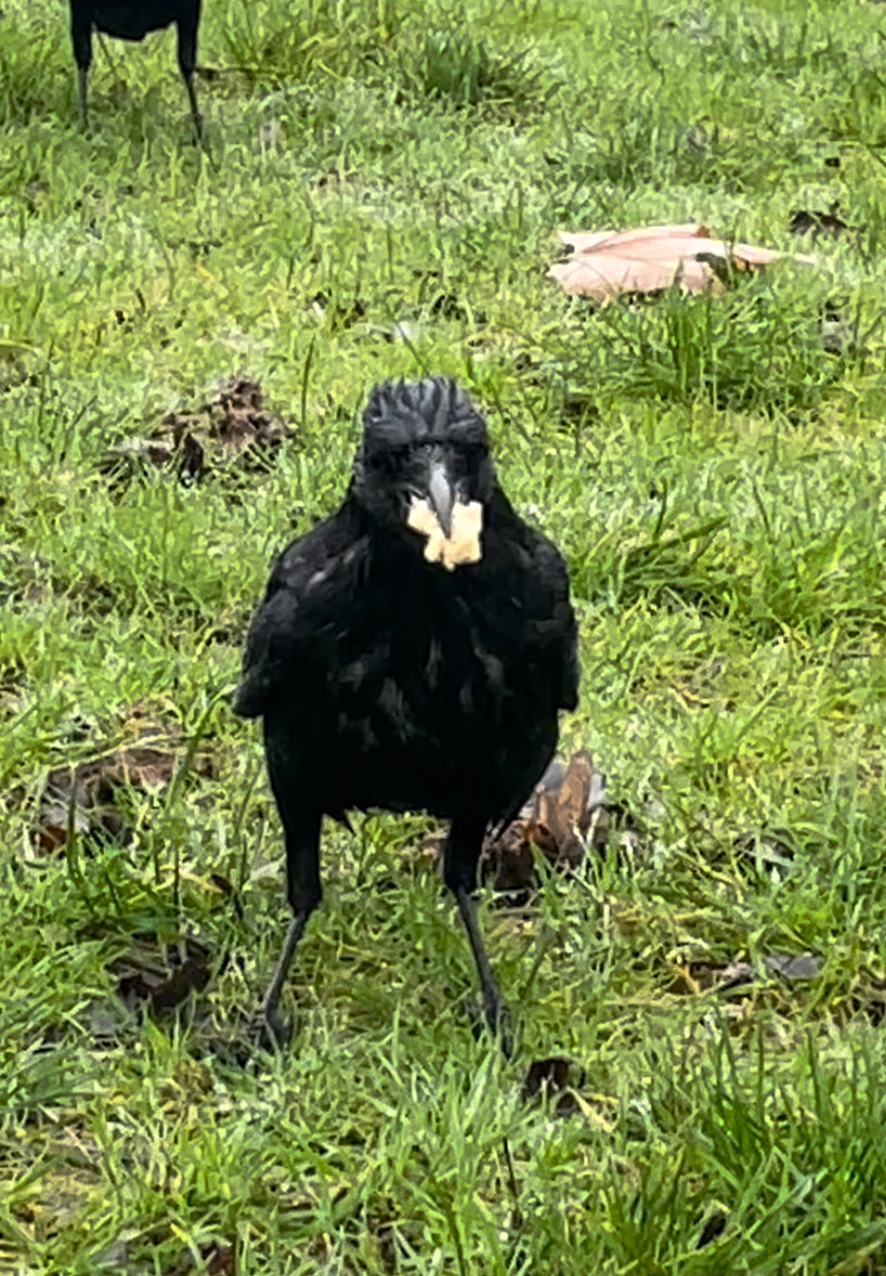
Credit: medium.com
Impact On Garden Plants
Crows are intelligent birds known for their adaptability. They often visit gardens searching for food. This can impact the health and growth of garden plants. Understanding their behavior helps gardeners protect their plants.
Commonly Affected Plants
Crows can target a variety of garden plants. Vegetables like corn and peas are common victims. They enjoy pecking at young seedlings. Fruit trees such as cherries and apples also attract crows. Their fondness for berries like strawberries and blueberries is well-known. Crows can damage these plants, affecting yields.
Signs Of Crow Activity
Identifying crow activity in your garden is crucial. Look for uprooted seedlings. Crows may dig to find insects or seeds. Damaged fruits or vegetables are another indicator. They often leave peck marks on fruits. Observe if bird droppings are near damaged plants. Crows are noisy, so their calls can alert you. Watch for black feathers left behind as they move around.
Reasons Crows Target Gardens
Crows are intelligent birds known for their adaptability and resourcefulness. While they might seem like an unlikely garden pest, there are specific reasons they target gardens, often leaving gardeners puzzled and frustrated. Understanding these reasons can help you develop effective strategies to protect your plants.
Nutritional Needs
Crows have a diverse diet that includes seeds, fruits, and vegetables, making gardens a tempting buffet. Your ripe tomatoes or fresh lettuce can be irresistible to a crow looking for a nutritious meal. Consider what might be attracting them to your garden. Are there particular plants they seem to favor?
Beyond just fruits and veggies, crows are opportunistic feeders. They might also be drawn to insects and worms that thrive in your garden, indirectly benefiting from the ecosystem you’ve nurtured. Crows are known to eat grubs that can be harmful to plants, offering an unintended benefit. Would you see them as helpers or foes?
Behavioral Traits
Crows are inherently curious and often explore new environments. Your garden, with its variety of plants and insects, can be an intriguing playground for them. Their intelligent nature means they learn quickly, often remembering places where food is readily available.
Social creatures by nature, crows often work in groups, making their presence in your garden more noticeable. They communicate effectively, sometimes alerting their peers to a good food source. This can quickly escalate a single crow visit into a full-blown garden raid. How do you plan to keep them from spreading the word?
Observing crows in your garden can be enlightening. You might notice patterns in their visits or preferences for specific plants. Use these observations to guide your protective measures, ensuring your garden remains yours, not theirs.

Credit: www.facebook.com
Misconceptions About Crows
Misconceptions about crows often paint them as garden villains, eagerly waiting to feast on your prized plants. But are these intelligent birds really the culprits behind garden havoc? Understanding their behavior and ecological roles might just change your perspective.
Crows As Pests
It’s easy to label crows as pests when you find them in your garden. Their curious nature leads them to investigate various items, including plants. However, they rarely eat garden plants directly. Instead, they’re often attracted to insects or worms lurking in the soil. If you notice crow activity in your garden, it might be beneficial. They could be helping control unwanted pests naturally.
Ecological Benefits
Crows offer surprising ecological benefits. Their diet includes rodents and insects that might otherwise damage your garden. By keeping these populations in check, crows contribute to a balanced ecosystem. Consider how their presence might actually safeguard your plants rather than harm them.
Next time you spot a crow in your garden, think twice before shooing it away. Could this visitor be a guardian rather than a foe? Observing their behavior might reveal a new understanding of how wildlife interacts with your garden space.
Preventing Crow Damage
Crows can cause significant damage by eating seeds and young plants in gardens. Installing scare devices like reflective tape or placing netting over plants helps deter them. Gardeners can also use decoys or noise makers to keep crows away from their crops.
Preventing crows from damaging your garden requires a thoughtful approach. Crows are intelligent birds and can be persistent. Gardeners often face challenges with these curious creatures. To protect your garden, consider several effective strategies. These include physical barriers, natural deterrents, and garden maintenance.Physical Barriers
Physical barriers can effectively keep crows away. Use netting to cover vulnerable plants. This prevents crows from reaching seeds and fruits. You can also install scarecrows. Place them strategically around the garden. Move them occasionally to maintain their effectiveness. Wire mesh is another option. It protects young plants from pecking crows.Natural Deterrents
Natural deterrents can help discourage crows. Use shiny objects like CDs or aluminum foil strips. Hang them where crows often gather. They create reflections that confuse birds. Consider using noise deterrents. Wind chimes or rustling foil can work well. Planting prickly bushes around garden boundaries can also deter crows. They avoid landing in uncomfortable areas.Garden Maintenance Tips
Maintaining your garden can reduce crow visits. Keep the garden clean and tidy. Remove fallen fruits and vegetables promptly. This minimizes food sources for crows. Regularly check for crow nests nearby. They may indicate increased crow activity. Encourage natural predators like owls. They can help keep crow populations in check.Observing Crow Behavior
Curious gardeners often watch crows to understand their eating habits. These intelligent birds usually prefer insects and seeds over garden plants. Observing their behavior can reveal patterns and help protect your garden from potential damage.
Observing crow behavior can reveal much about their interactions with gardens. Crows are intelligent birds and their actions can impact your garden. By understanding their behavior, gardeners can better protect their plants.Feeding Patterns
Crows are opportunistic feeders. They consume a variety of foods based on availability. In gardens, they might target seeds, fruits, and vegetables. Their feeding often depends on what is easily accessible. Crows can be seen digging in soil, searching for insects or seeds. They may also peck at ripening fruits, causing damage. Observing these patterns helps in identifying crow activity in gardens.Communication Signals
Crows use various signals to communicate with each other. They have a complex language of caws and calls. These sounds convey messages about food sources and danger. In a garden, loud cawing might indicate a food discovery. Crows also use body language, such as wing flapping, to communicate. Recognizing these signals can alert gardeners to potential crow activity. Understanding crow communication helps in devising strategies to protect plants.
Credit: x.com
Frequently Asked Questions
Do Crows Damage Garden Plants?
Crows rarely cause significant damage to garden plants. They might pick at seeds or seedlings, but they usually target insects. Their presence can actually benefit gardens by controlling pest populations. Monitoring their activity can help you determine any potential issues with your plants.
How Can I Protect Plants From Crows?
Protecting plants from crows involves using deterrents like scarecrows or reflective objects. Netting can cover vulnerable plants, preventing crows from accessing them. Regularly changing deterrent positions keeps crows wary. Providing alternative food sources can distract them from your garden.
Are Crows Beneficial To Gardens?
Yes, crows can be beneficial to gardens by controlling pests like insects and small rodents. They help maintain ecological balance. Their scavenging habits also contribute to cleaning up organic waste. Observing their behavior can offer insights into garden health.
What Do Crows Eat In Gardens?
Crows in gardens primarily eat insects, small rodents, and occasionally seeds or fruit. They might pick at seedlings but generally avoid mature plants. Their varied diet helps control pest populations, making them allies in maintaining garden health.
Conclusion
Crows may nibble on garden plants, but they’re not a major threat. They eat seeds and some fruits, yet mostly hunt insects. So, your plants generally stay safe. Use scare tactics if needed. A scarecrow or shiny objects might help.
Keep your garden clean and protected. This can discourage crows from visiting. Observe their behavior closely. You might find they help control pests. Nature’s balance at work. It’s part of the ecosystem. Enjoy your garden, knowing crows play their role.
Understanding them can improve garden harmony. Respect all creatures in your garden space.







