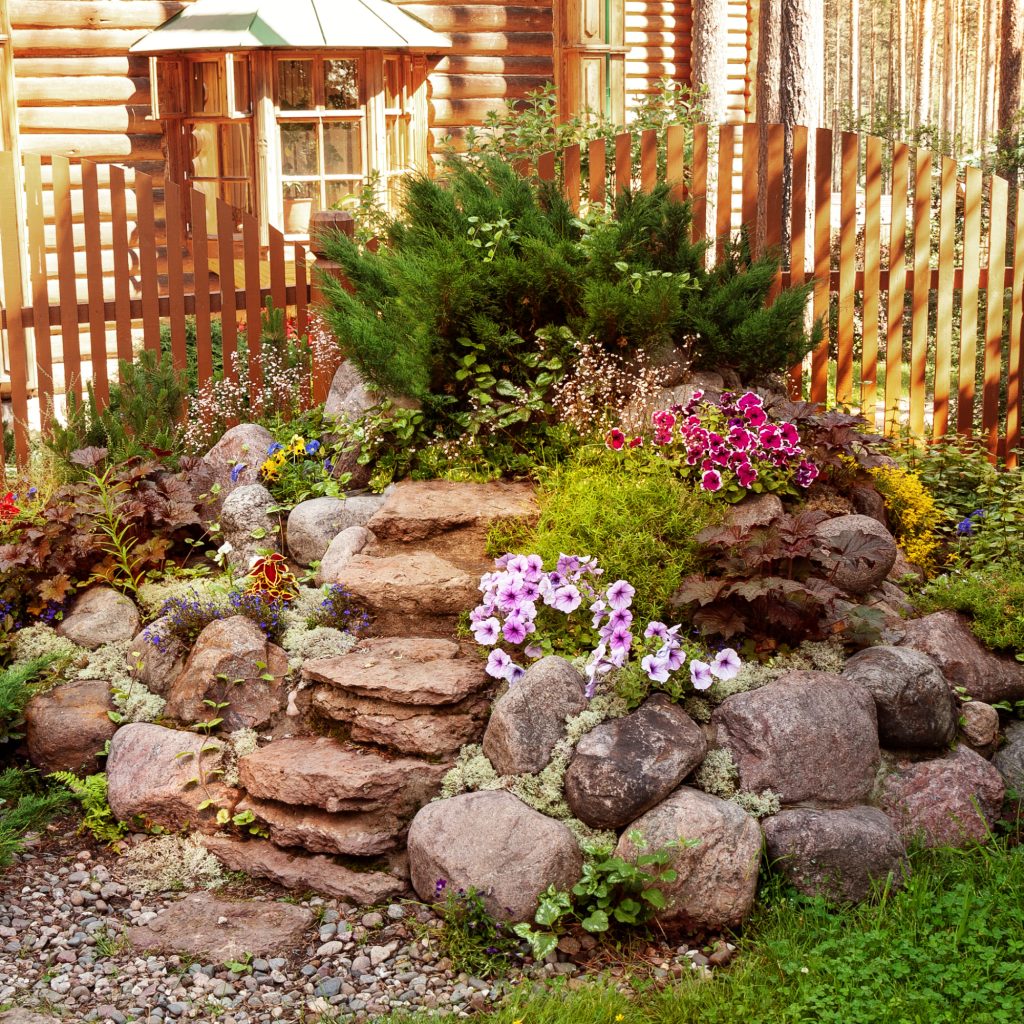
Imagine stepping into your backyard and envisioning a lush, vibrant garden spread across a gentle slope. It sounds idyllic, doesn’t it?
But then you wonder: “Can you plant a garden on a slope? ” The good news is, yes, you absolutely can! This unique gardening challenge can transform your space into a breathtaking oasis, offering you not just beauty but a sense of achievement.
We’ll unlock the secrets to turning your sloped landscape into a flourishing garden. You’ll discover practical tips and creative ideas that will have you itching to grab your gardening tools. Ready to see how easy and rewarding it can be? Let’s dive in and explore the possibilities that await you on your garden slope.

Credit: www.reddit.com
Benefits Of Gardening On A Slope
Planting a garden on a slope offers excellent drainage, reducing waterlogging risks. It also makes use of otherwise unused spaces, enhancing biodiversity. Terracing can help manage erosion while providing unique aesthetic appeal to your landscape.
Gardening on a slope might seem challenging at first, but it offers unique benefits that flat ground can’t match. Imagine the thrill of turning a once overlooked hillside into a vibrant, thriving garden. It’s not just about the aesthetics; it’s about harnessing nature’s contours to your advantage. Let’s explore how slopes can transform your gardening experience.Enhanced Drainage
Slopes naturally promote better drainage, preventing waterlogged soil and reducing the risk of root rot. With gravity on your side, excess rainwater flows away, keeping your plants healthy and thriving. You can bid farewell to the puddles that plague flat gardens!Improved Sun Exposure
Gardens on a slope often enjoy better sun exposure. As the angle of the land changes, different sections of your garden receive varying amounts of sunlight. This allows you to plant a diverse range of species, each thriving in their ideal light conditions. Have you noticed how your tomatoes bask in the sun, while your lettuce stays cool in the shade?Natural Pest Control
The slope’s elevation can act as a natural barrier against pests. Many ground-dwelling nuisances find it difficult to navigate uneven terrain. This means fewer critters munching on your hard-earned produce. Ever seen a slug struggle up a steep hill? It’s oddly satisfying!Creative Landscaping Opportunities
Slopes offer a blank canvas for creative landscaping. You can play with terracing, rock gardens, or cascading flower beds. The varied elevation adds depth and character, turning your garden into a picturesque scene. Are you ready to design a landscape that rivals those in magazines?Space Optimization
Using a slope effectively maximizes space. Vertical gardening techniques allow you to grow more in less ground area, perfect for those with limited land. Imagine a lush hillside bursting with strawberries, herbs, and wildflowers—it’s possible with the right approach. Gardening on a slope might require some planning, but the rewards are well worth it. Why settle for ordinary when you can cultivate a masterpiece on your hillside? Embrace the slope and let your creativity shine.Challenges Of Slope Gardening
Planting a garden on a slope presents unique challenges. Soil erosion and water runoff can hinder plant growth. Terracing and choosing the right plants help manage these issues effectively.
Planting a garden on a slope can be an exciting yet challenging endeavor. The unique landscape offers both opportunities and obstacles. While the view might be stunning, the practicalities of slope gardening require some careful thought and planning. Let’s dive into the challenges you might face when cultivating a sloped garden.Html Syntax For Headings
Soil Erosion
Soil erosion is one of the biggest hurdles in slope gardening. Rainwater can wash away the topsoil, taking vital nutrients with it. To combat this, consider using terraces or retaining walls to stabilize the soil.Water Drainage
Water drainage can be both a blessing and a curse on a slope. While water naturally flows downhill, it can lead to excessive runoff. This might leave your plants thirsty at the top and waterlogged at the bottom. Installing a drip irrigation system can help evenly distribute water.Access And Maintenance
Accessing your sloped garden can be tricky. Simple tasks like weeding or harvesting can become more challenging on uneven terrain. Think about creating pathways or stepping stones to make movement easier and safer.Plant Selection
Choosing the right plants is crucial for a slope garden. Not all plants can withstand the conditions of a slope. Opt for deep-rooted plants that can anchor the soil and prevent erosion. Perennials and ground covers can be excellent choices.Sunlight And Microclimates
Slope orientation affects sunlight exposure, creating microclimates. One side may receive more sun than the other, affecting plant growth. Observe your slope’s sunlight patterns to plant accordingly, ensuring each plant gets the light it needs. Gardening on a slope may seem daunting, but with the right strategies, it can become a vibrant and thriving garden. What creative solutions have you tried in your slope garden?Choosing The Right Plants
Planting on a slope offers unique challenges. Choose plants with strong roots to prevent soil erosion. Opt for native species that thrive in your local conditions for the best results.
Choosing the right plants for a slope is crucial to ensure your garden thrives. The unique conditions of a sloped garden, like water runoff and sun exposure, require thoughtful selection. By picking plants that naturally thrive in these environments, you’ll create a beautiful and sustainable garden.Native Plants
Native plants are a fantastic choice for sloped gardens. They are well-adapted to the local climate and soil conditions, making them more resilient and easier to care for. For example, in California, using coastal sage scrub or manzanita can provide stunning greenery while supporting local wildlife. Have you considered the impact on biodiversity by choosing native species?Erosion Control Plants
Slopes are prone to erosion, so selecting plants that help stabilize the soil is essential. Ground covers like creeping juniper or periwinkle create a dense mat that holds the earth together. Planting these can significantly reduce soil loss during heavy rains. How do you plan to protect your garden from erosion?Low-maintenance Options
If you prefer a hands-off approach, low-maintenance plants are your best friends. Succulents and ornamental grasses require minimal watering and upkeep. Consider lavender or sedum for a vibrant yet easy-care slope. Are you ready to enjoy a beautiful garden without the constant work? Choosing the right plants can transform your slope into a thriving garden. With the right selection, you’ll not only enhance beauty but also contribute to environmental sustainability.Designing The Garden Layout
Planting a garden on a slope can be both challenging and rewarding. Utilize terracing to prevent soil erosion and ensure water retention. Select plants suited for slope conditions to create a thriving garden space.
Designing a garden on a slope presents unique challenges and opportunities. It requires creativity and careful planning. The layout is crucial to manage water flow, prevent erosion, and maximize space. A well-designed layout can transform a sloped garden into a beautiful, functional space. Let’s explore some methods to achieve this.Terracing Techniques
Terracing is a popular method for sloped gardens. It involves creating flat areas or steps. These terraces help control water flow and prevent soil erosion. You can use stones, wood, or bricks for retaining walls. This method offers stability and enhances the garden’s appearance. Terraces also make planting and harvesting easier.Natural Contours
Embracing the natural contours of the slope can be beneficial. Planting along the slope’s curves can reduce erosion. This method helps water flow naturally and supports plant health. Use ground-cover plants to hold the soil. This approach creates a harmonious and natural look. It blends well with the landscape.Pathways And Access
Paths are essential for accessing different garden areas. Use materials like gravel or wood chips for paths. These materials provide good grip and prevent slipping. Paths should follow the slope’s natural lines. This ensures easy movement and reduces erosion. Create gentle, winding paths for visual interest. This enhances both function and beauty in the garden.Soil Management Strategies
Planting a garden on a slope requires smart soil management strategies. Terracing helps control erosion and retains moisture, providing a stable foundation for plants. Mulching and using ground covers further protect soil, promoting healthy plant growth.
Planting a garden on a slope presents unique challenges. Soil management is crucial to ensure plant health and growth. With the right strategies, you can improve soil quality, prevent erosion, and retain water effectively. These techniques will help your garden flourish even on uneven ground.Improving Soil Quality
Enhancing soil quality on a slope starts with organic matter. Add compost or well-rotted manure to enrich the soil. This boosts nutrients and improves structure. Use a soil test kit to identify deficiencies. This helps in selecting the right amendments. Mulching is another effective method. It regulates soil temperature and adds nutrients as it breaks down. Consider using bark, straw, or grass clippings.Preventing Soil Erosion
Soil erosion is a major concern on slopes. Terracing is a practical solution. It involves creating steps on the slope, reducing runoff. Planting ground covers like clover or creeping thyme stabilizes the soil. Their roots hold the soil together. Using retaining walls can also prevent erosion. They provide physical barriers against soil displacement.Water Retention Methods
Water retention is vital for sloped gardens. Use contour planting to direct water flow. This involves planting along the slope’s natural contour lines. Install drip irrigation systems for efficient watering. These systems deliver water directly to the plant roots. Rain barrels can collect runoff, providing a water source during dry periods. Applying mulch helps retain moisture in the soil. It reduces evaporation and keeps the soil cool.Watering Solutions For Slopes
Planting a garden on a slope is possible with the right watering solutions. Drip irrigation systems help control water flow, preventing soil erosion. Terracing can also support plant growth by creating flat areas for planting.
Planting a garden on a slope can be a rewarding experience. Yet, it presents unique challenges, particularly in watering. Water tends to flow downhill, making it difficult to ensure even moisture distribution. Proper watering solutions are essential to maintain a thriving garden on a slope.Drip Irrigation Systems
Drip irrigation is efficient for sloped gardens. It delivers water directly to plant roots. This system minimizes runoff and evaporation. Install the drip lines parallel to the slope’s contour. This setup ensures even water distribution. Adjust emitters to suit each plant’s needs. Drip systems save water and reduce erosion risk.Rainwater Harvesting
Rainwater harvesting is a sustainable watering solution. Collect rainwater using barrels or tanks. This method is cost-effective and eco-friendly. Position collection systems at the slope’s high points. Use gravity to distribute water downhill. Connect rainwater tanks to a drip irrigation system. This combination maximizes water efficiency.Efficient Water Use
Efficient water use is crucial for slope gardening. Water plants early in the morning. This reduces evaporation and conserves water. Mulch helps retain soil moisture. Choose mulch materials like straw or wood chips. They also prevent erosion. Monitor soil moisture regularly. Adjust watering based on weather and soil conditions.Mulching And Ground Cover
Planting a garden on a slope can be successful with proper techniques. Mulching and ground cover help prevent soil erosion and retain moisture. These strategies create a stable environment for plants to thrive on uneven terrain.
Planting a garden on a slope can be a rewarding challenge. One of the critical aspects of managing a sloped garden is the use of mulching and ground cover. These techniques help in retaining moisture, preventing soil erosion, and reducing weed growth. They can transform your sloped garden into a vibrant and sustainable ecosystem. Ready to dive into the details?Types Of Mulch
There are various mulch options, each offering unique benefits for your garden. Organic mulches like straw, wood chips, and shredded leaves add nutrients to the soil as they decompose. Inorganic options, such as stones or landscape fabric, provide long-lasting coverage without the need for frequent replacement. Choosing the right mulch depends on your garden’s needs. If you’re aiming for improved soil health, organic mulch is your best bet. For a more permanent solution, inorganic mulch might be the way to go.Benefits Of Ground Cover
Ground cover plants play a vital role in slope gardening. They act as a living mulch, protecting the soil from erosion and retaining moisture. Additionally, they suppress weeds and provide a lush, green aesthetic. Consider low-growing plants like creeping thyme or sedum. These hardy varieties spread quickly, creating a dense carpet over the soil. They also add a touch of beauty with their flowers and foliage.Application Techniques
Applying mulch and ground cover requires a strategic approach. Start by clearing the area of weeds and debris. Spread your chosen mulch evenly, ensuring a thickness of about 2-3 inches for optimal coverage. When planting ground cover, space the plants according to their mature size. This allows them room to spread without overcrowding. Regular maintenance, such as trimming and watering, ensures healthy growth. Have you ever wondered how a simple layer of mulch can dramatically change your garden’s dynamics? By using the right techniques, you can turn your sloped garden into a thriving landscape that defies gravity.Maintenance Tips
Planting a garden on a slope requires special care to prevent soil erosion. Choose plants with strong root systems for stability. Consider terracing or using mulch to retain soil and moisture effectively.
Planting a garden on a slope presents unique challenges, especially when it comes to maintenance. Regular care ensures your sloped garden thrives and stands up against potential erosion and run-off issues. Below are some practical tips to keep your hillside garden healthy and beautiful.Regular Upkeep
Consistent attention to your sloped garden is essential. Walk through your garden frequently to check soil moisture, especially after heavy rain. Adjust your watering schedule to maintain optimal soil conditions and prevent erosion. Consider installing drip irrigation to ensure even water distribution. This can be particularly beneficial on slopes, where water tends to flow downhill quickly.Weed Control
Weeds can become a significant problem on slopes. Their roots may destabilize the soil, increasing erosion risks. Hand-pulling weeds can be an effective method, but ensure you remove the entire root to prevent regrowth. Mulching is a powerful ally in weed control. A thick layer of organic mulch not only suppresses weeds but also retains moisture and adds nutrients to the soil as it breaks down.Pruning And Trimming
Regular pruning and trimming are crucial in maintaining plant health and garden aesthetics on a slope. Overgrown plants can overshadow others and lead to uneven growth. Focus on removing dead or diseased branches first. This promotes new growth and keeps your plants healthy. Shape your plants to encourage them to grow in a way that stabilizes the slope. For example, trimming shrubs to be wider at the base can help protect the soil from erosion. By implementing these maintenance tips, you can ensure your sloped garden remains a vibrant and sustainable space. What challenges have you faced in maintaining your garden on a slope? Share your experiences and let’s learn together!Safety Considerations
Planting a garden on a slope requires careful planning to prevent erosion and ensure safety. Utilize terracing or retaining walls to stabilize the soil. Choose plants with strong root systems for added support.
Planting a garden on a slope can be rewarding but requires attention to safety. Sloped terrain presents unique challenges that demand careful planning. Ensuring safety in your garden setup is crucial for both you and your plants. Here, we explore essential safety considerations for gardening on a slope.Preventing Accidents
Gardening on uneven ground can lead to slips and falls. Stabilize pathways with non-slip materials like gravel or stepping stones. Consider installing handrails or barriers if the slope is steep. Regularly check for loose rocks or debris that could pose a hazard. Wear sturdy footwear to maintain good traction while working.Using Proper Equipment
Use tools designed for slope gardening. Long-handled tools help maintain balance. Lightweight equipment reduces strain on your body. Ensure power tools have safety features like automatic shut-off. Keep equipment clean and well-maintained to prevent malfunction. Invest in knee pads for comfort during extended planting sessions.Safe Access Routes
Create clear paths for safe access to your garden. Mark routes with visible signs or flags. Ensure paths are wide enough for easy movement. Keep vegetation trimmed to avoid obstruction. Install steps or ramps where necessary to navigate steep areas. Maintain paths regularly to avoid erosion and maintain stability.
Credit: www.hgtv.com

Credit: www.instagram.com
Frequently Asked Questions
How Do I Start A Garden On A Slope?
Start by analyzing the slope’s angle and soil. Use terracing or raised beds to prevent erosion. Select plants suited for slopes, ensuring proper water drainage. Mulching helps retain soil moisture and stability. Regular maintenance is crucial for thriving plants.
What Plants Are Best For Sloped Gardens?
Opt for ground covers like creeping thyme and vinca. These plants prevent erosion and stabilize soil. Shrubs like juniper and lavender work well, adding structure. Consider native plants, as they adapt easily to local conditions and require minimal maintenance.
Can Terracing Help In Slope Gardening?
Yes, terracing can significantly aid slope gardening. It reduces erosion by slowing water runoff. Terraced levels create flat planting spaces, enhancing plant growth. This method allows efficient irrigation and easy maintenance, making it ideal for steep slopes.
Is Drainage Important For Sloped Gardens?
Proper drainage is crucial for sloped gardens. It prevents waterlogging and soil erosion, ensuring healthy plant growth. Implement solutions like French drains or swales. These improve water management, keeping plants well-hydrated and maintaining soil structure.
Conclusion
Gardening on a slope isn’t impossible. With careful planning, it can thrive. Choose plants that suit your slope’s conditions. Consider drainage and sunlight. Use terraces for support and structure. Mulch helps prevent soil erosion. Regular maintenance keeps your slope garden healthy.
Remember, every slope is unique. Adapt your garden plan to its features. Embrace challenges as learning opportunities. Enjoy the beauty and creativity of your slope garden. With effort, it becomes a rewarding space. Nature’s beauty on a slope. Your garden, your masterpiece.
Keep nurturing it.







