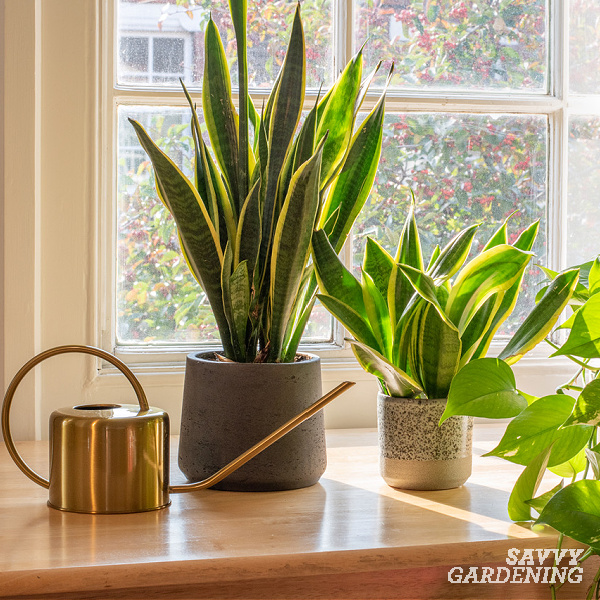
Have you ever wondered why your indoor plants aren’t thriving as they should? You might be missing a crucial element: the right watering technique.
Mastering how to water your indoor garden can mean the difference between lush, vibrant greenery and a collection of wilted leaves. Imagine walking into a room where your plants not only survive but truly thrive, enhancing your space with their freshness and beauty.
This guide will reveal the secrets of watering your indoor plants effectively, ensuring they receive just the right amount of hydration. Ready to transform your indoor garden into a flourishing oasis? Let’s dive into the essentials that will elevate your plant care game.
Credit: www.yates.com.au
Choosing The Right Water
Choosing the right water for your indoor garden can make a world of difference in the health and growth of your plants. Water is not just a means of hydration; it carries minerals and nutrients that can either benefit or harm your plants. Understanding the type of water you use is crucial for cultivating a thriving indoor garden. Let’s dive into some key considerations.
Tap Vs. Distilled Water
Tap water is the most accessible choice, but it often contains chemicals like chlorine and fluoride. These can accumulate in the soil and potentially harm sensitive plants. However, tap water can be perfectly fine for hardy plants if you let it sit for a day to allow chemicals to evaporate. You might have noticed your grandmother leaving water out for her ferns—this is why!
Distilled water, on the other hand, is free from minerals and chemicals. This purity ensures that nothing unwanted is absorbed by your plants. It’s an excellent choice for plants that are sensitive to minerals or have specific nutrient needs. Yet, keep in mind that distilled water lacks beneficial minerals, so you might need to supplement nutrients.
Temperature Considerations
The temperature of the water you use can also impact plant health. Cold water can shock the roots, especially for tropical plants that thrive in warmer conditions. Have you ever felt the jolt of stepping into a cold shower unexpectedly? Your plants feel that too!
Room temperature water is generally the safest bet. It mimics the natural conditions plants experience in their native habitats. If you’re unsure, simply let tap water sit out for a few hours to reach ambient temperature before watering your plants.
Choosing the right water involves understanding your plants’ needs and the environment you’re creating for them. Are you providing the ideal conditions for growth?

Credit: www.facebook.com
Understanding Plant Needs
Watering indoor gardens requires understanding each plant’s needs. Different plants need different amounts of water. Check the soil moisture regularly to avoid overwatering.
Understanding the unique needs of your indoor plants is crucial for maintaining a thriving indoor garden. Each plant species has different water requirements, and understanding these needs helps prevent the common pitfalls of overwatering and underwatering. By paying attention to what your plants are telling you, you can create an optimal watering schedule that keeps your greenery lush and healthy.Identifying Water Requirements
Different plants have varied water needs, and factors like plant size, pot size, and environmental conditions play a role. For instance, succulents require far less water compared to tropical plants. You can research specific needs by looking up your plant types or consulting a knowledgeable nursery staff member. A simple way to gauge water requirements is the finger test. Stick your finger about an inch into the soil. If it feels dry, it’s time to water. If it’s moist, hold off for a few days.Signs Of Overwatering And Underwatering
Recognizing the signs of overwatering and underwatering can save your plants from distress. Overwatered plants often show yellowing leaves, wilting, and root rot. Your plant may seem thirsty, but the soil could still be soggy beneath the surface. On the other hand, underwatered plants will have dry, crispy leaves and stunted growth. The soil may pull away from the sides of the pot, indicating it’s too dry. Have you ever noticed how a plant perks up after a good drink? That’s a clear indicator it was thirsty. Monitoring these signs will help you adjust your watering habits effectively. Remember, a consistent watering schedule tailored to your plant’s needs is more effective than a one-size-fits-all approach.Optimal Watering Techniques
Keeping your indoor garden flourishing requires knowing how to water effectively. Different plants have unique needs, so understanding optimal techniques is crucial. This ensures healthy growth and prevents overwatering. Let’s explore two popular methods: Bottom Watering and Top Watering.
Bottom Watering Method
Bottom watering nourishes roots directly. It involves placing pots in a shallow tray filled with water. The soil absorbs moisture through drainage holes. This method prevents water from sitting on leaves, reducing the risk of fungal issues.
Use distilled water for better results. It contains fewer impurities. This method is ideal for plants sensitive to leaf rot. Make sure the pot has enough drainage holes. This ensures efficient water absorption.
Top Watering Method
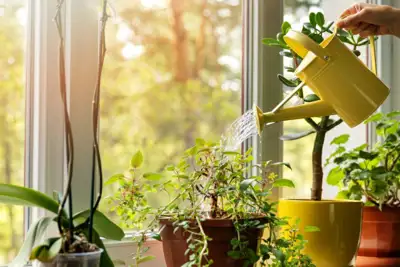
Top watering delivers moisture from above. Pour water gently over soil, focusing near the stem. Ensure water reaches the roots. Avoid splashing on leaves to prevent mold. Use a watering can with a narrow spout. This helps control flow.
Check soil moisture before watering. Stick your finger an inch into the soil. If dry, it’s time to water. Adjust based on plant type and season. Some need more water during active growth periods.
Frequency Of Watering
Understanding the frequency of watering is key to a thriving indoor garden. Over-watering or under-watering can harm your plants. Finding the right balance is crucial for healthy growth. Let’s explore how often you should water your indoor plants.
Factors Affecting Watering Schedule
Several factors influence your watering routine. Plant type is a primary consideration. Some plants need more water, while others prefer less. The size of the pot also matters. Smaller pots dry out faster than larger ones. Humidity levels in your home can affect water needs too. Low humidity means more frequent watering. Soil type plays a role as well. Fast-draining soil needs more water compared to dense soil.
Seasonal Adjustments
Watering needs change with the seasons. In summer, plants may require more water. The heat causes faster evaporation. In winter, water less often. Plants grow slower and need less moisture. Adjust your schedule as the seasons shift. Observe your plants and adapt as needed. Seasonal changes in light can also affect water requirements.
Tools For Efficient Watering
Efficient watering tools simplify the task of nurturing indoor gardens. Self-watering pots and drip systems ensure plants receive the right amount of moisture. These tools help maintain healthy growth while reducing water waste.
Efficient watering tools can make a world of difference in maintaining your indoor garden. The right tools not only simplify the task but also ensure your plants receive optimal moisture levels. Whether you are a seasoned gardener or a beginner, having the right equipment at your disposal can significantly enhance your gardening experience. Let’s dive into two essential tools that can transform how you water your indoor plants.Using Watering Cans
Watering cans are a staple in any gardener’s arsenal. They offer precise control over the amount of water you deliver to each plant. Opt for cans with a narrow spout for smaller pots, ensuring you don’t drown delicate roots. A personal tip: choose a lightweight model for ease of use. Consider the material as well—plastic cans might be lighter, but metal ones offer durability. How do you prefer your watering can? Some gardeners swear by the nostalgic charm of vintage metal cans, while others appreciate the modern design of ergonomic plastic models.Self-watering Systems
Self-watering systems can be a game-changer for busy plant enthusiasts. These systems automatically provide water to your plants, reducing the risk of over or under-watering. They are particularly useful for forgetful gardeners or those who frequently travel. Imagine the peace of mind knowing your plants are cared for even when you’re away. These systems typically include a reservoir that holds water and a wicking mechanism that gradually delivers moisture to the soil. Have you tried setting one up? If not, it might be worth exploring to see how it could fit into your routine.Improving Soil Drainage
Improve soil drainage by adding sand or perlite to your potting mix. This helps water flow through the soil. Ensure pots have drainage holes to prevent water from stagnating and harming plant roots.
Improving soil drainage in your indoor garden is crucial for healthy plant growth. Without proper drainage, water can stagnate, leading to root rot and other issues. Let’s dive into some practical steps to enhance your indoor garden’s soil drainage.Choosing The Right Potting Mix
Selecting the right potting mix is your first step toward improving drainage. Look for a mix that includes elements like perlite or vermiculite. These materials help create air spaces, allowing excess water to escape easily. Avoid using garden soil for your indoor plants. It’s too dense and retains water, which can suffocate the roots. Instead, opt for a commercial potting mix specifically designed for indoor plants.Enhancing Soil Aeration
Improving soil aeration is another critical aspect of drainage. You can enhance aeration by adding organic matter like coconut coir or peat moss to your potting mix. These materials help maintain a light and fluffy texture, preventing soil compaction. Consider using a fork or stick to gently poke holes in the soil around your plants. This simple action can increase airflow and improve water drainage. What about the pots themselves? Ensure they have drainage holes at the bottom. Without these, even the best potting mix can’t prevent waterlogging. By making these small changes, you can transform the health of your indoor garden. What adjustments will you make today?Monitoring Humidity Levels
Monitoring humidity levels is crucial for a thriving indoor garden. Plants have unique needs, and humidity plays a big role. Ensuring the right moisture level helps plants absorb nutrients effectively. This section explores why humidity matters and how to manage it.
Importance Of Humidity
Humidity affects plant health in many ways. It influences photosynthesis, growth, and overall plant wellness. Low humidity can cause plants to dry out, leading to wilting leaves. High humidity may lead to mold or fungal diseases. Balancing humidity ensures plants stay healthy and vibrant.
Using Humidifiers And Pebble Trays
Humidifiers add moisture to the air, ideal for dry environments. They are easy to use and maintain. Choose a humidifier suitable for your space size. Pebble trays are another simple solution. Fill a shallow tray with pebbles and water. Place the plant pot on top, avoiding direct water contact.
These methods help maintain the right humidity level. Your plants will thank you with lush growth.
Common Mistakes To Avoid
Watering an indoor garden can seem simple. Yet, many gardeners make mistakes. These errors can harm plants and affect their growth. Understanding common mistakes helps you care for your garden better.
Ignoring Plant Specific Needs
Each plant has unique water needs. Some thrive in dry soil. Others prefer it moist. Ignoring these differences can lead to over or under-watering. Research your plants. Know their specific needs. This ensures they stay healthy and vibrant.
Neglecting Water Quality
Water quality matters for indoor gardens. Tap water contains chemicals like chlorine. These can harm sensitive plants over time. Use filtered or rainwater if possible. This provides a cleaner, healthier option for your plants.

Credit: comfynesting.com
Frequently Asked Questions
How Often Should I Water My Indoor Garden?
Watering frequency depends on plant type and indoor environment. Generally, water when the soil feels dry. Most indoor plants need watering once a week. However, factors like humidity, temperature, and plant size can affect this. Always check the soil moisture before watering to avoid overwatering.
What’s The Best Time To Water Indoor Plants?
The best time to water indoor plants is in the morning. This allows the plants to absorb water efficiently before the day heats up. Watering in the morning also helps prevent fungal diseases. If you can’t water in the morning, early evening is the next best option.
How Do I Know If My Indoor Plants Need Water?
Check the soil’s moisture level by inserting your finger about an inch deep. If it feels dry, it’s time to water. Wilting leaves can also indicate a need for water. However, ensure the wilting isn’t due to overwatering or other issues like pests.
Can I Use Tap Water For Indoor Plants?
Yes, most indoor plants can tolerate tap water. However, let it sit for 24 hours to allow chlorine to evaporate. This prevents potential damage to sensitive plants. Alternatively, use filtered or rainwater for more delicate plants to ensure their health and growth.
Conclusion
Caring for your indoor garden is rewarding. Proper watering keeps plants healthy. Remember, each plant has unique needs. Check soil moisture before watering. Avoid overwatering to prevent root rot. Use a watering can for better control. Adjust watering frequency based on seasons.
Indoor gardens need consistent care. With practice, you’ll understand your plants better. Healthy plants bring joy and beauty to your space. Keep learning and experimenting. Your indoor garden will flourish. Happy gardening!







