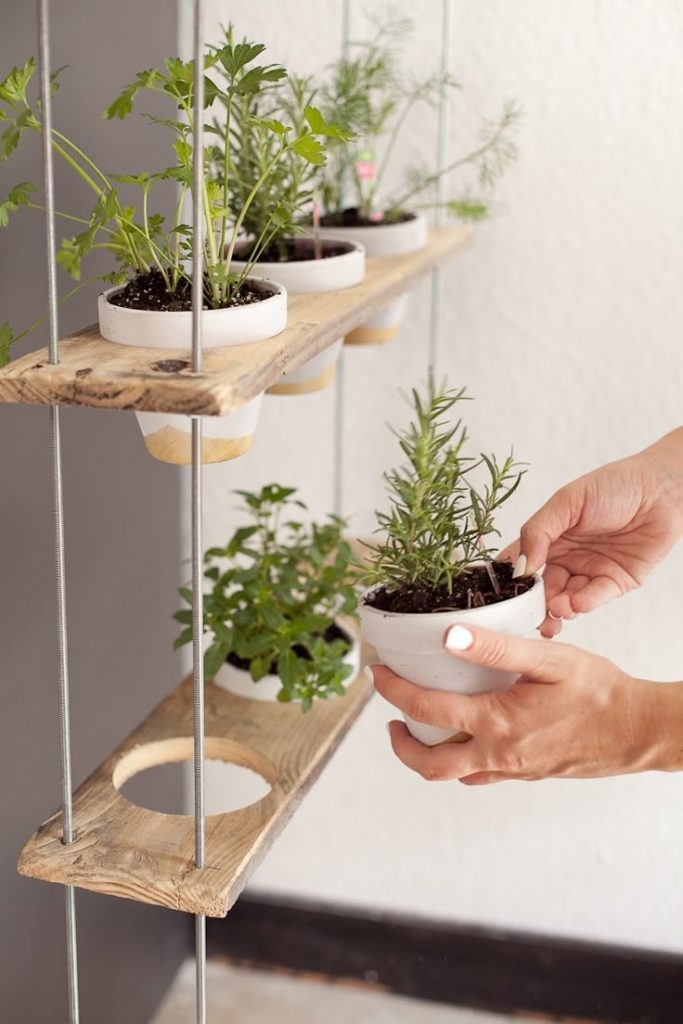
Imagine having a fresh supply of your favorite herbs right at your fingertips, all from the comfort of your own home. That’s what a hanging indoor herb garden can offer you.
Not only does it save space, but it also adds a touch of green to your living area, making it more vibrant and refreshing. Picture yourself plucking fresh basil for your pasta or mint for your tea without stepping outside.
Sounds delightful, right? Creating your own hanging herb garden is easier than you might think, and it can transform your cooking and living space in a snap. In this guide, you’ll discover step-by-step how to craft your own indoor oasis. Whether you’re a seasoned gardener or a complete beginner, you’ll find tips and tricks to ensure your herbs thrive. Stay with us, and by the end, you’ll be ready to enjoy the benefits of fresh, homegrown herbs any time you want.
Choosing The Right Herbs
Creating a hanging indoor herb garden is a delightful way to bring fresh flavors into your kitchen while adding greenery to your home. A crucial aspect of a thriving herb garden is choosing the right herbs. By selecting herbs that suit your space and culinary preferences, you can ensure a vibrant and productive garden. Let’s dive into the best herbs for indoors and those with hanging potential to help you make informed choices.
Best Herbs For Indoors
When selecting herbs for your indoor garden, consider those that thrive in indoor conditions and require minimal maintenance. Basil is a popular choice due to its versatility and ease of growth. It loves sunlight, so place it in a sunny spot.
Mint is another excellent indoor herb. Its refreshing aroma can uplift any room, and it’s perfect for teas and desserts. Keep it in a pot to prevent it from becoming invasive.
Chives are great for adding a subtle onion flavor to dishes. They adapt well to indoor settings and grow quickly. Their bright green shoots can brighten up your space.
Herbs With Hanging Potential
Some herbs naturally lend themselves to hanging gardens due to their growth habits. Thyme, with its trailing stems, can cascade beautifully over the edges of a hanging planter. It adds a touch of elegance and is fantastic for seasoning.
Oregano is another herb that thrives in hanging arrangements. Its sprawling nature makes it ideal for creating a lush, green display. Perfect for Italian dishes, oregano is a must-have.
Consider rosemary if you’re looking for an aromatic addition. Its sturdy stems and fragrant leaves make it a lovely choice for hanging baskets. Plus, it can be a conversation starter with guests.
What herbs will you choose to cultivate a unique indoor oasis? Consider your culinary needs and aesthetic preferences, and let your creativity flourish.
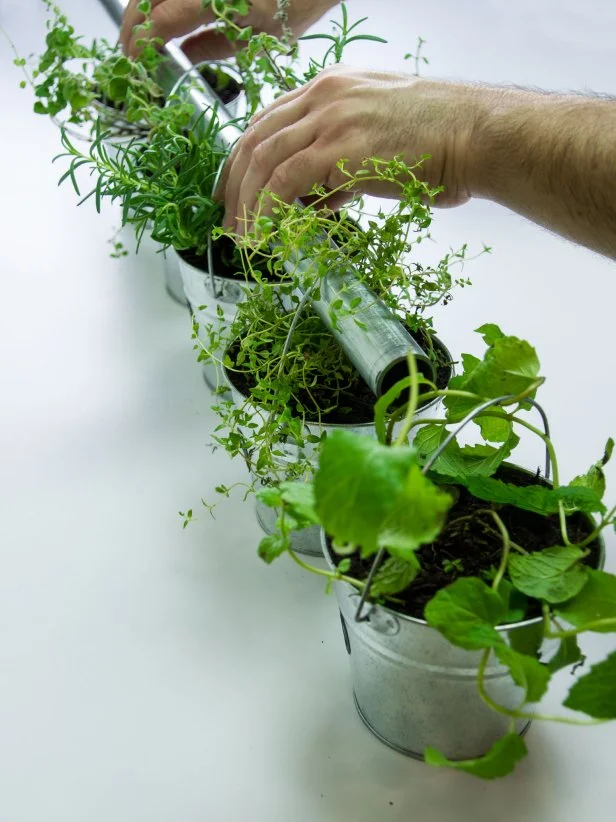
Credit: www.hgtv.com
Selecting Containers
Choose lightweight containers for your hanging indoor herb garden. Opt for materials like plastic or fabric to avoid excess weight. Ensure each container has drainage holes for healthy herb growth.
Selecting the right containers is key for a successful indoor herb garden. Containers impact plant growth and maintenance ease. They should match your space, style, and herb needs.Types Of Containers
Choose containers that suit your space and decor. Common options include:- Clay Pots:These are classic and affordable. They allow air circulation, which benefits roots.
- Ceramic Planters:These add elegance to your space. They come in various colors and designs.
- Plastic Pots:Lightweight and cost-effective. They retain moisture well.
- Metal Containers:Stylish and durable. Ensure they have a protective coating to avoid rust.
- Hanging Baskets:Ideal for limited space. They offer a unique visual appeal.
Drainage Considerations
Proper drainage prevents root rot. Ensure containers have drainage holes. This allows excess water to escape. Use saucers to catch drained water. This keeps your surfaces clean. Consider adding small stones at the bottom. They help with water flow and prevent waterlogging.Mounting Options
Creating a hanging indoor herb garden can add a touch of greenery to your home while keeping fresh herbs within reach. One of the most crucial decisions you’ll make is how to mount your garden. The right mounting option not only enhances the aesthetics of your space but also ensures your plants get the care they need. Let’s explore some effective mounting options.
Wall-mounted Systems
Wall-mounted systems are ideal for maximizing space. They make use of vertical surfaces, perfect for small apartments or homes. Consider using wall planters or shelves specifically designed for plants. These systems are easy to install and can hold multiple pots.
When using wall-mounted systems, ensure they are placed near natural light sources. This positioning helps your herbs thrive. You might find it useful to rotate the pots occasionally to distribute sunlight evenly.
Have you ever thought about how a vibrant green wall could transform your cooking space? It’s not just about aesthetics; it’s about practical elegance. Plus, you’ll find it satisfying to pick fresh herbs right from your kitchen wall.
Ceiling Hanging Techniques
Ceiling hanging techniques offer a unique approach to displaying your herb garden. This option is perfect if you have high ceilings or want to create a dramatic visual effect. Using hooks and sturdy hanging baskets, you can suspend your herbs at varying heights.
Ensure your ceiling can support the weight of your plants. When installing, use anchors and hooks designed for ceiling mounts. This setup requires proper planning but rewards you with a stunning aerial display.
Imagine the delight of having herbs gracefully hanging above you as you cook. It’s not just a garden; it’s a conversation starter. Your guests might even ask for tips on creating their own hanging gardens!
Creating A Support Structure
Creating a support structure for your hanging indoor herb garden is a crucial step that ensures your plants have the stability they need to thrive. It might seem daunting at first, but with the right materials and a clear plan, it’s totally achievable. Imagine walking into your kitchen and being greeted by a lush green garden hanging gracefully—it’s not just functional, it’s beautiful.
Materials Needed
- Sturdy wooden dowels or metal rods
- Strong rope or chains
- S-hooks or eye hooks
- Screws and wall anchors
- Drill
- Measuring tape
- Level tool
Gather your materials beforehand to avoid interruptions. Using sturdy materials like wooden dowels or metal rods will ensure your herb garden’s longevity. Choose ropes or chains that can bear the weight of your planters, and have hooks ready for easy hanging.
Step-by-step Construction
- Measure and Mark:Measure the space where you want your garden to hang. Mark the spots where the support structure will be installed using a level tool for accuracy.
- Install Hooks:Drill holes for screws and attach the hooks to the marked spots on the wall or ceiling. Ensure they are secure to hold the weight of your garden.
- Attach Support Rods:Thread the rods through the chains or rope, ensuring they are balanced. Secure the ends of the rope to the hooks.
- Hang Your Planters:Use S-hooks to hang your herb planters from the rods. Arrange them to get optimum sunlight and easy access for watering.
Constructing your support structure is like building the foundation for a house; it needs to be strong and reliable. As you follow these steps, think about how your choices will affect the growth of your herbs. Are they getting enough light? Is the structure stable enough? These considerations will help you create a flourishing herb garden.
Imagine the satisfaction of crafting your own herb garden support—it’s empowering! You’ll not only save space but also add a splash of green to your home. Ready to transform your living space into a garden oasis?
Planting The Herbs
Create a vibrant indoor herb garden by hanging planters. Choose herbs like basil, mint, and thyme. Hang them near windows for sunlight. Keep soil moist and enjoy fresh herbs year-round.
Planting the herbs in your hanging indoor garden is an exciting step that brings you closer to fresh, flavorful dishes right from your kitchen. Imagine reaching out for a sprig of basil or a handful of mint without stepping outside. This part of the process is all about setting the stage for your herbs to thrive and flourish.Soil Preparation
Preparing the soil is crucial for healthy herb growth. Start with a good quality potting mix that is well-draining. You can enhance this by adding a bit of perlite or coarse sand to prevent waterlogging. Ensure your soil has enough nutrients. A slow-release fertilizer can be added to provide consistent nourishment. Remember, herbs like basil and parsley love a slightly moist environment, so balance is key.Planting Techniques
When planting your herbs, consider their space needs. Some herbs like rosemary can become quite bushy, while chives are more compact. Leave enough space between each plant to allow proper air circulation. Gently remove the herbs from their nursery pots, taking care not to disturb the roots too much. Place them in your prepared soil and press down gently to secure them. Water your newly planted herbs lightly. Ensure the water reaches the roots but avoid making the soil too soggy. Have you ever noticed how plants seem to perk up after a gentle watering? It’s a sign they’re happy and settling in. By following these straightforward steps, you’re on your way to a lush, aromatic indoor herb garden. Imagine the satisfaction of cooking with herbs you’ve nurtured from the start.Care And Maintenance
Regularly check soil moisture to keep herbs thriving. Trim plants for growth and prevent overcrowding. Ensure enough sunlight by placing near windows.
Creating a hanging indoor herb garden is a delightful project. Once set up, it brings fresh flavors to your kitchen. To keep your herbs thriving, proper care is essential. This section will guide you through watering, pruning, and harvesting to ensure your herbs flourish.Watering Tips
Watering is crucial for healthy herbs. Each herb has different needs. Check the soil moisture regularly. Use your finger to test the top inch of soil. If dry, it’s time to water. Ensure your containers have drainage holes. Overwatering can lead to root rot. Water early in the day for best results. This allows leaves to dry by evening.Pruning And Harvesting
Pruning helps herbs grow bushier. It also keeps them healthy. Regularly trim the top leaves. This encourages new growth. Use sharp scissors for clean cuts. Remove any dead or yellowing leaves. Harvest herbs when they are mature. Pick them in the morning for best flavor. This is when essential oils are strongest. Remember to leave enough foliage for regrowth.Decorative Ideas
Transform your kitchen space with a hanging indoor herb garden. Use simple materials like mason jars and twine. Hang them near a window for sunlight, ensuring fresh herbs are always within reach.
Decorative ideas for a hanging indoor herb garden can transform your space. They add charm and freshness to any room. Creative touches make your garden both functional and beautiful. Here are some decorative ideas to enhance your indoor herb garden.Aesthetic Enhancements
Choose pots that match your home decor. Ceramic pots come in many colors and designs. They offer a classic look. For a rustic touch, try wooden containers. Metal buckets can add a modern vibe. Use macramé plant hangers for a bohemian feel. They create a textured look and save space. Arrange herbs at varying heights. This adds depth and interest to your display.Incorporating Lighting
Proper lighting keeps herbs healthy and vibrant. Use LED grow lights for optimal growth. They are energy-efficient and versatile. Hang lights above your herbs for uniform illumination. Choose lights with adjustable heights. This helps cater to different plant needs. String fairy lights around your garden for a cozy glow. They add a magical touch and highlight your plants. Light placement can enhance both function and style.
Credit: www.actuallyalli.com
Troubleshooting Common Issues
A hanging indoor herb garden can face issues like poor drainage or inadequate light. Ensure pots have drainage holes and position them near bright windows for optimal growth. Regularly check soil moisture and adjust watering to prevent root rot and promote healthy herbs.
Creating a hanging indoor herb garden can be delightful. But it comes with challenges. Addressing these issues ensures your herbs thrive. Let’s explore common problems and their solutions.Pest Management
Indoor gardens face pest issues. Aphids, spider mites, and whiteflies are common. Regularly inspect your plants. Check leaves and stems for signs. Use neem oil as a natural remedy. Spray it on affected areas. Ensure good air circulation. It helps in keeping pests away. Introduce beneficial insects like ladybugs. They control pests naturally.Dealing With Overgrowth
Herbs can grow quickly indoors. Pruning helps maintain size and shape. Use clean scissors for trimming. Cut above leaf nodes for best results. Regular pruning encourages new growth. Harvest often to keep plants manageable. Ensure pots have enough space. Transplant to larger pots if needed. Proper spacing prevents overcrowding. It also promotes healthy growth.
Credit: www.monstera-app.com
Frequently Asked Questions
What Herbs Are Best For Indoor Gardens?
Basil, mint, parsley, and thyme thrive indoors. They’re easy to grow and maintain. These herbs require minimal sunlight and space. Perfect for small, indoor environments. They enhance your cooking with fresh flavors. Consider starting with these herbs for your indoor garden.
How Much Sunlight Do Indoor Herbs Need?
Most herbs need 4-6 hours of sunlight daily. Place your garden near a sunny window. If natural light is limited, consider using grow lights. They provide the necessary light spectrum for herbs. Ensure your herbs get enough light for optimal growth and flavor.
Can I Grow Herbs In Small Apartments?
Yes, you can grow herbs in small spaces. Hanging gardens save space and are visually appealing. Use vertical planters or hanging pots. Choose compact herbs like basil or thyme. They require minimal room and maintenance. Enjoy fresh herbs even in tight living quarters.
How Do I Water My Indoor Herb Garden?
Water your herbs when the soil feels dry. Avoid overwatering, which can lead to root rot. Ensure pots have drainage holes for excess water. Use a spray bottle for even moisture distribution. Monitor humidity levels to prevent drying out. Proper watering keeps your herbs healthy and thriving.
Conclusion
Creating a hanging indoor herb garden is simple and rewarding. Fresh herbs enhance meals and brighten any space. Small apartment or large home? No problem! You can adapt the design to fit your needs. Enjoy watching your plants grow. Imagine the aroma of basil or mint in your kitchen.
It’s fulfilling to nurture and use herbs from your garden. This project invites nature into your home. So, gather your materials and start today. Embrace the joy of gardening indoors. Your herb garden awaits.







