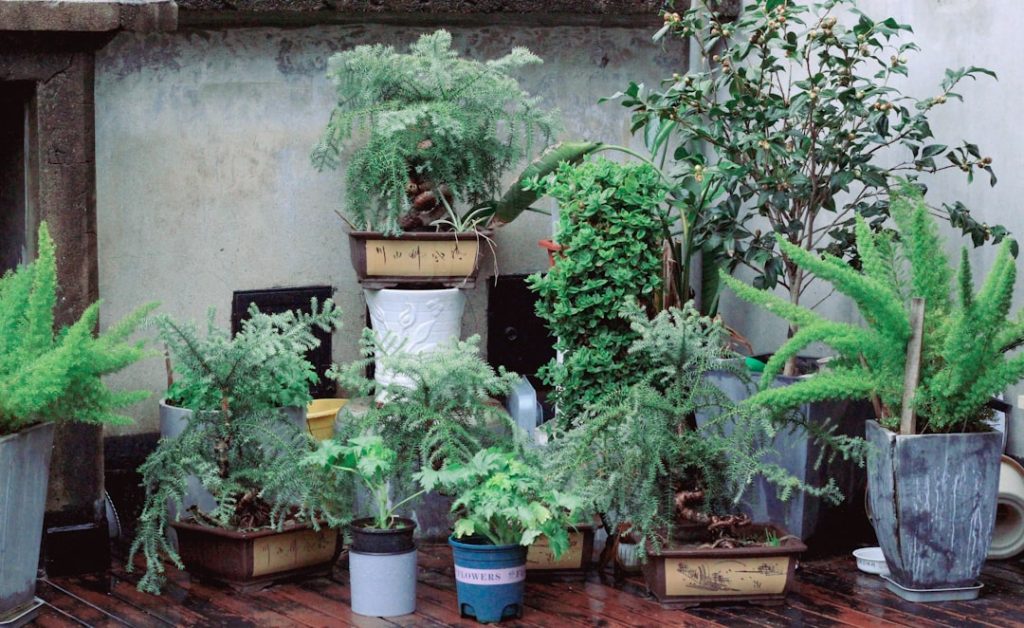
Imagine stepping into your kitchen and being greeted by the vibrant scent of fresh basil, mint, or rosemary. Growing your own indoor kitchen herb garden not only fills your home with delightful aromas but also transforms your cooking experience.
You might think it’s a daunting task, especially if you’re new to gardening. But what if I told you that with just a few simple steps, you could enjoy a lush, thriving herb garden right on your windowsill? The secret lies in understanding what your herbs need and how you can provide it.
Dive into this guide, and discover how nurturing your own green paradise can be easier and more rewarding than you ever imagined. You’re about to unlock the secrets to growing fresh, flavorful herbs that not only spice up your meals but also bring a touch of nature into your home. Ready to get started? Let’s dig in!
Choosing Herbs
Choosing the right herbs for your indoor kitchen garden is a delightful task that sets the foundation for a thriving green space. Selecting herbs is more than just picking your favorites; it’s about understanding their needs and how they fit into your lifestyle. Imagine the aroma of fresh basil wafting through your kitchen, or the zing of mint leaves in your homemade lemonade. To make these dreams a reality, let’s delve into some key aspects of choosing herbs.
Popular Herb Options
Some herbs are universally loved for their versatility and ease of growth indoors. Consider basil, which is perfect for enhancing pasta and salad dishes. Mint is another excellent option, known for its refreshing flavor that pairs beautifully with beverages. If you love cooking aromatic dishes, rosemary might be your go-to. It thrives in containers and brings a wonderful aroma to your kitchen. Are you ready to add these green gems to your culinary routine?
Climate Considerations
Your home’s climate plays a crucial role in how well your herbs will grow. Indoor conditions vary greatly, so it’s important to choose herbs that match your environment. If your kitchen is sunny, Mediterranean herbs like thyme and oregano will flourish. However, if your space is more shaded, opt for herbs like cilantro and parsley. You can even create microclimates using windowsills and grow lights to suit different herb needs. What unique climate conditions does your kitchen offer?
Selecting Containers
Select containers with good drainage for your indoor herb garden. Small pots work well for compact spaces. Choose clay or ceramic materials to maintain soil moisture.
Growing an indoor kitchen herb garden is a rewarding venture. Selecting the right containers is crucial for healthy herb growth. Containers influence how well your herbs grow and thrive. They need to support plant health and fit your kitchen’s style.Types Of Pots
Choosing the right pot can make a difference. Clay pots are popular for their rustic look. They are porous, allowing air and moisture to reach roots. Plastic pots are lightweight and affordable. They retain moisture longer, which is good for herbs needing consistent watering. Metal pots add a modern touch but may heat up in the sun. Ensure they have a liner to prevent soil from drying. Wooden containers provide a natural look and insulation. They are heavier and may need treatment to prevent rot.Drainage Solutions
Proper drainage is essential for herb health. Without it, roots can rot. Ensure your containers have drainage holes at the bottom. This prevents water from pooling and drowning the roots. Use a saucer under each pot to catch excess water. This keeps your counters clean and dry. You can also add a layer of gravel at the pot’s base. This helps water flow freely and prevents soil blockage. Consider self-watering pots for consistent moisture without overwatering. They have a reservoir that supplies water as needed.Optimal Soil Mix
Selecting the right soil mix ensures herbs thrive indoors. Combine potting soil with perlite and compost for optimal drainage and nutrients. This balanced blend supports healthy root growth, promoting lush, aromatic herbs in your kitchen garden.
Creating an indoor kitchen herb garden begins with selecting the optimal soil mix. A well-balanced mix provides the foundation for healthy plant growth. Herbs require specific nutrients and drainage to thrive in indoor conditions. Understanding soil composition helps you ensure your herbs get the best start.Nutrient-rich Options
A nutrient-rich soil mix supports vigorous herb growth. Consider a blend that includes:- Compost for essential nutrients
- Perlite to improve drainage
- Vermiculite for moisture retention
Organic Vs. Non-organic
Choosing between organic and non-organic soil affects the herb garden’s overall health. Organic soil contains natural ingredients, promoting sustainable growth. It usually includes:- Peat moss
- Natural fertilizers
- Earthworm castings
Positioning For Light
Place herbs near a sunny window for optimal growth. Ensure they receive at least six hours of light daily. Rotate pots regularly for even sunlight exposure.
Positioning your indoor kitchen herb garden for optimal light is crucial for healthy growth. Herbs need light to thrive, and understanding how to position them can make all the difference. Whether you’re relying on natural sunlight or supplementing with artificial light, each approach has its own set of considerations.Natural Light Sources
Taking advantage of natural light is often the simplest solution. Place your herb garden near a south-facing window if possible. This location usually provides the most consistent sunlight throughout the day. If you have an east or west-facing window, your herbs can still thrive. Just be mindful that the light will be more intense at certain times. Rotate your pots regularly to ensure even growth. You might be wondering if herbs can grow in low-light conditions. While some herbs like mint and parsley can adapt, giving them the best light available will always yield better results.Supplementing With Artificial Light
What if your kitchen lacks natural light? Don’t worry. You can use artificial lights to mimic sunlight. LED grow lights are a great option—they’re energy-efficient and effective. Place the grow lights about 6-12 inches above your herbs, ensuring they cover all the plants. Keep the lights on for about 12-16 hours a day, mimicking a natural day-night cycle. Consider using a timer to automate this process. This way, you won’t have to remember to switch the lights on and off. Have you tried using artificial light for your herbs? It might surprise you how well they can flourish with a little extra help.Watering Techniques
Ensure each herb gets enough water without drowning them. Use a spray bottle for even moisture distribution.
Watering your indoor kitchen herb garden is an art that requires a delicate balance. Too much or too little water can mean the difference between lush, fragrant herbs and a droopy, lifeless bunch. By mastering the right watering techniques, you’ll ensure your herbs thrive, providing fresh flavors for your culinary creations.Frequency Of Watering
Understanding how often to water your herbs is crucial. It’s not a one-size-fits-all approach, as different herbs have varying needs. Mint, for instance, loves moisture and may require more frequent watering compared to rosemary, which prefers drier conditions. A good rule of thumb is to check the soil moisture by sticking your finger about an inch deep into the soil. If it feels dry, it’s time to water. Remember, environmental factors like humidity and temperature can also affect your watering schedule.Signs Of Overwatering
Overwatering is a common mistake that can spell disaster for your herbs. It often leads to root rot and other fungal diseases. Look out for yellowing leaves, which can be a sign of too much water. Another telltale sign is if the leaves begin to droop despite the soil being wet. This can indicate that the roots are suffocating from too much moisture. If you notice a musty smell or the appearance of mold on the soil surface, it’s time to reassess your watering habits. Adjusting your watering frequency and ensuring proper drainage can help your herbs recover and flourish. By paying attention to these watering techniques, you can cultivate a thriving indoor herb garden that enhances every dish you prepare. Have you ever noticed your herbs reacting to different watering practices? Share your experiences in the comments below!
Credit: food52.com
Maintaining Humidity
Proper humidity is crucial for an indoor herb garden. Use a humidifier or pebble tray to keep the air moist. Regular misting helps maintain the right balance for healthy plant growth.
Maintaining the right humidity level is crucial for a thriving indoor herb garden. Herbs need moisture to grow well. Dry air can cause wilting and stunted growth. To keep your herbs healthy, you must focus on maintaining humidity. There are several effective ways to do this. Let’s explore them further.Using Humidifiers
Humidifiers are a great tool for indoor gardens. They add moisture to the air, creating a favorable environment for herbs. Choose a humidifier suitable for your space. Small rooms need a compact unit. Larger spaces might require a more powerful device. Run the humidifier during dry seasons. This ensures your herbs get enough moisture. Keep an eye on humidity levels. Too much moisture can lead to mold. Balance is key.Diy Humidity Solutions
Simple DIY solutions can also help maintain humidity. Try placing a tray of water near your plants. As the water evaporates, it adds moisture to the air. Misting your herbs with water is another option. Use a spray bottle to gently mist the leaves. Do this regularly for best results. Grouping plants together can also increase humidity. Plants release moisture, benefiting each other. These methods are easy and cost-effective. They can improve the health of your indoor garden.Pruning And Harvesting
Pruning keeps herbs healthy, encouraging new growth and preventing overcrowding. Harvest when leaves are vibrant and aromatic.
Growing an indoor kitchen herb garden is a rewarding endeavor, but it requires some regular maintenance to keep your herbs thriving. Pruning and harvesting are crucial practices that ensure your plants remain healthy and productive. Knowing when and how to prune and harvest can make all the difference in achieving a lush, aromatic indoor garden that you’ll love cooking with.Timing For Pruning
Pruning isn’t just about aesthetics; it’s about promoting growth. Regularly trim your herbs to prevent them from becoming leggy and to encourage bushier growth. A good rule of thumb is to prune once your herb plants reach about six to eight inches tall. This height ensures that the plant is established enough to handle the stress of pruning. Keep an eye on your herbs and prune back about a third of the plant every few weeks. This practice will keep them from flowering too soon, which can alter their flavor.Harvesting Methods
Harvesting your herbs correctly ensures continuous growth and a fresh supply for your culinary needs. For herbs like basil and mint, pinch off the top set of leaves to encourage the plant to grow outward rather than upward. This technique not only promotes a fuller plant but also keeps the herb from flowering prematurely. When harvesting woody herbs like rosemary and thyme, use scissors to snip just above a leaf node. This encourages new growth from that point, keeping your plant robust and healthy. Remember, the more you harvest, the more your herbs will grow. Are you ready to savor the freshest flavors right from your windowsill?
Credit: comfynesting.com
Dealing With Pests
Prevent pests in your indoor herb garden by ensuring proper air circulation and avoiding overwatering. Use natural repellents like neem oil for safe pest control. Regularly check plants for signs of infestation to maintain a healthy garden.
Dealing with pests in your indoor herb garden can be challenging. These tiny invaders can disrupt growth and damage plants. But, with the right approach, you can manage them effectively. Knowing how to identify and control pests is essential for a thriving garden.Common Indoor Pests
Indoor herb gardens face many pest threats. Aphids, spider mites, and whiteflies are common culprits. Aphids are small, soft-bodied insects. They suck the sap from plants, weakening them. Spider mites are tiny, often found on the underside of leaves. They spin webs and cause leaves to yellow. Whiteflies are small, white insects. They swarm when plants are disturbed. All these pests can affect plant health and growth.Natural Pest Control
Using natural methods keeps your garden chemical-free. Introduce beneficial insects like ladybugs. They eat aphids and other pests. Keep your plants healthy to resist pests. Regularly check leaves for signs of trouble. Use neem oil as a natural pesticide. It’s safe for plants and effective against many pests. You can also make a garlic spray. Blend garlic cloves with water and spray on leaves. It repels pests without harming plants.Seasonal Care
Growing an indoor kitchen herb garden is a delightful way to enjoy fresh flavors year-round. However, to ensure your herbs thrive, they need different care during different seasons. Understanding the nuances of seasonal care can mean the difference between flourishing plants and lackluster growth. Let’s dive into how you can adjust your care routine as the seasons change.
Adjusting For Winter
Winter poses unique challenges for your indoor herb garden. With shorter daylight hours, your herbs will crave light. Position your garden near a south-facing window to maximize natural sunlight.
If natural light is limited, consider investing in a grow light. It’s a simple solution that can make a huge difference in your plant’s health.
Also, be mindful of temperature. Herbs like basil are sensitive to cold drafts. Make sure they are kept in a warm spot away from chilly windows.
Summer Growing Tips
Summer is the season for robust growth. Your herbs will likely require more water due to increased temperatures. Check the soil moisture regularly and adjust your watering schedule accordingly.
With more sunlight, herbs can become leggy. Prune regularly to encourage bushier growth. This not only keeps your plants healthy but also provides you with more leaves for cooking.
Consider rotating your pots to ensure even sunlight exposure. This simple action can prevent your herbs from growing unevenly towards the light.
How do you make the most of your indoor herb garden throughout the year? Share your experiences or questions in the comments below!

Credit: www.botanicalblueprint.com
Benefits Of Indoor Herb Gardening
How to Grow an Indoor Kitchen Herb Garden Indoor herb gardening offers fresh flavors at your fingertips and adds a touch of greenery to your space. It’s a rewarding way to have a sustainable source of herbs all year round, enhancing both cooking and home decor.
Growing an indoor herb garden offers many benefits. It provides fresh herbs year-round and enhances your kitchen’s ambiance. This hobby brings joy and a sense of accomplishment. Plus, it saves money by reducing grocery bills. Let’s explore some specific advantages.Culinary Uses
Fresh herbs elevate homemade dishes. Basil, rosemary, and thyme enhance flavors significantly. These herbs add aroma and taste to your meals. They are perfect for garnishing soups and salads. Freshly picked herbs are more flavorful than store-bought ones. Growing them indoors ensures you have them on hand anytime.Health Benefits
Herbs are packed with nutrients. Mint aids digestion and relieves headaches. Basil contains antioxidants that support heart health. Rosemary boosts memory and concentration. Indoor gardening also reduces stress. Caring for plants promotes mental well-being. Fresh herbs contribute to a healthy diet, making meals nutritious.Frequently Asked Questions
How Do I Start An Indoor Herb Garden?
To start, choose a sunny spot with good lighting. Use well-draining soil and pots with drainage holes. Start with easy-to-grow herbs like basil, mint, or parsley. Water regularly but avoid over-watering. Ensure your herbs receive enough sunlight or supplement with grow lights if necessary.
What Are The Best Herbs To Grow Indoors?
Basil, mint, parsley, and chives are excellent choices for indoor herb gardens. They are low-maintenance and thrive in indoor environments. These herbs require minimal care and adapt well to indoor conditions. They add fresh flavors to your dishes and are perfect for beginners.
How Much Light Do Indoor Herbs Need?
Indoor herbs need at least 6-8 hours of sunlight daily. Place them near a sunny window or use grow lights to ensure they receive adequate light. Without sufficient light, herbs may grow weak and leggy. Adjust their light source as needed to promote healthy growth.
How Often Should I Water Indoor Herbs?
Water indoor herbs when the top inch of soil feels dry. Over-watering can lead to root rot, so ensure pots have drainage holes. Check the soil moisture regularly and adjust watering frequency based on the specific needs of each herb.
Conclusion
Growing an indoor kitchen herb garden is simple and rewarding. Fresh herbs enhance your meals and improve your cooking. Start small. Basil, mint, and parsley are easy choices. Use pots or containers with drainage. Place them in sunlight. Water regularly, but not too much.
Avoid overwatering. A little care goes a long way. Herbs will thrive in the right environment. Enjoy the freshness they bring to your home. Soon, you’ll have a flourishing garden at your fingertips. Experiment with new recipes. Let your culinary creativity bloom with your home-grown herbs!







