Have you ever found yourself struggling with dull garden tools that seem to sabotage your gardening efforts? You’re not alone.
Every gardener knows the frustration of trying to trim, prune, or dig with tools that just won’t cooperate. But what if I told you that there’s a simple solution that can bring your trusty tools back to life? The key lies in sharpening them correctly, and choosing the right file can make all the difference.
We’ll unveil the secrets of selecting the perfect file for sharpening your garden tools, so you can enjoy a more efficient, satisfying gardening experience. Get ready to transform your gardening routine and rediscover the joy of working with sharp, effective tools. Keep reading to find out how!
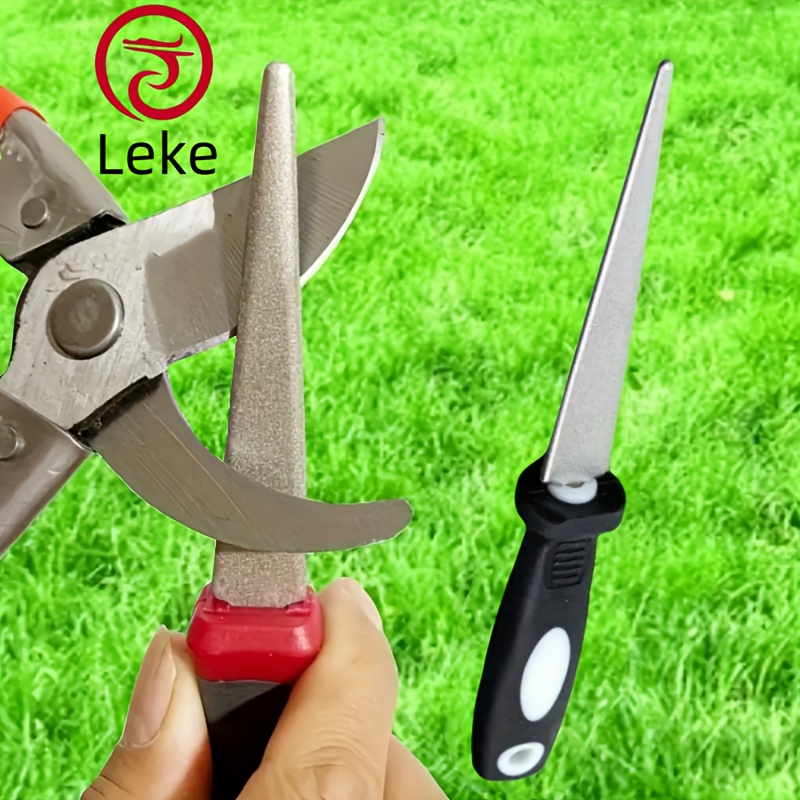
Credit: www.temu.com
Choosing The Right File
Sharpening your garden tools can significantly enhance their efficiency and longevity. But, the crucial first step is choosing the right file. The wrong choice can lead to frustration, wasted effort, and even damage to your tools. Understanding the types of files available and the factors to consider will help you make an informed decision.
Types Of Files For Garden Tools
When selecting a file, you’re faced with several options:
- Mill Files:Known for their versatility, mill files are perfect for sharpening straight blades and have a single-cut pattern.
- Flat Files:These are ideal for sharpening larger garden tools and offer a broader surface area.
- Round Files:Best suited for tools with serrated edges, round files can reach into grooves and corners effectively.
- Rasps:If you’re dealing with wooden handles that need smoothing, a rasp file might be your go-to option.
Factors To Consider
Choosing the right file isn’t just about the type—it’s about matching it to your specific needs:
- Tool Material:Consider the material of your tool. Steel blades require tougher files, while softer metals might need gentler options.
- Size of the Tool:Ensure the file size is suitable for the tool’s size. A larger file might be cumbersome for smaller tools.
- Ease of Use:Opt for files that are comfortable to hold and use. An ergonomic handle can make a world of difference.
- Frequency of Use:If you sharpen regularly, investing in a durable file will save you time and money in the long run.
Have you ever wondered why some files seem to work better than others? It often boils down to understanding these key factors and making a choice that aligns with your gardening routine.
Flat Files Vs. Round Files
Sharpening garden tools is essential for maintaining their efficiency. The right file type can make a big difference. Flat files and round files serve specific purposes. Understanding their uses will help you choose the right tool for the job.
Flat Files For Straight Edges
Flat files are ideal for straight edges. They have a rectangular shape. This design allows for even pressure across the tool’s edge. Use them on tools like hoes or spades. They help maintain a sharp, clean edge.
When using a flat file, ensure the tool is secure. Move the file in one direction along the edge. This motion ensures a consistent sharpening. Flat files come in various sizes. Choose one that matches the size of your tool.
Round Files For Curved Edges
Round files are perfect for curved edges. Their cylindrical shape fits curved surfaces well. They are great for sharpening tools like pruners or sickles. This file type helps maintain the tool’s original shape.
To use a round file, hold the tool steady. Move the file along the curve with gentle pressure. This approach sharpens without altering the tool’s shape. Round files vary in diameter. Select one that fits the curve of your tool.
Popular File Materials
Choosing the right file material is crucial for sharpening garden tools effectively. Carbon steel files work best for tough tools, offering durability and precision. For delicate sharpening needs, opt for diamond files which provide a finer finish and longer-lasting edge.
Sharpening your garden tools is essential to maintain their efficiency and extend their lifespan. The type of file you use can make a significant difference in the sharpening process. Popular file materials come in various types, each offering unique benefits for different sharpening needs. Let’s dive into some of the most common materials and see which might be the best fit for your tools.Steel Files
Steel files are a classic choice for sharpening and are widely used due to their durability and effectiveness. They are typically made from high-carbon steel, which provides a hard surface ideal for grinding down the metal of your garden tools. These files come in various shapes and sizes, such as flat, round, and half-round, offering versatility for different tool edges. When using a steel file, ensure you apply consistent pressure and maintain a steady angle to achieve the best results. Have you ever noticed how a dull file can make sharpening a chore? Regular cleaning and maintenance can keep your steel file in top condition, making the task easier and more efficient.Diamond Files
Diamond files are another excellent option, particularly when dealing with harder metals or precision work. They are coated with tiny diamond particles, making them incredibly abrasive and effective in removing material quickly. These files are particularly useful for sharpening smaller tools or intricate parts due to their ability to maintain a sharp edge longer than traditional steel files. While diamond files tend to be more expensive, their longevity and efficiency often justify the investment. Have you ever tried a diamond file and noticed how effortlessly it cuts through metal? This might be the upgrade your toolbox needs. Choosing the right file material can transform your tool maintenance routine. Whether you opt for the reliable steel file or the efficient diamond file, each offers unique benefits that cater to different sharpening tasks.File Grit And Coarseness
Choosing the right file grit and coarseness is essential for sharpening garden tools. The grit of a file determines its ability to remove material. Coarser files remove more material quickly, while finer files offer precision. Selecting the proper file ensures your tools perform effectively. This section explores the different file types and their uses.
Coarse Files For Heavy Duty
Coarse files are ideal for removing a lot of material fast. They have larger teeth, which make them perfect for dull or damaged tools. Use them for axes, shovels, and thick blades. A coarse file can reshape edges that have nicks or dents. Choose a file with a lower grit number for heavy-duty tasks. These files are robust and handle tough jobs well.
Fine Files For Precision
Fine files are used for delicate sharpening tasks. They have smaller, closely spaced teeth. This makes them suitable for honing and finishing edges. Use them on pruning shears and knives for a sharp, smooth finish. These files have a higher grit number. They are perfect for maintaining sharpness without removing too much material. A fine file ensures clean, precise cuts from your tools.
Maintenance And Care Of Files
Select a mill file for sharpening garden tools. Its flat surface is ideal for hoes and spades. A round file works best for pruners and shears. Ensure the file’s size matches the tool’s edge for effective sharpening.
Maintaining the sharpness and efficiency of your garden tools is crucial, but equally important is the care of the files used to sharpen them. A well-maintained file not only ensures your tools are sharpened effectively but also extends the life of the file itself. Proper maintenance involves cleaning and storing your files in the right way. Neglecting these aspects can lead to dull files, making the sharpening process frustrating and less effective.Cleaning Your Files
Keeping your files clean is essential for optimal performance. After each use, remove any filings or debris stuck between the teeth. A stiff brush or a file card can effectively clean out these particles. Occasionally, a soak in soapy water followed by a thorough dry can help remove any stubborn grime. Remember, a clean file works more efficiently and reduces the risk of rusting.Storing Files Properly
Proper storage is key to preserving the life of your files. Store your files in a dry place to prevent rust. Consider wrapping them in a cloth or placing them in a dedicated toolbox compartment. This prevents them from coming into contact with moisture and other tools that could damage their teeth. Have you ever found a rusted tool that was left outside? The same can happen to your files without proper care. Taking a few extra minutes to store them correctly can save you time and money in the long run. A little effort in maintenance can go a long way in ensuring your tools are ready for action whenever you need them. Keep your files clean and well-stored, and they will keep your garden tools sharp and effective.
Credit: www.amazon.com
Safety Tips For Using Files
Consider using a mill file for sharpening garden tools. Its flat shape makes it perfect for smoothing edges. Always ensure the file is clean to prevent damage.
When sharpening garden tools, safety is crucial. Using files can be risky without precautions. Ensuring safety protects you from accidents or injuries. Following these tips can make the task safer and more efficient.Protective Gear
Wearing the right gear is essential. Always wear gloves to protect your hands. They guard against sharp edges and metal filings. Safety goggles are a must. They shield your eyes from flying particles. A dust mask can protect your lungs from metal dust. Sturdy shoes provide foot protection.Proper Technique
Hold the tool securely to prevent slipping. Use a vice if needed for stability. File in one direction for better control. Avoid back-and-forth motions that can damage the file. Keep the file’s angle consistent with the tool’s edge. This ensures an even and sharp finish. Apply gentle pressure to avoid over-sharpening. Pause frequently to check the progress.
Credit: www.amazon.com
Frequently Asked Questions
What File Is Best For Garden Tools?
A mill file is ideal for sharpening garden tools. It is flat and tapered, perfect for maintaining edges. Its versatility allows it to sharpen hoes, pruners, and more. Opt for a file with a coarse grit for faster sharpening and better results.
How Do I Sharpen Garden Tools With A File?
Secure the tool and use the file at a consistent angle. Stroke in one direction for a sharp edge. Ensure even pressure and follow the original bevel. Regular filing maintains efficiency and prolongs the tool’s life.
Can I Use A Round File On Garden Tools?
Round files aren’t suitable for most garden tools. They are best for curved or serrated edges. For straight edges, a flat file is preferable. Use the correct file type for optimal sharpening results.
What Size File Do I Need For Tools?
Choose a file size based on the tool’s blade length. A 10-inch mill file suits larger blades, while a 6-inch file works for smaller ones. The right size ensures effective sharpening and ease of use.
Conclusion
Choosing the right file makes sharpening garden tools easy. A flat file suits most tool edges. Curved files work best for rounded blades. Regular maintenance keeps tools sharp and effective. Dull tools make gardening harder and less fun. Always clean tools after sharpening.
Store them properly to avoid rust. Use protective gloves when sharpening for safety. With these tips, your garden tools stay sharp and ready. Enjoy smoother gardening tasks with well-maintained tools. Happy gardening!