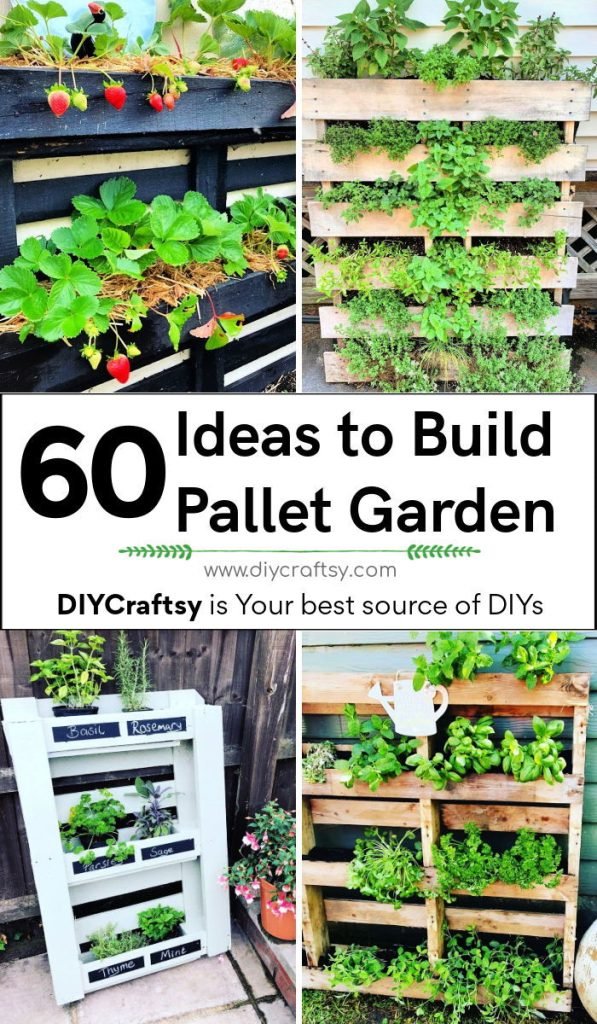
Imagine stepping into your backyard and being greeted by a vibrant splash of colors, the sweet aroma of fresh herbs, and the satisfaction of knowing it’s all your creation. Designing your own pallet garden can transform any dull space into a lush, green paradise with minimal effort.
But how do you start? And how can you ensure it becomes the masterpiece you envision? You might think it’s complicated, but with a few clever tricks, you can create a stunning and efficient layout that reflects your style and suits your space.
This article will guide you step-by-step, revealing the secrets to a thriving pallet garden. Whether you have a sprawling yard or a cozy balcony, you’ll discover how to utilize every inch creatively and effectively. Ready to dig in and watch your garden dreams grow? Let’s get started!
Choosing The Right Location
Selecting the ideal spot for your pallet garden ensures healthy plant growth. Choose an area with enough sunlight and proper drainage.
Choosing the right location for your pallet garden is crucial for its success. The spot you select can greatly impact the growth and health of your plants. A well-chosen location ensures your garden thrives, providing a bountiful harvest and a beautiful display. Let’s explore some key considerations to help you make the best choice.Sunlight And Shade Considerations
Plants need sunlight to grow, but not all require the same amount. Observe your yard or balcony throughout the day. Notice which areas get the most sun and which are shaded. Consider the plants you want to grow. Leafy greens like spinach and lettuce thrive in partial shade, while tomatoes and peppers need full sun. Think about seasonal changes. An area that’s sunny in spring might become shaded in summer. Will your chosen spot provide consistent light year-round?Space And Accessibility
Evaluate the available space for your pallet garden. Is there enough room for the number of pallets you plan to use? Ensure easy access for planting, watering, and harvesting. You don’t want to strain yourself reaching over or navigating tight spaces. Consider how your garden fits into your daily routine. Will you pass by it often, reminding you to tend to it? An accessible garden is a well-cared-for garden. Choosing the right location isn’t just about practicality; it’s about creating a garden that enhances your lifestyle. Where will you place your pallet garden for optimal growth and enjoyment?Selecting The Ideal Pallets
Choosing the perfect pallets can transform your garden layout. Consider pallet size, type, and durability. Arrange them creatively for an appealing design.
Selecting the ideal pallets for your garden is crucial. It sets the foundation for your project. Good pallets ensure your garden’s success. They must be safe and durable.Types Of Pallets To Use
Different pallets serve different needs. Wooden pallets are common. They are sturdy and easy to work with. Choose heat-treated pallets. They are safer for growing plants. Avoid chemically treated ones. They can harm your plants. Plastic pallets are another option. They are weather-resistant and long-lasting. Metal pallets are strong but heavier. Consider your garden’s location and climate.Preparing Pallets For Gardening
Preparation is key to a successful pallet garden. Start by cleaning the pallets. Remove any dirt or debris. Use a brush and mild detergent. Rinse thoroughly and let them dry. Inspect for any protruding nails or sharp edges. Sand them down to prevent injuries. Check for any damage. Repair or replace broken parts. Line the inside of pallets with landscape fabric. It helps retain soil and moisture. Secure the fabric with staples or a staple gun. Your pallets are now ready for planting.Designing The Layout
Designing the layout of a pallet garden can be exciting. With careful planning, you can create a stunning and functional space. From vertical to horizontal arrangements, each choice impacts the garden’s look and use. Understanding different zones helps in maximizing the garden’s potential.
Vertical Vs Horizontal Arrangements
Vertical arrangements save space and add height. They are ideal for small areas. Use pallets to form walls or towers. This setup is perfect for herbs and flowers. Horizontal arrangements suit larger spaces. Lay pallets flat for easy access to plants. Vegetables grow well in this format.
Creating Functional Zones
Divide your garden into functional zones. Assign each zone a purpose. One zone can be for vegetables. Another for flowers or herbs. This helps organize your garden. Use pallets to separate zones naturally. Ensure each zone has enough space. Consider sunlight and water needs for each plant type.
Plant Selection And Arrangement
Choose hardy plants that thrive in your local climate for a successful pallet garden. Arrange plants to maximize sunlight exposure and enhance visual appeal, mixing colors and textures for vibrant displays.
Creating a pallet garden is an exciting way to bring greenery into your space, especially if you’re short on room or want a unique vertical display. The key to a thriving pallet garden lies in careful plant selection and thoughtful arrangement. By choosing the right plants and understanding how they interact with each other, you can create a vibrant and sustainable garden. Are you ready to explore the secrets behind successful plant selection and arrangement?Choosing Plants For Pallet Gardens
Selecting plants for your pallet garden involves considering factors like sunlight, water needs, and growth habits. Opt for compact plants that thrive in the limited soil space of a pallet. Herbs such as basil, thyme, and parsley are excellent choices because they grow well in small environments. Succulents are also ideal, as they require minimal maintenance and add a unique texture to your garden. If you’re a fan of flowers, consider marigolds or petunias for their bright colors and low maintenance. Always choose plants that complement the climate of your location. If your garden receives plenty of sunlight, sun-loving plants are a must. Conversely, if you’re dealing with shade, opt for shade-tolerant varieties.Companion Planting Strategies
Companion planting can enhance the health and productivity of your pallet garden. Some plants naturally support each other’s growth, repelling pests and boosting nutrients. For instance, pairing tomatoes with basil can enhance the flavor of both while deterring insects. Carrots and onions are another great duo that support each other’s growth without competing for resources. Consider experimenting with different combinations to discover what works best for your garden. Are there plants you love to grow together? Keep in mind that companion planting isn’t just about preventing pests; it’s about creating a harmonious environment where plants can thrive collectively. In your quest for a beautiful pallet garden, remember to think beyond aesthetics. The right plant selections and arrangements can make a significant difference in the success and sustainability of your garden. What will you plant next?Building And Assembling The Garden
Designing a pallet garden involves choosing a suitable layout for your space. Consider sunlight and plant types when arranging pallets. Keep paths clear for easy access and maintenance.
Building and assembling your pallet garden is where the fun truly begins. It’s a creative process that lets you transform ordinary wooden pallets into a lush, vibrant garden. Whether you’re working with a small balcony or a spacious backyard, the right layout and design can make your garden a beautiful focal point.Step-by-step Assembly Guide
Begin by selecting a level spot for your pallet garden. This ensures stability and proper drainage. Lay the pallets flat on the ground. Arrange them in your desired pattern, considering both aesthetics and practicality. Secure the pallets together using screws or nails. This prevents them from shifting and keeps your design intact. Line the bottom of each pallet with landscape fabric to retain soil while allowing water to drain. Fill the pallets with quality potting soil, ensuring even coverage across all sections. Plant your chosen flowers, herbs, or vegetables in the soil. Space them based on their growth needs for optimal health. Water the plants thoroughly, ensuring the soil is moist but not waterlogged. Finally, add mulch to help retain moisture and suppress weeds.Tools And Materials Needed
To build your pallet garden, you’ll need a few essential tools and materials:- Pallets:Ensure they’re heat-treated and free from chemicals.
- Screws or Nails:To secure the pallets together.
- Drill or Hammer:Depending on your choice of fasteners.
- Landscape Fabric:For lining the pallets to hold the soil.
- Potting Soil:Choose a quality mix suitable for your plants.
- Plants:Select based on climate, sunlight, and your personal preferences.
- Mulch:To cover the soil and retain moisture.
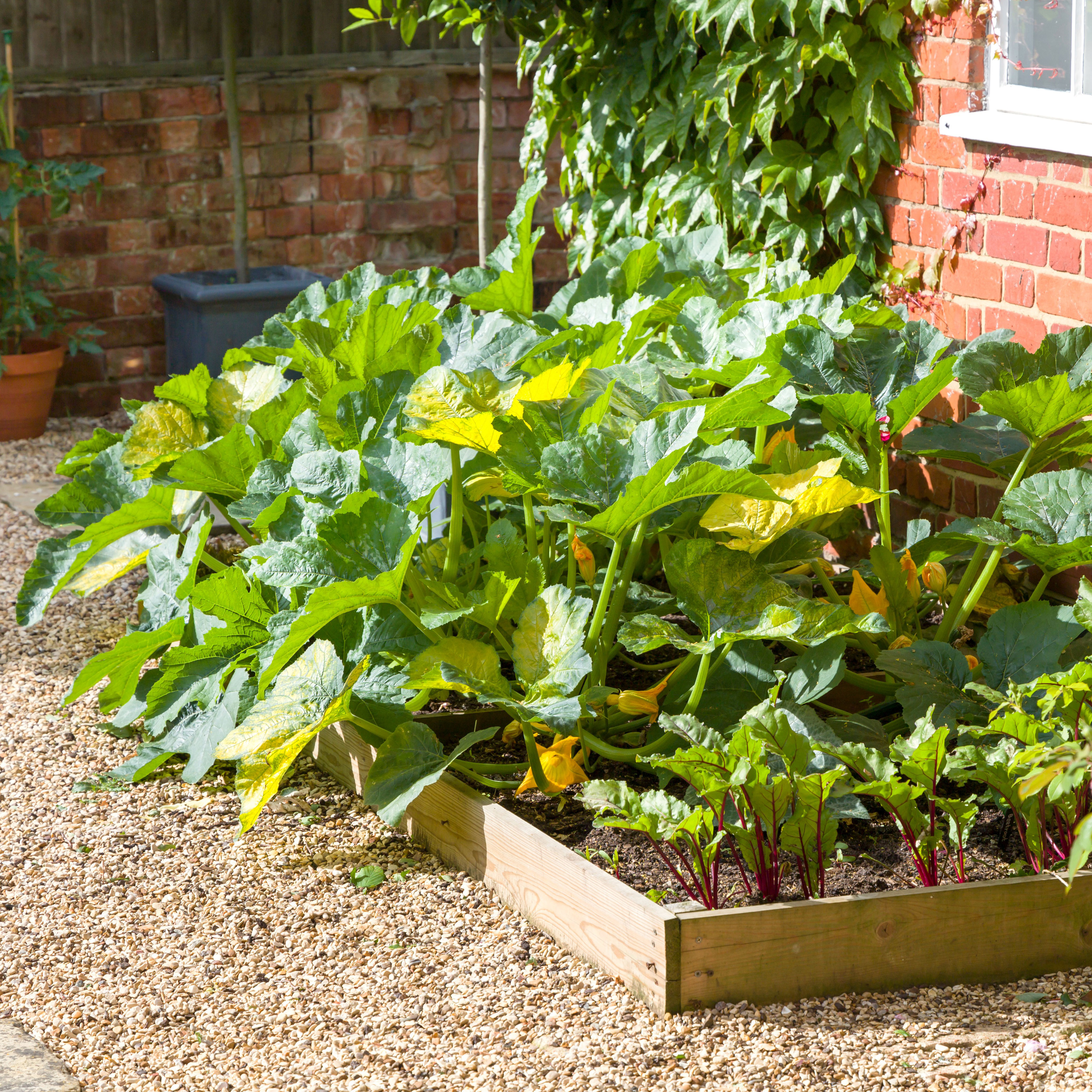
Credit: www.gardeningknowhow.com
Maintenance And Care
Arranging pallets for a garden requires careful planning. Choose pallets with solid wood and inspect for damage. Design a layout that maximizes sunlight exposure and allows easy access for maintenance. Regularly check soil moisture and replenish nutrients to ensure healthy plant growth.
Maintaining your pallet garden ensures its beauty and productivity. Regular care keeps plants healthy and thriving. Simple, consistent routines prevent issues and extend your garden’s life. Focus on watering, seasonal tasks, and general upkeep.Watering Techniques
Effective watering is crucial for plant health. Use a watering can or hose with a gentle spray. Water early morning or late afternoon to reduce evaporation. Ensure water reaches all plants, especially those in the middle. Check soil moisture regularly. It should be damp, not soggy. Adjust your schedule based on weather conditions. Rainy days might require less watering.Seasonal Maintenance Tips
Each season brings unique care needs. In spring, remove weeds and add compost. This boosts soil nutrients. In summer, check for pests and diseases. Use natural remedies to protect plants. In autumn, prune dead leaves and stems. This helps plants conserve energy. During winter, cover your garden with burlap. It protects plants from frost. Regularly inspect for damage or rot. Keeping your garden tidy prevents bigger problems.Enhancing Aesthetic Appeal
Creating a visually pleasing pallet garden is an art. It transforms a simple space into a vibrant oasis. A well-designed pallet garden combines functionality with beauty.
Enhancing its aesthetic appeal involves thoughtful planning and creativity. The right design choices can make your garden a stunning focal point.
Here are some ways to enhance the aesthetic appeal of your pallet garden.
Decorative Elements
Incorporate unique decorative elements to add charm. Use items like garden statues or decorative stones. Choose elements that reflect your style.
Hang wind chimes for a soothing sound. Consider adding a small water feature. It can create a calming atmosphere.
Lights can transform your garden at night. Use solar-powered fairy lights for eco-friendly lighting.
Color Schemes And Themes
Select a color scheme that complements your garden space. Choose colors that evoke desired emotions. Warm colors like red and orange add energy.
Cool colors like blue and green offer tranquility. Consider a theme to guide your design. A tropical theme might include vibrant flowers.
A rustic theme could use earthy tones. Ensure your plants and decorations align with your chosen theme.

Credit: www.onehundreddollarsamonth.com
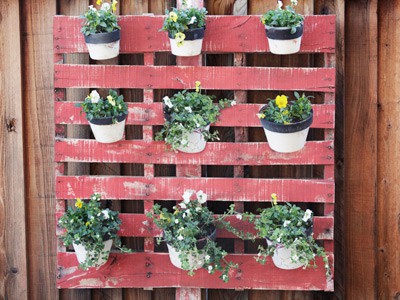
Credit: www.livinglocurto.com
Frequently Asked Questions
What Are The Best Plants For Pallet Gardens?
The best plants for pallet gardens are compact and shallow-rooted. Herbs like basil and mint thrive well. Succulents and flowers like pansies also do well. Choose plants that suit your climate for optimal growth. Always consider sunlight requirements when selecting plants for your pallet garden.
How Do I Prepare Pallets For Gardening?
Start by ensuring the pallet is safe and chemical-free. Sand it down to remove splinters. Add a fabric liner to hold soil. Ensure proper drainage by drilling holes if needed. Finally, position your pallet upright or flat, based on your design preference.
Can I Grow Vegetables In A Pallet Garden?
Yes, you can grow vegetables in a pallet garden. Choose smaller vegetables like lettuce, radishes, or cherry tomatoes. Ensure your pallet has enough sunlight exposure. Use quality soil and water regularly. Check for pests and provide support for climbing vegetables, if necessary.
How Do I Maintain My Pallet Garden?
Regularly water your plants and check soil moisture. Remove weeds and dead leaves to maintain plant health. Fertilize periodically for better growth. Inspect for pests and use organic methods to control them. Rotate plants seasonally to ensure balanced soil nutrients.
Conclusion
Creating a pallet garden is simple and fun. Start with a clear plan. Arrange pallets in a way that suits your space. Choose plants that fit your climate. Consider the sunlight each plant needs. Watering should be easy and regular.
Pallets can be painted for a nice look. Add soil and make sure it’s healthy. Check plants often for pests or diseases. Enjoy watching your garden grow. With care, your pallet garden will flourish. Share the beauty with friends and family.
Let your creativity shine in your garden.







