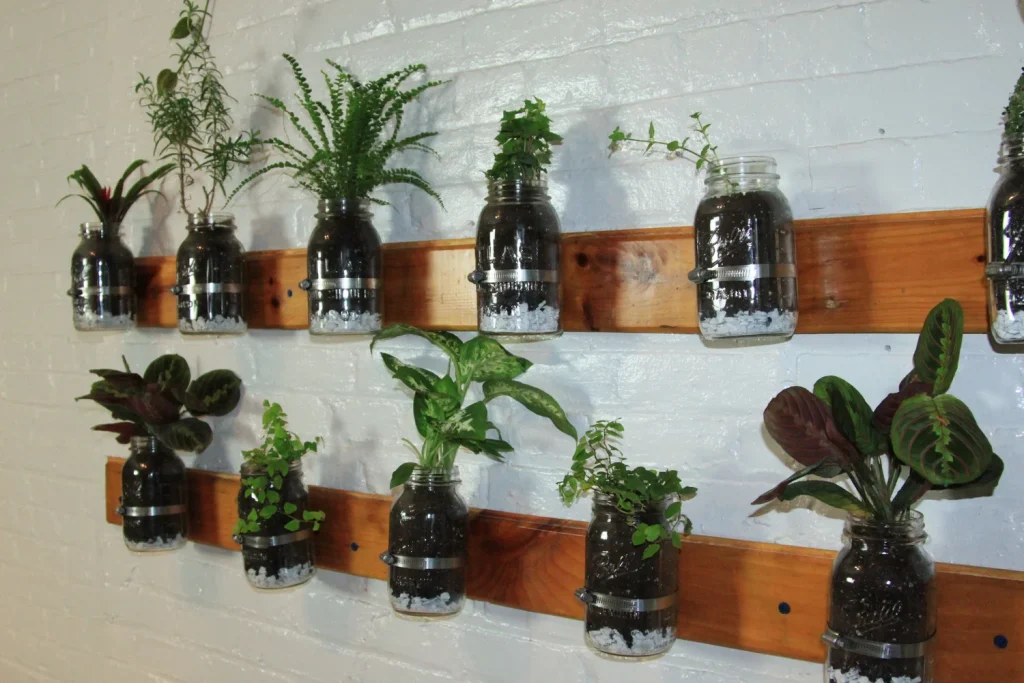
Imagine stepping into your home and being greeted by the vibrant colors and fresh scents of your very own indoor edible garden. Picture plucking juicy tomatoes or fragrant herbs right from your windowsill.
Sounds delightful, doesn’t it? This dream can become a reality for you. No matter how small your space, building an indoor edible garden is within your reach. You’ll not only have fresh ingredients at your fingertips but also a new hobby that can bring peace and satisfaction.
This guide will show you how to start your own indoor garden, transforming your living space and your culinary experiences. Let’s get growing!

Credit: food52.com
Choosing The Right Space
Building an indoor edible garden is a delightful project that brings fresh produce right to your fingertips. The first step in crafting this green oasis is choosing the right space. A well-selected area can make all the difference in the success of your garden. Think about the light, temperature, and humidity in your home. Each of these factors plays a crucial role in nurturing your plants to thrive.
Assessing Light Availability
Light is the lifeblood of your indoor garden. Before setting up, evaluate where natural sunlight streams into your home. Windows facing south often provide the best light, ideal for leafy greens and herbs. If natural light is limited, don’t worry! Consider investing in grow lights. They mimic sunlight and can be adjusted to fit your plants’ needs. A friend once transformed his dim apartment corner into a thriving herb garden using LED grow lights. Would you have imagined a basil plant flourishing in a windowless room?
Considering Temperature And Humidity
Temperature and humidity are often overlooked but are essential for plant health. Most edible plants prefer temperatures between 60-75°F (15-24°C). Avoid placing your garden near heat sources like radiators or air conditioners, as they can create drastic temperature swings. A digital thermometer can help you monitor conditions. Humidity should also be balanced; too much or too little can harm your plants. A simple humidifier can maintain ideal levels, especially in dry climates. Have you ever walked into your home and felt the soothing ambiance created by a perfectly humidified room? Your plants will appreciate it too!
Credit: www.familyhandyman.com
Selecting Suitable Plants
Selecting suitable plants is key to a thriving indoor edible garden. Choose herbs, vegetables, and fruits that adapt well to indoor conditions. Consider lighting, space, and care needs for each plant to ensure success.
Selecting the right plants for your indoor edible garden is crucial to ensuring a successful and fulfilling gardening experience. The choice of plants depends on several factors including the available space, light conditions, and your personal preferences. By carefully selecting plants that are well-suited to indoor environments, you can create a thriving garden right inside your home.Herbs For Beginners
Starting with herbs is a great way to dip your toes into indoor gardening. Herbs like basil, mint, and chives are not only easy to grow but also versatile in the kitchen. They require minimal space and can thrive on a sunny windowsill. Basil, with its vibrant green leaves, loves sunlight and can easily be grown in small pots. Mint, on the other hand, is forgiving with less light and is perfect for adding a refreshing touch to your dishes. Chives offer a mild onion flavor and are remarkably resilient, making them a favorite among beginners.Vegetables That Thrive Indoors
Certain vegetables adapt well to indoor conditions, offering you fresh produce year-round. Leafy greens such as spinach and lettuce are ideal as they grow quickly and require limited space. They can be harvested continuously, providing a steady supply of fresh greens for your salads and meals. Root vegetables like radishes and carrots can also be grown indoors if you have deeper containers. They do well with indirect sunlight and can bring a crunchy addition to your homegrown produce basket. The satisfaction of pulling a fresh carrot from your indoor garden is unparalleled.Fruits For Indoor Gardens
You might be surprised to learn that several fruits can be successfully cultivated indoors. Strawberries are a fantastic choice, thriving in hanging baskets or pots with good drainage. Their sweet, juicy berries can be a delightful addition to your indoor garden. For those with a bit more space, dwarf citrus trees like lemons or limes can add a splash of color and aroma to your home. These trees do well in bright light and can even produce fruit indoors with the right care. Imagine plucking a fresh lemon from your own indoor tree for your evening tea. Wouldn’t that be delightful? Selecting suitable plants is not just about practicality; it’s about creating a space that brings joy and fulfillment. Which plants will you choose to start your indoor edible garden?Gathering Essential Materials
Gathering essential materials is crucial for a successful indoor edible garden. Choose pots with good drainage and quality soil. Select seeds or seedlings based on available space and light conditions.
Gathering Essential Materials Creating an indoor edible garden is an exciting journey that begins with gathering the right materials. The right choices in containers, soil, and tools can make a world of difference in the success of your indoor garden. As you prepare to bring greenery into your home, consider how each element contributes to the growth and health of your plants.Containers And Pots
The choice of containers and pots can greatly influence your plant’s growth. Opt for pots with drainage holes to prevent waterlogging, which can harm plant roots. Consider the size of your plants; herbs like basil and mint thrive in smaller pots, while larger plants like tomatoes need bigger containers. Repurposing items like old mugs or tins can add a personal touch. Look around your home for creative options that reflect your style and provide a unique home for your plants.Soil And Fertilizers
The foundation of your indoor garden lies in the soil. Choose a quality potting mix that retains moisture yet drains well. Adding organic matter like compost enhances soil fertility, supporting robust plant growth. Consider using natural fertilizers such as fish emulsion or worm castings to boost nutrients. They enrich the soil without the chemicals found in synthetic options.Tools For Indoor Gardening
Having the right tools simplifies indoor gardening and makes it more enjoyable. Essential items include a small trowel for planting, pruning shears for trimming, and a watering can with a narrow spout for precision watering. A spray bottle can be handy for misting plants that prefer humid conditions. Think about adding a grow light if natural sunlight is limited in your space. It can be the difference between a thriving garden and one that struggles. Have you ever tried using a kitchen fork as a makeshift rake? Sometimes simple solutions work wonders.
Credit: plantora.app
Planting And Arrangement
An indoor edible garden can be a rewarding project. It allows you to enjoy fresh herbs, vegetables, and fruits all year round. Proper planting and arrangement are crucial to ensure your garden thrives. You must consider the layout and how you plant your seeds and seedlings. These steps will help you create a lush and productive garden indoors.
Creating An Optimal Layout
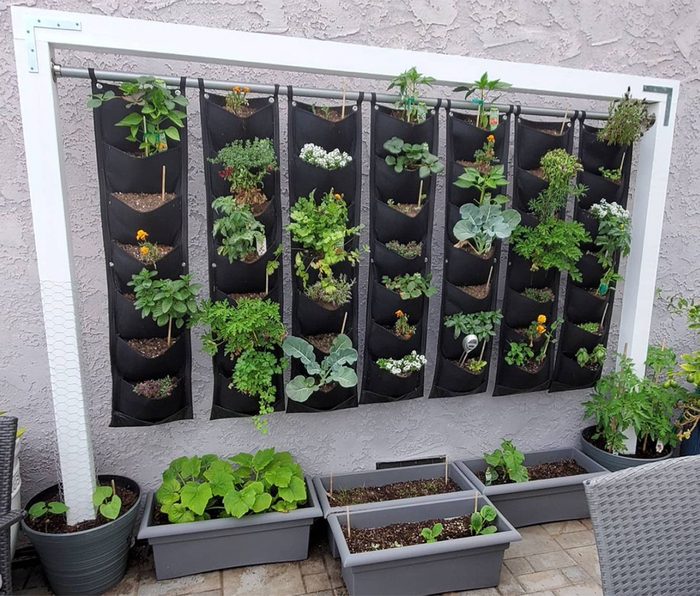
Start by assessing your space. Determine the amount of sunlight each area receives. Place plants that need more light near windows. Use shelves to maximize vertical space. Consider using hanging planters or wall-mounted pots. This keeps your floor space clear and adds visual interest. Group plants with similar needs together. This simplifies watering and care routines. Ensure good air circulation to prevent mold and pests.
Steps For Planting Seeds And Seedlings
Choose quality seeds or seedlings for better growth. Use containers with drainage holes to prevent root rot. Fill pots with nutrient-rich soil. Moisten the soil before planting seeds. Plant seeds at the recommended depth. Cover them lightly with soil. For seedlings, dig a small hole in the soil. Place the seedling gently into the hole. Firm the soil around the roots. Water them after planting to settle the soil.
Maintaining Your Garden
Building an indoor edible garden transforms your space into a fresh food source. Choose the right containers and soil. Arrange them near windows for sunlight.
Maintaining your indoor edible garden is essential to ensure your plants thrive and produce delicious, fresh ingredients for your meals. It’s not just about planting; it’s about nurturing your green space to keep it healthy and productive. Consistent care can transform your garden into a sustainable source of joy and nutrition.Watering Techniques
Understanding the watering needs of your plants is crucial. Overwatering can lead to root rot, while underwatering might stunt growth. Consider using a self-watering system or moisture meter for precision. For instance, herbs like basil prefer consistently moist soil, whereas succulents need less frequent watering. Notice the signs your plants give you—drooping leaves often mean they’re thirsty. Developing a watering schedule can help, but always adjust based on your plant’s specific needs and the season.Pruning And Harvesting Tips
Regular pruning can encourage growth and prevent your plants from becoming leggy. Snipping off dead leaves or excess growth allows your plant to focus energy on producing more edible parts. Harvesting at the right time is also key. Cutting herbs like mint and cilantro frequently encourages them to become bushier. Ask yourself, are you getting the most from your garden? A good rule of thumb is to never harvest more than one-third of the plant at a time. This helps maintain the plant’s health and ensures a continuous supply of fresh produce.Dealing With Common Issues
Building an indoor edible garden can be rewarding. Yet, issues can arise. Pests and diseases can affect plant health. Addressing these concerns early ensures a thriving garden. Let’s explore common issues and solutions.
Pest Control Strategies
Pests can invade even indoor gardens. Regular inspection helps spot problems early. Use natural methods for control. Neem oil is effective against many pests. It’s safe for edible plants. Introduce beneficial insects like ladybugs. They help manage pests naturally. Keep the garden area clean. Remove dead leaves and debris promptly.
Preventing Plant Diseases
Healthy plants resist diseases better. Ensure good air circulation around plants. Space them adequately to prevent overcrowding. Water plants at the base. Wet leaves can encourage disease. Use disease-resistant plant varieties. Rotate crops if possible to break disease cycles. Keep tools clean to prevent disease spread. Use sterilized soil to avoid introducing pathogens.
Enhancing Growth With Technology
Enhancing Growth with Technology Cultivate fresh produce indoors with smart gardening tools. These innovations simplify care and boost plant health. Create a thriving edible garden at home effortlessly.
Enhancing Growth with Technology Growing an indoor edible garden is no longer a matter of just soil and seeds. With the right technology, you can significantly boost the growth and yield of your plants. Imagine having a lush, productive garden right in your living room, thriving under optimal conditions.Using Grow Lights
Grow lights are a game changer for indoor gardening. They mimic the sun’s spectrum and provide your plants with the necessary light for photosynthesis. LED grow lights, for instance, are energy efficient and allow you to control light intensity and duration. By adjusting these settings, you can tailor the lighting to the specific needs of your plants. Have you noticed your plants leaning towards the window? This is a sign they’re craving more light. A strategically placed grow light can solve this issue and ensure even growth.Incorporating Smart Gardening Tools
Smart gardening tools can simplify your gardening tasks and enhance plant care. With devices like smart soil monitors, you can track moisture levels and soil quality in real-time. These tools send alerts to your smartphone, so you know exactly when to water or add nutrients. It’s like having a personal garden assistant at your fingertips. Ever wondered why your basil isn’t as fragrant as expected? A smart sensor might reveal that it’s not getting enough water, allowing you to adjust your care routine for better results.Technology in gardening isn’t just about convenience; it’s about optimizing growth and learning more about your plants’ needs. Are you ready to take your indoor garden to the next level?
Frequently Asked Questions
What Are The Best Plants For Indoor Edible Gardens?
Herbs like basil, cilantro, and parsley thrive indoors. Leafy greens such as spinach and lettuce are ideal. Tomatoes and peppers can also grow well indoors with proper lighting.
How Do I Start An Indoor Edible Garden?
Begin by choosing the right containers and soil. Ensure adequate lighting and water. Select plants suited for indoor conditions, like herbs and leafy greens.
Can I Grow Fruits In An Indoor Garden?
Yes, you can grow dwarf varieties of fruits like strawberries and lemons. They require proper lighting and care to thrive indoors.
What Lighting Is Needed For Indoor Edible Gardens?
Indoor gardens need artificial grow lights or south-facing windows. LED grow lights are energy-efficient and effective for plant growth.
Conclusion
Creating your indoor edible garden is simpler than it seems. Start small. Choose plants that thrive indoors. Herbs are a good start. They need little space and are easy to grow. Monitor light and water conditions. Each plant has unique needs.
Adjust as necessary. Experiment with different seeds. Learn what grows best in your home. Patience is key. Plants take time to mature. Enjoy the process. Fresh produce at home is rewarding. It’s healthy and fun. You now have the basics to begin.
Embrace the green thumb journey. Happy gardening!







