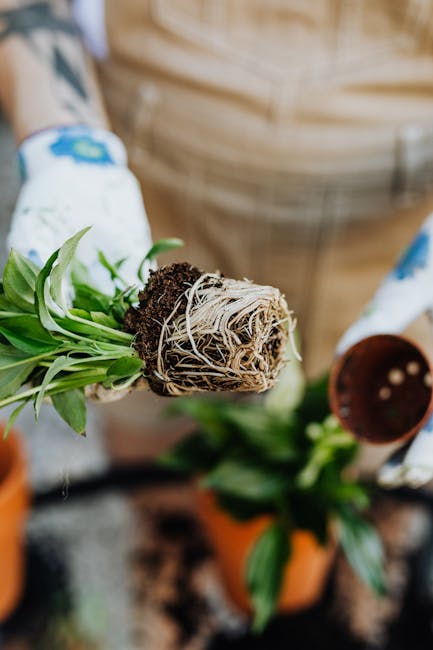
Imagine having fresh basil, mint, or rosemary at your fingertips, ready to enhance any dish you whip up in your kitchen. It sounds delightful, doesn’t it?
But what if you don’t have a sprawling backyard or the perfect weather for a flourishing herb garden? The good news is, you don’t need either. You can cultivate your own herb garden indoors, right in your cozy home. Here’s the secret: growing herbs indoors isn’t just convenient; it’s also incredibly rewarding.
With the right tips and tricks, you can create a vibrant garden that thrives year-round. This means you’ll always have access to fresh flavors and aromas, elevating your culinary creations with ease. Plus, caring for your indoor herb garden can be a relaxing hobby, enhancing your well-being while ensuring you eat healthier. Are you ready to transform your kitchen into a fragrant paradise? Read on, and discover how you can set up your own indoor herb haven effortlessly. Whether you’re a seasoned gardener or a curious beginner, this guide will equip you with everything you need to grow herbs successfully inside your home.

Credit: www.botanicalblueprint.com
Choosing The Right Herbs
Choosing the right herbs is key to a successful indoor herb garden. The herbs you select will determine not just the flavors you add to your meals, but also the ease of maintaining your garden. Consider your living environment, light conditions, and even your cooking style when picking the perfect herbs to grow indoors.
Best Herbs For Indoors
Some herbs adapt particularly well to indoor conditions. Basil, parsley, and mint are favorites for many indoor gardeners due to their versatility in cooking. Their adaptability to indoor climates makes them excellent choices for an indoor garden.
Think about the dishes you love to cook. Do you often find yourself adding a sprig of mint to your tea or a sprinkle of basil to your pasta? These herbs are not only flavorful but thrive indoors, providing you with fresh ingredients all year round.
Herbs For Beginners
If you’re new to herb gardening, start with easy-to-grow varieties like chives, cilantro, and dill. These herbs require minimal care and are forgiving if you forget to water them occasionally. They’re perfect for beginners who are still learning the ropes of indoor gardening.
Imagine the satisfaction of snipping fresh chives for your scrambled eggs or adding cilantro to homemade salsa. These small victories can motivate you to expand your herb garden further.
Herbs That Thrive In Low Light
Not everyone has a sunlit kitchen window, but that doesn’t mean you can’t grow herbs indoors. Consider herbs like mint, parsley, and chervil, which can flourish even in low-light conditions.
Do you have a shady corner in your home longing for some green? These herbs can brighten your space and provide fresh flavors without the need for direct sunlight. It’s about finding the right match between your home’s lighting and the herbs’ needs.
Ideal Indoor Conditions
Bright spaces with plenty of indirect sunlight create the perfect setting for an indoor herb garden. Maintain a temperature between 65-75°F and ensure good air circulation. Keep soil consistently moist, but avoid waterlogging to help herbs thrive indoors.
To grow a thriving herb garden indoors, create the perfect environment. Ideal indoor conditions ensure herbs grow healthy and strong. Focus on light, temperature, humidity, and air circulation. These factors make a big difference in herb growth and flavor.Light Requirements
Herbs need plenty of light to grow well. Place them in a sunny window with six hours of sunlight daily. If natural light is limited, use grow lights. LED grow lights work best for indoor herb gardens. Position lights about 6 inches above the plants. Adjust height as herbs grow to maintain optimal distance.Temperature And Humidity
Herbs thrive in temperatures between 65°F and 75°F. Avoid placing them near drafts or heat sources. Maintain consistent temperatures for best growth. Humidity levels around 40-50% suit most herbs. Use a humidifier if air is too dry. Overly humid conditions can cause mold or mildew.Air Circulation
Good air circulation prevents diseases in herbs. Space plants to allow airflow between them. Open windows occasionally to refresh indoor air. Consider using a small fan to keep air moving. This helps herbs grow stronger and healthier. Proper air circulation also reduces pest problems.Containers And Soil
Choose containers with good drainage for your indoor herb garden. Use quality potting soil to nourish your plants. Regularly check moisture levels to ensure healthy growth.
Growing herbs indoors can be an enriching experience, allowing you to have fresh flavors at your fingertips year-round. But to succeed, you need to consider the right containers and soil. The choices you make here will impact the health of your herbs and the ease with which they grow. Let’s dive into how to select the perfect vessels and soil mixes to foster your indoor herb garden.Choosing Containers
Picking the right container is crucial. It’s not just about aesthetics, but functionality. Choose containers that are at least 6 inches deep to accommodate root growth. Consider materials like ceramic, plastic, or terracotta. Ceramic pots can be attractive, but they often lack drainage holes. Plastic containers are lightweight and retain moisture well, while terracotta pots are porous and help prevent overwatering. Think about your space too. If you’re short on room, wall-mounted or hanging containers can be a creative solution. They not only save space but add a unique touch to your indoor garden.Soil Mixes
Soil is the lifeline of your herbs. Opt for a light, well-draining potting mix tailored for herbs. These mixes are often enriched with nutrients to support growth. Consider adding organic matter like compost or peat to enhance soil fertility. If you prefer DIY, combine equal parts of potting soil, perlite, and compost for a balanced mix. Avoid garden soil as it can compact easily indoors, suffocating roots and leading to drainage issues. Remember, healthy soil equals healthy plants.Drainage Essentials
Don’t underestimate the importance of drainage. Without it, your herbs may suffer from root rot. Ensure your containers have drainage holes to allow excess water to escape. Place a tray beneath pots to catch runoff water, preventing messes on your surfaces. If your container lacks holes, consider drilling them or using a liner with holes. You might wonder if drainage matters as much indoors. The answer is a resounding yes! Proper drainage ensures your herbs thrive, avoiding the peril of overwatering. By focusing on these elements, you set the stage for a vibrant indoor herb garden. What containers will you choose to start your green journey?Watering Techniques
Growing herbs indoors requires careful attention to watering techniques. Proper watering is key to a thriving herb garden. This section explores how often to water, signs of overwatering, and self-watering pots.
Watering Frequency
Indoor herbs need less water than outdoor plants. Use your finger to check soil moisture. If the top inch is dry, it’s time to water. Different herbs have different needs. Research your specific herbs for best results.
Signs Of Overwatering
Yellow leaves and wilting can indicate too much water. Check the soil. If it’s consistently wet, reduce watering. Overwatering can cause root rot. Ensure pots have drainage holes for excess water.
Using Self-watering Pots
Self-watering pots help maintain moisture levels. They have a reservoir that supplies water as needed. These pots reduce the risk of overwatering. They are great for busy individuals or beginners.
Fertilizing Your Herbs
Fertilizing Your Herbs Provide essential nutrients to your indoor herb garden by using a balanced fertilizer every few weeks. Ensure the soil is moist before applying fertilizer to prevent root damage. This practice supports healthy growth and enhances the flavor of your herbs.
Fertilizing your herbs is essential for healthy indoor gardening. Proper nutrients help your plants thrive. They boost growth and ensure flavorful harvests. Learn about the types of fertilizers and how to use them effectively.Types Of Fertilizers
Different fertilizers offer varied benefits to herbs.- Liquid Fertilizers:These are easy to apply and quickly absorbed. Mix with water and feed the plants.
- Granular Fertilizers:Spread these on the soil. They release nutrients slowly over time.
- Slow-Release Fertilizers:These provide nutrients over an extended period. They reduce the need for frequent applications.
Fertilizing Schedule
A regular schedule keeps your herbs healthy.- Every 4 Weeks:For most herbs, this timing works well.
- More Frequent:Faster-growing herbs may need more frequent feeding.
- Less Frequent:Some herbs require less frequent fertilizing during dormant periods.
Organic Fertilizing Options
Organic fertilizers are eco-friendly and safe for indoor use.- Compost Tea:Brew compost in water. Use the liquid to feed your herbs.
- Fish Emulsion:This liquid fertilizer is rich in nutrients. It supports robust herb growth.
- Seaweed Extract:Provides essential minerals. It boosts plant health and resilience.
Pest Management
Indoor herb gardening thrives with proper pest management. Regularly inspect plants for pests like aphids or spider mites. Use organic solutions such as neem oil for safe control.
Pest Management is crucial for a healthy indoor herb garden. Pests can damage plants and hinder growth. Learning to manage them ensures a thriving indoor garden. This section explores common pests, natural control methods, and prevention tips.Common Indoor Pests
Several pests target indoor herbs. Common ones include aphids, spider mites, and whiteflies. Aphids are small and often green. They suck sap from plant leaves. Spider mites are tiny and create webs on leaves. Whiteflies are small, white, and fly when disturbed. These pests can weaken plants. Identifying them early is essential.Natural Pest Control Methods
Chemical pesticides can harm plants and humans. Natural methods are safer and effective. Here are some options:- Neem Oil: Apply neem oil to leaves. It repels many pests.
- Soap Spray: Mix water and dish soap. Spray on affected areas.
- Garlic Spray: Blend garlic and water. Spray on plants to deter pests.
- Ladybugs: Introduce ladybugs. They eat aphids and other pests.
Preventing Infestations
Prevention is better than treatment. Keeping pests out saves time and effort. Here are some tips:- Inspect plants before bringing them indoors.
- Maintain cleanliness around your garden area.
- Avoid overwatering. It attracts pests.
- Ensure good air circulation. It deters pests.
Pruning And Harvesting
Pruning and harvesting are vital for a thriving indoor herb garden. These practices ensure your herbs grow healthy and full. Proper pruning keeps your plants tidy and productive. Harvesting gives you fresh herbs while promoting new growth. Let’s explore the essentials of pruning and harvesting indoor herbs.
When To Prune
Prune herbs to remove dead or weak stems. This encourages new growth. The best time to prune is when the plant is mature. Look for when your herb reaches a few inches high. Regular pruning keeps your plants strong and bushy. Trim every few weeks to maintain shape and health.
How To Harvest
Harvest herbs when they have enough leaves. Pick the outer leaves first. This allows the plant to continue growing. Use clean scissors to avoid damage. Cut above a leaf pair to promote new shoots. Frequent harvesting helps maintain a steady supply of fresh herbs.
Encouraging Growth
Pruning and harvesting encourage herb growth. Removing old stems directs energy to new shoots. This results in fuller plants. Ensure your herbs have enough light and water. Healthy conditions support their growth. With care, your indoor herb garden will flourish.
Dealing With Common Problems
Indoor herb gardening often faces issues like insufficient light, pests, and watering mistakes. Ensure your herbs get enough sunlight or use grow lights. Keep a close eye on pests and maintain a consistent watering schedule. Proper care leads to a thriving indoor herb garden.
Dealing with common problems in your indoor herb garden can feel like a daunting task. However, with the right knowledge and a bit of patience, you can overcome most issues. Let’s explore some frequent challenges and how you can tackle them effectively.Yellowing Leaves
Yellowing leaves often indicate a nutrient deficiency or overwatering. Check your watering routine first; herbs usually prefer slightly dry soil between waterings. If watering isn’t the issue, consider adding a balanced liquid fertilizer to provide essential nutrients. Sometimes, the type of water used can also impact leaf color. If your tap water is hard, try using distilled water instead.Slow Growth
Slow growth may be due to insufficient light. Herbs need plenty of sunlight, so place them near a south-facing window if possible. If natural light is limited, a grow light can be a great investment. Temperature can also affect growth. Ensure your herbs are in a warm environment away from cold drafts.Root Rot
Root rot is a serious issue that occurs when soil is consistently too wet. Ensure your pots have drainage holes to prevent water from pooling at the bottom. If you suspect root rot, act quickly. Remove the affected plant from its pot, trim away any mushy roots, and replant it in fresh, well-draining soil. In my own experience, solving these common problems not only saved my herbs but also taught me a lot about plant care. What surprising lesson have you learned from your indoor gardening adventures?Incorporating Herbs Into Your Home
Bringing herbs into your home is more than just a practical choice; it’s an opportunity to enhance your living space with beauty and fragrance. Imagine waking up to the fresh aroma of basil or thyme wafting through your kitchen, or adding a sprig of rosemary to your dinner dish, freshly picked from your own indoor garden. These small joys make herb gardening indoors a delightful pursuit. Plus, herbs can be a charming decor element if you get creative with your arrangements.
Decorative Ideas
Herbs can effortlessly blend into your home decor. Consider placing small potted herbs along your kitchen windowsill. Their vibrant green leaves can add a splash of color to any setting. You might also use hanging baskets to create a green canopy in your living room. Choose pots that match your room’s aesthetic—ceramic for a rustic vibe or metallic for a modern touch. This way, your herb garden becomes a seamless part of your home.
Herb Planters As Centerpieces
Transform your dining table with herb planters as centerpieces. Not only do they serve as a conversation starter, but they also bring a fresh, organic touch to your meals. You can use a variety of herbs like mint, parsley, or chives in decorative pots. Consider using a long tray or a wooden box to group several herb pots together. This not only adds height and texture but allows you to mix and match different herb types for visual interest.
Vertical Herb Gardens
Maximize space and create a striking visual effect with vertical herb gardens. These gardens can be installed on kitchen walls, living room spaces, or even balcony areas. Vertical gardens utilize shelves or wall-mounted planters to stack herbs vertically. They are perfect for small spaces and add a lush, green dimension to any room. Try mixing different herbs like dill, oregano, and cilantro for varied textures and scents. It’s a unique way to grow herbs while adding a vibrant backdrop to your home.

Credit: www.monstera-app.com
Cooking With Fresh Herbs
Growing herbs indoors is simple and rewarding. Use pots with good drainage and place them near sunlight. Basil, mint, and parsley thrive well inside homes.
Cooking with fresh herbs transforms ordinary meals into flavorful delights. Indoor herb gardening offers a convenient source of fresh ingredients. Imagine the aroma of basil or mint wafting through your kitchen. This sensory experience enhances both cooking and dining. Enjoy the satisfaction of using herbs you’ve nurtured yourself.Enhancing Flavors
Fresh herbs elevate the taste of any dish. They add vibrant flavors and aromas to meals. Basil, thyme, and rosemary are popular choices for enhancing dishes. Each herb has unique characteristics. Basil brings a sweet, peppery touch to sauces. Thyme offers a subtle earthiness. Rosemary delivers a robust, pine-like flavor. Fresh herbs are more potent than dried ones. Use them generously in salads, soups, and pastas.Herb Pairing Tips
Pairing herbs with the right dishes is key. Basil pairs well with tomatoes and cheeses. Thyme complements chicken and potatoes beautifully. Rosemary shines in lamb and roasted vegetables. Experiment with combinations to find your favorite. Mint adds freshness to desserts and drinks. Cilantro brings zest to Asian and Mexican dishes. Consider the overall flavor profile of your meal. Match herbs to enhance, not overpower.Storing Fresh Herbs
Proper storage keeps herbs fresh longer. For short-term storage, place stems in water. Cover with a plastic bag and refrigerate. This keeps herbs vibrant for a week. For longer storage, freeze herbs in ice cube trays with water. Drying is another option for preserving. Hang herbs in a dry, dark place until crisp. Store dried herbs in airtight containers. Keep them away from heat and light for best results.
Credit: goebbertspumpkinfarm.com
Frequently Asked Questions
How To Start An Indoor Herb Garden?
Starting an indoor herb garden is simple. Choose a sunny spot in your home. Use pots with drainage holes and quality soil. Select herbs like basil, mint, or thyme. Water them regularly and ensure they get enough light. Harvest leaves as needed for cooking.
Which Herbs Grow Best Indoors?
Many herbs thrive indoors, including basil, mint, rosemary, and thyme. These herbs require minimal space and care. They need adequate sunlight and regular watering. Use well-draining pots and soil. Regularly harvest to encourage growth. Experiment to find which herbs best suit your indoor environment.
How Much Light Do Indoor Herbs Need?
Indoor herbs typically need 6 to 8 hours of sunlight daily. Place them near windows with good exposure. If natural light is insufficient, consider using LED grow lights. Rotate pots regularly to ensure even light distribution. Adjust light exposure based on specific herb needs.
How Often Should I Water Indoor Herbs?
Watering needs vary by herb type and pot size. Generally, water herbs when the top inch of soil feels dry. Ensure pots have drainage holes to prevent overwatering. Monitor humidity levels indoors. Adjust watering frequency based on season and indoor climate conditions.
Conclusion
Creating an indoor herb garden is easy and rewarding. Fresh herbs at home save money and enhance meals. Begin with simple herbs like basil and mint. Ensure they get enough sunlight and water. Use pots with good drainage to avoid root rot.
Experiment with different herbs and discover new flavors. Indoor gardening also adds greenery and life to your space. With patience and care, your herbs will thrive. Enjoy the satisfaction of growing your own ingredients. Start your indoor herb garden today and experience the joy of fresh herbs year-round.







