Imagine stepping into your backyard and being greeted by a miniature forest of perfectly shaped trees, each telling its own story through twisted trunks and delicate branches. A bonsai garden is not just a collection of small plants; it’s a living art form that brings serenity and beauty right to your doorstep.
You’re probably wondering how you can create such a magical space. The good news is, with a bit of guidance and creativity, you can design your own bonsai garden that captivates every visitor. You’ll discover simple steps to transform your garden into a peaceful oasis, where artistry meets nature.
Get ready to unleash your inner landscaper and create a bonsai garden that reflects your personal style and enhances your outdoor living space. Dive in and find out how you can turn your garden dreams into reality!

Credit: www.youtube.com
Choosing The Right Bonsai Species
Selecting the ideal bonsai species is crucial for creating a beautiful garden design. Consider climate compatibility and growth habits to ensure harmony in your bonsai landscape. Choose species that thrive in your environment and complement each other aesthetically.
Creating a bonsai garden design is an exciting journey that starts with choosing the right bonsai species. Selecting the perfect species is like setting the stage for a captivating performance, as each bonsai tree brings its unique charm and character to your garden. When you make the right choice, you enhance the aesthetic appeal and ensure that your bonsai thrives. But how do you decide which species is the right one for you?Popular Bonsai Varieties
Some bonsai varieties are more popular than others due to their stunning appearances and adaptability. The Japanese Maple is admired for its vibrant foliage, while the Juniper is favored for its rugged beauty and ease of shaping. Consider the elegant Cherry Blossom for delicate blooms or the sturdy Pine for a classic look. Each variety offers something special, so explore these options to find one that resonates with your vision.Climate Considerations
The climate in your region plays a crucial role in choosing the right bonsai species. If you live in a temperate area, species like Cedar or Elm will thrive. Tropical regions are perfect for Ficus or Bougainvillea, which love warmth and humidity. Assess your local climate and select species that will flourish in your garden. Have you ever considered how your choice might reflect the seasons?Beginner-friendly Options
If you’re new to bonsai gardening, starting with beginner-friendly species can make the experience more rewarding. The Jade plant is low-maintenance and resilient, perfect for those still learning the ropes. The Dwarf Schefflera is another excellent choice, known for its adaptability and ease of care. By starting with these forgiving species, you build confidence and skills. Which beginner option will you choose to kickstart your bonsai journey?
Credit: forum.bonsaimirai.com
Planning Your Bonsai Layout
Creating a bonsai garden design involves selecting the right plants, pots, and accessories. Arrange them thoughtfully to highlight each tree’s unique beauty. Focus on balance and harmony to craft a serene and inviting space.
Planning a bonsai layout is an exciting journey. It’s where creativity meets nature. A well-thought-out layout enhances the beauty of your bonsai garden. It brings harmony and serenity to your space. Let’s explore the key aspects of planning your bonsai layout.Space Assessment
First, assess the available space. Measure your area accurately. Consider light availability. Bonsai trees need adequate sunlight. Ensure there is protection from harsh winds. Look for a spot with enough room for growth. Think about accessibility for maintenance. A cluttered space can hinder your garden’s beauty.Container Selection
Choosing the right container is crucial. It should complement your bonsai. Consider the size and shape. A shallow pot is often preferred. It limits root growth and maintains size. Material matters too. Ceramic pots are popular for their durability. Ensure proper drainage to prevent root rot.Focal Points And Balance
Create focal points to draw attention. Use taller trees as centerpieces. Smaller ones can surround them. Balance is key. Avoid clustering all trees in one spot. Distribute them evenly. This creates a peaceful and inviting layout. Consider different heights and textures. This adds depth and interest to your garden.Soil And Nutrient Management
Creating a bonsai garden design requires proper soil and nutrient management. Use well-draining soil to support root health. Regularly feed bonsai with balanced nutrients for optimal growth and structure.
Creating a thriving bonsai garden requires more than just an artistic touch; it demands a keen understanding of soil and nutrient management. The tiny trees depend on the right balance of soil and nutrients to grow strong and healthy. This section will guide you through choosing the ideal soil mix, mastering fertilization techniques, and making necessary seasonal adjustments.Ideal Soil Mixes
The foundation of a successful bonsai garden is the soil mix. A well-draining soil mix prevents waterlogging, which can harm the roots. Consider using a mix of akadama, pumice, and lava rock. Akadama retains moisture and nutrients, while pumice and lava rock ensure proper aeration and drainage. Experiment with proportions to find the best mix for your specific climate and bonsai species.Fertilization Techniques
Fertilizing your bonsai is essential for providing nutrients that the compact soil may lack. Use a balanced fertilizer, but be cautious not to over-fertilize, as it can damage the roots. Liquid fertilizers are easy to apply and can be adjusted according to the tree’s growth stage. Slow-release fertilizers are also an option, offering consistent nutrient supply over time. Observe how your bonsai responds to different fertilizers and adjust your approach accordingly.Seasonal Adjustments
Just like any garden, a bonsai garden changes with the seasons. Adjust your soil and nutrient management practices to accommodate these changes. In spring, increase the frequency of fertilization to support new growth. During summer, ensure the soil retains enough moisture without becoming waterlogged. As fall approaches, reduce fertilization to prepare the trees for dormancy. Pay attention to each tree’s needs, as different species may require specific care. Understanding and implementing these soil and nutrient management practices can transform your bonsai garden into a miniature paradise. What adjustments will you make to keep your bonsai thriving year-round?Bonsai Pruning Techniques
Bonsai pruning is crucial for a thriving garden. It shapes and maintains your bonsai. These techniques help your tree mimic nature’s beauty in miniature form. Let’s explore the essential tools and methods.
Tools Required
Essential tools ensure precise pruning. Use sharp scissors for small branches. Get a concave cutter for thicker branches. Wire cutters are handy for removing training wire. These tools ensure clean cuts and healthy growth.
Shaping And Styling
Shaping gives your bonsai character. Identify the tree’s front. Prune branches that cross or look awkward. Create a balanced design. Use wire to guide branches gently. This helps form your desired shape.
Maintenance Pruning
Regular maintenance keeps your bonsai healthy. Remove dead leaves and branches. Trim new growth to maintain size. Prune to allow light and air through the canopy. This encourages robust growth.
Watering Practices
Proper watering is crucial for bonsai garden design. Balance moisture with drainage to prevent root rot. Adjust frequency based on climate and soil type.
Watering practices are crucial for a thriving bonsai garden design. Proper watering keeps your bonsai healthy and vibrant. Understanding the right techniques ensures your bonsai receives optimal care.Frequency And Timing
Watering frequency depends on your bonsai’s species and environment. Generally, bonsai need water when the topsoil feels dry. Check the soil daily, especially during hot weather. Morning is the best time to water. This prevents mold and allows leaves to dry before night.Watering Tools
Choose the right tools for efficient watering. A watering can with a fine nozzle ensures gentle water flow. This prevents soil disturbance and evenly distributes water. Consider using a moisture meter. It helps monitor soil moisture levels accurately.Avoiding Overwatering
Overwatering can harm your bonsai. Roots need air as much as water. Ensure pots have drainage holes to prevent waterlogging. Allow the soil to dry slightly between waterings. This encourages root growth and prevents root rot.Pest And Disease Control
Ensure a healthy bonsai garden by controlling pests and diseases effectively. Regularly inspect leaves for signs of infection. Use natural remedies like neem oil to protect delicate plants without harmful chemicals.
Creating a bonsai garden is a rewarding endeavor, but pest and disease control can be a challenging aspect. It’s essential to maintain the health and beauty of your miniature trees. Understanding common threats and adopting effective control measures ensures your bonsai thrives.Common Bonsai Pests
Bonsai trees are susceptible to a variety of pests. Aphids, spider mites, and scale insects are among the most common. These tiny invaders can quickly damage leaves and branches, stunting growth. You might notice yellowing leaves or webbing, which are telltale signs of an infestation. Regular inspection is crucial. A magnifying glass can help you spot these pests early before they wreak havoc on your cherished plants.Natural Remedies
Chemical treatments aren’t always necessary for your bonsai garden. There are natural remedies that can effectively deter pests. Neem oil is a popular choice, known for its ability to disrupt pest life cycles without harming the plant. You can also use a homemade soap spray by mixing water with mild dish soap. This simple solution can suffocate soft-bodied pests like aphids and mites. Consider introducing beneficial insects like ladybugs, which naturally prey on harmful pests.Preventative Measures
Preventing pest infestations starts with healthy bonsai care practices. Ensure your bonsai is well-watered but not overly saturated. Proper drainage is key to avoiding root rot, which can attract pests. Keep your bonsai in a location with adequate sunlight and air circulation. This helps maintain a strong immune system. Use clean tools when pruning and repotting to minimize disease transmission. Regularly monitor your bonsai for early signs of pests or disease. Have you considered how your bonsai’s environment might be affecting its health? Simple changes can make a big difference. Keep experimenting and find what works best for your garden.Seasonal Care Tips
Creating a bonsai garden design involves selecting the right trees and seasonal care. Ensure proper sunlight and water to keep your bonsai thriving. Regular pruning and repotting help maintain their miniature form, enhancing the beauty of your garden.
Creating a bonsai garden is a beautiful journey that requires attention to the changing seasons. Each season presents unique challenges and opportunities for your bonsai trees. Understanding these seasonal care tips ensures that your bonsai garden not only survives but thrives all year round. Let’s dive into how you can care for your bonsai during different seasons.Winter Protection
Winter can be harsh on your bonsai, especially if you live in a region with freezing temperatures. Consider using a greenhouse or cold frame to shield your bonsai from extreme weather. Insulating the pots with bubble wrap or burlap can also help protect the roots from freezing. Don’t forget to reduce watering, as bonsai trees enter a dormant phase and require less moisture.Summer Care
In summer, your bonsai needs protection from the intense sun. Position your bonsai where it can enjoy morning sunlight but avoid the scorching afternoon rays. Regular watering becomes crucial during this period, as the soil dries out faster. Consider using a moisture meter to ensure your bonsai gets just the right amount of water. Remember to check for pests, as they tend to be more active in warmer months.Transitional Seasons
Spring and autumn are times of change and growth for your bonsai. In spring, focus on repotting and pruning to encourage healthy growth. It’s also an excellent time to start fertilizing your bonsai to provide the necessary nutrients. During autumn, prepare your bonsai for the winter months by reducing fertilization and gradually decreasing watering. Keep a close eye on the weather and adjust your care routine as needed. Have you noticed how your bonsai reacts to the changing seasons? Observing these subtle changes can help you tailor your care and keep your bonsai thriving year-round.
Credit: www.youtube.com
Incorporating Aesthetic Elements
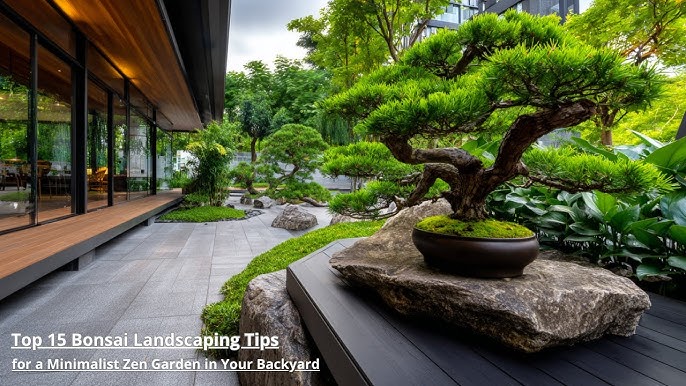
Incorporate natural stones and miniature figurines to enhance your bonsai garden’s aesthetic appeal. Arrange plants thoughtfully to create harmony and balance. Use vibrant pots to add color and draw attention to your design.
Incorporating aesthetic elements into your bonsai garden design creates a serene atmosphere. These elements enhance the natural beauty of your bonsai trees. By adding thoughtful touches, you can elevate the visual appeal of your garden.Complementary Accessories
Include accessories that blend with the bonsai environment. Choose items like small statues or decorative rocks. These can accentuate the natural beauty of the bonsai. A small water feature adds tranquility and elegance. Ensure each accessory complements the garden’s theme.Creating Visual Harmony
Achieving visual harmony is essential for a cohesive garden design. Balance the elements by considering color and texture. Use plants with varying leaf shapes and sizes. This creates a pleasing contrast. Arrange them in a way that flows naturally. Avoid clutter to maintain simplicity.Lighting And Shadows
Lighting plays a crucial role in highlighting bonsai features. Use soft lighting to create subtle shadows. This adds depth to the garden. LED lights can be energy-efficient and effective. Position the lights to accentuate the bonsai’s unique shape. Shadows can enhance the garden’s mystique and charm.Sustainability Practices
Create a bonsai garden design that embraces sustainability. Use organic soil and compost to nurture your plants naturally. Incorporate rainwater harvesting systems to reduce water consumption and promote eco-friendly growth.
Creating a bonsai garden design with sustainability practices enhances beauty and responsibility. It ensures the garden thrives while minimizing environmental impact. Choosing eco-friendly materials, conserving water, and recycling are key aspects. These practices not only preserve nature but also enrich your gardening experience.Eco-friendly Materials
Selecting eco-friendly materials makes a big difference. Use natural fertilizers and organic soil. They improve plant health and reduce chemical use. Choose pots made from recycled materials. This limits waste and supports green initiatives. Bamboo and coconut fiber are great options. They are sustainable and biodegradable.Water Conservation
Water conservation is crucial in a bonsai garden. Install a drip irrigation system. It delivers water directly to the roots, reducing waste. Mulching helps retain moisture in the soil. It prevents evaporation and keeps plants hydrated longer. Collect rainwater for watering. It’s a natural resource and saves on water bills.Recycling And Reusing
Recycling and reusing materials cut down on waste. Use old containers for new plants. They serve as unique pots and reduce clutter. Compost kitchen scraps to nourish the soil. It’s a natural way to recycle organic waste. Repurpose broken tools into garden art. It adds character and is environmentally friendly. These practices foster a sustainable bonsai garden. They protect the earth while creating a serene space.Frequently Asked Questions
What Materials Are Needed For A Bonsai Garden?
To create a bonsai garden, you’ll need bonsai trees, pots, soil mix, tools, and fertilizers. Choose pots that complement your trees and a soil mix that ensures good drainage. Essential tools include pruning shears and wire cutters. Regularly fertilize your bonsai to maintain its health and growth.
How Do I Choose The Right Bonsai Trees?
Select bonsai trees based on your climate and experience level. Beginners should consider hardy species like junipers or ficus. Ensure the tree’s size and style suit your garden space. Research each species’ care needs, including light, water, and soil requirements, to ensure successful growth.
How Often Should I Water My Bonsai?
Bonsai trees require regular watering, but frequency depends on species, climate, and season. Typically, water your bonsai when the topsoil feels dry. Avoid overwatering, as this can lead to root rot. Monitor your bonsai closely, especially during hot weather, to ensure it receives adequate moisture.
Can Bonsai Trees Grow Indoors?
Yes, many bonsai species can thrive indoors with proper care. Choose species like ficus or jade, which adapt well to indoor conditions. Ensure they receive adequate light and humidity. Regularly check for pests and provide consistent watering. Indoor bonsai also benefit from occasional outdoor exposure.
Conclusion
Creating a bonsai garden brings calmness and beauty to your home. Start small, using simple designs and easy-care plants. Balance is key; maintain harmony between elements. Regular pruning keeps your bonsai healthy and attractive. Choose pots that match the overall theme.
Water your plants regularly, but avoid overwatering. Remember to adjust placement for light and temperature. Enjoy watching your bonsai evolve and grow over time. With patience and care, your bonsai garden becomes a serene retreat. A perfect hobby for nature lovers.
Embrace the tranquility it offers.