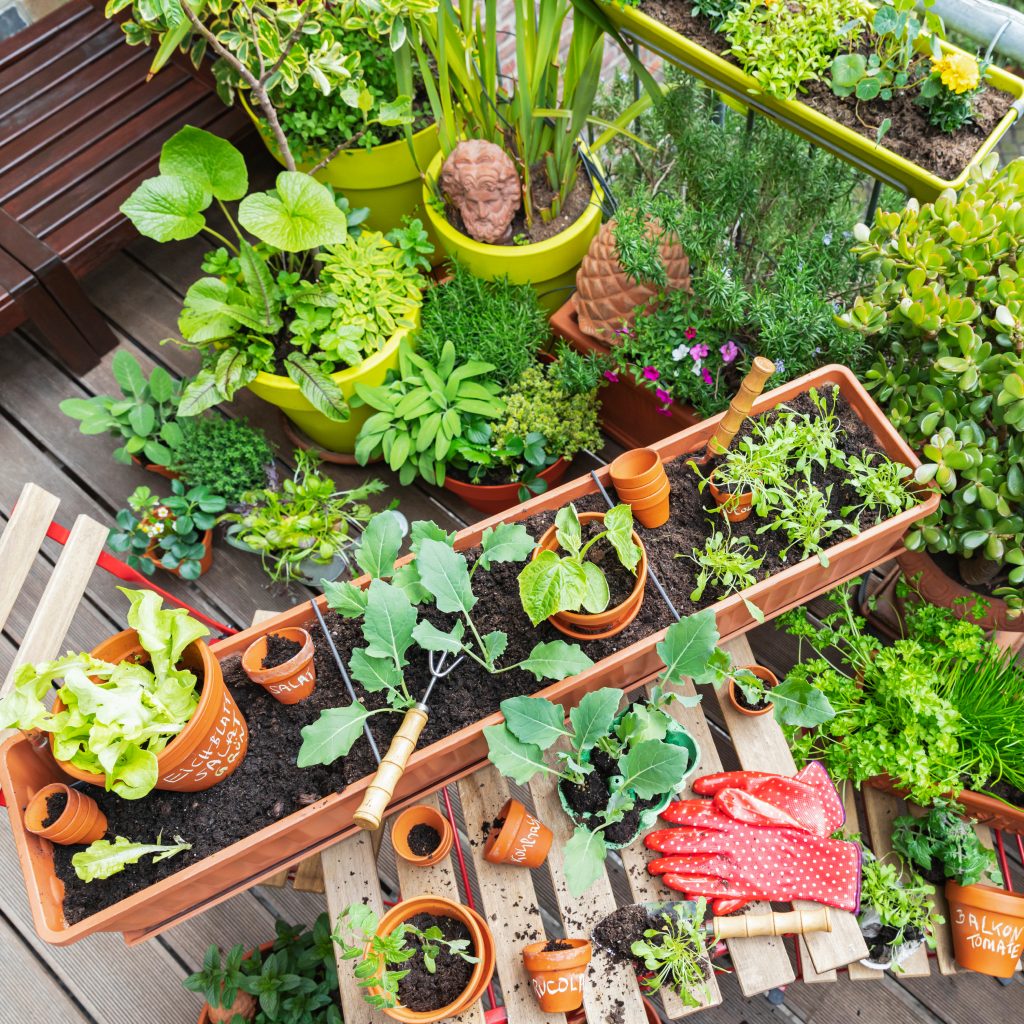
Imagine stepping into your home and being greeted by the vibrant colors and fresh scents of your own indoor vegetable garden. Not only does this provide a source of healthy, home-grown produce, but it also brings a piece of nature indoors, creating a serene and beautiful space.
You might be thinking that growing a vegetable garden indoors sounds challenging or time-consuming, but it doesn’t have to be. With a few simple steps and the right guidance, you can transform any space in your home into a flourishing garden.
In this guide, you’ll discover how to choose the best vegetables for indoor growth, understand the essentials for creating the perfect environment, and learn tips to ensure your plants thrive all year round. Whether you have a spacious room or just a small corner, you can cultivate a garden that not only nourishes your body but also calms your mind. Dive in and unlock the secrets to turning your home into a green sanctuary. Your indoor vegetable garden awaits!

Credit: www.wired.com
Benefits Of Indoor Vegetable Gardening
Indoor vegetable gardening offers fresh produce year-round, enhancing health and well-being. It saves space and reduces waste while providing a rewarding hobby.
Indoor vegetable gardening offers numerous advantages that make it an appealing option. It’s a great way to grow fresh produce all year round. You can enjoy home-grown vegetables without worrying about weather conditions. This type of gardening also allows for better control over pests and diseases. Plus, it provides a fantastic opportunity to engage in a rewarding hobby.Convenience And Accessibility
Growing vegetables indoors is convenient. You can tend to your garden any time. There’s no need to travel to a distant plot or deal with outdoor weather. Everything you need is right at your fingertips. It’s perfect for those with limited mobility or busy schedules.Year-round Harvest
Indoor gardening ensures a consistent harvest throughout the year. You can enjoy fresh produce regardless of the season. No more waiting for spring or summer to plant your favorite veggies. This means a constant supply of nutrition for your family.Space Efficiency
Indoor gardens require minimal space. You can grow a variety of vegetables in small areas. Use shelves, window sills, or dedicated garden containers. This is ideal for apartment dwellers or those with limited outdoor space.Enhanced Control
You have greater control over the growing environment. Adjust lighting, temperature, and humidity to suit your plants. This reduces the risk of pest infestations and diseases. It also helps in achieving optimal growth conditions.Eco-friendly Benefits
Indoor gardening can be more eco-friendly. It reduces reliance on commercial produce. You can recycle kitchen scraps as compost. This minimizes waste and promotes sustainable living practices.Therapeutic Experience
Tending to an indoor garden is therapeutic. It offers relaxation and stress relief. Watching plants grow can be calming and rewarding. Gardening indoors also encourages mindfulness and creativity.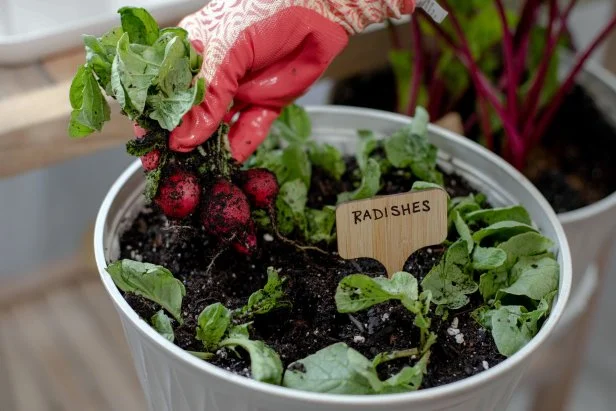
Credit: www.hgtv.com
Choosing The Right Space
Finding the perfect spot is key for indoor vegetable gardening. Ensure ample sunlight and space for containers. Consider the room’s temperature and humidity for optimal growth.
Choosing the right space for your indoor vegetable garden is crucial for a thriving harvest. You can’t just place your plants anywhere and expect them to flourish. Instead, consider your home’s unique conditions and what they can offer to your garden.Light Requirements
Light is the lifeline of your vegetable garden. Consider areas that receive natural sunlight for at least 6-8 hours a day. South-facing windows are often ideal as they capture the most sunlight. If natural light is scarce, artificial grow lights are a game-changer. LED grow lights are energy-efficient and provide the necessary spectrum for plant growth. Do you have a spot with ample light, or will you need to invest in some technology?Temperature Control
Vegetables need consistent temperatures to grow well. Typically, a range between 60-75°F (15-24°C) works best for most veggies. Avoid placing your garden near heating vents or drafty windows to prevent temperature fluctuations. Consider using a thermometer to monitor the temperature closely. Some gardeners have found success using small space heaters or fans to regulate the environment. How will you maintain that perfect temperature balance?Humidity Levels
Humidity can be a silent factor in your garden’s success. Most vegetables prefer humidity levels around 50-70%. If your home is too dry, plants can become stressed and wilted. Use a humidifier to maintain optimal moisture levels in the air. Alternatively, placing a shallow tray of water near your plants can also help increase humidity. Are you ready to create a haven of perfect humidity for your veggies? These considerations can make or break your indoor vegetable garden. By choosing the right space, you set the stage for a healthy and productive growing environment.Selecting Suitable Vegetables
Selecting Suitable Vegetables Choose vegetables that thrive in limited space and light, like lettuce, spinach, or radishes. Opt for fast-growing varieties to enjoy quicker harvests. Consider climate and indoor conditions to ensure healthy growth.
Selecting suitable vegetables for your indoor garden is a pivotal step in ensuring you have a thriving and productive garden. Not all vegetables are ideal for indoor growth, due to factors like space, light requirements, and growth time. By choosing the right ones, you can enjoy fresh produce year-round, even if space is limited. Here, we explore some of the best options for indoor gardening.Leafy Greens
Leafy greens like spinach, kale, and lettuce are excellent choices for indoor gardens. They require minimal space and thrive with moderate light. Growing these greens indoors ensures you have a steady supply of salad ingredients. Plus, they grow quickly, so you can enjoy fresh leaves within weeks. Do you have a favorite leafy green? Experiment with different varieties to find what grows best in your setup.Root Vegetables
Root vegetables such as carrots and radishes can thrive indoors with the right conditions. They require deeper containers to accommodate their growth. Ensure your soil is loose and well-drained to prevent stunted roots. These vegetables can be a delightful surprise, adding a crisp texture to your meals. Imagine pulling out fresh carrots from your container garden. It’s a rewarding experience that brings the farm to your kitchen.Herbs And Spices
Herbs like basil, mint, and cilantro are perfect for indoor gardens. They require little space and can thrive on a sunny windowsill. These aromatic plants not only enhance your cooking but also add a fresh fragrance to your home. Consider how often you use herbs in your meals. Growing them indoors ensures you always have fresh flavors at your fingertips. In your experience, which vegetables have been the easiest to grow indoors? Selecting the right ones can make your indoor gardening journey a fulfilling adventure.Essential Tools And Equipment
Creating a thriving vegetable garden indoors requires the right tools and equipment. These essentials make the process smooth and ensure healthy plant growth. By investing in quality containers, soil, and lighting, your indoor garden can flourish all year round.
Containers And Pots
Choose containers that suit the size of your plants. Deep pots are ideal for root vegetables like carrots and potatoes. Shallow containers work well for herbs and leafy greens. Ensure the pots have drainage holes to prevent waterlogging. Lightweight materials like plastic or fabric are easy to move and maintain.
Soil And Fertilizers
Opt for high-quality potting soil designed for indoor gardening. It should retain moisture while allowing air circulation. Organic fertilizers enrich the soil with nutrients. Liquid fertilizers are convenient for indoor use and provide balanced nutrition. Check labels for essential minerals like nitrogen, phosphorus, and potassium.
Grow Lights
Provide sufficient light to mimic sunlight for plant photosynthesis. LED grow lights are energy-efficient and last longer. Adjustable fixtures help target specific areas in your garden. Different plants need varying light intensities; research requirements for each type. Position lights 6-12 inches above the plants for optimal growth.
Planting And Caring For Your Garden
Growing a vegetable garden indoors offers fresh produce year-round. Use containers, good soil, and proper lighting for success. Regular watering and monitoring ensure healthy growth and delicious harvests.
Planting and caring for your indoor vegetable garden can be an incredibly rewarding journey. Bringing the joy of fresh produce into your home doesn’t just save money, it also provides a sense of accomplishment. But to nurture your indoor garden to its full potential, you need to master key aspects like seed starting, watering techniques, and pruning.Seed Starting
Starting seeds indoors is a crucial step in ensuring a thriving vegetable garden. Choose quality seeds from reliable sources, as they significantly impact your success. Utilize seed trays with drainage holes to prevent waterlogging. Place the trays in a warm spot, as seeds need warmth to germinate. A sunny windowsill or a heated propagator can work wonders. Ensure the growing medium remains moist but not soggy.Watering Techniques
Watering your indoor garden correctly is vital for healthy plant growth. Overwatering is a common mistake that can lead to root rot. Always check the top layer of soil; if it’s dry, it’s time to water. Use a spray bottle or a watering can with a fine spout to avoid disturbing the soil. In my experience, a consistent watering schedule helps keep plants thriving. But remember, plants have individual needs, so adjust as necessary.Pruning And Maintenance
Regular pruning and maintenance encourage robust growth and prevent disease. Remove any yellowing leaves or dead stems promptly. This not only improves plant health but also enhances air circulation. Keep an eye out for signs of pests and take immediate action. Natural remedies like neem oil can be effective against common pests. How often do you inspect your plants? Regular checks ensure you catch issues early, keeping your garden in top shape.
Credit: food52.com
Managing Pests And Diseases
Managing pests and diseases in an indoor vegetable garden requires attention to detail. Regularly inspect plants for signs of trouble and maintain a clean environment. Use natural remedies like neem oil or soap sprays to control outbreaks.
Managing pests and diseases in your indoor vegetable garden can be challenging but rewarding. Indoor environments might protect your plants from some external threats, but pests and diseases can still sneak in. The key to success lies in vigilance and proactive measures. By understanding natural pest control methods, identifying common diseases, and implementing preventive strategies, you can maintain a thriving indoor garden.Natural Pest Control
Natural pest control is your best friend in an indoor garden. You can use household items to keep pests at bay. A mixture of water and dish soap can be a simple and effective spray for aphids and spider mites. Consider introducing beneficial insects like ladybugs. They can help manage pests naturally without harming your plants. Another option is using neem oil, which is a natural pesticide that can deter many unwanted visitors. Always read labels to ensure safety for your specific plants.Identifying Common Diseases
Spotting diseases early is crucial to saving your plants. Yellowing leaves or wilting can signal a problem. Powdery mildew is a common issue indoors. Look for white, powdery spots on leaves as a sign. Root rot might occur if your plants are overwatered. Check for brown or mushy roots if your plant seems sickly.Preventive Measures
Prevention is better than cure when it comes to plant health. Ensure good air circulation in your garden to reduce humidity and deter mold. Regularly check your plants for signs of pests or disease. Early detection can save your harvest. Maintain clean tools and pots to avoid transferring diseases. Simple practices like these can make a huge difference. What strategies do you use to keep your indoor garden healthy? Share your insights in the comments below!Harvesting And Storage Tips
Proper timing ensures peak flavors in your indoor vegetable garden. Store harvested produce in a cool, dry place to maintain freshness. Regularly check for spoilage to enjoy your bounty longer.
Growing a vegetable garden indoors is both rewarding and enjoyable. However, knowing when and how to harvest and store your produce is crucial for maximizing your yield and ensuring freshness. Let’s dive into some practical tips and tricks for harvesting and storing your indoor-grown vegetables.When To Harvest
Timing is everything in harvesting. Picking your vegetables at the right moment ensures peak flavor and nutrition. Most leafy greens are ready when they reach a desirable size, usually within four to six weeks. Root vegetables like carrots or radishes can be checked by gently brushing away the soil to gauge their size. It’s not just about size; color is a great indicator. Tomatoes, for example, should be vibrant and firm. The key is to observe and learn what your vegetables should look like when they’re at their best. Remember, regular harvesting encourages more growth, so don’t hesitate to pick often.Proper Storage Methods
Once harvested, storing your produce correctly can significantly extend its life. Start by removing any dirt without washing the vegetables, as moisture can promote mold. Leafy greens should be wrapped in a damp paper towel and stored in a breathable bag in the fridge. Root vegetables thrive in a cool, dark place, similar to a traditional root cellar. If space permits, a crisper drawer in your refrigerator is ideal. Herbs can be kept fresh by placing the stems in water, like a bouquet, and covering them loosely with a plastic bag.Preserving Excess Produce
What do you do when your garden yields more than you can consume? Preserving is the answer. Freezing is a simple method; just blanch vegetables like spinach and beans before freezing them. This process helps retain their color and nutrients. Canning is another excellent option for long-term storage. Tomatoes, for example, can be easily canned and used in sauces or soups. If you enjoy a bit of experimentation, try pickling your excess cucumbers or radishes for a tangy treat. What preservation method will you try first? Embrace the abundance and savor your garden’s bounty all year round.Maximizing Yield And Efficiency
Growing vegetables indoors can boost your harvest. Use LED lights for efficient plant growth. Regular watering and proper soil choice enhance yield.
Maximizing yield and efficiency in your indoor vegetable garden requires thoughtful planning and execution. By harnessing strategies like succession planting, companion planting, and seasonal adjustments, you can enjoy a bountiful harvest year-round. These techniques not only optimize space but also enhance the quality and quantity of your produce. Let’s dive into these methods to see how they can transform your indoor gardening experience.Succession Planting
Succession planting involves staggering the planting of crops so that as one plant finishes its cycle, another begins. This technique ensures a continuous supply of fresh vegetables, maximizing your garden’s productivity. For instance, once your lettuce is harvested, you can immediately plant radishes or spinach in its place. Consider fast-growing crops like leafy greens and herbs, which can be rotated frequently. This keeps your garden alive and thriving, providing fresh produce without any gaps. Are you ready to enjoy a steady stream of homegrown veggies?Companion Planting
Companion planting is the art of growing plants that benefit each other side by side. Certain vegetables can enhance growth, deter pests, or improve flavor when planted together. Basil, for instance, can improve the taste of tomatoes and help repel insects. Creating a harmonious plant community can significantly boost your garden’s productivity. Think about the relationships between your plants—do they help or hinder each other? By pairing wisely, you can cultivate a healthier and more robust garden.Seasonal Adjustments
Seasonal adjustments are essential for maintaining a thriving indoor garden. Each season presents unique challenges and opportunities, influencing how you manage light, temperature, and humidity. For example, during winter, you might need to increase artificial lighting and ensure your plants are warm enough. In contrast, summer might require more ventilation and less intense light exposure. By aligning your gardening practices with the seasons, you can optimize growth conditions and ensure your plants’ needs are met. What changes will you make to adapt to the coming season?Frequently Asked Questions
How Much Light Do Indoor Vegetables Need?
Indoor vegetables require ample light for healthy growth. Ideally, they need 12-16 hours of light daily. Use grow lights or place them near windows for optimal exposure. Adjust the light intensity based on the type of vegetable and its growth stage for best results.
What Are The Best Vegetables To Grow Indoors?
Leafy greens like spinach and lettuce are ideal for indoor gardens. Herbs like basil and mint thrive indoors as well. Root vegetables such as radishes and carrots can be grown in containers. Choose compact and fast-growing varieties for efficient indoor gardening.
How Do I Maintain Humidity For Indoor Plants?
Maintaining humidity is crucial for indoor plants. Use a humidifier to keep levels between 40-60%. Group plants together to create a humid microenvironment. Mist leaves regularly or place a tray of water near plants to enhance humidity naturally.
Do Indoor Vegetable Gardens Need Special Soil?
Indoor vegetable gardens benefit from well-draining potting mix. Choose a mix with organic matter and perlite for aeration. Avoid using garden soil as it might compact and limit root growth. Ensure the soil retains moisture but drains excess water efficiently.
Conclusion
Growing a vegetable garden indoors offers many benefits. Fresh produce at your fingertips. Healthier eating habits. Plus, it’s a fun hobby. Start small with easy-to-grow vegetables. Use containers, good soil, and the right light. Pay attention to watering. Don’t overdo it.
Learn and adapt as you go. Mistakes happen, and that’s okay. Your indoor garden will thrive with care. Patience is key. Soon, you’ll enjoy fresh veggies all year round. Happy gardening!







