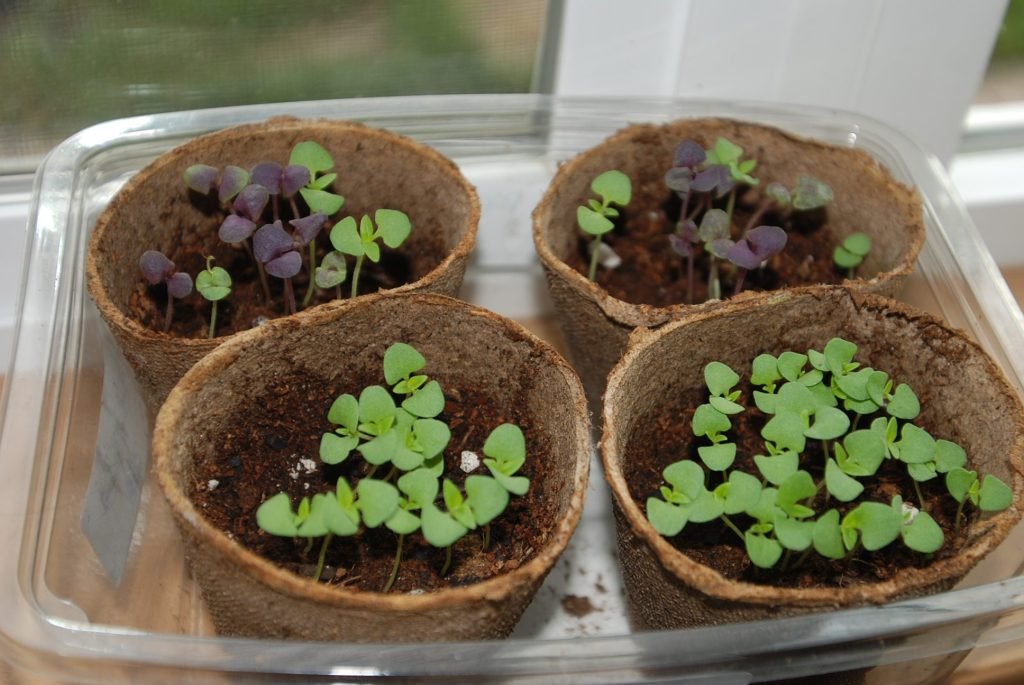
Imagine having fresh basil, mint, or cilantro at your fingertips, right in your kitchen. If you’ve ever dreamed of cultivating your own indoor herb garden, you’re not alone.
The joy of nurturing plants and the convenience of having aromatic herbs ready for your culinary creations are unbeatable. But here’s the secret: the success of your indoor herb garden starts with choosing the right soil. You might wonder why soil matters so much.
Well, the soil is the foundation of your plants’ health. The right soil can make the difference between lush, vibrant herbs and lackluster plants that struggle to survive. By selecting the ideal soil, you ensure your herbs have the nutrients, drainage, and environment they need to flourish. We’ll guide you through the essential factors to consider when choosing soil for your indoor herb garden. We’ll reveal the best options that promise to transform your herb-growing experience, making it easy and rewarding. Get ready to discover how the right soil can elevate your gardening game and keep your herbs thriving year-round. Your journey to a thriving indoor herb garden starts here.
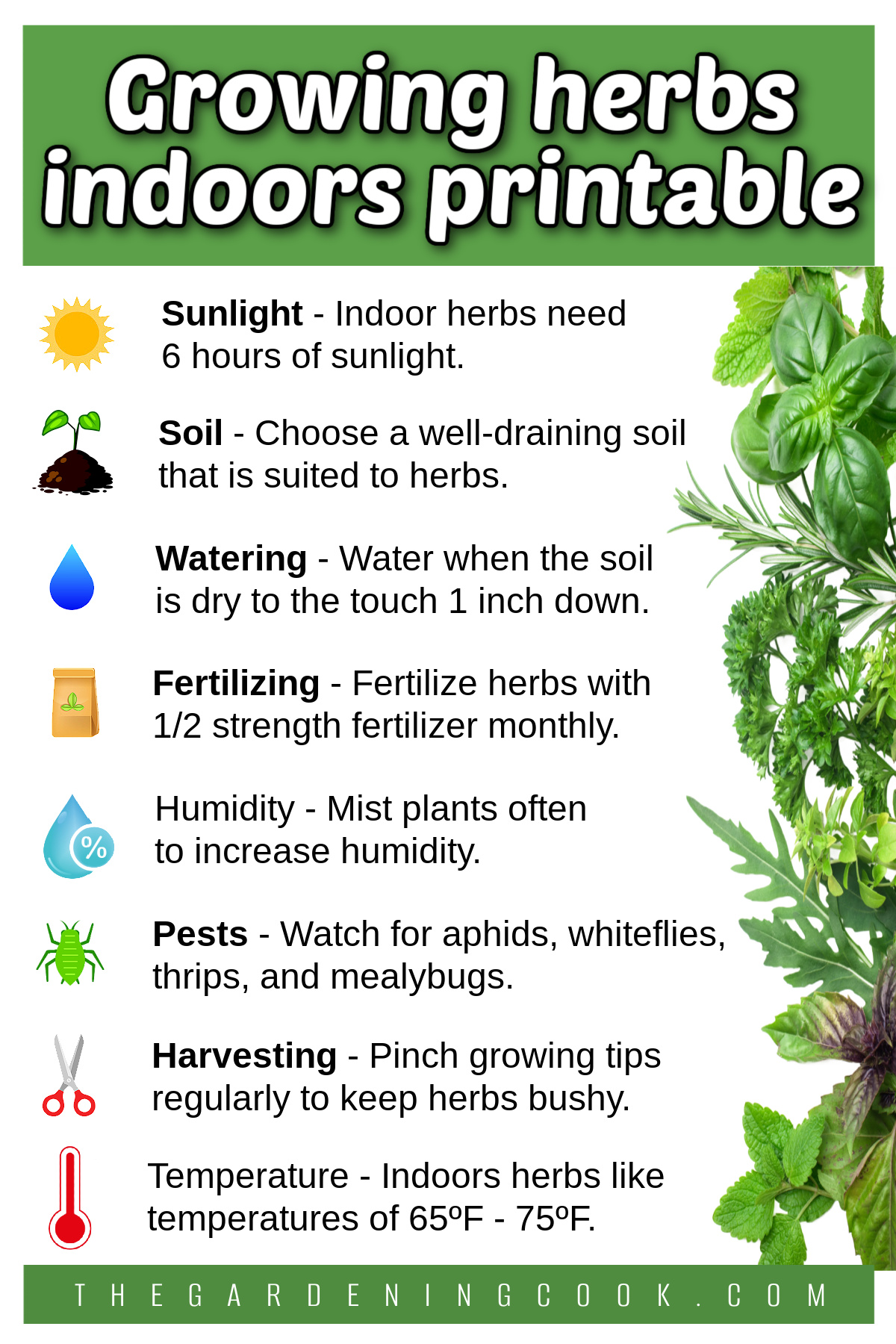
Credit: thegardeningcook.com
Choosing The Right Soil Type
Creating an indoor herb garden brings fresh flavors to your kitchen. The first step is choosing the right soil type. The soil impacts plant health, growth, and flavor. Understanding soil characteristics ensures your herbs thrive indoors.
Characteristics Of Good Soil
Good soil supports plant health and growth. It should have proper drainage to prevent waterlogging. Aeration is important for root development. Nutrient-rich soil boosts plant vitality. A balanced pH level supports herb growth. Light texture aids root penetration.
Common Soil Types For Herbs
Several soil types suit indoor herbs. Potting mix is popular for its balance of nutrients and drainage. Peat moss retains moisture well, ideal for herbs needing hydration. Coconut coir is eco-friendly, offering aeration and drainage. Vermiculite helps retain moisture, beneficial for herbs needing consistent watering. Perlite improves drainage, preventing root rot.
Essential Soil Components
Choose well-draining potting soil rich in organic matter for indoor herb gardens. Ensure it contains perlite or vermiculite to retain moisture while allowing air circulation. Avoid garden soil, which may compact in pots.
Creating the perfect indoor herb garden starts with choosing the right soil. Your herbs rely on specific soil components to thrive. Understanding these essential components can make a world of difference in the health and growth of your plants.Organic Matter Importance
Organic matter is the heart of good soil. It improves soil structure, water retention, and provides a habitat for beneficial microorganisms. Consider adding compost or well-aged manure for a rich, organic base that your herbs will love.Drainage And Aeration Factors
Good drainage is crucial to prevent root rot, a common issue in indoor gardens. Choose soil that allows water to pass through easily but retains enough moisture for your plants. Look for a mix with perlite or vermiculite; these elements create air pockets, ensuring roots get the oxygen they need.Nutrient Content Needs
Herbs require a balanced diet of nutrients to flourish. A soil rich in nitrogen, phosphorus, and potassium supports healthy growth and vibrant leaves. Check the soil package for a balanced N-P-K ratio to meet your herbs’ needs. Have you noticed your herbs wilting or turning yellow? It might be time to reassess your soil’s nutrient content. By focusing on these components, you’ll give your indoor herb garden the strong foundation it needs to thrive.Best Soil Mixes For Herbs
Choosing the right soil is vital for a thriving indoor herb garden. A lightweight potting mix with good drainage works best. Add perlite or sand to improve aeration and ensure herbs get enough nutrients.
Growing herbs indoors requires the right soil mix. This ensures your plants thrive and remain healthy. The ideal soil mix balances drainage and nutrients. Herbs need well-draining soil to prevent root rot. Selecting the best soil mix involves understanding the needs of your herbs. Consider commercial mixes or make your own. Both options provide excellent results.Commercial Potting Mixes
Commercial potting mixes are convenient and ready to use. They often contain peat moss, vermiculite, and perlite. These ingredients help with moisture retention and aeration. Some mixes include slow-release fertilizers. This gives herbs a steady nutrient supply. Look for mixes labeled for herbs and vegetables. They often have the right balance of nutrients. Avoid mixes with too much fertilizer. This can harm delicate herb roots.Diy Soil Mix Recipes
Creating your own soil mix is easy and cost-effective. Start with a base of peat moss or coconut coir. These materials retain moisture without compacting. Add perlite or coarse sand for drainage. This prevents water from pooling around the roots. Mix in a small amount of compost. It provides essential nutrients for growth. Adjust the mix based on specific herb needs. Some herbs prefer slightly acidic soil. Consider testing the pH for precision.Adjusting Soil Ph For Herbs
Adjusting soil pH for herbs is a critical step to ensure a thriving indoor herb garden. The right pH level can make all the difference between vibrant, flavorful herbs and lackluster ones. Each herb has its own preference for soil acidity, and understanding these nuances can transform your gardening experience. Imagine the satisfaction of harvesting lush basil or aromatic thyme, all made possible by fine-tuning your soil’s pH. So, how do you go about testing and correcting your soil’s pH?
Testing Soil Ph
To get started, you’ll need to test your soil’s current pH level. You can use a simple pH meter or test kit available at most garden centers. These tools are user-friendly and provide quick results. Consider testing soil from different pots if you’re growing multiple herbs, as the pH can vary.
Once you’ve got your readings, compare them to the optimal pH range for your specific herbs. Most herbs prefer a pH between 6.0 and 7.5, but it’s essential to check each plant’s needs. How do your results stack up?
Correcting Ph Levels
If your soil’s pH isn’t quite right, don’t worry. Adjusting it is straightforward with a few common amendments. To raise the pH, add lime; to lower it, use sulfur or peat moss. These changes can be made gradually to avoid shocking your plants.
As you adjust, keep testing the soil pH over time. This ensures you don’t overshoot your target and helps maintain ideal conditions. Have you noticed improved growth or flavor after adjusting the pH? It’s a rewarding process that can enhance your gardening success.
Remember, the pH level is just one factor in a healthy herb garden. Regular care and monitoring can help you create the perfect environment for your plants. Are your herbs thriving yet? Adjusting soil pH could be the missing piece in your gardening puzzle.
Maintaining Soil Health
Choosing the right soil ensures thriving indoor herb gardens. Opt for well-draining, nutrient-rich potting mix to support healthy growth. Organic matter like compost boosts soil fertility and moisture retention.
Maintaining soil health is vital for a thriving indoor herb garden. Healthy soil ensures that herbs receive the nutrients they need. It also helps in water retention and drainage. Without proper soil care, herbs may struggle to grow.Regular Soil Amendments
Regular soil amendments are essential for maintaining soil health. Use organic matter like compost or aged manure. These materials enrich the soil with nutrients. They also improve soil structure. Nutrient-rich soil promotes strong root development. Healthy roots lead to vibrant, aromatic herbs.Avoiding Soil Compaction
Avoiding soil compaction is crucial for plant growth. Compacted soil restricts root movement. It also reduces water and air flow. Use lightweight pots to prevent compaction. Consider adding perlite or vermiculite to the soil mix. These materials help keep the soil loose and airy. Loose soil is easier for roots to penetrate.Pest And Disease Management
Pest and disease management is necessary for a healthy garden. Inspect plants regularly for signs of pests. Remove any affected leaves or stems. Use natural pest control methods like neem oil. Ensure proper drainage to prevent root rot. Fungal diseases thrive in wet conditions. Keeping the soil healthy reduces the risk of pest and disease problems. A strong, resilient plant can better resist attacks.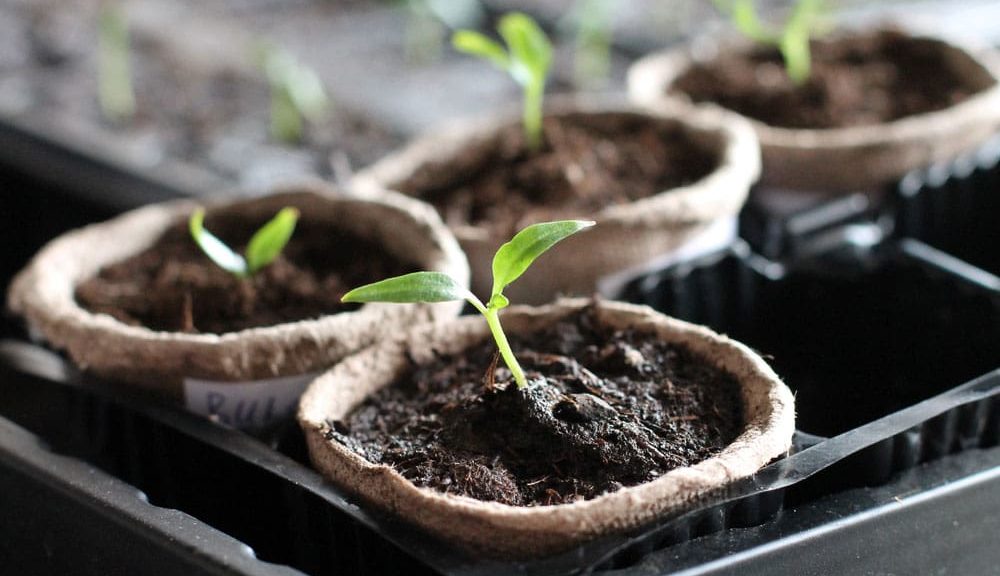
Credit: www.hozelock.com
Common Mistakes To Avoid
Creating a thriving indoor herb garden requires the right soil. Even with the best intentions, mistakes happen. Avoiding common pitfalls ensures your herbs flourish.
Overwatering Issues
Overwatering is a frequent error. It can drown your plants. Ensure the soil drains well. Choose a pot with drainage holes. This prevents water from pooling. Water only when the soil feels dry. Your herbs will thank you.
Over-fertilization Risks
Too much fertilizer harms herbs. They need nutrients, but excess can burn roots. Use a balanced, slow-release fertilizer. Apply sparingly. Follow package instructions. Less is often more with herbs. Healthy growth means moderation.

Credit: www.familyhandyman.com
Frequently Asked Questions
What Type Of Soil Is Best For Herbs?
The best soil for herbs is well-draining and nutrient-rich. A mix of potting soil, perlite, and compost works well. This combination ensures proper aeration and moisture retention. Look for soil with a pH level between 6. 0 and 7. 0.
This helps your herbs grow healthy and flavorful indoors.
Can I Use Garden Soil For Indoor Herbs?
Garden soil is not ideal for indoor herbs. It may compact and hinder root growth. It’s often heavy and lacks proper drainage. Choose a lighter potting mix instead. Garden soil might also contain pests or diseases. Indoor herbs need a sterile, well-draining environment to thrive.
How To Improve Drainage In Herb Soil?
To improve drainage, mix perlite or coarse sand into your soil. These materials help water move through the soil easily. Ensure pots have drainage holes. This prevents waterlogging, which can harm roots. A layer of gravel at the bottom of pots can also enhance drainage.
Is Organic Soil Better For Herb Gardens?
Organic soil is better for herb gardens due to its natural nutrients. It lacks synthetic chemicals, promoting healthier growth. Organic soil supports beneficial microbes. These enhance nutrient uptake. Choosing organic also aligns with sustainable practices. It’s ideal for producing flavorful and safe herbs.
Conclusion
Choosing the right soil is essential for your indoor herb garden. Good drainage and aeration help herbs grow strong and healthy. Use a potting mix that retains moisture but drains well. Organic matter like compost enriches the soil. Avoid garden soil; it’s too dense for pots.
Consider adding perlite or vermiculite for better aeration. Test the soil’s pH level; most herbs prefer slightly acidic to neutral pH. Keep experimenting to find what works best for your herbs. Happy gardening, and enjoy your fresh herbs!