Have you ever stood in front of your garden, seeds in hand, wondering just how much you should plant? You’re not alone.
Many gardeners face this dilemma each season. Plant too little, and you miss out on a bountiful harvest. Plant too much, and you might find yourself overwhelmed with more veggies than you can handle. Imagine walking out to your garden, the sun warming your back, and seeing rows of vibrant, healthy plants.
Picture the joy of picking fresh tomatoes, crunchy carrots, and fragrant herbs that you grew yourself. This dream can be yours with a little planning. We’ll give you the simple steps to determine the perfect amount to plant. You’ll learn how to tailor your garden to fit your needs, ensuring you harvest just the right amount. Stick with us, and you’ll soon have a garden that fills your table without overwhelming your schedule. Let’s dig in!
Factors To Consider
Consider the space available for planting and the types of vegetables you enjoy eating. Plan for seasonal changes and crop rotation. Keep in mind the time and effort you can dedicate to garden maintenance.
Planting a vegetable garden can be incredibly rewarding, but knowing how much to plant requires careful consideration. You don’t want to end up with too much produce that goes to waste or too little that doesn’t meet your needs. Several factors come into play when determining the right amount to plant. These factors ensure that your garden thrives and aligns with your goals, whether you’re feeding a family or simply enjoying the bounty of home-grown veggies.Garden Size
The size of your garden plays a crucial role in deciding how much you can plant. Larger spaces allow for more variety and quantity, but even small gardens can be productive with smart planning. Think about what you love to eat and how much space each vegetable needs. Tomatoes, for example, require more room than radishes. It’s essential to maximize your space efficiently. Consider vertical gardening techniques or container gardening if you’re limited on ground space. These methods can help you grow more in less area.Climate And Season
Your local climate and the season greatly impact planting decisions. Some plants thrive in cooler weather, while others need the heat of summer. Research the best planting times for each vegetable. Lettuce prefers spring and fall, while peppers love the summer heat. Adapt your planting schedule based on your climate. If you live in a region with a short growing season, consider starting seeds indoors.Soil Quality
Healthy soil is the foundation of a thriving vegetable garden. The quality of your soil affects growth and yield. Test your soil to understand its composition and nutrient levels. Amend it with compost or fertilizers to improve its quality. Consider the needs of specific plants. Root vegetables like carrots need loose, well-drained soil, while others might require more organic matter. Thinking about these factors ensures your garden is productive and satisfying. What’s your biggest challenge when planning your garden?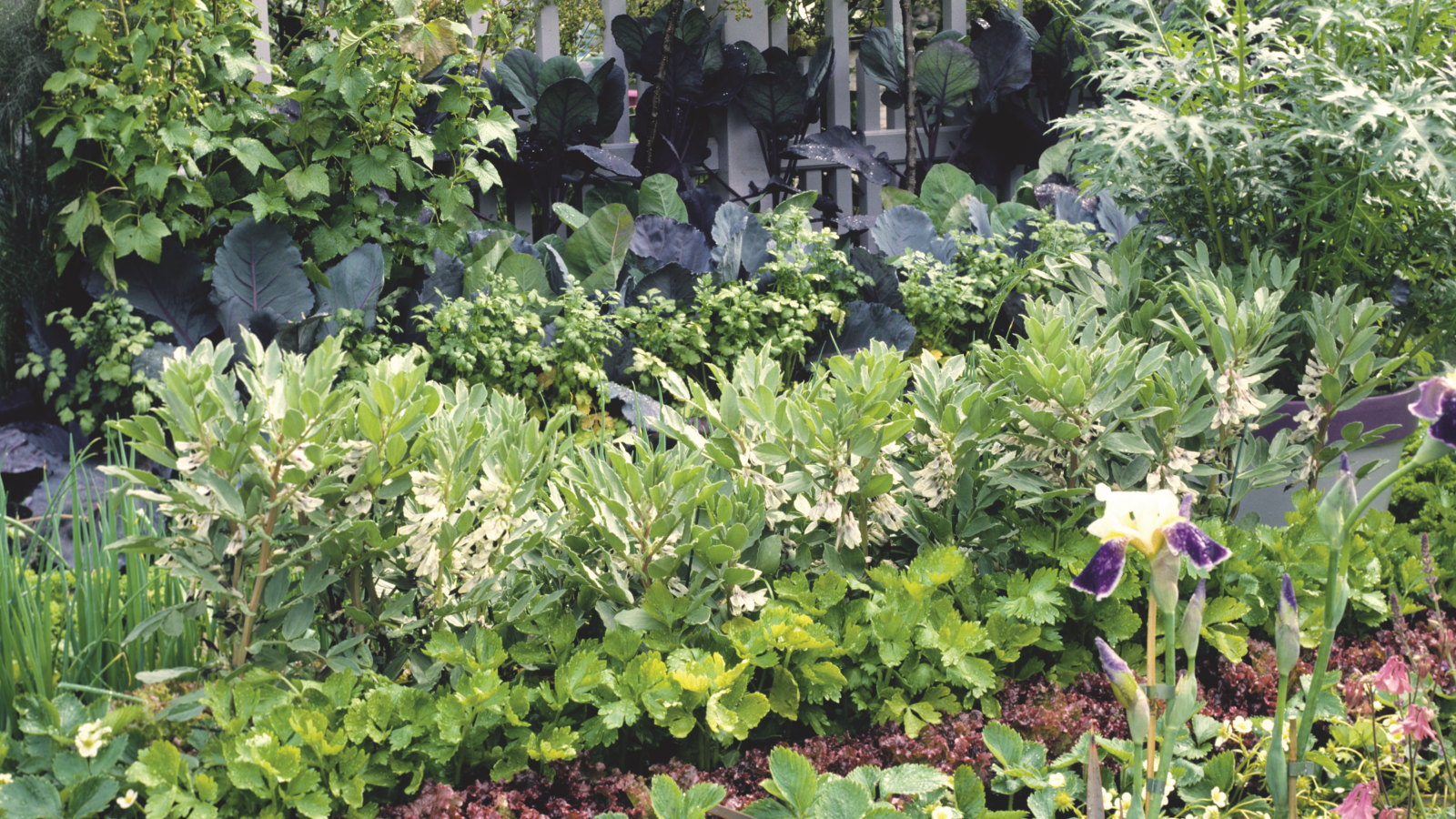
Credit: www.homesandgardens.com
Choosing Vegetables
Calculate space and resources before planting vegetables. Consider the garden size and family needs. Choose crops wisely for optimal yield.
Choosing the right vegetables for your garden is essential. It determines how much you can harvest. Consider your family’s preferences first. Growing what you love to eat ensures nothing goes to waste. Also, think about your local climate. Some vegetables thrive in cooler weather, while others need the warmth. Your garden’s size also matters. Some plants need more space to grow.Popular Choices
Many gardeners love to plant tomatoes. They’re versatile and tasty in many dishes. Carrots are another favorite. They’re easy to grow and store well. Lettuce is a great choice for fresh salads. It’s quick to mature, giving you a fast harvest. Zucchini grows rapidly and can produce a lot. Green beans are also popular. They require little maintenance and yield abundantly. Consider these choices for a successful garden.Crop Rotation
Crop rotation is crucial for a healthy garden. It helps prevent soil diseases and pests. Each year, change the location of your crops. This keeps the soil fertile and balanced. For instance, plant beans where you grew tomatoes last year. Beans add nitrogen to the soil, benefiting next year’s plants. Rotate leafy greens with root vegetables. This practice improves soil structure and nutrient availability. Keep a simple garden plan to track your rotations. It ensures a thriving garden season after season.Planning The Layout
Planning the Layout Consider your family’s needs and space availability when deciding how much to plant. Growing a variety of vegetables ensures a bountiful and balanced harvest.
Planning the Layout of your vegetable garden is crucial for a successful harvest. The layout impacts plant growth and ease of maintenance. You need to consider space, sunlight, and water access. Organize your garden efficiently to maximize yield.Row Vs. Bed Planting
Row planting involves organizing plants in straight lines. It is suitable for large gardens with ample space. This method allows easy access for watering and harvesting. Rows can be ideal for crops needing space for root expansion. Bed planting, on the other hand, groups plants together in rectangular plots. It is great for small gardens. This method uses space efficiently and allows for better soil management. Beds can be raised or in-ground, depending on your preference.Companion Planting
Companion planting involves placing specific plants together for mutual benefits. Some plants improve soil nutrients for others. For example, beans can enrich the soil with nitrogen. Others repel pests naturally, protecting neighboring plants. Marigolds can deter harmful insects. Certain plants can also enhance each other’s growth. Basil can improve the flavor of tomatoes. Understanding these relationships helps optimize garden productivity. Create a harmonious environment for your plants.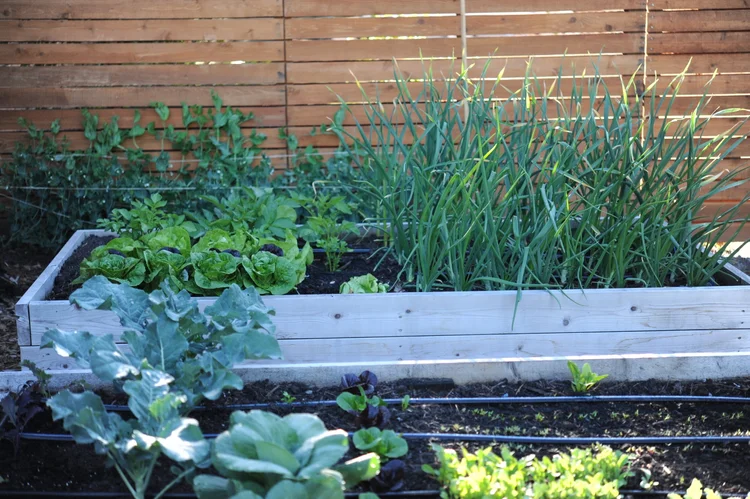
Credit: www.seattleurbanfarmco.com
Estimating Planting Quantities
Determine planting quantities by considering your family’s eating habits and garden space. This helps avoid waste and ensures a bountiful harvest. Keep in mind factors like crop yield and seasonal preferences.
Estimating how much to plant is vital for a successful vegetable garden. Consider your household’s consumption and storage plans. Proper planning avoids waste and maximizes harvest potential.Family Needs
First, consider your family’s eating habits. Think about which vegetables are favorites. Assess how often your family eats them. Then, estimate how much is needed weekly. Multiply that by the growing season length. For example, if your family eats salad twice a week, you might need more lettuce. If tomatoes are a staple, plant accordingly. Understanding these needs helps in planning your garden space effectively.Preservation Plans
Next, think about preserving vegetables for later use. Do you want to can, freeze, or dry your produce? Determine how much preserved food your family consumes. For freezing, you might need extra beans or peas. For canning, consider more tomatoes or cucumbers. Calculate the extra quantities based on preservation goals. This ensures you have enough produce for both fresh use and storage. Proper planning leads to a bountiful harvest and less waste.Succession Planting Strategies
Determining how much to plant involves considering harvest frequency and garden size. Succession planting ensures continuous yield by staggering planting times. This strategy maximizes space and maintains a fresh supply of vegetables throughout the season.
Growing a bountiful vegetable garden requires more than just planting seeds in spring and harvesting in fall. Succession planting strategies are essential to ensure you get the most out of your available space and time. By planning and staggering your plantings, you can enjoy a continuous supply of fresh produce throughout the growing season. Let’s dive into some effective strategies that can help you maximize yields and extend your harvest.Maximizing Yields
To make the most of your garden space, consider planting fast-growing crops like radishes or lettuce. These can be harvested quickly, allowing you to replant the same area with a different crop in the same season. Try rotating crops of different families to maintain soil health and reduce pest issues. For example, after harvesting early peas, plant carrots or beets in their place. Planting in blocks instead of rows can also increase your yield. This method reduces wasted space and creates a microclimate that supports plant growth.Extending Harvest
Stagger your plantings to extend the harvest season. Instead of planting all your lettuce at once, sow seeds every two weeks. This ensures you have fresh greens throughout the season instead of a single glut. Consider using cold frames or row covers to protect plants from early frosts and extend their growing period into late fall. This way, you can enjoy fresh vegetables like kale and spinach even as the days grow shorter. Ask yourself how you can use different varieties to prolong your harvest. Some tomato varieties ripen early, while others take longer. Planting a mix ensures you have tomatoes over a more extended period. By applying these succession planting strategies, you can cultivate a garden that keeps on giving, providing fresh, homegrown produce from spring to late fall. What will you plant next?Managing Space And Resources
Deciding how much to plant in your vegetable garden depends on space and family needs. Consider the growing season and available resources. Planning ensures efficient use of space and maximizes harvest.
Managing space and resources in your vegetable garden is a crucial aspect of maximizing your yield. You don’t need a sprawling backyard to grow an abundant garden. With some strategic planning, even a small area can turn into a productive space.Vertical Gardening
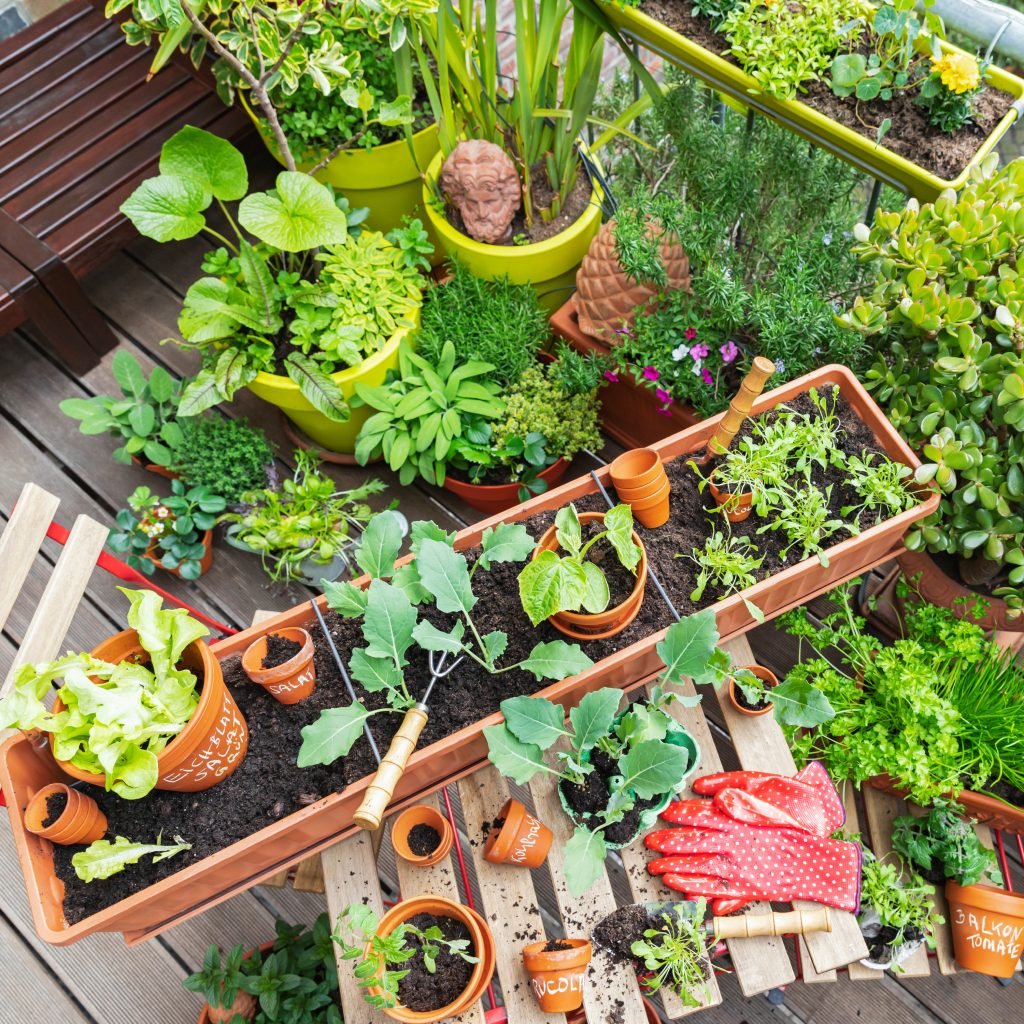
Vertical gardening is a game-changer. It allows you to grow more in less space by utilizing vertical planes. Think about using trellises or hanging pots for plants like tomatoes, cucumbers, and beans. Consider wall planters or stacking pots to add more growing room. This not only saves ground space but also adds aesthetic appeal to your garden. By growing upwards, you can create a lush and vibrant garden even in the smallest of areas.Efficient Water Use
Water is a precious resource, and efficient use in your garden is vital. Drip irrigation systems are a fantastic way to ensure your plants receive consistent hydration without wastage. They deliver water directly to the plant roots, reducing evaporation. Collecting rainwater can also be a sustainable watering solution. Set up barrels to capture rain and use it during dry spells. This not only saves money but also helps conserve water for the environment. By managing space and resources wisely, your vegetable garden can flourish, providing a bountiful harvest. What creative techniques will you try in your garden this season?Common Mistakes
Many gardeners plant too much without considering space and maintenance needs. Ignoring crop yield and growth patterns can lead to overcrowding. Select plants wisely to ensure a thriving vegetable garden.
Planting a vegetable garden can be a rewarding endeavor, but it’s easy to make mistakes that can hinder your success. Understanding common pitfalls can help you avoid frustration and make the most of your garden space. Let’s explore some frequent errors that gardeners encounter.Overplanting
Many gardeners fall into the trap of planting too much. It’s tempting to fill every inch of your garden with seeds and seedlings, but this can lead to overcrowding. When plants are too close together, they compete for nutrients, water, and sunlight. This can stunt growth and result in smaller yields. Think about how much space each plant needs. Check seed packets for guidance, and consider how big your plants will get. It’s better to have fewer healthy plants than a crowded garden with stunted growth.Ignoring Local Advice
Your local gardening community is a goldmine of information. Ignoring advice from experienced gardeners in your area can lead to poor results. Climate, soil type, and regional pests vary widely, and local experts can provide valuable insights. They might suggest varieties that thrive in your area or warn you about common issues. Have you ever asked a neighbor what grows well in their garden? You might be surprised at the helpful tips they can offer. Embrace local wisdom to ensure your garden flourishes. By avoiding these mistakes, you’ll be well on your way to creating a thriving vegetable garden. Are you ready to dig in and plant wisely?
Credit: medium.com
Tools And Resources
Explore essential gardening tools and resources to determine the right amount to plant in your vegetable garden. Consider plant types, space, and family needs for optimal harvest results.
Planning how much to plant in your vegetable garden can feel like a daunting task. But with the right tools and resources, you can transform this challenge into an exciting and rewarding experience. In this section, we’ll explore some of the best tools and resources available to help you make informed decisions about your garden’s potential.Gardening Apps
Gardening apps are a fantastic resource for both novice and experienced gardeners. They can help you plan your garden layout, track plant growth, and provide specific recommendations based on your local climate. Imagine having a personal gardening assistant in your pocket. Apps like Gardena, PlantSnap, and Gardenize offer features such as weather forecasts, plant identification, and even pest control tips. These apps often include community features where you can share your garden’s progress and learn from others. Have you tried leveraging technology to optimize your gardening efforts?Community Support
Community support is a powerful tool for gardeners. Whether it’s through local gardening clubs, online forums, or social media groups, connecting with fellow gardeners can provide invaluable insights. Engaging with your community can help you discover what grows best in your area and how to tackle local gardening challenges. Sharing experiences and tips can not only improve your gardening skills but also build a sense of camaraderie. Have you reached out to your local gardening community yet?Frequently Asked Questions
How To Determine Vegetable Garden Size?
To determine your vegetable garden size, consider your available space, desired crops, and consumption needs. Start small if you’re new to gardening. Assess your household’s weekly vegetable intake to guide your planting decisions. Balance between variety and quantity ensures efficient use of space and resources.
What Factors Influence Planting Quantity?
Several factors influence planting quantity, including family size, vegetable preferences, and space availability. Consider crop yield, growth duration, and seasonal planting. Research each vegetable’s space requirements for optimal growth. Proper planning and spacing can maximize harvest and minimize waste.
How Many Plants Per Vegetable Type?
The number of plants needed per vegetable type varies. For tomatoes, 3-5 plants can suffice for a family. Lettuce requires more, typically 8-10 plants. Consider growth patterns and harvest frequency. Adjust based on your family’s consumption and garden space.
What Should Beginners Plant First?
Beginners should start with easy-to-grow vegetables like lettuce, radishes, and tomatoes. These require minimal space and maintenance. Choose vegetables that suit your climate and soil. Starting small with familiar favorites can boost confidence and gardening skills.
Conclusion
Deciding the right amount to plant takes thought and care. Small gardens need just a few plants. Larger spaces allow for more variety. Consider your family’s needs. Think about how much you consume. Plan for storage if you grow extra.
Balance between what you love and what grows well. Experiment with different plants each season. Learn from each harvest. Keep notes on what works best. Gardening brings joy and fresh food. Make adjustments as needed. Enjoy the process and your garden’s bounty.
Happy planting!