Imagine transforming your living space into a lush, green oasis with an indoor vertical garden. It’s not just a beautiful addition to your home; it’s a way to bring nature indoors and elevate your well-being.
But there’s one key to keeping this vibrant greenery thriving: proper watering. You might wonder, how do you water an indoor vertical garden efficiently without making a mess or overwatering? That’s exactly what you’ll discover in this guide. You’ll learn simple, practical techniques tailored to the unique needs of your vertical garden.
With these tips, you’ll ensure your plants receive just the right amount of hydration, promoting healthy growth and enhancing the beauty of your indoor sanctuary. Stick around, because mastering this skill will not only make your garden flourish but also turn you into a confident indoor gardener. Let’s dive in and unleash your green thumb!
Benefits Of Vertical Gardens
Vertical gardens are not just trendy; they come with a multitude of benefits that can transform your living space. Whether you are short on space or simply want to add a touch of nature indoors, vertical gardens are a fantastic choice. Let’s dive into some of the advantages that make them a compelling option for any home.
Space Efficiency
Have you ever felt your living area is too cramped for a garden? Vertical gardens offer a smart solution. They utilize walls, freeing up floor space for other uses. You can grow a variety of plants, even in a small apartment. Imagine having fresh herbs at arm’s reach without cluttering your kitchen counters. It’s a small change that makes a big difference in tight spaces.
Aesthetic Appeal
Vertical gardens add a unique visual element to your home. They serve as living art pieces that change and grow over time. Picture a wall adorned with cascading vines or colorful flowers that greet your guests. It’s a conversation starter and a wonderful way to express your personality. Plus, the lush greenery can create a calming atmosphere.
Improved Air Quality
Indoor air can sometimes feel stagnant, but plants are natural air purifiers. Vertical gardens can significantly improve the air quality in your home. Plants absorb carbon dioxide and release oxygen, creating a fresher environment. Consider this: your vertical garden is not just decorative; it’s actively working to keep your air clean. How might cleaner air impact your daily life?
Incorporating a vertical garden in your home is not just about the plants; it’s about enhancing your living space in multiple ways. As you think about setting up your own, consider these benefits. You might find more than just a gardening hobby; you could discover a healthier and more visually appealing home.

Credit: www.amazon.com
Choosing The Right Watering System
Selecting the right watering system ensures healthy plants in your indoor vertical garden. Choose drip irrigation for precise water control, or go for self-watering pots to reduce maintenance. Automated systems can make care easier, keeping your plants thriving with minimal effort.
Choosing the right watering system for your indoor vertical garden can make or break your gardening success. Each method caters to different needs and gardening styles. By understanding your options, you can ensure that your plants thrive without over or under-watering them. Here’s a breakdown of some popular watering systems to consider:Drip Irrigation
Drip irrigation is a highly efficient way to water your vertical garden. It delivers water directly to the plant roots, minimizing waste. This system is perfect if you’re aiming for consistency and want to automate your watering schedule. Installation can be a bit tricky, but once set up, it saves time and reduces water usage. You can adjust the flow rate to match the needs of different plants. Imagine waking up to healthy, hydrated plants without lifting a finger—drip irrigation does just that.Self-watering Planters
Self-watering planters are ideal for gardeners who often forget to water their plants. They come with a reservoir that gradually feeds water to the soil. This setup ensures your plants get a steady supply of moisture without you needing to check them daily. These planters are a great option if you travel frequently or have a busy schedule. They can also prevent over-watering, which is a common issue in indoor gardening. Is there anything better than having peace of mind knowing your plants are cared for even when you’re not around?Manual Watering Methods
Manual watering methods are straightforward and budget-friendly. With a watering can or a simple spray bottle, you can control the amount of water each plant receives. This method offers a hands-on approach, letting you connect with each plant individually. It’s beneficial if you have a small garden or enjoy the therapeutic process of watering your plants. However, it requires regular attention and can be time-consuming. Are you ready to commit to a daily routine that brings you closer to your green companions? Choosing the right watering system depends on your lifestyle and the specific needs of your plants. Whether you prefer automation or a more hands-on approach, there’s a solution that fits your gardening style.Determining Water Needs
Understand the specific water needs of your indoor vertical garden. Check soil moisture regularly using your finger. Adjust watering based on plant type and environmental factors like light and humidity.
Determining the water needs of your indoor vertical garden is crucial to its success. Overwatering can drown your plants, while underwatering can leave them parched. Striking the right balance ensures healthy growth and a thriving garden. Let’s dive into the factors that affect how much water your plants need.Plant Types And Requirements
Different plants have different water needs. Succulents, for example, thrive with less water and prefer to dry out between watering. In contrast, ferns love moisture and require more frequent watering. It’s important to know the specific needs of each plant in your vertical garden. Group plants with similar water requirements together to make your watering routine easier. This way, you won’t have to worry about over- or under-watering individual plants.Climate Considerations
The climate inside your home can greatly affect your watering schedule. If your home is dry, especially in winter when the heater is on, your plants may need more frequent watering. On the other hand, if you live in a humid environment, your plants may require less water. Consider the placement of your vertical garden as well. Gardens near windows with direct sunlight might dry out faster. Keep an eye on the soil moisture and adjust your watering routine as needed.Seasonal Adjustments
Seasons change, and so do your plants’ water needs. During the growing season (spring and summer), your plants may require more water to support their growth. In the dormant season (fall and winter), they generally need less. Monitor your plants closely as the seasons transition. Are their leaves wilting or showing signs of overwatering? Adjust your watering schedule accordingly to keep your vertical garden lush and vibrant year-round. How do you determine your plants’ water needs? Consider these factors and tailor your watering routine to fit the unique conditions of your indoor vertical garden.Watering Techniques
Ensure even water distribution by using drip irrigation for your indoor vertical garden. Maintain consistent moisture levels without overwatering. Adjust the water schedule based on plant needs and environmental conditions.
Watering Techniques Creating a lush indoor vertical garden brings nature into your home. Watering is a crucial aspect of maintaining its health. Use various watering techniques to ensure your plants thrive. Learn about top watering, bottom watering, and misting to keep your vertical garden flourishing.Top Watering
Top watering is simple and effective. Pour water directly over the soil. This method ensures water reaches the roots. Use a watering can with a narrow spout for precision. Avoid overwatering to prevent root rot. Check soil moisture regularly. Adjust your watering frequency based on plant needs.Bottom Watering
Bottom watering allows the soil to soak up moisture from below. Place pots in a tray filled with water. Let the plants absorb water for about 30 minutes. This method promotes healthy root growth. It prevents surface waterlogging. Ensure the pots have drainage holes. Check if the soil is evenly moist after watering.Misting
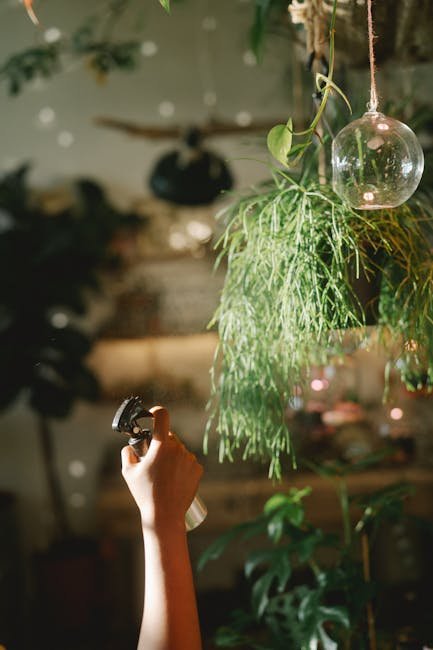
Misting is ideal for plants needing high humidity. Spray water over leaves using a fine mist. It helps in maintaining moisture levels. Misting prevents leaves from drying out. Do it in the morning for best results. Avoid misting late in the evening. Check the leaves for moisture after misting. Repeat as needed for optimal humidity.Monitoring Soil Moisture
Monitoring soil moisture is crucial for watering indoor vertical gardens. Check soil with a moisture meter regularly. Adjust watering based on plant needs and environmental conditions.
Monitoring the soil moisture in your indoor vertical garden is crucial. It ensures your plants thrive in a healthy environment. Consistent moisture levels prevent overwatering and underwatering. Both can harm plant growth. There are several ways to monitor soil moisture effectively.Using Moisture Meters
Moisture meters are a handy tool. They provide accurate moisture readings. Insert the probe into the soil. The meter will display the moisture level. Choose a meter with a clear display. This ensures easy reading. It helps you maintain optimal moisture levels.Visual Inspection
Visual inspection is a simple method. Look at the soil surface. A dark color indicates moisture. A light color means the soil is dry. Check for dry, cracked soil. This suggests a need for watering. Regular visual checks help maintain moisture balance.Touch Testing
Touch testing is straightforward. Use your finger to feel the soil. Insert it about an inch deep. Moist soil feels cool and damp. Dry soil feels warm and crumbly. Touch testing helps gauge if watering is needed. It’s a quick and easy way to check soil moisture.
Credit: www.youtube.com
Avoiding Overwatering
Proper watering is key to maintaining indoor vertical gardens. Ensure soil moisture balance to prevent root rot. Use a moisture meter to check the soil’s dampness before watering.
Watering an indoor vertical garden can be tricky. Overwatering is a common mistake. It can harm your plants more than underwatering. Knowing how to avoid it is key for healthy growth.Signs Of Overwatering
Overwatered plants show clear signs. Yellowing leaves are a major indicator. Leaves may also feel soft or mushy. Watch for mold or fungus on the soil. Dropping leaves can also occur. These signs suggest too much water.Preventive Measures
Choose the right soil. Well-draining soil helps prevent water buildup. Use containers with drainage holes. These allow excess water to escape. Avoid using heavy pots without drainage. Check the weight of the pots. Lighter weight can mean proper moisture levels. Use a moisture meter. It gives an accurate reading of soil moisture.Adjusting Watering Frequency
Consider plant type and size. Different plants need different amounts. Small plants may require less water. Observe the environment. Humid areas need less frequent watering. Cooler months may reduce water needs. Check the soil surface before watering. It should feel dry to touch. This ensures you are not overwatering. Adjust based on seasonal changes. This prevents unnecessary watering.Maintaining Water Quality
Keep water quality high by using distilled water for your indoor vertical garden. Regularly check for signs of overwatering to avoid root rot.
Maintaining water quality in your indoor vertical garden is essential. It keeps plants healthy and vibrant. Poor water quality can lead to plant stress and disease. You must ensure that your water is clean and free from harmful substances. This enhances plant growth and reduces potential problems.Using Filtered Water
Filtered water is ideal for indoor gardens. It removes impurities and harmful chemicals. Tap water can contain chlorine and other additives. These can harm your plants over time. Using a filter ensures your plants receive the purest water. It also helps to prevent potential damage.Preventing Mineral Buildup
Mineral buildup can occur with regular tap water use. It leaves white residues on your plants and equipment. This can affect plant health and growth. To prevent this, use distilled or rainwater. They contain fewer minerals and reduce buildup risk. Regularly clean your system to remove any deposits.Regular System Checks
Frequent system checks are crucial. Inspect your water reservoir and delivery systems. Look for clogs, leaks, or mold. These can affect water quality and plant health. Regular checks ensure that everything functions properly. This helps maintain optimal conditions for plant growth.Expert Tips For Successful Watering
Ensure even watering by using a spray bottle for your indoor vertical garden. Check soil moisture regularly to avoid overwatering. Proper drainage is essential for plant health.
Cultivating an indoor vertical garden is a rewarding journey, and successful watering is a crucial aspect of keeping your plants thriving. Whether you’re a seasoned gardener or just starting, understanding the nuances of watering can significantly impact your garden’s health. Let’s explore some expert tips to ensure your watering routine is spot-on.Consistency Is Key
Watering your vertical garden consistently helps maintain the delicate balance your plants need. Try to develop a watering schedule that suits your plant’s specific needs. Use reminders or alarms to ensure you don’t skip watering sessions. Inconsistent watering can stress plants, leading to stunted growth or even wilting.Consider Plant Age
Young plants often have different water needs compared to mature ones. Seedlings typically require more frequent watering because their root systems are still developing. As your plants mature, their watering frequency might decrease, but they may need more water per session. Adjust your watering can or system to match these needs without overdoing it.Adapting To Growth Changes
Your vertical garden is not static; it evolves as plants grow. This growth can affect how water is distributed, especially if larger plants start to overshadow others. Regularly assess your garden’s layout and make adjustments to your watering routine. Perhaps you’ll need to water more frequently or alter the water flow to ensure every plant is adequately nourished. Ask yourself: Are all your plants getting enough water as they grow and change? Keeping this question in mind helps you stay proactive in adapting your watering strategy.
Credit: www.trustbasket.com
Frequently Asked Questions
How Often Should I Water My Vertical Garden?
Watering frequency depends on plant type and humidity. Generally, water your vertical garden once or twice a week. Check soil moisture to ensure it’s not too dry or soggy. Adjust based on seasonal changes and plant needs to maintain optimal growth.
What Is The Best Way To Water Indoor Plants?
Use a drip irrigation system for consistent watering. Alternatively, use a spray bottle for manual watering. Ensure water reaches the root zone, not just the surface. Avoid overwatering, which can lead to root rot. Adequate drainage is crucial for plant health.
Can I Use Tap Water For My Indoor Garden?
Tap water is generally safe for indoor plants. However, some plants are sensitive to chlorine and fluoride. Let tap water sit overnight to reduce chemicals. Consider using filtered or distilled water for sensitive species. Monitor plant health and adjust if necessary.
How Do I Prevent Overwatering My Vertical Garden?
Check soil moisture before watering. Use soil moisture meters for accuracy. Ensure proper drainage to avoid waterlogging. Observe plant health for signs of overwatering, like yellowing leaves. Adjust watering schedule based on plant species and environmental conditions.
Conclusion
Watering your indoor vertical garden isn’t complex. Start by checking plant needs. Use a spray bottle for gentle watering. Ensure water reaches roots. Monitor moisture regularly. Avoid overwatering; it harms plants. Learn plant preferences. Some thrive in dry conditions. Others need consistent moisture.
Adjust your watering routine. Observe and adapt. Healthy plants show you’re doing it right. Experiment with techniques. Find what suits your garden. Enjoy the beauty of thriving greens indoors. Remember, each garden is unique. With care, your indoor plants will flourish.
Happy gardening!