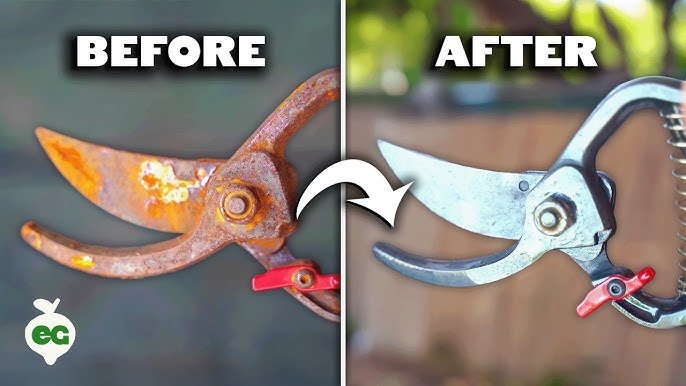
Are you tired of struggling with dull garden tools that make your gardening tasks feel like a chore? You’re not alone.
Many gardeners overlook one simple fact: sharp tools make for easier, more enjoyable gardening. Imagine effortlessly slicing through soil, pruning with precision, and saving time and energy with every stroke. In this guide, you’ll discover how to transform your blunt blades into sharp, efficient tools that work with you, not against you.
Say goodbye to frustration and hello to a smoother gardening experience. By the end of this article, you’ll know exactly how to sharpen your garden tools, ensuring they are ready for action whenever you need them. Ready to uncover the secrets to sharper, more effective tools? Let’s get started!

Credit: www.angi.com
Choosing The Right Tools
Choosing the right tools for sharpening your garden equipment is crucial. Whether you’re dealing with a dull shovel or rusty pruners, having the appropriate tools can make a significant difference in efficiency and effectiveness. Imagine the frustration of trying to sharpen a tool with inadequate resources—it’s a scenario you’d want to avoid.
Essential Sharpening Tools
Let’s talk about the essentials. A basic sharpening kit includes a few must-haves that can tackle most garden tools. A quality file is indispensable for sharpening blades, while a sharpening stone can help maintain the edge. Don’t forget about a wire brush to clean off rust and debris. These tools are the backbone of your sharpening arsenal.
Think about the tools you already have in your shed. Are they sufficient for the job? Sometimes, adding a high-quality sharpening stone or a sturdy file can transform your experience. Having these essentials at hand saves time and frustration, ensuring your garden tools are always ready for action.
Quality Vs. Cost
The age-old debate: should you prioritize quality or cost? When it comes to sharpening tools, striking a balance is key. High-quality tools tend to last longer and provide better results, but they may come with a higher price tag. Consider how often you sharpen your garden tools and the types you use most frequently.
I once opted for a cheaper file and regretted it when it broke halfway through a sharpening session. Sometimes, spending a bit more upfront can save you money and hassle in the long run. Ask yourself: is the investment worth the potential benefits?
Ultimately, your choice should align with your needs and budget. Remember, well-maintained tools not only make gardening easier but also extend the life of your equipment. So, what’s the real value in your sharpening tools? It’s a decision that can impact your gardening efficiency significantly.
Preparing Tools For Sharpening
Gather essential tools like a sharpening stone, file, or grinder. Ensure these tools are clean and well-maintained. This preparation enhances the sharpening process, making it efficient and safe.
Preparing your garden tools for sharpening is a crucial first step to ensure they perform efficiently and last longer. Before you can sharpen your tools effectively, it’s important to prepare them properly. This not only makes the sharpening process smoother but also enhances the tools’ functionality and lifespan. Here’s how you can get your tools ready for sharpening:Cleaning The Blades
Start by thoroughly cleaning the blades. Use a wire brush or a stiff bristle brush to remove dirt, sap, and rust. A mixture of warm water and dish soap can work wonders for stubborn grime. Dry the blades completely with a clean cloth to prevent rusting. A clean blade allows for a smoother sharpening process and ensures that the sharpening tools don’t get clogged with debris. Consider using a bit of mineral spirits for extra sticky residue. This step can save you time during the sharpening process and ensure a sharper edge.Inspecting For Damage
Once the blades are clean, inspect them for any signs of damage. Look for nicks, chips, or bends in the metal. This is crucial because sharpening a damaged blade without addressing these issues can worsen the problem. If you find any damage, decide if it’s repairable or if the tool needs replacement. Small nicks can often be filed out, while larger issues might require professional repair. Assessing your tools for damage not only ensures a more effective sharpening but also prolongs the life of the tool. By taking the time to inspect and repair, you prevent future breakdowns and ensure your gardening tasks are hassle-free. Have you ever skipped these steps and faced difficulties? Taking the time to prepare can make all the difference in achieving a clean, sharp edge.Sharpening Techniques
Sharpen garden tools with a file or sharpening stone. Keep the tool steady and stroke along the blade edge. Maintain a consistent angle for best results. Regular sharpening ensures efficient cutting and prolonged tool life.
Sharpening garden tools is essential for maintaining their effectiveness. Dull tools make tasks harder and can damage plants. Proper sharpening techniques ensure precision and ease in gardening. Various methods exist for sharpening tools, each with its own benefits.Using A File
A file is a simple tool to sharpen garden tools. It works well on hoes, shovels, and pruners. Hold the tool securely in a vice or on a stable surface. Use a coarse file for initial sharpening. Push the file across the edge in one direction. Follow the blade’s angle for best results. Check the sharpness after a few strokes. Switch to a finer file for a smoother finish. Files are easy to control and offer precise sharpening.Employing A Sharpening Stone
Sharpening stones give a polished edge to garden tools. Suitable for knives and smaller blades. Wet the stone slightly for better results. Rub the blade’s edge on the stone in a circular motion. Maintain the original angle of the blade for consistency. Stones can be coarse or fine. Start with coarse for dull blades, then finish with fine for a sharp edge. Sharpening stones are portable and versatile.Using A Grinder
Grinders are powerful tools for sharpening. Ideal for larger or heavily dulled tools. Secure the tool before starting the grinder. Use light pressure to avoid removing too much metal. Move the tool steadily across the grinding wheel. Keep an eye on the angle to maintain the blade’s shape. Grinders work quickly and efficiently. Ensure safety by wearing goggles and gloves. Grinders are best for experienced users.Safety Measures
Wearing gloves and safety goggles is essential to protect your hands and eyes. Ensure tools are unplugged or secure before sharpening. Keep a firm grip on tools to prevent accidents.
Safety is crucial when sharpening garden tools. Using sharp objects can cause injuries if handled carelessly. Before starting, ensure you have the right safety measures in place.Protective Gear
Wearing the right gear minimizes risk. Gloves protect hands from cuts or abrasions. Choose thick, durable gloves for maximum protection. Safety glasses shield your eyes from flying metal fragments. A dust mask keeps away small particles. Proper footwear is essential to prevent slips. Ensure your shoes have a good grip.Safe Handling Practices
Safe handling prevents accidents. Always sharpen tools in a well-lit area. Clear your workspace of clutter. Position tools away from your body. Securely hold the tool while sharpening. Use clamps if needed for stability. Keep fingers away from the blade’s path. Maintain focus and avoid distractions.Maintaining Sharpness
Keeping garden tools sharp is essential for effective gardening. Regular sharpening prevents rust and ensures precise cuts. Utilize a sharpening stone or file, following the blade’s natural angle. Consistent care extends tool life and enhances gardening results.
Maintaining sharpness in garden tools is crucial for efficient gardening. Sharp tools make tasks easier and more enjoyable. Plus, they ensure clean cuts, promoting healthy plant growth.Regular Maintenance Tips
Regular maintenance is key to keeping your garden tools sharp. First, clean your tools after each use. Dirt and sap can cause rust if left on the blades. Use a wire brush or a soft cloth with soapy water. Dry them thoroughly to prevent moisture damage. Consider applying a light coat of oil to protect against rust. Sharpen your tools regularly, not just when they become dull. A few quick strokes with a sharpening stone can make all the difference. Always follow the angle of the blade’s edge for optimal sharpness.Proper Storage
Storing your tools properly can significantly prolong their sharpness. Avoid leaving them outside where they are exposed to the elements. Moisture and weather can quickly dull blades and cause rust. Hang tools on a wall or place them in a dry storage area. This keeps them off the ground and prevents accidental damage. You might even consider using blade covers for extra protection. Think about organizing your storage space. Having a designated spot for each tool can prevent unnecessary wear and tear. Plus, you’ll always know where to find them when needed. Are you taking these small yet impactful steps to maintain your garden tools? A little effort now can save time and money in the long run.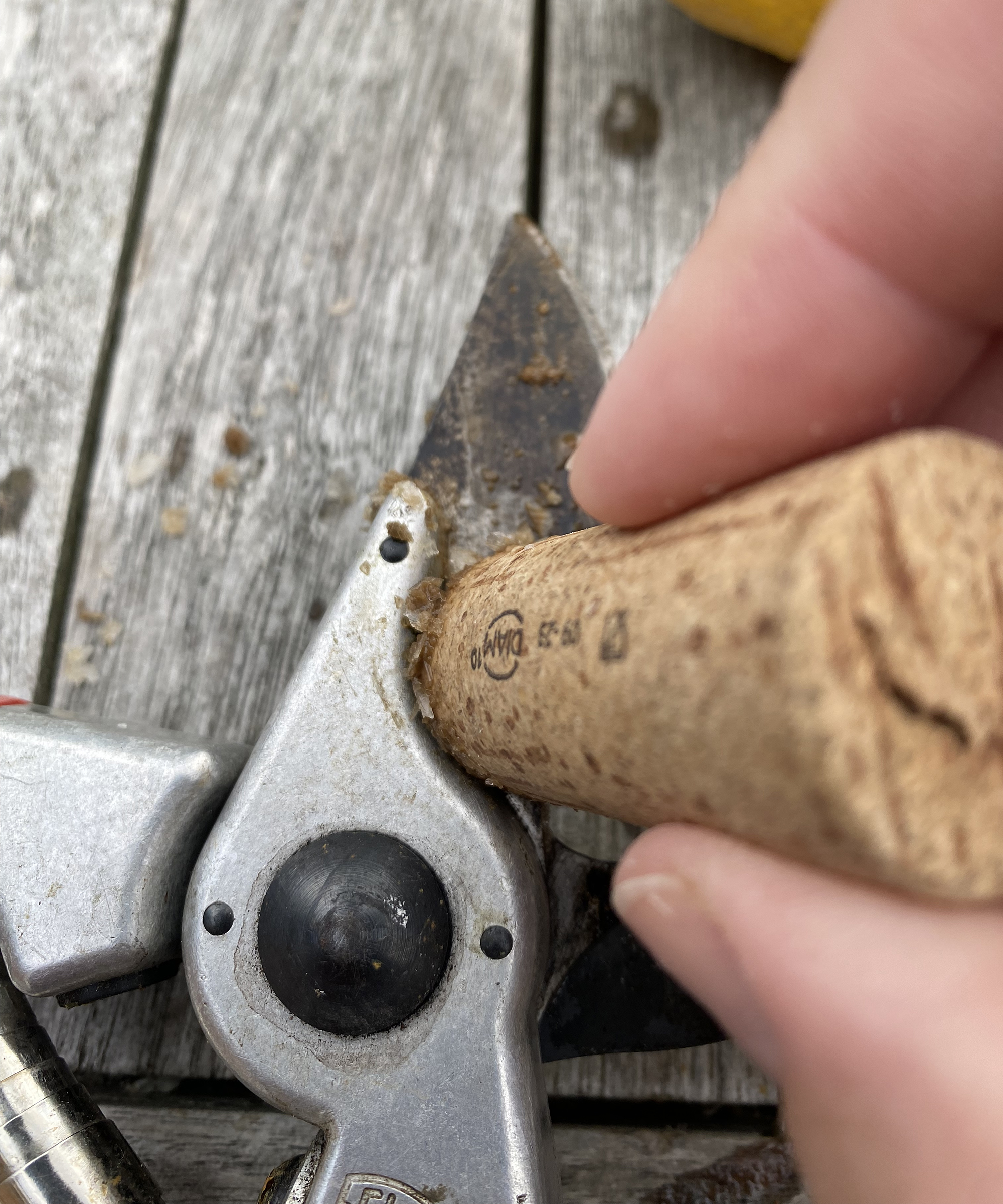
Credit: www.gardeningknowhow.com
Common Mistakes
Using the wrong sharpening tool can damage garden tools. Forgetting to clean before sharpening reduces effectiveness. Applying too much pressure may cause uneven edges, making tools less efficient.
Common Mistakes Sharpening garden tools keeps them efficient. But, many make common mistakes. These errors can damage tools or reduce their lifespan. Understanding these mistakes helps maintain your tools better.Over-sharpening
Over-sharpening weakens the blade. A blade too thin is prone to chipping. It can also dull faster. Sharpen only until the edge is smooth. A few strokes are usually enough. Check the sharpness regularly.Ignoring Rust
Rust damages metal over time. Many ignore small rust spots. But, they grow and weaken the tool. Remove rust before sharpening. Use a wire brush or sandpaper. Keep tools dry to prevent rust. Regular maintenance helps avoid rust buildup.Benefits Of Sharp Tools
Sharp tools make gardening easier and more efficient. Regular sharpening prevents rust and wear, keeping tools in top condition. Properly sharpened garden tools cut cleanly, reducing plant damage and ensuring a healthier garden.
Sharpening garden tools is essential for maintaining a healthy garden. Sharp tools offer numerous benefits that make gardening easier and more enjoyable. They reduce effort, improve performance, and ensure tools last longer. Let’s explore why keeping your tools sharp is crucial.Improved Efficiency
Sharp tools cut through plants and soil with ease. This makes tasks quicker and less tiring. Whether pruning, digging, or trimming, precision is key. Dull tools require more force and time, leading to fatigue. A sharp blade slices cleanly, reducing plant damage. This promotes healthier growth and a neater garden.Extended Tool Life
Regular sharpening extends the life of your tools. Dull edges cause wear and tear, weakening the tool. Sharpening prevents rust and corrosion, maintaining integrity. Well-maintained tools last longer and perform better. This saves money in the long run, as replacements are needed less frequently. Investing time in sharpening results in durable, reliable tools.
Credit: ar.pinterest.com
Frequently Asked Questions
What Tools Are Needed To Sharpen Garden Tools?
To sharpen garden tools, you’ll need a file, sharpening stone, and lubricant. A vise can hold tools steady. Safety gloves protect your hands during sharpening. These basic tools help achieve a sharp edge, enhancing the performance of your garden tools.
How Often Should I Sharpen Garden Tools?
Garden tools should be sharpened at least once a season. Regular sharpening ensures they remain effective and safe to use. If you notice dull cuts or increased effort, it’s time to sharpen them again. Frequent use may require more frequent sharpening.
Can I Sharpen Garden Tools At Home?
Yes, you can sharpen garden tools at home using simple equipment. A file or sharpening stone can restore the edge. Follow safety precautions and maintenance tips for effective sharpening. With practice, you can maintain your tools without professional help.
How Do I Know My Garden Tools Need Sharpening?
If your garden tools struggle to cut, they need sharpening. Dull edges cause inefficient cuts and increased effort. Check for nicks or roughness on the blade’s edge. Regular inspection helps maintain tool effectiveness and prolongs their lifespan.
Conclusion
Sharpening garden tools boosts efficiency. Clean cuts help plants grow better. Remember to maintain your tools regularly for lasting use. Safe sharpening prevents injury. Proper technique saves time and effort. Use the right tools for best results. A sharp blade reduces strain on your hands.
Enjoy gardening more with well-kept equipment. Get into the habit of checking your tools often. Be patient, practice makes perfect. Happy gardening! Keep learning and improving your skills. Your garden will thank you.







