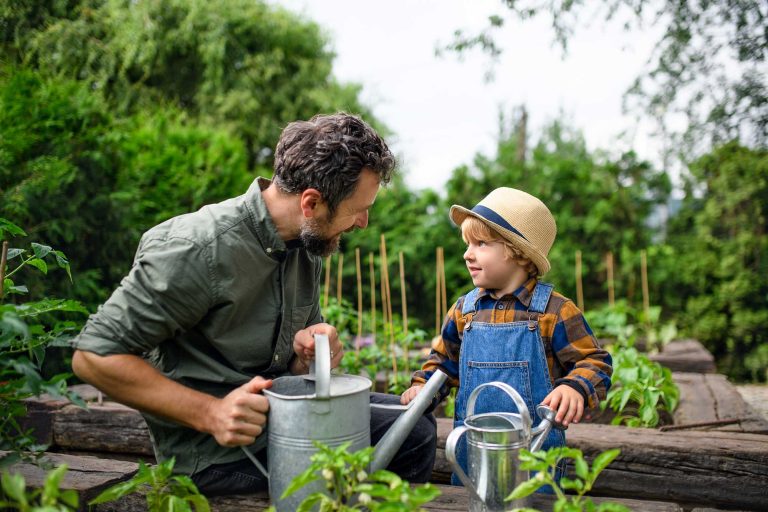
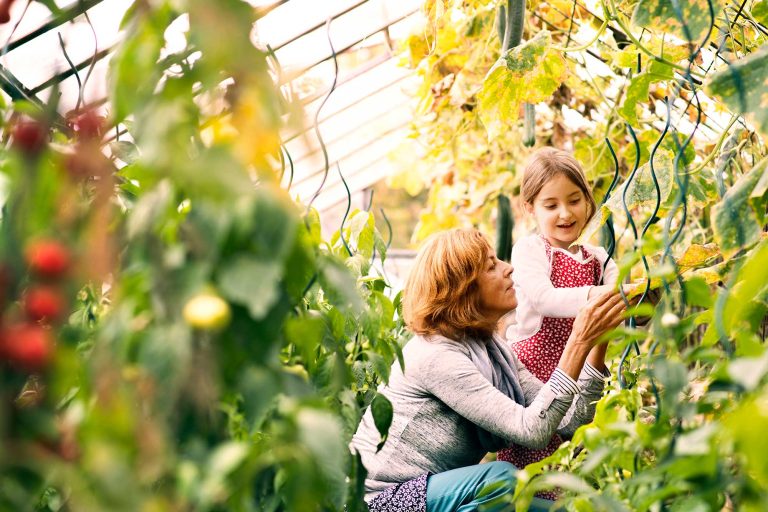
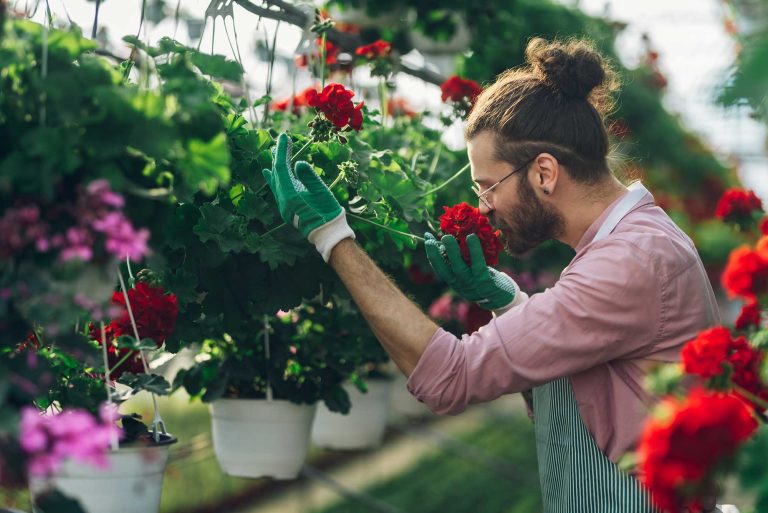
Imagine stepping into your backyard and being greeted by a vibrant tapestry of colors, the gentle fragrance of blooms wafting through the air. Creating your own flower garden can transform any outdoor space into a personal oasis of beauty and tranquility.
But where do you start? Planning a flower garden design might seem overwhelming at first, but with the right approach, it can be both fun and rewarding. You might wonder how to choose the right flowers, what kind of layout works best, or even how to keep your garden blooming throughout the seasons.
Don’t worry—you’re not alone. Many gardeners face the same questions when starting out. By understanding a few simple principles and techniques, you can design a garden that not only looks stunning but also thrives year-round. Stick around, because we’re going to guide you through every step of the process. From selecting the perfect plants to crafting a layout that suits your space and style, you’ll discover how to bring your dream garden to life. Whether you’re a seasoned gardener or a complete novice, this guide is designed to make the journey easy and enjoyable. Ready to dig in? Let’s get started!
Choosing The Right Location
Selecting the ideal garden spot ensures plants receive ample sunlight and proper drainage. Consider the local climate and soil type. These factors greatly influence the growth and health of your flowers.
Choosing the right location for your flower garden is a pivotal decision that can determine the success of your floral paradise. The ideal spot ensures your plants receive optimal conditions to thrive. This involves understanding the dynamics of sunlight, shade, soil quality, and drainage. Let’s delve into each aspect to help you make informed choices that will lead to a flourishing garden.Sunlight And Shade
Understanding the sunlight requirements of your chosen flowers is crucial. Most flowering plants love basking in sunlight. Observe your garden at different times of the day. Is it drenched in sunlight or embraced by shade? A sunny location is ideal for sun-loving plants like roses and sunflowers. If you have a shaded area, consider shade-tolerant flowers like hostas and ferns. Experiment by placing pots in different spots to see which plants thrive best.Soil Quality And Drainage
Soil quality is the foundation of a thriving garden. Test your soil to understand its pH and nutrient levels. You can use a simple soil test kit to gauge its health. Are you working with sandy, clay, or loamy soil? Each type has its strengths and weaknesses. Good drainage is essential for preventing root rot. Check if water pools after rain. If it does, you might need to amend your soil with organic matter or consider raised beds. Think of your flower garden as an investment; nurturing the soil pays dividends in blooms. Choosing the right location involves more than just picking a pretty spot. It’s about creating an environment where your flowers can flourish. Have you ever thought about how the right amount of sunlight and perfect soil can transform your garden? Let’s create that beautiful space together!Selecting Flowers
Creating a vibrant flower garden begins with selecting the right blooms. Consider color, height, and blooming season. Choose a mix that suits your climate and soil, ensuring a harmonious design.
Selecting the right flowers is a crucial step in planning your flower garden design. It’s not just about the colors you love; it’s about creating a garden that thrives in your environment and suits your lifestyle. Understanding the different types of flowers and their blooming cycles can make all the difference.Annuals Vs Perennials
Choosing between annuals and perennials can be a delightful challenge. Annuals, like marigolds and petunias, offer vibrant colors and bloom for an entire season but need replanting each year. They are perfect if you love changing your garden’s look annually. Perennials, such as peonies and lavender, return year after year, making them a great investment for a long-term garden. Although they may not bloom as long as annuals, their resilience and growth over the years can create a stunning display. Consider how much time you want to spend planting each year when deciding between these two.Seasonal Blooms
Understanding the blooming seasons of flowers can help you maintain a vibrant garden all year round. Spring bloomers like tulips and daffodils can kick-start your garden with bursts of color after winter. Summer blooms, such as sunflowers and dahlias, thrive in the heat and add brightness to your outdoor space. Don’t forget autumn and winter flowers, like chrysanthemums and hellebores, which can keep your garden alive with color during colder months. Creating a garden that blooms in every season ensures that there is always something to admire. Think about what seasons you spend the most time in your garden and plan accordingly. Selecting flowers isn’t just a task; it’s an opportunity to express your personality and creativity. What story do you want your garden to tell?Design Principles
Planning a flower garden design involves understanding space, light, and plant needs. Choose a mix of colors and heights to create visual interest. Prioritize easy-to-maintain plants for long-lasting beauty.
Designing a flower garden involves understanding key principles. These principles help create a harmonious and visually appealing space. They guide the selection of plants, colors, and textures. By applying these principles, you can craft a garden that delights the senses.Color Schemes
Color is crucial in garden design. It sets the mood and atmosphere. Choose colors that complement each other. Warm colors like red and yellow create energy. Cool colors such as blue and purple soothe the senses. Consider the color of your home or nearby structures. Harmonize your garden colors with them.Texture And Form
Texture adds depth to your garden. It refers to the surface quality of plants. Some plants have smooth leaves. Others have rough or fuzzy surfaces. Mix different textures for a rich visual experience. Form refers to the shape and structure of plants. Combine upright, round, and cascading forms. This combination creates a dynamic garden landscape. Use these elements to guide the eye and create interest.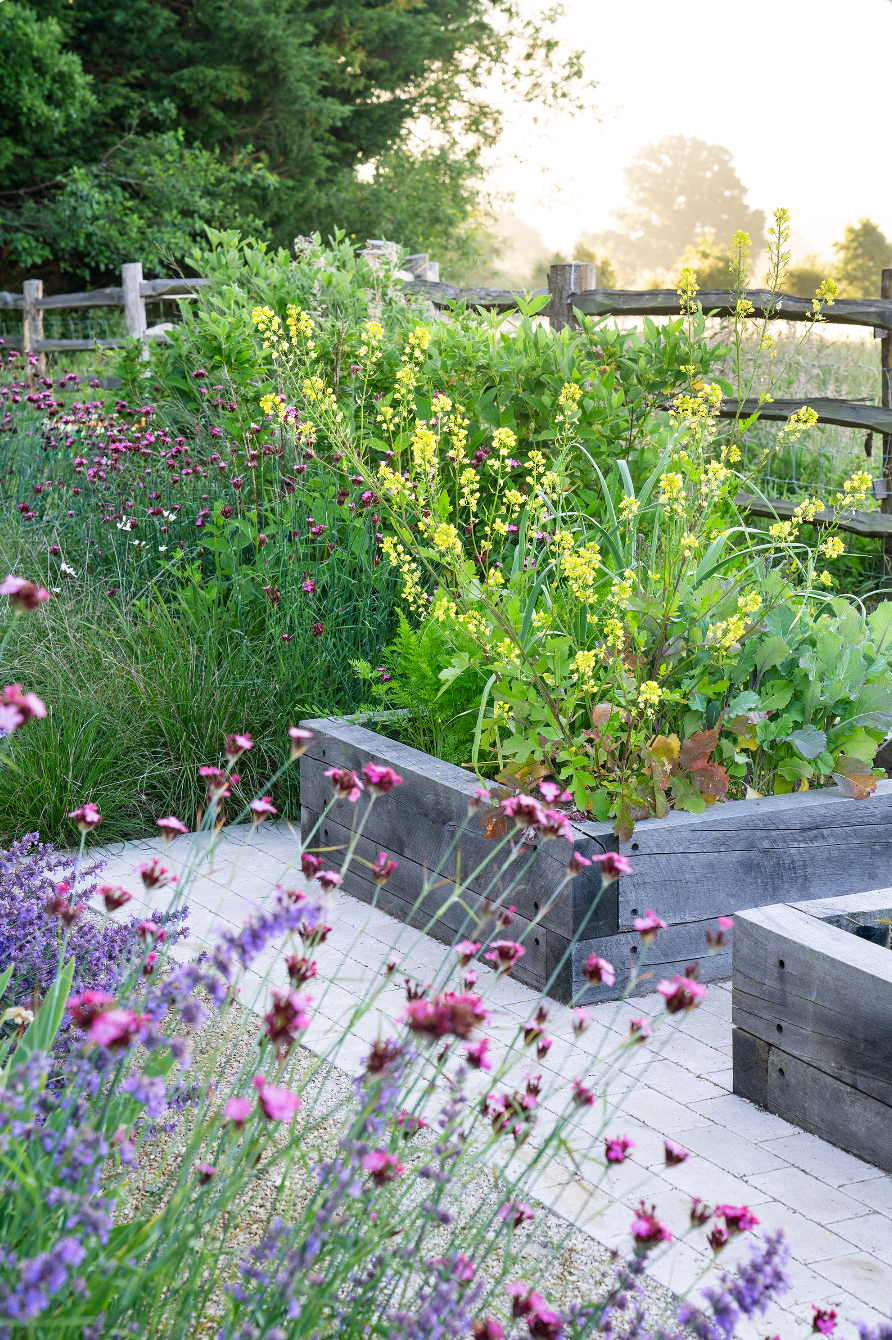
Credit: www.elledecor.com
Creating A Layout
Designing a flower garden involves selecting colors, textures, and plant heights. Arrange taller plants at the back, shorter ones in front. Ensure plants with similar sunlight and water needs are grouped together for optimal growth.
Creating a layout for your flower garden is an exciting step in your gardening journey. This is where your vision starts to take shape, transforming your ideas into a tangible plan. Consider the overall vibe you want to create—do you envision a serene escape or a vibrant display of colors? Your layout is the blueprint that guides all your gardening decisions, helping you organize your space efficiently and beautifully.Formal Vs Informal Designs
Deciding between a formal or informal design sets the tone for your garden. Formal designs often feature symmetrical patterns and structured arrangements, perfect for those who love order and precision. Picture neatly trimmed hedges, geometric shapes, and a sense of elegance. These gardens are reminiscent of classic European styles, offering a timeless appeal. On the other hand, informal designs embrace a more relaxed approach. They allow plants to grow in naturalistic patterns, creating a whimsical and organic feel. If you prefer a garden that mimics nature’s randomness, this style might be your calling. Imagine winding paths, varied plant heights, and a burst of colors blending harmoniously. Which style resonates with your personality and space?Pathways And Borders
Pathways and borders are essential elements in garden layout. They guide visitors through your garden, adding structure and accessibility. Consider the materials you use—gravel, stone, or wood—and how they complement your garden’s theme. A well-placed pathway invites exploration, turning your garden into an interactive space. Borders define the edges of your garden beds, ensuring plants stay neatly contained. They can be functional, keeping invasive plants in check, or decorative, adding visual interest. Whether you choose simple wooden edges or ornate stone borders, they play a crucial role in the garden’s overall aesthetic. How will you design your pathways and borders to enhance your garden’s charm?Incorporating Hardscape Elements
Integrate hardscape elements like stone paths or benches to enhance your flower garden’s beauty and functionality. These features provide structure, contrasting textures, and visual interest, creating a harmonious outdoor space.
Incorporating hardscape elements into your flower garden design can elevate your outdoor space to new heights of beauty and functionality. These elements provide structure, contrast, and a sense of permanence that beautifully complement the vibrant, ever-changing nature of your plants. Whether you’re a seasoned gardener or just starting out, understanding how to seamlessly blend hardscape features into your garden can make a world of difference. But how do you decide what to add? Consider your garden’s layout, personal style, and the practical needs of your space. Do you need a walkway to guide visitors through your blooms, or perhaps a cozy nook to enjoy a morning coffee surrounded by nature? By thoughtfully choosing and placing hardscape elements, you can create a garden that’s both beautiful and functional.Garden Structures
Garden structures like arbors, pergolas, and trellises can add vertical interest to your flower garden. These elements not only provide support for climbing plants like roses or clematis but also create visual focal points. Imagine an arbor draped in vibrant wisteria, inviting guests to explore further. Think about the materials that best suit your garden’s aesthetic. Wood offers a rustic charm, while metal can provide a sleek, modern look. Choose a style that complements your plants and enhances the overall theme of your garden.Water Features
Water features add a soothing, tranquil element to any garden. The gentle sound of flowing water can mask neighborhood noise, creating a peaceful retreat. From simple birdbaths to elaborate ponds, there are water features to suit every garden size and budget. Consider the maintenance involved with each type of feature. A small fountain might require minimal upkeep, while a pond with fish and aquatic plants could need more attention. Choose a feature that you can care for easily, ensuring it remains a relaxing rather than burdensome addition. Incorporating these hardscape elements thoughtfully can transform your flower garden into a personal oasis. What elements will you choose to create a space that reflects your style and meets your needs? The possibilities are as endless as your imagination.Maintenance Planning
Planning a flower garden design involves selecting colorful blooms suited to your climate and soil type. Arrange plants according to their height, color, and blooming season for visual appeal. Consider pathways and seating areas to enhance the garden’s accessibility and enjoyment.
Planning a flower garden is a joyful endeavor, but it doesn’t end once the plants are in the ground. To ensure your garden flourishes, maintenance planning is essential. This involves regular care activities like watering, fertilizing, and protecting your plants from pests and diseases. Thoughtful planning in these areas can make the difference between a garden that thrives and one that struggles.Watering And Fertilizing
Watering is a fundamental part of garden maintenance. It’s crucial to understand the specific needs of your plants, as overwatering can be just as damaging as under-watering. Consider using a soaker hose or drip irrigation system to deliver water directly to the roots, minimizing evaporation. Fertilizing ensures your flowers get the nutrients they need for robust growth. Choose a fertilizer suited to your plants’ requirements, whether it be organic compost or a synthetic blend. If you’ve ever noticed lackluster blooms, a regular fertilization schedule could be the key to vibrant colors and healthy growth.Pest And Disease Control
Keeping pests and diseases at bay can be a challenge, but prevention is better than cure. Regularly inspect your plants for signs of trouble, like discolored leaves or unusual spots. Early detection can prevent a minor issue from becoming a full-blown infestation. Consider natural pest control methods, such as introducing beneficial insects like ladybugs or using neem oil. If you’ve ever spent hours tending a garden only to see it ravaged by pests, you’ll understand the importance of having a plan in place. What strategies have worked for you in the past?Sustainability Practices
Creating a sustainable flower garden requires thoughtful planning. Choose native plants to support local biodiversity. Incorporate organic materials and water-efficient irrigation methods to minimize environmental impact.
Sustainability practices are essential in creating an eco-friendly flower garden. By incorporating sustainable methods, you protect the environment and ensure a thriving garden. These practices promote healthier ecosystems and reduce waste. Let’s explore some key sustainable practices to consider for your flower garden.Native Plants
Native plants are well-adapted to local climates. They require less water and maintenance. These plants also support local wildlife, providing food and habitat. Choose a variety of native flowers to encourage biodiversity. Native plants are naturally more resistant to pests. This reduces the need for chemical pesticides. They help maintain a balanced ecosystem in your garden.Composting And Mulching
Composting turns organic waste into nutrient-rich soil. It reduces landfill waste and enriches garden soil. Create a compost pile with kitchen scraps and garden waste. Use this compost to nourish your flower beds. Mulching helps retain soil moisture. It reduces the need for frequent watering. Use organic mulch like bark, leaves, or grass clippings. Mulch also suppresses weeds, keeping your garden tidy. Both composting and mulching promote healthy plant growth. They are easy, sustainable practices for any gardener.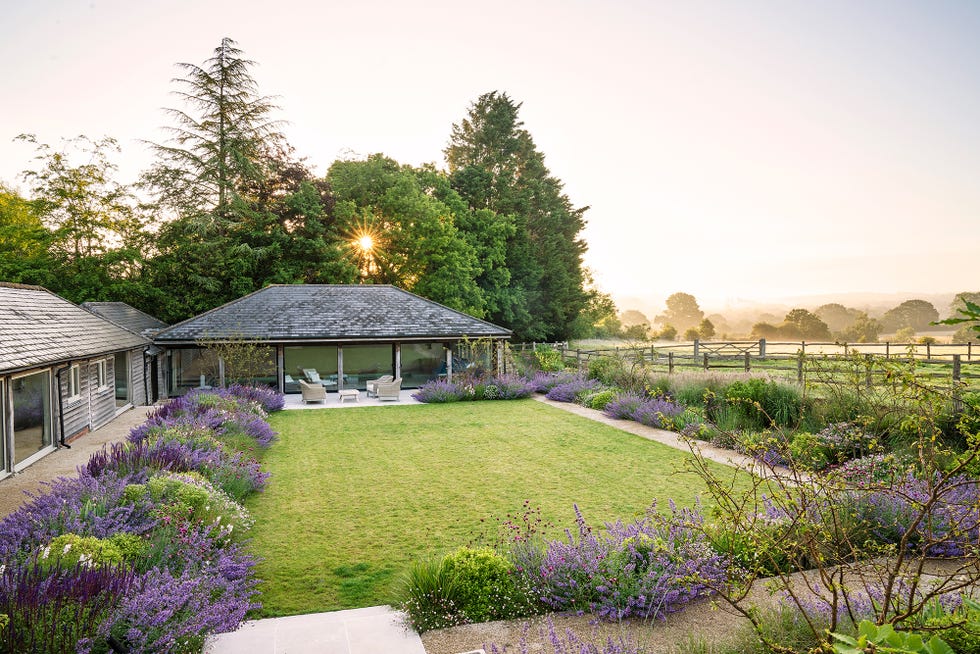
Credit: www.elledecor.com

Credit: www.hgtv.com
Frequently Asked Questions
What Are The Basics Of Flower Garden Design?
Start by selecting a location with ample sunlight. Choose a variety of flowers for season-long blooms. Consider height, color, and texture for visual interest. Plan for pathways and spacing for maintenance. Use native plants for sustainability and ease of care.
How Do I Choose Flowers For My Garden?
Select flowers based on your garden’s climate and sunlight conditions. Consider bloom time for continuous color. Mix perennials and annuals for variety. Incorporate different heights and textures for depth. Choose complementary colors to create harmony. Always consider the plant’s mature size for proper spacing.
What Tools Do I Need For Garden Planning?
Essential tools include a spade, hand trowel, and garden gloves. Use a hose or watering can for hydration. Pruners are necessary for maintaining plant shape. A garden fork helps with soil aeration. Lastly, a measuring tape ensures proper spacing in your design.
How Can I Maintain My Flower Garden?
Regularly water your garden based on the plant’s needs. Mulch helps retain moisture and reduce weeds. Prune dead or diseased plants promptly. Fertilize during the growing season for best results. Monitor for pests and diseases, addressing issues quickly to prevent spread.
Conclusion
Creating a flower garden is simple and rewarding. Start with a clear plan. Choose plants wisely. Consider colors, heights, and blooming seasons. Think about the layout. Use paths to guide the eye. Add accessories for charm. Water and care for plants regularly.
Adjust as needed for growth and changes. Enjoy watching your garden flourish over time. Feel pride in your vibrant garden. Nature’s beauty at your doorstep. Share your garden with friends and family. It’s a peaceful retreat. A personal oasis. A place to relax and unwind.
Your flower garden is a beautiful expression of creativity.