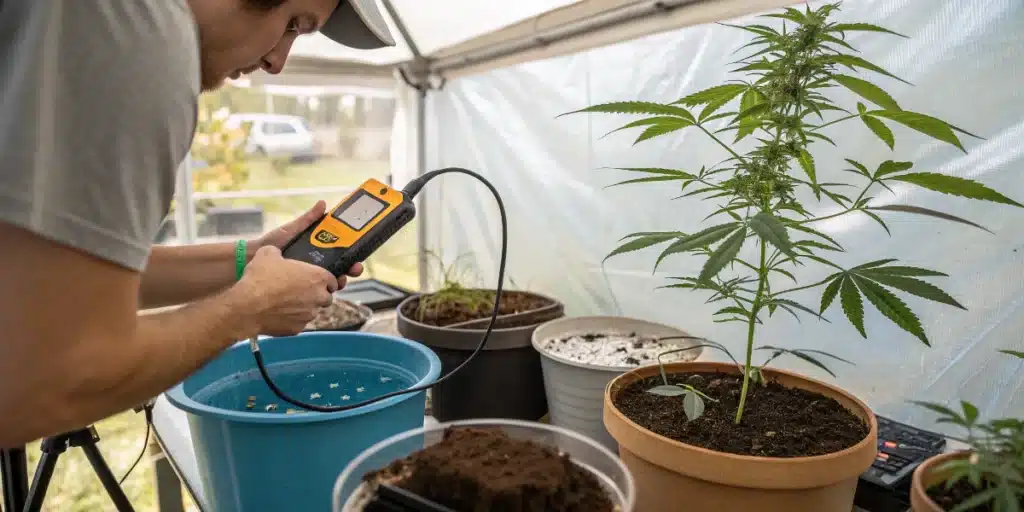
Imagine stepping into your home and being greeted by the lush, vibrant greenery of your very own indoor bud garden. Growing plants indoors not only enhances your living space but also brings a sense of peace and accomplishment.
But what do you need to start this calming hobby? The key lies in understanding the essentials. You might wonder if you have the right tools, the perfect space, or the necessary know-how. This article is here to guide you through each step, ensuring you have everything needed to cultivate a thriving indoor bud garden.
Get ready to transform your home into a green oasis. You won’t want to miss out on the secrets to successful indoor gardening.
Choosing The Right Space
Choosing the Right Space Select a well-lit room with good air circulation for your indoor bud garden. Ensure enough space for plants to grow without crowding.
Choosing the Right Space Creating a thriving indoor bud garden begins with selecting the perfect space. This decision is crucial because the environment significantly impacts your plants’ health and productivity. If you’ve ever struggled to find the ideal spot for your indoor plants, you’re not alone. It’s a common challenge that requires careful thought.Finding The Ideal Location
Think about the areas in your home that get natural light. Windows are a good starting point, but remember, not all windows are created equal. Some spots might offer too much direct sunlight, while others may be too dim. Consider spaces where you can easily access your plants. You don’t want to be climbing over furniture every time you water them. Try choosing a location that feels natural and convenient for you. Ask yourself, is this space conducive to your lifestyle? If you love cooking, placing your bud garden near the kitchen might inspire you to use fresh herbs more often.Space Considerations
Evaluate the size of your space. Small corners can be transformed into lush gardens with vertical shelving or hanging pots. You don’t need a large area; sometimes, smaller spaces are easier to manage. Think about the temperature and humidity. Is it consistent? Fluctuations can harm your plants. Closets and bathrooms can be too humid or dark, while living rooms might be perfect. Consider safety and accessibility. Ensure pets or children can’t tamper with your garden. This keeps your plants safe and saves you from constant vigilance.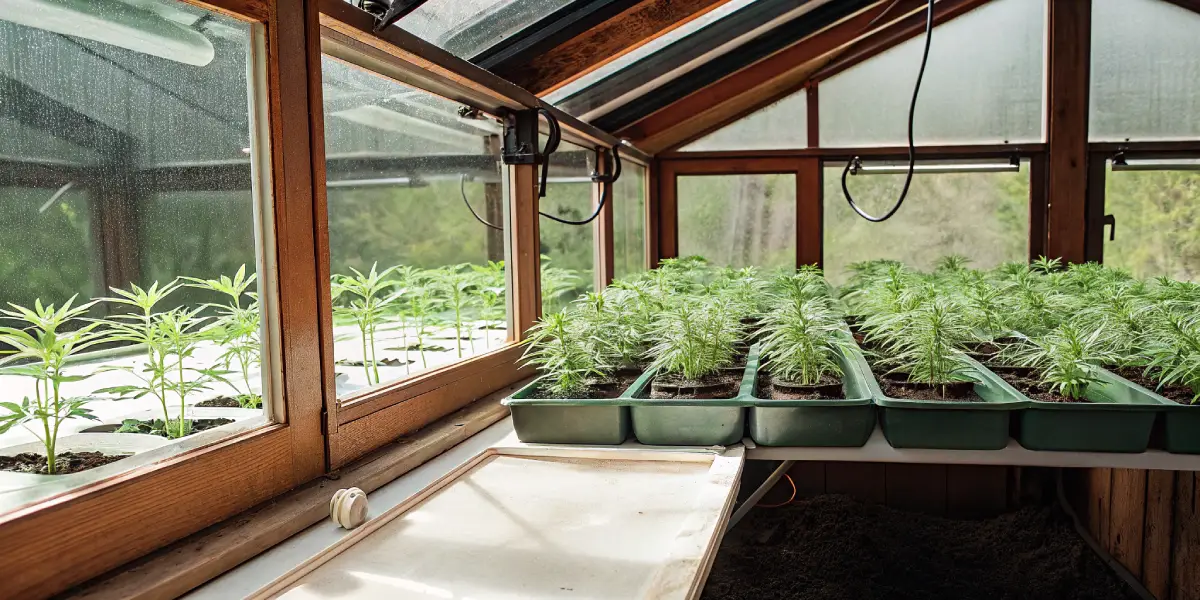
Credit: blimburnseeds.com
Lighting Essentials
Proper lighting is key for growing healthy indoor buds. Choose full-spectrum LED lights to mimic sunlight. Ensure consistent light exposure for optimal growth and flowering.
Lighting is crucial for a thriving indoor bud garden. Plants need light to grow and produce buds. With the right lighting, your indoor garden will flourish. Let’s explore the lighting essentials for your indoor bud garden.Types Of Grow Lights
Choosing the right grow light is vital. Different types of lights serve different purposes. Here are some common types:- LED Lights:Energy-efficient and long-lasting. They emit less heat.
- Fluorescent Lights:Good for seedlings and smaller plants. They are cost-effective.
- HID Lights:High-intensity discharge lights. They provide powerful illumination.
Light Positioning
Positioning lights correctly is important. Improper placement can harm plants. Here are some tips:- Distance:Keep lights at a safe distance. Too close can burn leaves.
- Angle:Ensure even light coverage. Aim for balanced lighting.
- Height Adjustment:Adjust height as plants grow. This ensures optimal light exposure.
Temperature And Humidity Control
Creating an indoor bud garden is a rewarding endeavor, but it requires careful attention to environmental factors like temperature and humidity. These elements can significantly influence the growth and health of your plants. By understanding and controlling these conditions, you can ensure your garden thrives, producing lush, vibrant buds. Let’s dive into how you can optimize temperature and manage humidity levels effectively.
Optimal Temperature Range
Temperature plays a crucial role in plant development. Most indoor buds flourish between 70°F and 85°F. This range ensures that the plants can carry out photosynthesis efficiently while minimizing stress.
To maintain this optimal range, consider using a digital thermometer. It provides precise readings, helping you adjust your heating or cooling systems as needed. Remember, temperatures above 85°F can cause your plants to wilt, while those below 70°F may stunt their growth.
Investing in a programmable thermostat can be a game-changer. It allows you to set specific temperatures for day and night, mimicking natural conditions and promoting healthy growth.
Managing Humidity Levels
Humidity is another critical factor for an indoor bud garden. Plants generally prefer humidity levels between 40% and 60%. This range prevents excessive moisture that can lead to mold and mildew while ensuring the plants stay hydrated.
Using a hygrometer is essential for monitoring humidity levels. This device gives real-time data, enabling you to make timely adjustments. If humidity is too high, consider using a dehumidifier to reduce moisture.
Conversely, if the air is too dry, a humidifier can add the necessary moisture. You might wonder, how can you tell if your humidity levels are off? Look for signs like curling leaves or slow growth—they’re your plants’ way of asking for help.
Balancing temperature and humidity is like a delicate dance. Every adjustment can impact your plants. Are you ready to take control and create the perfect environment for your indoor bud garden?

Credit: goebbertspumpkinfarm.com
Soil And Nutrient Requirements
Creating an indoor bud garden requires attention to soil and nutrients. The right combination ensures healthy plant growth and abundant yields. Understanding soil and nutrient requirements is crucial for a thriving indoor garden.
Choosing The Right Soil
Soil quality affects plant health and productivity. Choose soil that drains well and retains moisture. Look for a balanced texture, neither too sandy nor too clay-like. Organic soil mixes are excellent for indoor gardens. They provide essential minerals and support microbial life.
Avoid using garden soil indoors. It can contain pests and pathogens harmful to your plants. Consider using a commercial potting mix tailored for indoor gardening. These mixes are sterilized and have the right pH balance for most plants.
Essential Nutrients
Nutrients are vital for plant growth and development. Your indoor bud garden needs nitrogen, phosphorus, and potassium. These are the primary macronutrients. They support root growth, flowering, and overall plant health.
Besides macronutrients, plants need secondary nutrients like calcium, magnesium, and sulfur. These help in various plant processes and improve resilience. Micronutrients such as iron, zinc, and manganese are also essential. They play a role in enzyme functions and chlorophyll production.
Use a balanced fertilizer that offers all these nutrients. Choose one designed for indoor plants to ensure proper nutrient ratios. Liquid fertilizers are a convenient option for indoor gardens. They allow for easy application and quick nutrient absorption.
Watering Techniques
Proper watering techniques are crucial for an indoor bud garden. Ensure consistent moisture by using a spray bottle or watering can. Monitor soil dampness and adjust watering frequency to maintain healthy growth.
Growing a thriving indoor bud garden demands precision, patience, and a touch of love. Among the many factors contributing to your garden’s success, how you water your plants plays a pivotal role. Effective watering techniques not only ensure healthy growth but also help prevent common issues like root rot and nutrient deficiencies. Let’s dive into the essentials of watering your indoor bud garden.Watering Frequency
Determining how often to water your plants can feel like a balancing act. The goal is to keep the soil consistently moist without waterlogging it. Most indoor plants benefit from watering every 2-3 days, but this can vary based on the plant type, pot size, and environmental conditions. To determine the right frequency, consider the plant’s specific needs. For example, some plants prefer drier soil between waterings, while others thrive in consistently moist conditions. Pay attention to the leaves; drooping or yellowing can signal overwatering or underwatering issues.Best Watering Practices
Implementing the best watering practices can significantly impact your indoor garden’s health. Start by using room-temperature water to avoid shocking the plant’s roots. Cold water can stunt growth, while hot water can damage delicate root systems. Water your plants slowly and evenly to ensure the soil absorbs moisture effectively. Consider using a watering can with a narrow spout for precise control. You might also explore the bottom-watering technique, which involves placing pots in a shallow tray of water, allowing plants to absorb moisture from the base up. Incorporate a consistent watering schedule to maintain optimal soil moisture levels. But remember, it’s not just about the schedule—it’s about being attuned to your plant’s unique needs. Check the soil moisture regularly, and adjust your practices accordingly. Ask yourself: are your plants thriving, or are they just surviving? Your observations and adjustments can make all the difference.Ventilation And Airflow
Proper ventilation is crucial for an indoor bud garden. It ensures fresh air circulates, helping plants grow healthy and strong. Adequate airflow prevents mold and maintains the right temperature.
Creating an ideal indoor bud garden requires more than just light and water. Ventilation and airflow are crucial elements that often go unnoticed. Proper air circulation ensures your plants get the fresh air they need to thrive and keeps mold and pests at bay. Let’s dive into why fresh air matters and how you can set up an efficient airflow system.Importance Of Fresh Air
Fresh air is the lifeblood of a healthy indoor garden. It provides essential carbon dioxide that plants use for photosynthesis, their food-making process. Without it, your plants may suffocate, leading to stunted growth and poor yields. Stale air can become a breeding ground for mold and pests. You wouldn’t want your hard work to get eaten away by an avoidable issue, would you? Ensuring a constant supply of fresh air can significantly improve plant health and productivity.Using Fans And Filters
Fans are your best friends in maintaining airflow. They mimic natural wind, helping plants develop stronger stems. Position oscillating fans to cover all areas of your garden, ensuring no corner is left stagnant. Air filters are equally important in keeping the air clean. They help remove dust, mold spores, and other particles that can harm your plants. Consider investing in a good quality HEPA filter to keep unwanted elements at bay. You might wonder how to balance airflow and temperature. Too much ventilation can dry out your plants, while too little can lead to overheating. Regular monitoring and adjustments will help maintain the perfect balance.Pest And Disease Management
Indoor bud gardens need proper pest and disease management. Use organic sprays and maintain cleanliness to prevent issues. Regularly inspect plants for signs of trouble to ensure healthy growth.
Pest and disease management is a critical aspect of maintaining a thriving indoor bud garden. Even in a controlled indoor environment, your plants are not immune to the challenges posed by pests and diseases. Understanding what to look for and how to prevent these issues can save you time, money, and frustration in your gardening journey.Common Indoor Pests
Just like outdoor gardens, indoor bud gardens are susceptible to a variety of pests. Spider mites, aphids, and fungus gnats are among the most common culprits. Spider mites are tiny but can cause significant damage by sucking plant sap, leading to discolored leaves. Aphids, although small, reproduce quickly and can weaken your plants by feeding on their juices. Fungus gnats, often a sign of overwatering, can harm roots, stunting plant growth. Recognizing these pests early is crucial in preventing an infestation.Preventive Measures
Prevention is always better than cure when it comes to pest management. Start by maintaining a clean gardening area—remove dead leaves and debris regularly. Proper ventilation is essential; stagnant air can encourage pest breeding. Consider using natural predators like ladybugs or predatory mites to control pest populations. Also, inspect new plants before introducing them to your garden to ensure they are pest-free. Regularly check your plants for signs of pests and act swiftly at the first indication of trouble. You might wonder, is there a way to make pest prevention part of your routine? Yes, by adopting a weekly inspection schedule, you can catch potential problems early. Remember, healthy plants are less likely to attract pests, so focus on providing the right nutrients and conditions for your buds to thrive.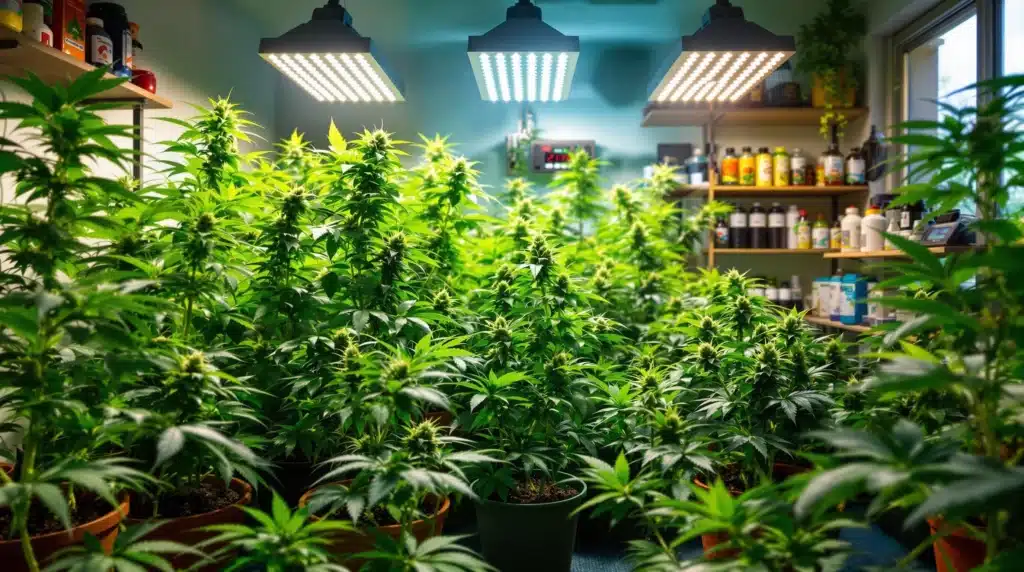
Credit: blimburnseeds.com
Tools And Equipment
Creating an indoor bud garden requires essential tools like grow lights and pots. Soil, nutrients, and a watering can are also crucial for healthy plant growth.
Growing your own indoor bud garden is an exciting venture that can bring a touch of nature into your home. Whether you’re a seasoned gardener or a beginner, having the right tools and equipment is crucial to ensure your plants thrive. Let’s dive into what you’ll need, starting with the essentials and moving to more advanced gadgets.Basic Gardening Tools
To kickstart your indoor bud garden, you’ll need a few fundamental tools. A pair of sharp scissors or pruning shears is essential for trimming and shaping your plants. It allows you to maintain healthy growth and keeps your garden looking neat. A watering can with a long spout is another must-have. It helps you reach those tricky spots without spilling water everywhere. You’ll appreciate the convenience of watering your plants without making a mess. Don’t forget about a good pair of gloves. Protecting your hands from soil and potential allergens is key. You’ll be more comfortable handling plants and gardening tasks when you’re properly equipped.Advanced Equipment
Once you’re set with the basics, consider investing in some advanced equipment. A grow light can make a huge difference in an indoor setup, especially if your space lacks natural sunlight. LED grow lights are energy-efficient and provide the right spectrum for your plants. A humidity monitor is another great addition. Keeping an eye on humidity levels ensures your plants don’t dry out or become too moist. It’s a simple tool that can save your garden from potential pitfalls. Think about an automatic watering system. It can be a lifesaver for busy individuals who might forget to water their plants regularly. With a timer, you can ensure your garden gets the hydration it needs without constant attention. Do you have a favorite tool that has transformed your indoor gardening experience? Share your thoughts and tips in the comments below!Monitoring And Maintenance
Monitoring and Maintenance Ensure proper lighting, humidity, and temperature for your indoor bud garden. Regular checks prevent pests and promote healthy growth.
Creating an indoor bud garden is a fulfilling endeavor, but it requires diligent monitoring and maintenance to ensure success. Attention to detail is key, and regular checks are essential to keep your plants thriving. By being proactive in observing your garden, you can catch potential issues early and enjoy a lush, healthy environment.Regular Checks
Conducting regular checks on your indoor bud garden is like giving it a routine health check-up. Inspect your plants frequently for any signs of pests or diseases. Look closely at the leaves, stems, and soil to ensure everything is in optimal condition. Check the moisture levels of the soil to prevent overwatering or underwatering. Too much water can lead to root rot, while too little can cause dehydration. Ensure your light source is positioned correctly. Adjusting the height or intensity of your lights can make a significant difference in plant growth.Signs Of Healthy Growth
Recognizing the signs of healthy growth in your plants can provide peace of mind. Vibrant, green leaves indicate that your plants are receiving the right amount of nutrients. If you notice yellowing or browning, it might be time to adjust your feeding schedule. Strong, sturdy stems are a sign of robust growth. If your plants appear weak or leggy, consider modifying your light setup or nutrient mix. Consistent new growth shows that your plants are thriving. Regularly monitor the height and spread of your plants to gauge their progress. Caring for an indoor bud garden is a commitment, but the rewards are worth it. What unique challenges have you faced in maintaining your own indoor garden?Frequently Asked Questions
What Equipment Is Needed For Indoor Bud Gardening?
To start an indoor bud garden, you’ll need grow lights, pots, soil, and seeds. Ensure proper ventilation and temperature control. Grow tents can help maintain optimal conditions. Don’t forget watering cans and timers for efficient care. Consider investing in nutrient solutions to support plant growth.
How To Choose The Right Grow Lights?
Choose grow lights based on plant type and space size. LED lights are energy-efficient and adjustable. Ensure they provide full-spectrum light for growth. Check the wattage and coverage area. Consider lights with timers to simplify management. Quality grow lights boost yield and plant health.
What Soil Is Best For Indoor Buds?
Select soil with good drainage and aeration for indoor buds. Look for organic mixes with nutrients and minerals. Ensure pH levels are balanced for cannabis growth. Coco coir and peat moss are popular choices. Avoid using soil with chemical additives to protect plant health.
How Often Should You Water Indoor Plants?
Water indoor buds based on soil moisture and plant needs. Generally, water every 2-3 days. Ensure pots have drainage holes to avoid overwatering. Use a moisture meter for accuracy. Adjust watering frequency with temperature changes. Proper watering ensures healthy growth and prevents root problems.
Conclusion
Creating an indoor bud garden is simple and rewarding. Gather the right tools first. Choose quality seeds, soil, and pots. Ensure proper lighting for growth. Water plants regularly, but don’t overdo it. Monitor temperature and humidity levels. Keep pests away with natural solutions.
Patience and care lead to success. Enjoy the journey as your indoor garden thrives. Share your experiences with friends and fellow gardeners. Happy gardening!







