Imagine stepping into your garden, greeted by vibrant blooms and lush greenery. It’s a scene many dream of, but achieving it often feels elusive.
You might wonder, “How much water do my garden plants really need? ” This question isn’t just about keeping plants alive; it’s about nurturing them to flourish. Watering is an art, and mastering it can transform your garden into a paradise.
You’re about to uncover the secrets that will make your plants thrive. Understanding the right amount of water for your garden isn’t just beneficial—it’s essential. Dive in to discover how you can turn your garden into a thriving oasis, ensuring each plant gets just what it needs to grow vigorously. Are you ready to unlock the potential of your garden? Let’s explore the perfect watering strategy that will make your garden the envy of all.

Credit: swanhose.com
Importance Of Watering
Determining the right amount of water is crucial for garden plants. Overwatering can drown roots, while underwatering leads to dehydration. Regular monitoring and adjusting based on weather and soil type ensures healthy growth.
Water is the lifeblood of your garden. Without it, plants can’t grow and thrive. It’s not just about keeping them alive; it’s about nurturing them to their fullest potential. Proper watering ensures that your plants receive the nutrients they need from the soil, promotes healthy root development, and helps them resist diseases. But how much water is too much or too little? Let’s explore the importance of watering garden plants.Understanding Plant Needs
Every plant has unique water requirements. Some thrive in moist conditions, while others prefer dry soil. Consider the specific needs of each plant species in your garden. Observe your plants for signs of dehydration, such as wilting leaves or dry soil. These indicators will help you tailor your watering schedule.Weather And Climate Factors
Weather plays a crucial role in determining how much water your garden needs. During hot, dry spells, your plants may require more frequent watering. On rainy days, you can cut back. Track the weather forecasts and adjust your watering accordingly. Have you ever noticed how your garden perks up after a gentle rain? That’s nature’s way of providing the perfect amount of hydration.Soil Type Considerations
Soil type directly impacts how much water your garden requires. Sandy soils drain quickly, while clay soils retain moisture. Test your soil by digging a small hole and observing the water retention. Understanding your soil type will help you decide the best watering strategy. Are you using mulch? It can help retain moisture, reducing the need for frequent watering.Time Of Day For Watering
The timing of your watering can be as important as the amount. Water your plants early in the morning or late in the afternoon to minimize evaporation. Have you ever wondered why your plants seem more vibrant at dawn? It’s because they’re absorbing water efficiently without the sun’s heat. Overwatering can be just as harmful as underwatering. Look for signs like yellowing leaves or root rot. Check the soil moisture before adding more water. Have you experienced plant loss due to overwatering? Learning from past mistakes helps refine your approach.Efficient Watering Techniques
Utilize efficient watering techniques to conserve water and promote plant health. Try drip irrigation systems or soaker hoses to deliver water directly to the roots. These systems minimize waste and ensure your plants get exactly what they need. By understanding these aspects of watering, you can create a thriving garden that reflects your care and attention. How do you balance your garden’s water needs with environmental concerns? Share your insights and questions below.Factors Influencing Water Needs
Understanding the water needs of garden plants is vital for healthy growth. Factors such as plant type, soil condition, and climate play significant roles. Adjusting water based on these elements ensures plants thrive without overwatering or underwatering.
Understanding the water needs of garden plants requires considering various factors. Each plant has unique hydration requirements. These depend on several environmental and biological factors.Climate And Weather
Climate greatly affects how much water plants need. In hot climates, plants need more water. High temperatures increase evaporation rates. This leads to quicker soil drying. Conversely, cooler climates reduce evaporation. This means plants need less frequent watering. Rainfall also impacts water needs. In rainy seasons, natural precipitation may suffice.Soil Type
Soil type plays a crucial role in water retention. Sandy soils drain water quickly. This can lead to frequent watering needs. Clay soils retain water for longer periods. This reduces the need for frequent watering. Loamy soils balance water retention and drainage well. Understanding soil type helps tailor watering practices.Plant Species
Different plant species have different water requirements. Some plants thrive in dry conditions. Others need consistent moisture to flourish. Succulents, for instance, store water well. They require less frequent watering. In contrast, vegetables often need more water. Knowing plant species helps in creating a watering schedule. Proper hydration ensures healthy plant growth.Signs Of Overwatering
Signs of Overwatering Wilted leaves and yellowing foliage often indicate overwatering in garden plants. Puddles of water or soggy soil also suggest excess moisture. Roots can suffocate and rot if plants receive too much water, causing stunted growth.
Overwatering is a common mistake that can harm your garden plants more than you might think. It’s easy to assume that more water means better growth, but the reality is that too much water can drown your plants. Recognizing the signs of overwatering is crucial to maintaining a healthy garden. But what are these signs, and how can you spot them before it’s too late?Wilting Leaves
It’s ironic, but overwatered plants often exhibit wilting leaves, similar to under-watered ones. The excess water suffocates the roots, preventing them from absorbing nutrients. You might notice your plants looking droopy even though the soil is consistently moist.Yellowing Foliage
Yellow leaves can be an indicator of many issues, but when accompanied by wet soil, it’s a strong sign of overwatering. The roots are stressed and unable to process the nutrients effectively, leading to yellowing. Have you noticed more yellow leaves after a rainy week?Root Rot
Root rot is a silent killer, often discovered when it’s too late. Overwatering creates an ideal environment for fungus and decay to set in. Gently check the roots; if they’re mushy or have a foul smell, it’s time to reconsider your watering habits. Can your garden bounce back from root rot with careful attention?
Credit: www.redstemlandscapes.com
Signs Of Underwatering
Wilting leaves and dry soil often signal underwatering in garden plants. Yellowing foliage and slow growth may also appear.
Understanding the signs of underwatering is crucial for healthy garden plants. Lack of water can lead to several issues that can stunt plant growth. Being aware of these signs helps ensure your garden thrives.Dry Soil
Dry soil is a clear indicator of underwatering. Check the top layer of soil regularly. If it feels dry and crumbly, your plants need water. Moist soil should feel cool and slightly damp. Use your finger to check a few inches below the surface. Dryness at this depth requires immediate watering.Crispy Leaves
Crispy leaves signal that plants are not receiving enough water. Look for leaves turning brown or becoming brittle. This change indicates the plant’s struggle to maintain moisture. Healthy leaves should be flexible and vibrant. Regular watering helps maintain their texture and color.Stunted Growth
Stunted growth can result from insufficient watering. Plants need water to transport nutrients and grow. If growth seems slow or halted, check your watering habits. Compare plant size to others of the same type. Smaller size might mean they lack adequate water. Regular watering can help resume normal growth patterns.Best Watering Practices
Watering garden plants might seem simple, yet it requires precision. The right approach ensures lush growth and healthy blooms. Adopting the best practices can make a significant difference. Let’s explore the essentials for watering your garden effectively.
Optimal Timing
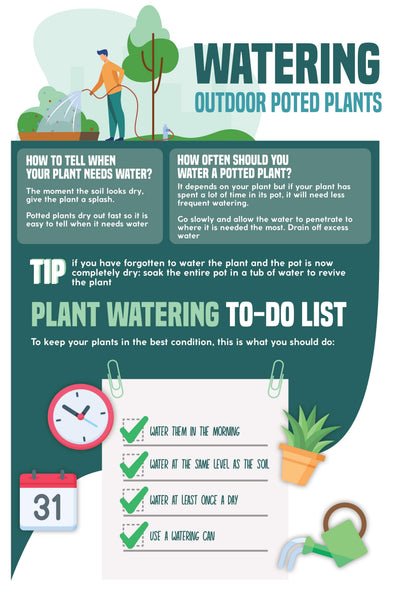
Watering during the early morning reduces evaporation. This allows plants to absorb moisture before the sun intensifies. Evening watering can lead to fungal growth. Cool, calm mornings are ideal for plant hydration. Monitor soil moisture for additional watering needs.
Watering Techniques
Soak the soil deeply to encourage deep root growth. Avoid frequent, shallow watering that leads to weak roots. Use a gentle stream to prevent soil erosion. Water the base of plants, avoiding wetting leaves. Mulching helps retain soil moisture longer.
Tools And Equipment
Invest in a quality hose with a spray nozzle. A soaker hose provides even watering without runoff. Drip irrigation systems offer precise moisture control. Watering cans are perfect for small gardens or container plants. Choose tools that suit your garden’s size and needs.
Seasonal Watering Tips
Adjusting water levels for garden plants can be tricky with changing seasons. Warm months might need daily watering, while cooler times require less. Observing soil moisture and plant signs helps ensure adequate hydration without overwatering.
Seasonal watering tips are essential to keeping your garden vibrant and thriving throughout the year. Different seasons bring unique challenges and opportunities for your garden plants. Understanding how much water your plants need during each season can ensure they remain healthy and robust. Let’s delve into some practical insights for watering your garden plants during different seasons.Spring And Summer
In spring, the garden begins to wake from its winter slumber. The soil starts warming up, and your plants begin to grow actively. It’s crucial to ensure your plants get enough water to support this growth. During summer, the heat can be intense, and evaporation rates are high. Your plants will need more frequent watering to compensate for the water loss. Consider watering early in the morning or late in the evening to minimize evaporation. But how do you know if you’re giving enough water? A simple test is to stick your finger into the soil about an inch deep. If it feels dry, it’s time to water. Remember, overwatering can be just as harmful as underwatering. Aim for consistent moisture, not soggy soil.Fall And Winter
As fall arrives, temperatures drop, and plants begin to slow their growth. This means they require less water. Reduce your watering frequency, allowing the top layer of soil to dry out between sessions. Winter can be tricky because even though many plants are dormant, they still need some water. If your area experiences freezing temperatures, water your plants during the warmer parts of the day to prevent ice from forming in the soil. One often overlooked tip is to monitor rainfall. Natural precipitation can drastically reduce the need for manual watering. Use a rain gauge to keep track of how much rain your garden receives and adjust your watering schedule accordingly. Are you adjusting your watering practices with the seasons? It’s a small change that can lead to lush, healthy plants all year round.Water Conservation Strategies
Determining the right amount of water for garden plants is crucial for their health. Efficient watering involves understanding plant needs and soil type. Use mulch to retain moisture and water early morning to minimize evaporation.
Water conservation strategies are crucial for maintaining healthy garden plants. These strategies help preserve valuable resources and reduce water waste. Implementing effective methods ensures plants receive the right amount of water without overuse. Let’s explore some practical techniques that promote responsible water usage in gardens.Mulching Benefits
Mulching keeps moisture in the soil. It reduces evaporation, ensuring plants stay hydrated longer. Organic mulch, like bark or leaves, enriches the soil. It also prevents weed growth, which competes for water. Mulch acts as a barrier, protecting roots from extreme temperatures.Rainwater Harvesting
Collecting rainwater provides a free water source for gardens. Set up barrels under downspouts to catch rain. This method reduces dependence on municipal water. Rainwater is often softer and less processed. It benefits plants more than tap water.Efficient Irrigation Systems
Drip irrigation targets plant roots directly. This system minimizes water waste by delivering it slowly. Timers and sensors optimize watering schedules. They ensure plants get water only when needed. Efficient systems adjust to weather conditions. They prevent overwatering during rainy periods.
Credit: savvygardening.com
Frequently Asked Questions
How Often Should I Water My Garden Plants?
Garden plants usually need watering once or twice a week. Consider weather conditions, soil type, and plant species. During hot spells, increase frequency. Ensure soil remains moist but not waterlogged. Adjust based on specific needs of each plant type.
How Do I Know If My Plants Need Water?
Check soil moisture by inserting your finger about an inch deep. If it’s dry, water the plants. Wilting leaves or dry soil surface are indicators. Observe plant appearance and soil condition regularly for optimal care. Use a moisture meter for precise measurements.
Can I Overwater My Garden Plants?
Yes, overwatering can harm plants. It leads to root rot and fungal diseases. Ensure proper drainage and avoid waterlogged soil. Monitor soil moisture and adjust watering schedule accordingly. Understanding each plant’s specific needs helps prevent overwatering issues.
What Time Of Day Is Best To Water Plants?
Morning is the best time to water garden plants. It allows moisture to be absorbed before the heat of the day. Watering in the evening increases risk of fungal growth due to prolonged dampness. Early watering supports healthy growth and reduces evaporation.
Conclusion
Watering your garden plants correctly ensures their healthy growth. Each plant has different water needs. Check soil moisture regularly. This prevents over or under-watering. Morning is the best time to water. It reduces evaporation. Use mulch to retain soil moisture.
Group plants with similar water needs. This makes watering easier. Observe your plants closely. Adjust watering based on weather changes. Too much or too little water can harm plants. Consistent care leads to vibrant gardens. Stay attentive. Your plants will thank you with lush, healthy growth.
Happy gardening!