Imagine stepping into your garden, where the vibrant colors of your plants seem to whisper promises of tranquility and beauty. Yet, amidst this serene setting, pesky weeds can quickly turn your peaceful retreat into a frustrating battle.
You might be wondering, what tools do you need to weed a garden effectively? The right tools can make the difference between a laborious chore and a satisfying, even enjoyable, gardening experience. As you read on, you’ll discover how choosing the right equipment can save you time, energy, and maybe even spark a newfound love for gardening.
Whether you’re a seasoned gardener or just starting out, learning about these essential tools will empower you to reclaim your garden space with ease. Dive in to find out how to make your garden flourish by managing those stubborn weeds effortlessly.
Types Of Weeding Tools
Gardeners use various tools for weeding. Hand trowels, hoes, and weed pullers are essential. Each tool helps remove weeds effectively and keeps your garden neat.
Weeding can be one of the most satisfying gardening tasks, transforming a tangled mess into a neat and flourishing plot. But without the right tools, it can quickly turn into a strenuous chore. Equipping yourself with the proper weeding tools not only saves time but also makes the process much more enjoyable. Let’s dive into the types of weeding tools that can make your gardening experience smoother and more efficient.Hand Tools
Hand tools are essential for precision work and tackling weeds in tight spaces. They are perfect for small gardens or areas with delicate plants. A trusty hand tool can give you the control needed to remove weeds without disturbing nearby roots. – Trowel: A trowel is versatile, useful for digging out stubborn weeds and loosening soil around them. – Weeding Knife: This tool is great for slicing through roots and extracting weeds from the soil. Its sharp edge can make quick work of any pesky intruder. – Hand Cultivator: Ideal for aerating soil and uprooting small weeds, a hand cultivator is designed to break up soil clumps, making it easier to pull weeds.Long-handled Tools
Long-handled tools offer the advantage of reaching weeds without bending over, providing comfort during prolonged weeding sessions. They are particularly useful for larger gardens and older gardeners seeking to avoid strain. – Hoe: A hoe is excellent for slicing through weeds at the soil level. It can cover large areas swiftly, making it a preferred choice for many gardeners. – Garden Fork: With its pronged design, a garden fork can penetrate the soil and uproot larger weeds, especially those with deep roots. – Weed Puller: This tool uses leverage to extract weeds from the soil, complete with their roots. It’s perfect for tackling those stubborn weeds that refuse to budge. Have you ever considered the impact of using the right tool on your weeding efficiency? By selecting the appropriate tool, you not only save time but also protect your plants from unnecessary disturbance. So, next time you’re gearing up for a weeding session, take a moment to assess your garden and choose the tools that best meet your needs. Your back—and your plants—will thank you!
Credit: www.amazon.com
Hand Tools For Precision
Hand tools like trowels and hoes make weeding efficient. A hand fork helps loosen the soil. Garden gloves protect hands while pulling weeds.
Hand Tools for Precision Weeding a garden requires precision to protect your plants. Hand tools are perfect for this task. They allow you to target weeds without disturbing the soil too much. Let’s explore some essential hand tools that can help you weed with precision.Garden Trowel
A garden trowel is a small hand tool. It features a pointed, scoop-shaped blade. This tool is perfect for digging small holes. You can use it to remove weeds with roots. Its sharp edge makes slicing through soil easy. Choose a trowel with a comfortable grip for long use.Hand Weeder
A hand weeder is designed to tackle stubborn weeds. It has a narrow, forked end. This tool helps you dig deep and remove roots. With a simple twist, you can pull out weeds entirely. Its design minimizes soil disturbance, protecting your plants.Pruning Shears
Pruning shears are perfect for cutting tough stems. They resemble scissors but are stronger. Use them to trim overgrown plants. You can also snip weeds close to the ground. Choose shears with a locking mechanism for safety. A sharp blade makes clean cuts, reducing plant stress.Long-handled Tools For Efficiency
Long-handled tools like hoes and cultivators make garden weeding easier. They help reach weeds without straining your back.
Long-handled tools are a gardener’s best friend when it comes to weeding with efficiency and ease. Their extended reach allows you to tackle weeds without bending or straining your back, making garden maintenance less of a chore. If you’re looking to keep your garden pristine without the extra effort, these tools are essential in your gardening arsenal.Hoe
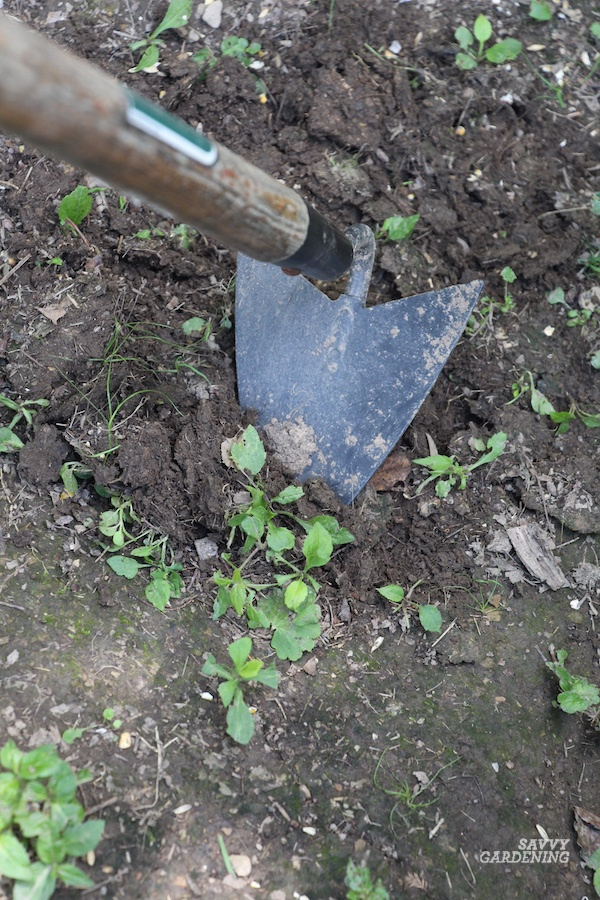
A hoe is indispensable for any gardener aiming to keep weeds at bay. With its sharp blade and long handle, it allows you to slice through weeds just below the soil surface. This not only removes the weed but also prevents it from returning. It’s perfect for larger areas where weeds might be more prevalent. Plus, using a hoe is a great way to aerate the soil, promoting healthier plant growth. Have you ever tried using a hoe right after rain? It’s surprisingly satisfying and remarkably effective.Cultivator
The cultivator is another key player in the realm of long-handled tools. Its multiple prongs make it ideal for breaking up soil and uprooting weeds. This tool is especially handy when you’re dealing with tightly packed soil or if you want to mix in some compost. A cultivator can reach between plants and in narrow rows where larger tools might not fit. Imagine the joy of seeing a clean garden bed after a few sweeps of this tool. It’s a small victory that makes gardening so rewarding.Garden Fork
A garden fork might not be the first tool you think of for weeding, but it’s surprisingly versatile. Its sturdy tines can dig deep into the soil to remove stubborn weeds by the roots, ensuring they don’t make a comeback. It’s also excellent for turning over soil and breaking up clumps, making it easier to plant your next crop or flowers. If you’ve ever struggled with a particularly persistent weed, you’ll appreciate the strength and leverage a garden fork provides. Which of these tools do you find indispensable in your garden? Share your experiences and insights to help others make the most of their gardening toolkit.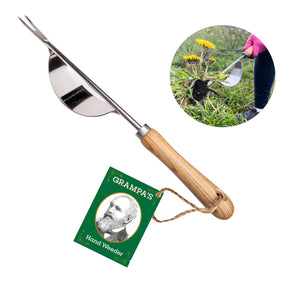
Credit: grampasweeder.com
Power Tools For Larger Gardens
Power tools make weeding larger gardens easier and faster. Essential tools include a string trimmer, garden tiller, and weed sprayer. These tools help maintain a neat and healthy garden with minimal effort.
Tending to a larger garden can feel overwhelming, especially when weeds seem to sprout overnight. Power tools can be game-changers, allowing you to manage your garden efficiently and with less physical strain. These tools not only save time but also ensure a thorough job, giving your plants the space and nutrients they need to thrive.Electric Weed Eater
An electric weed eater is a must-have for any gardener dealing with a vast expanse of land. It’s lightweight, making it easy to maneuver around flower beds and garden paths. You might find it especially helpful for trimming weeds in hard-to-reach areas where a lawnmower can’t go. Electric models are environmentally friendly and quieter than their gas counterparts. They start with the push of a button, so you won’t be wrestling with a pull cord. Keep an eye on battery life if you opt for a cordless version; it’s crucial to ensure you have enough power to cover your entire garden in one go.Rototiller
If you’re working with a large plot, a rototiller can be your best friend. It breaks up compacted soil, making it easier to remove weeds and prepare the ground for planting. This tool is excellent for turning soil and mixing in compost or fertilizer, promoting a healthier garden environment. Consider the size and power of the rototiller before purchasing. Smaller models work well for tight spaces, while larger ones can handle extensive gardens. Have you ever found yourself wishing for an easier way to prepare your soil? A rototiller can make that wish come true, saving you hours of backbreaking work. Incorporating these power tools into your gardening routine can transform your experience, making it less of a chore and more of a joy. Are you ready to enhance your gardening game?Choosing The Right Tool For Your Garden
Choosing the right tool for your garden can make weeding feel less like a chore and more like a rewarding experience. The right tool not only saves time but also protects your plants and your back. Let’s dive into the factors that will help you select the perfect tool for your unique gardening needs.
Garden Size Considerations
When deciding on a weeding tool, the size of your garden plays a significant role. If you’re working in a small garden or a few potted plants, handheld tools like trowels or hand forks are perfect. They offer precision and control, allowing you to navigate tight spaces without disturbing your plants.
For larger gardens, consider long-handled tools such as hoes or weeders. These help cover more ground quickly and reduce the need to bend over constantly, making the task easier on your body. Think about how much time you want to spend weeding and choose a tool that aligns with your garden’s scale.
Type Of Weeds
Understanding the type of weeds in your garden is crucial to selecting the right tool. Annual weeds, which have shallow roots, can often be removed with simple tools like a hoe or a hand weeder. These tools are excellent for slicing through the soil just below the surface, uprooting weeds effectively.
Perennial weeds, on the other hand, tend to have deeper root systems. For these, a more robust tool like a garden fork or a dandelion digger might be necessary to extract the roots completely. Failing to remove the entire root can lead to regrowth, making your efforts feel futile.
Have you ever been frustrated by a weed that just keeps coming back? That’s a sign you might need to reassess your tools. Equip yourself with the right options, and you’ll spend less time battling the same weeds repeatedly.
Maintenance And Care Of Tools
A garden requires essential tools for effective weeding. Hand trowels are great for digging small areas. Garden hoes help to remove weeds between rows.
Maintaining and caring for your garden tools is essential for ensuring their longevity and effectiveness. Imagine spending hours crafting the perfect garden, only to find your tools rusty and unusable. Investing a little time in proper maintenance can prevent this and keep your gardening routine smooth and satisfying.Cleaning Tips
Cleaning your tools after each use can make a significant difference. It’s not just about removing dirt; it’s about preventing rust and decay. Use a sturdy brush to scrub off soil and debris, then wipe them down with a damp cloth. A little oil goes a long way in preventing rust. Rub a thin layer on metal parts to keep them shiny and operational. Have you tried using vinegar for stubborn rust? It works wonders! Just soak the affected area for a few hours and watch it dissolve.Storage Solutions
Proper storage is crucial for tool longevity. Leaving them outside exposes them to weather elements that can degrade their quality. Consider a dedicated storage shed or a section in your garage where tools can be stored away from moisture. Using pegboards can help organize your tools efficiently. Hang them up to prevent damage from piling them up. You’ll find that having easy access to your tools makes gardening a more enjoyable experience. Would you trust a tool that’s been left out in the rain? Neither would your plants. Taking a few minutes to store tools properly pays off in maintaining their condition. Your garden will thank you as you wield tools that are ready to work as hard as you do.Safety Tips For Using Garden Tools
Weeding a garden is a rewarding activity, but it can come with its own set of challenges if you’re not using your tools safely. Whether you’re a seasoned gardener or just starting out, understanding how to protect yourself is crucial. Let’s dive into some essential safety tips to ensure your gardening experience is both safe and enjoyable.
Proper Gear
Wearing the right gear is your first line of defense. Sturdy gloves are essential to protect your hands from thorns and sharp weeds. Consider wearing long sleeves and pants to guard against insect bites and sun exposure.
Sturdy footwear is also important. Opt for closed-toe shoes with a good grip to prevent slips and falls. A wide-brimmed hat and safety goggles can protect your face and eyes from debris and sunlight.
Safe Handling Practices
Always inspect your tools before use. Check for any signs of rust or damage that could lead to accidents. Make sure all blades are sharp; dull tools require more force, increasing the risk of injury.
While using garden tools, maintain a firm grip and keep your hands dry. This can prevent slips and ensure better control. Remember to use tools in the manner they were designed for; improvising can lead to mishaps.
Are you storing your tools safely? Keep them in a dry, accessible place to avoid tripping hazards. Hanging them on a wall or storing them in a shed can keep them out of the way and prolong their lifespan.
By taking these precautions, you can enjoy the art of weeding without worry. Safety should always be part of your gardening routine. What steps will you take to ensure a safe gardening experience?

Credit: savvygardening.com
Frequently Asked Questions
What Are Essential Garden Weeding Tools?
Essential tools for garden weeding include a hand trowel, hoe, and garden fork. A hand trowel is great for digging up stubborn weeds. A hoe helps in removing larger weeds and cultivating soil. A garden fork assists in loosening soil, making it easier to remove weeds.
How Does A Hoe Help In Weeding?
A hoe is excellent for cutting through soil and uprooting weeds. It allows you to target larger weeds effectively. By scraping the surface, a hoe helps prevent weed growth. It’s ideal for maintaining garden beds and ensuring weeds don’t take over your plants.
Why Use A Hand Trowel For Weeding?
A hand trowel is perfect for precise weeding in tight spaces. Its pointed blade easily removes deep-rooted weeds. It’s especially useful for digging small holes. A hand trowel is essential for gardeners who want to maintain neat, weed-free plants.
Are Garden Forks Necessary For Weed Removal?
Garden forks are crucial for loosening compacted soil and uprooting weeds. They help aerate the soil, promoting plant health. This tool assists in removing weeds by turning the soil. A garden fork is beneficial for tackling dense weed patches.
Conclusion
Gardening becomes easier with the right tools. Choose what suits your garden. Gloves protect your hands from dirt. A trowel helps dig small holes. Use a hoe to break up soil. Pruners trim plants efficiently. A weeder removes stubborn weeds.
Rakes smooth the soil surface. Wheelbarrows carry heavy loads. Keep tools clean for longer life. Proper tools make gardening enjoyable and effective. Happy gardening!







