Have you ever found yourself staring at your garden, wondering if adding compost after planting is a good idea? You’re not alone.
Many gardeners have this question and the answer might surprise you. Compost is like a magic ingredient for your garden—it nourishes the soil, boosts plant health, and can even improve your garden’s resilience. But is it too late to add compost once your plants are already settled in?
You’ll discover the benefits and potential pitfalls of introducing compost after planting. By the end, you’ll be equipped with the knowledge to make your garden thrive, ensuring your plants get the best care possible. Keep reading to unlock the secrets of successful gardening and transform your outdoor space into a lush paradise.

Credit: www.youtube.com
Benefits Of Composting
Enhancing your garden with compost after planting boosts soil health and plant growth. Nutrient-rich compost improves moisture retention and encourages beneficial microorganisms. It’s a simple way to support thriving plants.
Adding compost to your garden after planting can transform your plants’ health and productivity in remarkable ways. Composting is not just a way to recycle kitchen scraps and garden waste; it’s a golden opportunity to enrich the soil, improve plant growth, and boost your garden’s resilience. You might wonder if it’s too late to add compost once your plants are already in the ground. Fear not, the benefits are still yours to reap!Enhances Soil Structure
Compost works wonders for your garden soil by improving its structure. It helps create a fluffy, aerated environment that roots love. Imagine trying to breathe in a room filled with smoke versus one with fresh air. Roots need space to stretch and grow, and compost provides just that.Boosts Nutrient Content
Adding compost introduces a rich mix of nutrients into your soil. It’s like giving your plants a balanced diet, full of vitamins and minerals. Even if you’ve already planted, compost can serve as a slow-release fertilizer, supplying essential nutrients over time.Improves Moisture Retention
Ever notice your garden drying out too quickly? Compost helps retain moisture in the soil, reducing the need for frequent watering. This can be especially beneficial in the hot summer months when water conservation becomes critical.Supports Beneficial Organisms
Compost is teeming with life. It fosters a thriving community of beneficial organisms like earthworms and microbes. These little helpers break down organic matter and help your plants absorb nutrients more effectively. It’s like having a team of tiny gardeners working for you.Reduces Soil Erosion
Soil erosion can be a gardener’s nightmare. Compost acts as a protective layer, reducing erosion and helping your garden maintain its structure. This means fewer nutrients are washed away during heavy rains.Promotes Plant Health
Healthy soil means healthy plants. Compost enhances plant resilience against diseases and pests. If you’ve ever had a plant inexplicably die, compost might be the secret ingredient it needed to fight off unwanted invaders.Encourages Sustainability
By composting, you’re participating in a cycle of sustainability. You’re reducing waste and nurturing the earth. It’s a simple action that has a profound impact. Why not turn your garden into a testament to eco-friendly practices? Adding compost after planting is not only beneficial but essential for a thriving garden. What changes have you noticed after adding compost? Could this be the missing piece in your gardening puzzle?Timing For Adding Compost
Adding compost after planting can enhance soil quality and plant growth. Gently top-dress around the plants or work it into the soil surface. This method provides essential nutrients without disturbing plant roots.
Timing for Adding Compost Adding compost to your garden is crucial for healthy plants. The right timing can enhance growth and soil quality. Many wonder if compost can be added after planting. The answer is yes, and it can be very beneficial.Understanding Plant Growth Cycles
Plants have different growth stages. Compost can be added during these stages. Early stages benefit from nutrients. Mid-growth needs can also be met with compost.Spring And Fall Applications
Spring and fall are ideal times for adding compost. During spring, compost boosts growth. Fall applications prepare soil for winter rest. Both seasons offer unique benefits.Weather Considerations
Weather impacts compost effectiveness. Rain helps compost integrate into soil. Dry spells may require watering post-composting. Keep an eye on forecasts.Frequency Of Compost Addition
Regular composting supports ongoing plant health. Every few months is often recommended. Check soil and plant needs to decide frequency.Signs Your Garden Needs Compost
Yellowing leaves may indicate nutrient deficiency. Slow growth can be another sign. Compost can address these issues effectively.Benefits Of Adding Compost
Compost enriches soil with nutrients. It improves moisture retention. Healthy soil leads to healthy plants. Your garden will thrive with regular composting.Types Of Compost Suitable For Gardens
Adding compost after planting enriches soil, boosts plant growth, and retains moisture. Options include leaf mold, manure, and kitchen scraps, all enhancing garden health.
Adding compost to your garden after planting can boost growth and health. Compost enriches soil, improves water retention, and provides essential nutrients. Choosing the right type is crucial for garden success. Different composts suit various plants and soil conditions. Below are some compost types that are suitable for gardens.Organic Compost
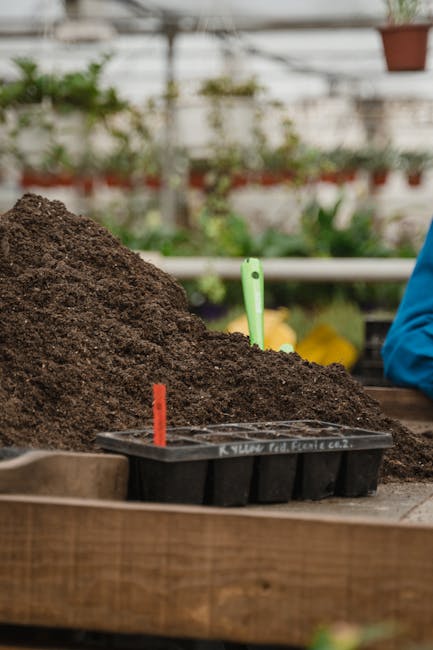
Organic compost is rich in natural materials. It includes decomposed plant matter, kitchen scraps, and leaves. This compost enhances soil fertility and provides a balanced nutrient mix. It supports microbial activity and improves soil structure. Organic compost is versatile and suits most garden types.Animal Manure Compost
Animal manure compost is nutrient-rich. It consists of decomposed manure from cows, chickens, or horses. This compost boosts nitrogen levels in the soil. It helps plants grow strong and healthy. Ensure manure is well-rotted to avoid burning plants. It’s ideal for vegetable gardens and flower beds.Leaf Mold
Leaf mold is made from decomposed leaves. It’s a simple compost that enriches soil texture. Leaf mold retains moisture well and improves drainage. It is less nutrient-dense than other composts. Leaf mold suits woodland gardens and shade-loving plants.Mushroom Compost
Mushroom compost is a byproduct of mushroom farming. It contains straw, gypsum, and other organic materials. This compost is great for improving soil structure. It enhances water retention and provides moderate nutrients. Use mushroom compost for vegetable gardens and container plants.Vermicompost
Vermicompost is produced by worms breaking down organic matter. It’s nutrient-rich and contains beneficial microbes. Vermicompost improves soil aeration and fertility. It is ideal for potted plants and small garden spaces. Worm composting can be done at home, making it accessible. Choosing the right compost ensures a thriving garden. Each type offers unique benefits to different plant needs. Selecting suitable compost improves soil quality and plant health.Methods To Apply Compost
Sprinkle compost around your plants to enrich soil. Work it gently into the top layer, avoiding plant roots. This boosts nutrients and improves soil structure for healthier growth.
Adding compost to your garden after planting can boost plant health and soil vitality. But how exactly should you apply it? Several methods can suit different gardening styles and needs. Let’s explore some effective ways to introduce compost to your garden post-planting.Top Dressing Technique
Top dressing is a straightforward method where you spread a thin layer of compost over the soil around your plants. This technique enriches the soil gradually as nutrients seep down with watering and rain. It’s akin to giving your garden a nutrient-rich blanket. One spring, I tried this on my vegetable patch. Within weeks, my tomatoes and peppers seemed to stand taller and greener. You might notice similar improvements, making this method worth a try.Trench Composting
Trench composting involves digging a shallow trench between your plant rows and filling it with compost. Cover it with soil, and let nature do the rest. This method can be likened to feeding your garden from below, offering a steady supply of nutrients. Consider this technique if you have a bit of space between plants. It might take some time, but the results are rewarding, with healthier root systems and more robust plants.Compost Tea Application
Compost tea is a nutrient-rich liquid made by soaking compost in water. You can apply it directly to plant roots or as a foliar spray. It’s like giving your plants a nutrient boost in liquid form. During a particularly dry summer, I used compost tea on my flowering plants. Not only did they thrive, but the blooms were more vibrant than ever. Wouldn’t you love to see such a change in your garden? Choosing the right composting method depends on your garden’s unique needs and your gardening style. Try one or combine them for even better results. Which method will you experiment with first?Avoiding Common Mistakes
Adding compost after planting can benefit your garden but avoid disturbing plant roots. Spread compost evenly on the soil surface. Water gently to help nutrients seep into the soil.
Adding compost to your garden after planting can boost plant health. Yet, common mistakes can hinder growth. Knowing these errors helps you use compost effectively. Avoid these pitfalls for a thriving garden.Over-application Issues
Too much compost can smother plants. It might restrict air and water flow to roots. This can lead to root rot. Always apply a thin, even layer. A 1-2 inch layer is ideal. Use a rake to spread it gently. Ensure it doesn’t touch plant stems.Compost Quality Concerns
Not all compost is the same. Poor quality compost can harm plants. It may contain weed seeds or pathogens. Always use well-aged, dark compost. It should smell earthy, not sour. Check for lumps or foul odors. These indicate poor quality. Quality compost supports healthy soil life.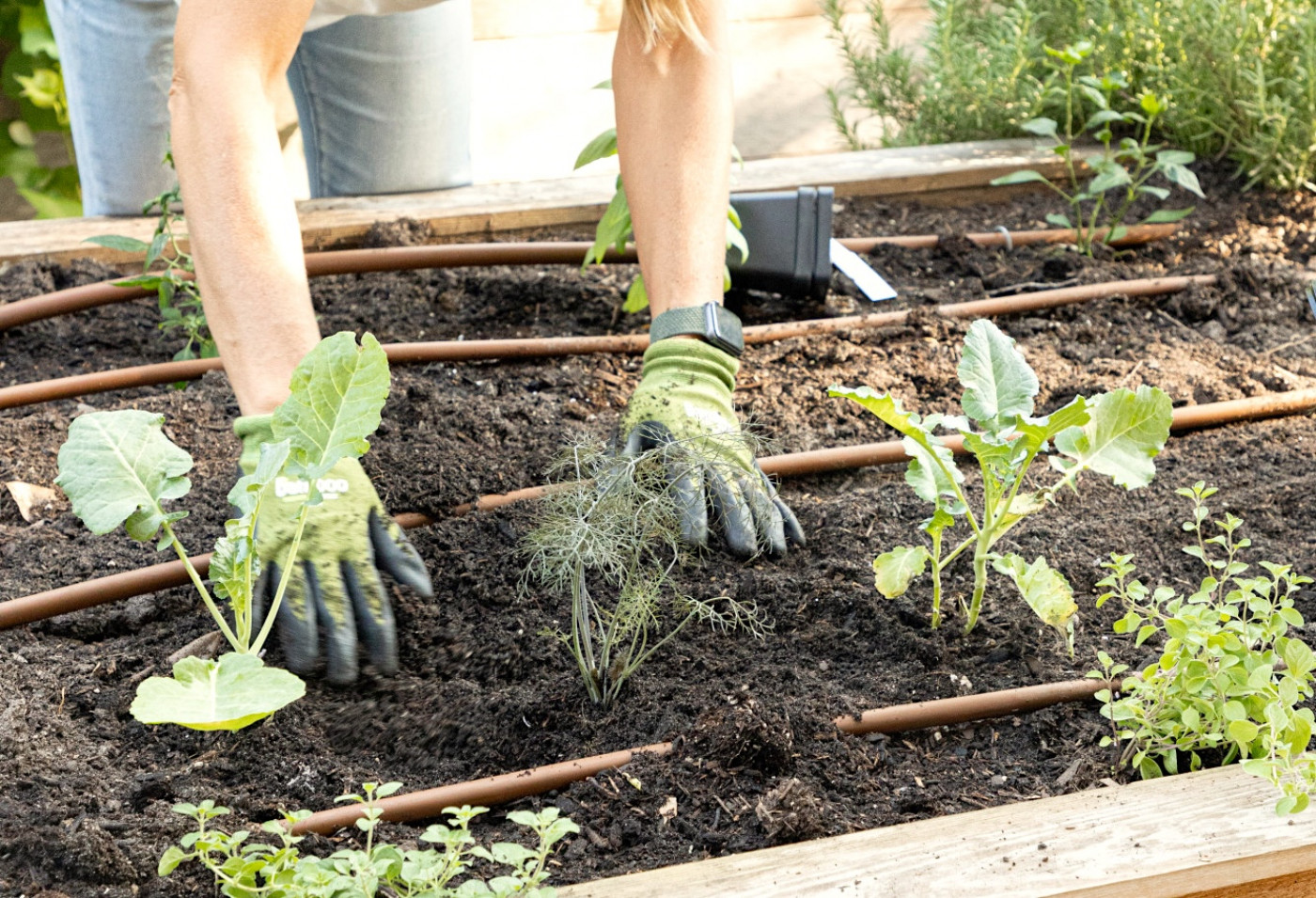
Credit: www.gardenary.com
Improving Soil Health
Adding compost to your garden after planting can work wonders for soil health. Compost is rich in organic matter and nutrients. It improves the overall structure and fertility of your soil. This results in stronger, healthier plants. Let’s explore how compost can enhance soil structure and boost nutrient levels.
Enhancing Soil Structure
Compost improves soil structure by adding organic matter. This helps create better air and water circulation. Good soil structure allows roots to grow easily. It also helps retain moisture, reducing the need for frequent watering.
Loose soil structure is vital for plant growth. Compost helps bind soil particles together. This reduces compaction and encourages root expansion. With a better soil structure, your plants will thrive.
Boosting Nutrient Levels
Compost is a natural fertilizer packed with nutrients. It releases essential nutrients slowly over time. This ensures a steady supply of food for your plants. Nutrients like nitrogen, phosphorus, and potassium are present in compost.
These nutrients are crucial for plant health. They support growth and enhance fruit and flower production. With compost, your plants will receive a balanced diet. This leads to vibrant and productive gardens.
Environmental Benefits
Enhancing soil health is easy by adding compost to your garden, even after planting. Compost boosts plant growth by enriching the soil with nutrients. It also improves soil structure, helping retain moisture and reducing the need for frequent watering.
Adding compost to your garden after planting not only enhances soil quality but also offers significant environmental benefits. By doing so, you’re not just nurturing your plants, but also contributing to a healthier planet. Let’s explore how composting can make a difference in your garden and beyond.Reducing Waste
Composting is a practical way to reduce household waste. Instead of tossing kitchen scraps and yard waste into the trash, you can turn them into nutrient-rich compost for your garden. This process minimizes the amount of organic waste sent to landfills, where it would otherwise decompose anaerobically and release methane—a potent greenhouse gas. Imagine the impact if every household composted their waste. The reduction in landfill waste would be monumental. Plus, you’re creating a cycle of growth where nothing goes to waste. Isn’t it satisfying to know that your garden can thrive from what was once considered rubbish?Promoting Biodiversity
Using compost in your garden encourages a diverse ecosystem. It enriches the soil, promoting the presence of beneficial microorganisms and insects. These tiny helpers improve soil structure and health, which in turn supports a wider variety of plant life. A biodiverse garden is a resilient one. It can better withstand pests and diseases, reducing the need for chemical interventions. Have you noticed more butterflies or bees around your compost-enriched plants? That’s nature’s way of thanking you for nurturing a healthy habitat. By adding compost, you’re not just growing plants; you’re cultivating an entire ecosystem. How does it feel to play a role in promoting biodiversity right in your backyard?Tools And Materials Needed
Compost enriches garden soil even after planting. Use a garden fork or trowel to gently mix compost into the topsoil. Organic mulch or gloves can help spread compost evenly without disturbing plants.
Adding compost to your garden after planting can boost plant health and soil quality. However, to do this effectively, you need the right tools and materials. Having the correct equipment ensures you apply compost without disturbing your plants.Shovel Or Spade
A sturdy shovel or spade is essential for gently working compost into the soil. Choose one that feels comfortable in your hands. It should have a sharp edge to cut through the soil easily.Garden Fork
A garden fork is perfect for aerating the soil and mixing compost without damaging roots. Its tines are less likely to disturb delicate plants. Opt for one with a comfortable grip to ease your work.Compost Bin Or Bag
Quality compost can come from a store or your homemade compost bin. Consider what suits your needs best. Ensure the compost is well-aged and free from pests.Wheelbarrow Or Garden Cart
Transporting compost across your garden is much easier with a wheelbarrow. It minimizes trips back and forth. Keep it clean and ready for action.Gloves
Gardening gloves protect your hands from dirt and potential sharp objects. Choose gloves that allow flexibility. Comfort is key to keeping your hands safe during the process.Watering Can Or Hose
After adding compost, watering helps integrate it with the soil. Ensure your watering can or hose can reach all your plants. Adjust the water flow to avoid washing away the compost. Do you have all these tools ready in your gardening shed? Having them on hand makes adding compost a breeze, enhancing your garden’s growth without any hassle.Seasonal Considerations
Adding compost after planting boosts soil health and supports growing plants. Spread compost around plants and gently mix into the topsoil. This method enriches the soil, providing essential nutrients and improving moisture retention.
Seasonal considerations play a crucial role in garden composting. The timing of adding compost can influence plant growth. Different seasons offer unique benefits and challenges. Understanding these can help you maximize the benefits of compost.Spring
Spring is ideal for adding compost to the garden. Plants are beginning to grow rapidly. Compost provides essential nutrients during this growth spurt. Fresh compost helps improve soil structure. It also boosts water retention, vital in spring rains.Summer
In summer, heat can dry out soil quickly. Compost can keep moisture in the soil. It reduces the need for frequent watering. Adding compost during summer can protect plants from heat stress. It’s a great time for mulching with compost.Fall
Fall is perfect for preparing the garden for winter. Adding compost enriches the soil for the next growing season. It aids in breaking down any remaining plant material. Fall composting helps improve soil health over winter.Winter
Winter composting requires careful planning. Frozen ground makes it harder to incorporate compost. However, applying compost to the surface can still benefit soil. As temperatures rise, nutrients will seep into the ground. This prepares the garden for spring planting.
Credit: www.instagram.com
Frequently Asked Questions
Can I Add Compost After Planting?
Yes, you can add compost after planting. It enriches the soil, providing nutrients for plants. Spread compost around the base of plants. It improves soil structure and retains moisture. Be gentle to avoid disturbing plant roots.
How Does Compost Benefit Planted Gardens?
Compost benefits gardens by enhancing soil fertility. It improves soil structure and water retention. Compost provides essential nutrients for plant growth. It encourages beneficial microbial activity in the soil. This leads to healthier and more productive plants.
When Is The Best Time To Add Compost?
The best time to add compost is early in the growing season. It ensures nutrients are available for plant growth. You can also add it during mid-season. This helps replenish nutrients and improve soil quality. Avoid adding compost during extreme weather conditions.
Can Compost Harm Established Plants?
Compost is unlikely to harm established plants. It improves soil health and provides nutrients. Ensure compost is well-decomposed before application. Fresh compost can be too rich and damage roots. Avoid excessive application to prevent nutrient overload.
Conclusion
Compost can boost your garden’s health even after planting. It’s simple to apply. Spread it around the plants. Water it in gently. Compost enriches the soil. It helps retain moisture. Nutrients are released slowly. This supports plant growth. Your plants can thrive with added compost.
Remember to monitor your garden. Adjust compost amounts as needed. Keep your garden healthy and green. Enjoy the benefits of composting. Happy gardening!