Have you ever stood in front of a garden center, wondering if garden soil is the right choice for planting grass seed? You’re not alone.
Many homeowners face this dilemma when planning their lush green lawns. It seems simple, but the soil you choose can make or break your dream of a verdant yard. You might be asking yourself, “Can I really use garden soil for grass seed?
” The answer isn’t as straightforward as it seems, and that’s exactly what we’re going to explore. Get ready to dive into the details that will help you make the best choice for your lawn, ensuring every blade of grass flourishes. Keep reading to discover the secrets that can transform your outdoor space into a masterpiece!
Garden Soil Vs. Lawn Soil
Choosing the right soil for planting grass seed can be a game changer for your lawn’s health and appearance. Garden soil and lawn soil differ significantly, and understanding these differences can help you make an informed decision. Let’s dive into the composition and nutrient availability to see why using garden soil might not be the best choice for your grass seeds.
Composition Differences
Garden soil is typically rich and dense, designed to support a variety of plants and vegetables. It includes organic matter, clay, and sometimes sand to retain moisture. However, this density can impede grass roots from spreading effectively.
Lawn soil is specifically formulated to support grass growth. It’s lighter and less dense, promoting better aeration and drainage, which is crucial for grass seed germination. You might notice your grass struggling to thrive if planted in garden soil due to its compact nature.
Nutrient Availability
Garden soil is packed with nutrients tailored for vegetables and flowers, often containing higher levels of nitrogen, phosphorus, and potassium. While this is great for hearty plants, it might not be ideal for grass.
Lawn soil typically balances nutrient levels to support grass growth. It ensures that nutrients are available at a rate suitable for grass, which can be different from what garden soil offers. Have you ever wondered why your grass isn’t as green as you’d hoped? It could be due to the nutrient mismatch.
Next time you’re deciding on soil for your grass seeds, consider these differences. Your lawn’s health could depend on choosing the right soil. So, will you still reach for garden soil, or opt for lawn soil to give your grass the best start?

Credit: www.grassseedonline.co.uk
Benefits Of Using Garden Soil
Garden soil can be a good choice for planting grass seed. It provides essential nutrients and supports healthy grass growth. Ensure the soil is well-drained and free from weeds for best results.
Planting grass seed can be a rewarding endeavor, transforming your outdoor space into a lush, green haven. But, can you use garden soil for this task? Absolutely! Let’s explore the benefits of using garden soil for planting grass seed.Cost-effective Option
Using garden soil you already have can save you money. Instead of purchasing specialized lawn soil, you can utilize what’s available in your garden. This approach not only reduces costs but also minimizes waste. Why buy more when you can use what you already have?Natural Fertilizers
Garden soil often contains natural fertilizers, enhancing the growth of grass seed. Organic matter, like decomposed leaves and plant material, enriches the soil with nutrients. This natural enrichment can lead to healthier grass, giving you a vibrant lawn without synthetic additives. Have you noticed how well your garden plants thrive? The same principle applies to your grass seed. Leveraging garden soil can be both economical and beneficial for your lawn’s health. Have you considered trying it out?Challenges And Considerations
Garden soil may not always be ideal for planting grass seed due to its density and nutrient levels. Consider soil testing to assess its composition and make necessary amendments. Proper drainage and nutrient balance are crucial for healthy grass growth.
Planting grass seed might seem like a straightforward task, but there are several challenges and considerations to keep in mind when using garden soil. While garden soil can be rich in nutrients, it may not always be the best choice for grass seed. Let’s explore some key challenges you might face.Drainage Issues
Garden soil often contains a higher concentration of clay, which can lead to poor drainage. When water can’t flow freely through the soil, it can drown the grass seed, preventing it from germinating. Think about the last time you walked on a lawn after heavy rain—did it feel spongy or flooded? This is a sign of poor drainage. Consider mixing your garden soil with sand or compost to improve drainage. This adjustment can help ensure your seeds get the right balance of moisture and oxygen.Weed Growth
Garden soil may introduce unwanted weeds that compete with your grass for nutrients and sunlight. Before you know it, your lawn can be overtaken by dandelions and crabgrass instead of lush green grass. You can combat this by using a pre-emergent herbicide or manually removing weeds before planting your grass seed. Ask yourself, is your lawn a sanctuary or a battlefield? A little effort upfront can save a lot of frustration down the road. Both drainage issues and weed growth require your attention if you want a thriving lawn. By addressing these challenges, you can create a healthier environment for your grass seed to flourish.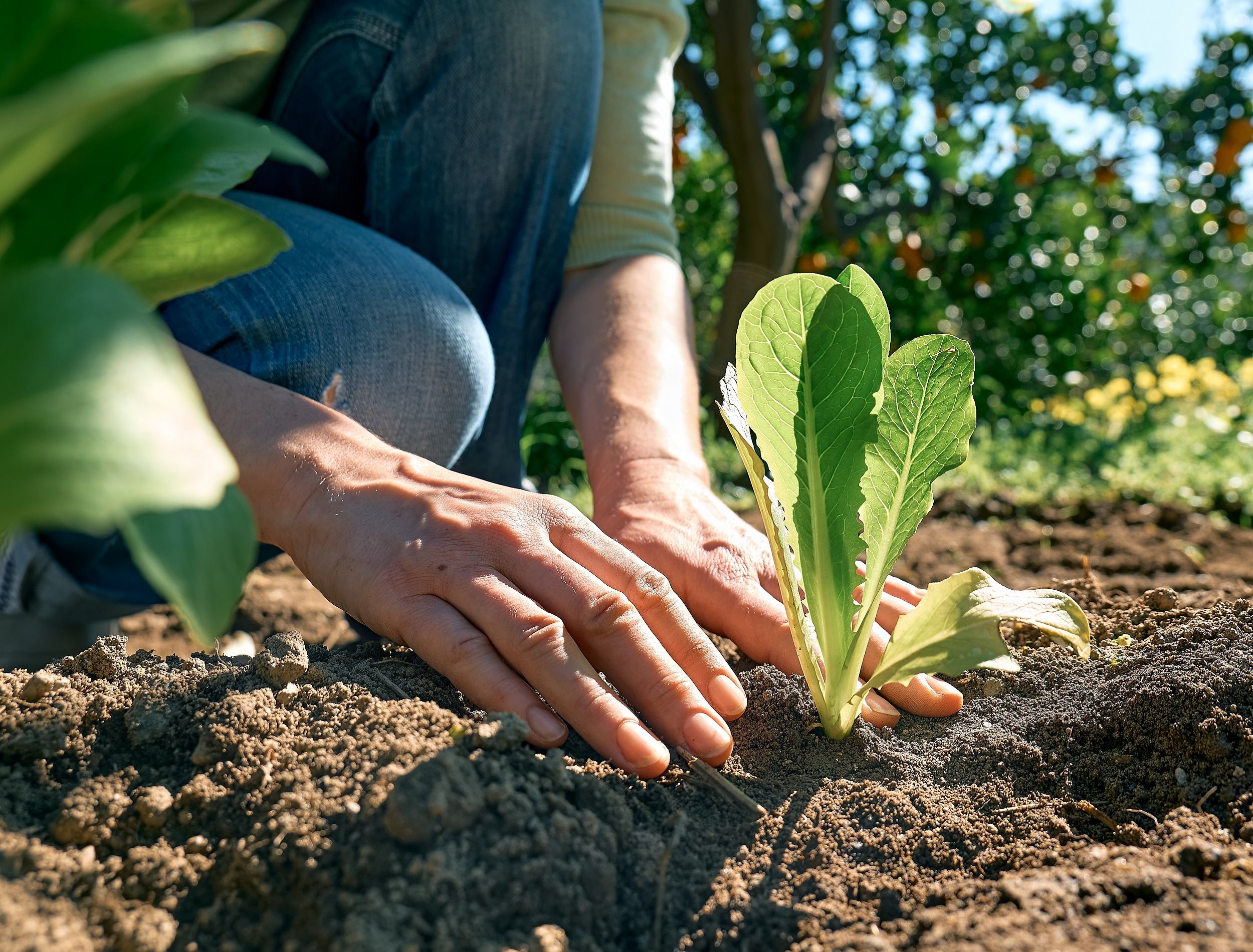
Credit: www.backyardboss.net
Preparing Garden Soil For Grass Seed
Garden soil can be used to plant grass seed, but proper preparation is crucial. Remove debris, loosen the soil, and ensure good drainage for healthy grass growth.
Preparing garden soil for grass seed ensures healthy, lush growth. Quality soil provides essential nutrients and a stable foundation. Follow these steps to get your garden soil ready for grass seed.Soil Testing
Test your soil to understand its composition. This reveals pH levels and nutrient availability. Use a simple soil test kit from a garden store. Follow the instructions carefully for accurate results. Check if your soil is too acidic or alkaline. Knowing this helps you make necessary adjustments. Healthy soil promotes strong grass growth.Amending For Texture
Amend the soil to improve texture and drainage. Sandy soil drains too quickly, while clay soil holds water. For sandy soil, add organic matter like compost or peat moss. It helps retain moisture and nutrients. For clay soil, mix in sand or gypsum. This improves drainage and reduces compaction. Ensure the soil is loose and crumbly for easy root penetration. Proper texture supports healthy grass roots. Prepare your garden soil well for successful grass seed planting. Healthy soil is the key to a beautiful lawn.Alternatives To Garden Soil
Using garden soil for planting grass seed may not be ideal due to poor drainage and nutrient issues. Consider alternatives like potting mix or topsoil, which offer better aeration and moisture retention, promoting healthier grass growth.
Planting grass seed successfully requires more than just scattering the seeds over the ground. While garden soil might seem like an easy option, it may not always be the best choice due to its varying nutrient levels and density. Thankfully, there are several alternatives to garden soil that can create a thriving environment for your grass. These options can enhance the chances of a lush, green lawn, free from the pitfalls of compacted or nutrient-poor garden soil.Commercial Lawn Soil
Commercial lawn soil is specifically formulated to meet the needs of grass growth. It typically includes a balanced mix of nutrients, ensuring your grass seeds have the ideal conditions to germinate and grow robustly. You might find that commercial lawn soil is a bit more expensive than garden soil, but the investment can pay off with a healthier lawn. It often comes pre-mixed with essential elements like peat moss or perlite, which help in retaining moisture while maintaining adequate drainage. Consider visiting your local garden center to explore different brands and types of commercial lawn soil.Topsoil Blends
Topsoil blends are another excellent alternative that can provide a solid foundation for grass seeds. These blends often include a mix of compost and sand, creating a nutrient-rich and well-draining environment. While purchasing topsoil blends, pay attention to the texture and composition. A blend with too much clay can lead to poor drainage, whereas one with too much sand might dry out too quickly. Aim for a balanced mix that feels crumbly and rich. Have you ever tried mixing your own topsoil blend? Combining garden soil with compost can create a DIY blend that’s both cost-effective and beneficial for your grass seeds.Expert Recommendations
Experts share insights on using garden soil for planting grass seed. They emphasize the importance of soil quality and preparation. Proper steps ensure healthy grass growth. Let’s explore their recommendations.
Soil Preparation Tips
Preparing the soil is crucial for grass seed success. Remove any weeds or debris. This helps the grass seed to contact the soil directly. Aerate the soil to improve its texture and drainage. Use a garden fork or aerator tool.
Mix the garden soil with organic matter. Compost or peat moss works well. This improves soil nutrients and structure. Ensure the soil is slightly moist before planting. This helps the seeds to germinate effectively.
Maintenance Practices
Maintaining the soil and grass is vital. Water the grass seed regularly. Keep the soil moist but not waterlogged. This encourages seed germination and root development. Mow the grass once it reaches about 3 inches high.
Fertilize the lawn after the grass establishes. Choose a balanced fertilizer for best results. Follow the instructions on the package. Proper maintenance keeps your lawn lush and healthy.
Common Mistakes To Avoid
Planting grass seeds with garden soil can seem simple. Yet, many mistakes can hinder growth. Avoiding these errors ensures a lush, green lawn.
Overwatering
Water is vital, but too much can drown seeds. It washes away soil nutrients. Keep soil moist, not soaked. Check soil daily. Light watering is best.
Ignoring Soil Ph
Grass needs the right pH to thrive. Most grasses prefer slightly acidic soil. Use a pH meter or test kit. Adjust soil pH if needed. Lime raises pH; sulfur lowers it.
Credit: www.terra-lawn-care.com
Frequently Asked Questions
Can Garden Soil Be Used For Grass Seed?
Using garden soil for grass seed is possible, but not ideal. Garden soil may lack nutrients and proper drainage. It’s best to use a specialized soil mix for optimal growth. Amend garden soil with compost or sand to improve its quality before planting grass seed.
What Type Of Soil Is Best For Grass?
The best soil for grass is well-draining and nutrient-rich. Loamy soil, which is a mix of sand, silt, and clay, provides ideal conditions. It retains moisture without becoming waterlogged, supporting healthy grass growth. You can amend existing soil with organic matter for better results.
Should I Mix Garden Soil With Topsoil?
Mixing garden soil with topsoil can improve its quality for grass planting. Topsoil provides essential nutrients and better drainage. Combine both to create a balanced medium for grass seed germination. Ensure the mix is loose and aerated for optimal root development.
How Do I Prepare Soil For Grass Seed?
To prepare soil, remove weeds and debris, and loosen the top layer. Test soil pH and amend as needed for balance. Add organic matter or fertilizers for nutrient enrichment. Level the surface for even seed distribution, ensuring optimal conditions for seed growth.
Conclusion
Using garden soil for grass seed can work but requires care. It often lacks nutrients or drains poorly. Testing soil quality is essential. Consider adding organic matter. This improves soil structure and fertility. Mulch can help retain moisture. Fertilizers boost growth if needed.
Proper watering is crucial for success. Ensure grass seeds are well-covered. Avoid compacting the soil too much. Patience pays off with healthy grass. Regular maintenance keeps your lawn thriving. Starting right ensures a lush, green result. Keep these tips in mind for the best outcome.
Happy planting!