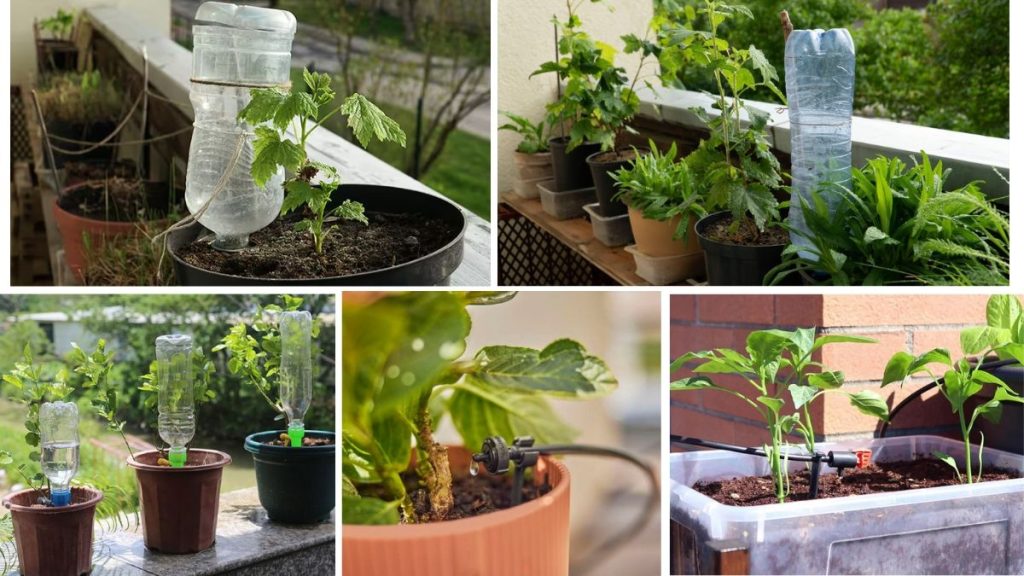
Imagine transforming your indoor space into a thriving garden that flourishes with minimal effort. Sounds incredible, right?
Well, with a drip system, your gardening dreams can become reality. This efficient watering method ensures your plants receive just the right amount of moisture, allowing them to grow lush and healthy without the constant worry of overwatering or underwatering.
But here’s the real magic: setting up a drip system for your indoor garden is not as complicated as it seems. Whether you’re a seasoned gardener or a beginner, you can master this system with ease. Imagine the satisfaction of seeing your plants thrive, knowing you’ve created the perfect environment for them. You’ll discover step-by-step instructions, tips, and tricks to set up your own drip system. No more guessing games with watering cans or struggling with inconsistent plant growth. Dive into this guide and unlock the secrets to a flourishing indoor garden. Your plants will thank you, and you’ll enjoy the beauty of a vibrant, green oasis right inside your home. Ready to get started? Let’s make your indoor gardening effortless and rewarding!
Credit: www.thegardentools.com
Benefits Of Indoor Drip Systems
Indoor drip systems offer many benefits for home gardeners. They provide precise control over watering, ensuring plants get the right amount. This conserves water and promotes healthier growth. With an indoor drip system, you can enjoy a more efficient, low-maintenance garden.
Efficient Water Usage
Drip systems deliver water directly to the plant roots. This reduces water waste from evaporation or runoff. You use less water overall, making it an eco-friendly choice.
Consistent Moisture Levels
Plants thrive with consistent moisture. Drip systems maintain steady soil moisture. This helps prevent overwatering or underwatering, common in traditional watering methods.
Time-saving Convenience
Drip systems automate the watering process. You save time and effort on daily watering tasks. Set it up, and let it do the work for you.
Improved Plant Health
Healthy plants need consistent care. Drip systems provide nutrients evenly, promoting stronger growth. Plants are less prone to stress and disease with this reliable watering method.
Versatility For Different Plants
Drip systems suit various plant types. Adjust the system to meet specific plant needs. Whether herbs or flowers, each gets tailored care.
Reduce Indoor Humidity
Watering can raise indoor humidity. Drip systems minimize excess moisture, keeping indoor air balanced. This is beneficial for both plants and people.
Credit: hiraliy.com
Selecting The Right Plants
Choosing the right plants is crucial for a drip system indoor garden. Opt for low-water, shade-tolerant varieties that thrive indoors. Suitable choices include herbs like basil and mint, or small leafy greens.
Selecting the right plants for your indoor drip system garden is crucial to ensure a thriving, low-maintenance green space. Choosing plants that are compatible with drip irrigation will help you make the most of your system, saving time and water. Whether you’re aiming for a lush herb garden or a vibrant collection of indoor flowers, understanding which plants work best will set you on the right path.Best Plants For Drip Systems
Drip systems are particularly effective for a range of plants known for their adaptability and moderate water needs. Herbs like basil, parsley, and mint are excellent choices because they thrive with consistent moisture without being waterlogged. Leafy greens such as lettuce, spinach, and kale also do well, providing fresh harvests with minimal effort. Succulents and cacti may seem like unlikely candidates, but with proper adjustments, such as lower flow rates, they can flourish in a drip system too. These plants prefer less frequent watering, so ensure your system’s timer is set accordingly. Have you considered growing indoor tomatoes or peppers? They love the consistent moisture that drip systems provide, leading to bountiful fruiting.Considerations For Plant Selection
Before selecting your plants, think about the light conditions in your space. Does your garden area receive ample sunlight, or is it more shaded? This will influence your choice significantly, as some plants need direct sunlight while others can thrive in low light. Consider the size of your space and the growth habits of your plants. Will they have enough room to expand without overcrowding? Large plants may overshadow smaller ones, affecting their growth and your garden’s aesthetic. Finally, reflect on your personal preferences and goals. Are you growing for beauty, food, or both? Your choices should align with your lifestyle and how much time you can commit to maintenance. By selecting plants that fit your environment and needs, you’ll create a harmonious and flourishing indoor garden.Essential Equipment And Tools
Setting up an indoor drip system requires key tools like timers, tubing, and emitters. Ensure a water source and adjustable flow controls for efficient watering. Choose pots with good drainage to prevent overwatering.
Setting up a drip system for your indoor garden can transform your gardening experience, making it efficient and hassle-free. But before you dive in, understanding the essential equipment and tools is crucial. With the right components and tools at your disposal, you’ll find the process smoother and more enjoyable, setting the stage for thriving plants.Components Of A Drip System
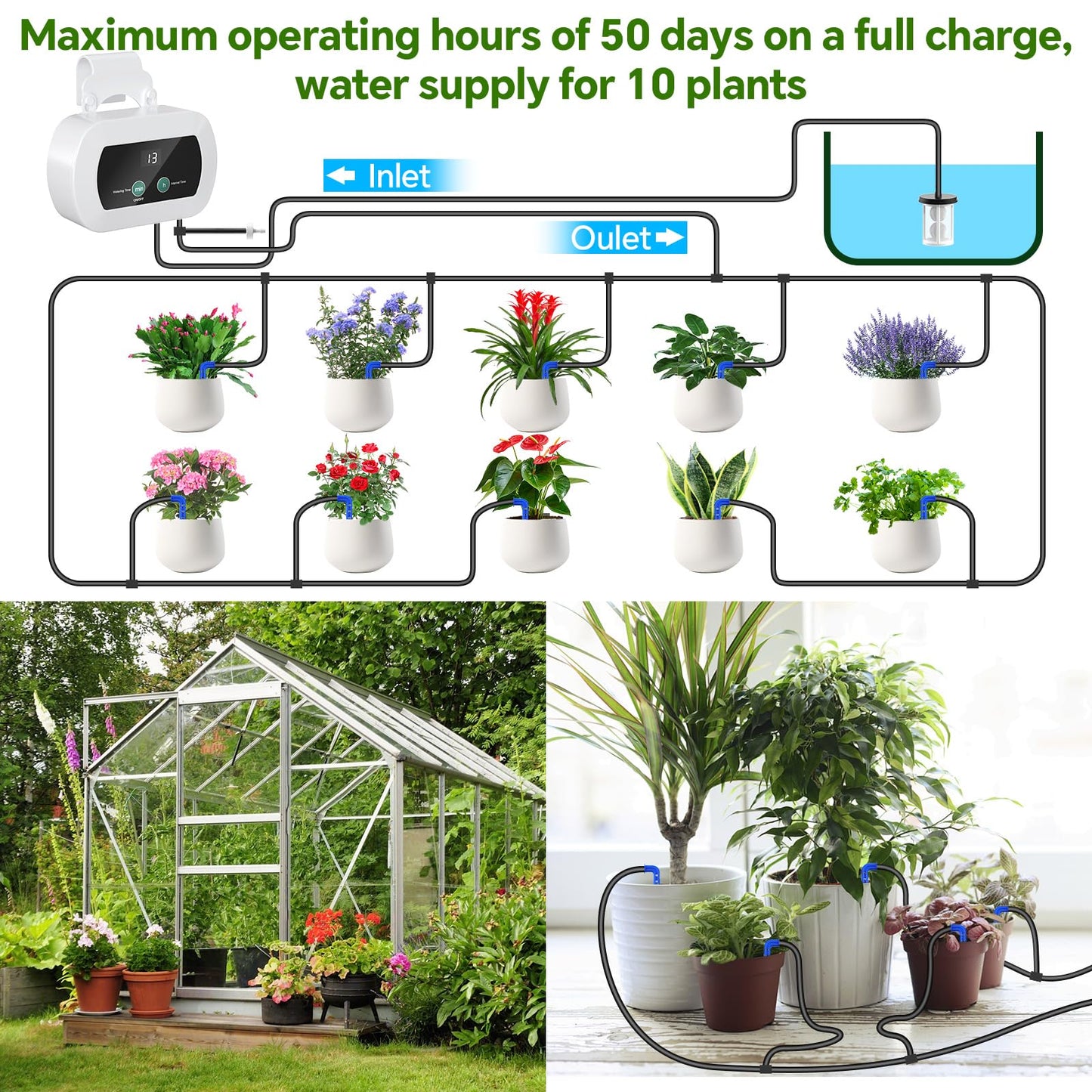
Your indoor drip system revolves around several key components. At the heart of this setup is the reservoir, which holds the water that will be delivered to your plants. Choose a container that fits comfortably within your garden space. Next, you’ll need tubing or hoses. These act as the pathways for water to travel from the reservoir to your plants. Flexible tubing is often preferred as it can easily maneuver around pots and containers. Emitters are another critical component. These small devices control the flow of water to each plant, ensuring that every plant receives the right amount of moisture. Different types of emitters are available, so consider your plant’s needs and the system’s efficiency when choosing. Lastly, a pump is necessary to move water through the system. Opt for a submersible pump if you want a quiet operation or a surface pump for larger setups.Tools Needed For Setup
Having the right tools on hand will make setting up your drip system a breeze. Start with a pair of sharp scissors or a knife to cut the tubing to the correct lengths. Properly cut tubing ensures a snug fit and prevents leaks. A punch tool is useful for making precise holes in the tubing for the emitters. This tool ensures that the emitters fit tightly, preventing water wastage. Don’t forget connectors and stakes. Connectors help join different sections of tubing, while stakes secure the tubing in place, keeping your setup tidy and organized. Lastly, consider using a timer for automation. This tool lets you schedule watering times, freeing you from manual operation and ensuring consistent care for your plants. With these components and tools, you’ll be well-equipped to set up a successful indoor drip system. How will this change your gardening routine?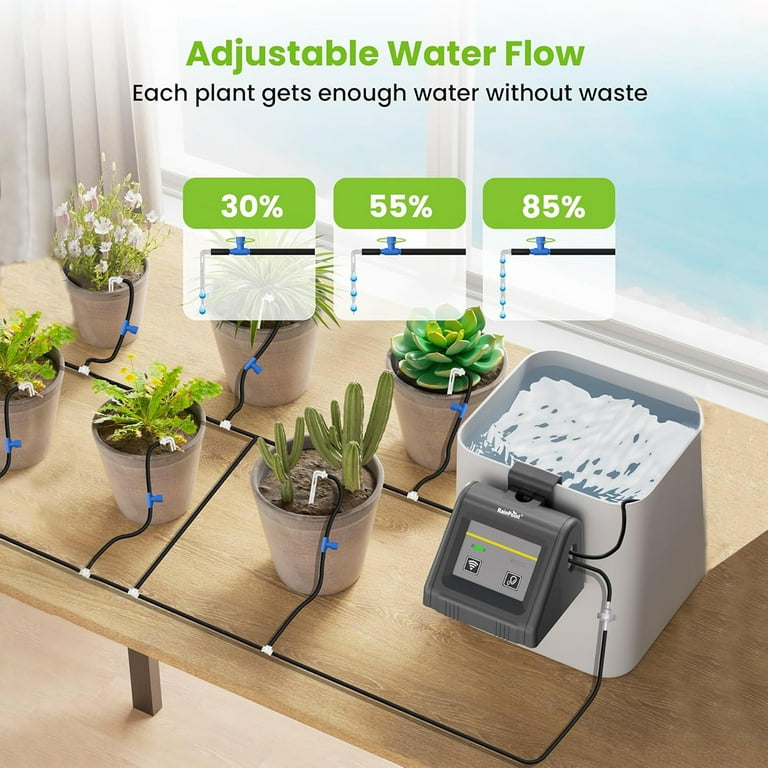
Credit: www.walmart.com
Designing Your Drip Layout
Designing your drip layout for an indoor garden involves selecting suitable components and arranging them strategically. Ensure optimal water distribution by placing drip emitters near each plant’s base. Adjust flow rates to match plant needs, ensuring efficient watering and healthy growth.
Designing the perfect drip layout for your indoor garden can transform your plant care routine into a seamless experience. It’s not just about setting up hoses and emitters; it’s about crafting a system that understands the unique needs of each plant. With a well-thought-out layout, you can ensure that every drop counts, saving both water and time. Let’s dive into the essential aspects of designing your drip system layout, starting with plant spacing and water flow needs.Planning Plant Spacing
When planning plant spacing, think about the future size of your plants. Crowded plants can lead to competition for resources and poor growth. Consider how large each plant will get and ensure there’s enough room for roots to expand. Create a simple sketch of your indoor garden layout. This visual aid can help you decide where each plant will be placed. Remember that some plants have higher water needs and might benefit from being closer to the water source.Determining Water Flow Needs
Assessing your plants’ water flow needs is crucial for a successful drip system. Different plants have varying water requirements; succulents might need less frequent watering compared to herbs or leafy greens. Calculate the flow rate by checking the specifications of your emitters. Match these rates with the needs of your plants to avoid over or under-watering. Adjust the system accordingly to balance the water distribution throughout your garden. Sometimes, it’s trial and error. Monitor your plants regularly to see how they respond to the water flow. Are they thriving or showing signs of stress? Tweaking your system as you observe your plants can lead to a thriving indoor garden. By carefully planning your plant spacing and understanding their water flow needs, your indoor garden’s drip system can flourish, making your green space both efficient and vibrant. Are you ready to watch your plants thrive with a little bit of thoughtful planning?Assembling The Drip System
Assembling the Drip System Setting up a drip system for an indoor garden requires basic tools and materials. Connect tubing to a water source and place emitters near each plant. Adjust the flow to ensure even watering.
Assembling the drip system for your indoor garden can seem like a daunting task, but with a clear plan, it’s more manageable than you might think. The goal is to create an efficient system that evenly distributes water to all your plants, ensuring they thrive with minimal effort on your part. Imagine the ease of knowing your plants are consistently watered, even when you’re busy or away from home.Connecting Tubing And Emitters
Start by gathering your main tubing and emitters. Cut the tubing to the required lengths, ensuring each segment reaches the base of the plants you want to water. Securely attach the emitters to the tubing. You might wonder, how many emitters do I need? A good rule of thumb is one emitter per plant for smaller pots, and two or more for larger containers. This setup ensures each plant receives the right amount of water. To prevent leaks, use connectors and tees to join segments. A tight fit is crucial to maintain water pressure and flow. Test the connections with a quick run of water to spot any potential issues.Installing The Water Reservoir
Choose a reservoir size based on the number of plants and their water needs. A larger reservoir reduces the frequency of refills, perfect if you travel often. Position it at a higher level than your plants to utilize gravity for water flow. Connect the main tubing to the reservoir, using a filter to keep out debris. This simple addition can prevent clogs and extend the system’s life. Think about using a timer to automate watering, giving you one less thing to worry about. Consider your indoor garden’s layout and ensure the reservoir doesn’t block light or access to your plants. A discreet corner might be ideal, blending functionality with aesthetics. This thoughtful placement can enhance your garden’s overall appeal while keeping it efficient. Reflect on how this setup could transform your gardening routine. Does it inspire you to expand your plant collection, knowing they’ll be well-cared for?Programming The Timer
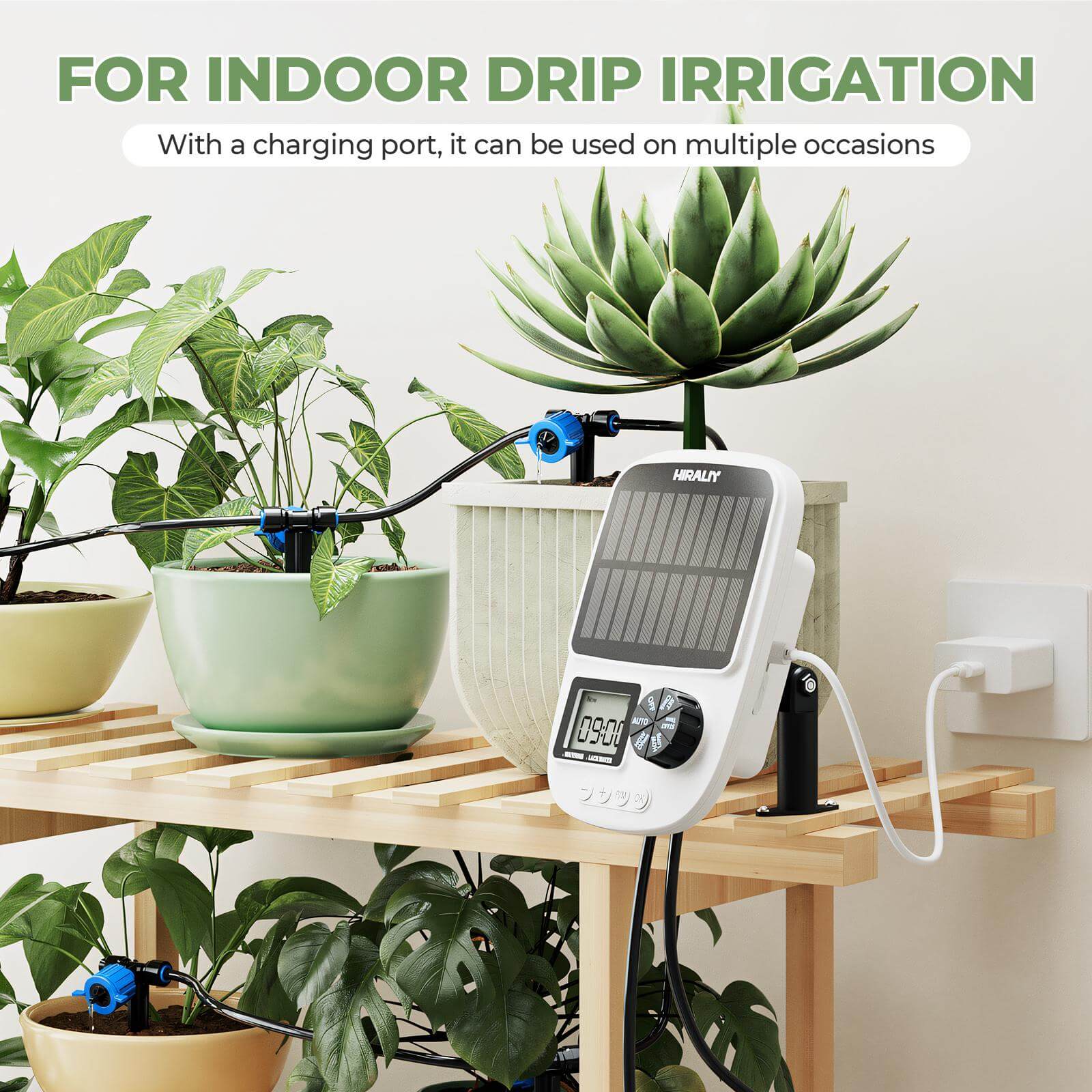
Programming the timer is essential for setting up a drip system for your indoor garden. Set the timer to regulate water flow, ensuring plants receive the right amount of moisture throughout the day. Adjust the schedule based on plant needs and seasonal changes.
Programming the timer for your indoor garden’s drip system can transform how you manage plant care. By automating the watering process, you can ensure consistent hydration without the hassle of manual watering. This not only saves you time but also allows your plants to thrive with the precise amount of water they need.Setting Watering Schedules
Setting up an effective watering schedule is crucial for the health of your indoor garden. Start by assessing the specific needs of your plants. Some plants prefer a drier soil, while others thrive in constant moisture. Consider the environmental conditions of your indoor space. If it’s particularly dry, you might need to water more frequently. Use your timer to establish consistent intervals, ensuring plants receive water at the same time each day.Adjusting For Plant Growth
As your plants grow, their water requirements will change. A seedling needs less water compared to a mature plant with an extensive root system. Adjust your timer settings to accommodate these changes in growth. Keep an eye on how your plants respond to their current watering schedule. If you notice wilting or yellowing, it may be time to tweak the watering frequency or duration. Regularly updating your timer settings ensures your plants continue to receive optimal care as they mature.Maintenance And Troubleshooting
Ensure proper water flow and check for clogs in your drip system. Regularly inspect tubing and emitters for damage. Adjust settings to match plant needs and monitor moisture levels.
Maintaining a drip system indoor garden requires regular attention to ensure everything flows smoothly. Consistent upkeep not only extends the life of your system but also keeps your plants thriving. Let’s dive into some essential maintenance tips and solutions to common issues you might encounter.Cleaning And Replacing Parts
Regular cleaning is crucial for a well-functioning drip system. Start by flushing the entire system with clean water every few weeks to prevent mineral build-up. Inspect emitters and tubing for clogs or algae growth. If you notice any, soak them in a vinegar solution to clear blockages. Replacing parts like filters or tubing sections every season can prevent future headaches. It might seem tedious, but it saves time and effort in the long run.Common Issues And Solutions
Clogged Emitters: If your plants aren’t getting enough water, clogged emitters might be the culprit. Clean them thoroughly or replace them if necessary. Inconsistent Water Flow: Check for kinks or bends in the tubing that could restrict water flow. Straighten the tubing or replace it if you notice significant damage. Leaking Connections: Leaks can waste water and reduce efficiency. Tighten loose connections and replace washers if they’re worn out. Pump Malfunctions: If your pump isn’t working, ensure it’s plugged in and there are no blockages in the intake line. Sometimes, a simple reset can do wonders. Remember, the key to a flourishing indoor garden is proactive maintenance. What’s the one maintenance task you’ve been putting off? It might be time to tackle it today!Enhancing Efficiency
Setting up a drip system for an indoor garden boosts efficiency and saves time. This method provides plants with a steady water supply, ensuring consistent growth. Easy to install, it helps maintain optimal moisture levels while reducing water waste.
Enhancing the efficiency of your indoor drip system garden can save time and resources. It helps plants thrive with minimal effort. By improving efficiency, you maximize plant growth while reducing waste. This section explores practical strategies to optimize your indoor garden’s drip system.Using Mulch And Soil Additives
Mulch helps retain moisture in the soil. It reduces water evaporation significantly. Spread a layer of organic mulch over your soil. This keeps the roots cool and moist. Mulch also suppresses weeds, which compete for water. Choose mulch types like straw, wood chips, or shredded leaves. Soil additives improve water retention and nutrient availability. Consider mixing in compost or perlite. These additives enhance soil structure. They allow better root penetration and water distribution.Integrating With Smart Technology
Smart technology can automate your drip system. Use smart controllers to manage watering schedules. These devices connect to your smartphone. You can adjust settings remotely. Sensors monitor soil moisture levels. They send alerts if water is needed. This prevents overwatering or underwatering. Smart tech makes maintaining your indoor garden easy. It ensures plants receive the right amount of water. Incorporate timers for precise control. Timers allow you to set specific watering times. This ensures consistent watering without manual intervention. They are simple to program and reliable. Enhance your indoor garden with these efficient strategies. Your plants will flourish with minimal effort.Frequently Asked Questions
What Is A Drip System Indoor Garden?
A drip system indoor garden uses a controlled irrigation method to deliver water directly to plant roots. This system minimizes water waste and provides consistent hydration. It’s ideal for maintaining plants in homes or apartments where space and resources are limited, ensuring healthy growth and maximizing yields.
How Do I Start A Drip System?
To start a drip system, first, select suitable containers and plants for your indoor garden. Install a drip irrigation kit, including tubing and emitters. Connect the system to a water source and timer to automate watering. Regularly check for clogs and ensure even water distribution for optimal plant growth.
What Are The Benefits Of Drip Irrigation?
Drip irrigation offers several benefits, including water conservation, reduced plant stress, and improved nutrient delivery. It minimizes evaporation and runoff, ensuring water reaches the roots efficiently. This method promotes healthier plants and can be customized for different plant types, making it ideal for indoor gardens.
Can I Use Drip Systems For All Plants?
Drip systems are suitable for most indoor plants, especially those requiring consistent moisture. However, some plants, like succulents, prefer drier conditions and may not benefit from drip irrigation. Always research specific plant needs and adjust your system accordingly for optimal results.
Conclusion
Setting up a drip system for your indoor garden is simple. Follow the steps above. Your plants will thrive with consistent water. Drip systems save time and reduce water waste. Perfect for busy gardeners. They ensure each plant gets the right amount of moisture.
Healthy roots mean healthy plants. Invest in quality materials for long-term use. Keep an eye on your system regularly. Adjust as needed for best results. With practice, you’ll find the right balance. Your indoor garden will flourish, bringing life and beauty to your space.
Enjoy the rewards of your effort and care.







