Imagine stepping into your garden and seeing a shed that perfectly complements the beauty of your outdoor space. Designing your garden shed can be an exciting project that transforms your yard from ordinary to extraordinary.
You might think it’s a daunting task, but with the right guidance, you can create a shed that not only serves its purpose but also enhances your garden’s aesthetics. This article will show you how to design your garden shed, unlocking the secrets to blending functionality with style.
By following these simple steps, you’ll discover how to make your shed a true reflection of your personality and needs. Ready to get started? Let’s dive in and turn your garden shed dream into reality!

Credit: www.hgtv.com
Choosing The Right Location
Selecting the ideal spot for your garden shed enhances accessibility and functionality. Consider sunlight, drainage, and distance from your home. A well-chosen location ensures convenience and preserves the beauty of your garden.
Choosing the right location for your garden shed is more than just finding an empty spot in your backyard. It’s about ensuring convenience, functionality, and aesthetic appeal. Your garden shed should be a seamless addition to your outdoor space, not an afterthought. This means considering factors like space, sunlight, and local regulations. Let’s dive into these crucial aspects to help you make the best decision for your garden shed’s location.Assessing Space And Accessibility
Before you start, measure your available space. A garden shed should fit comfortably without overwhelming your yard. Consider accessibility, too. You’ll want easy access to tools and equipment without a trek across your property. Think about how you’ll use the shed and ensure the entrance is convenient. Visualize pathways to and from the shed. Will they be clear and safe in all weather? A well-placed shed enhances usability and blends into your garden’s flow.Considering Sunlight And Shade
Sunlight can be your ally or adversary. If your shed will store plants or seeds, a sunny spot might be beneficial. However, if you’re storing items sensitive to heat, a shaded location could be wiser. Observe your yard at different times of the day. Where does the sun hit hardest? Positioning your shed in a spot with balanced sunlight and shade can prevent overheating and provide natural light.Checking Local Regulations
Before you finalize your spot, check local regulations. Many areas have specific zoning laws or restrictions on shed placement. These rules might dictate how close your shed can be to property lines or other structures. Contact your local council or building authority for guidance. Understanding these regulations can save you time and prevent costly relocations. Always ensure your shed’s location complies with these rules to avoid future headaches. By carefully selecting your garden shed’s location, you can enhance your garden’s functionality and beauty.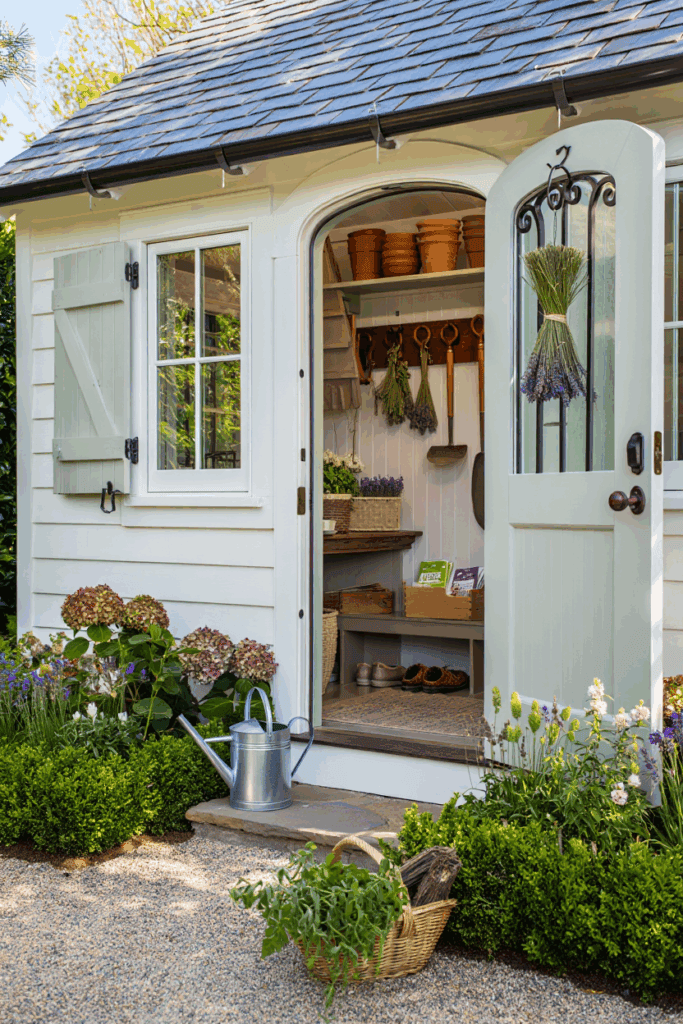
Credit: www.gardeningchores.com
Selecting The Ideal Shed Size
Choosing the right size for your garden shed involves considering space and storage needs. Measure available garden area carefully. Evaluate what items you plan to store.
Selecting the ideal size for your garden shed can be a game-changer. It’s not just about picking a space that fits your garden, but also ensuring it meets all your storage and future needs. The right size can transform clutter into an organized oasis, making your gardening experience more enjoyable and efficient.Evaluating Storage Needs
Consider what you need to store. Make a list of items such as tools, lawnmowers, bicycles, and gardening supplies. This will help you visualize the amount of space required. Measure large items to ensure they fit comfortably. You wouldn’t want to squeeze in a lawnmower only to find there’s no room for anything else. Think about shelves or hooks for smaller tools to maximize vertical space. Ask yourself if you plan to use the shed for other purposes. Could it double as a potting area or workspace? Knowing this can affect your size decision.Allowing For Future Growth
Your storage needs might increase over time. Consider if you plan to expand your gardening tools or add new hobbies that require space. Think about potential changes in your lifestyle. If you’re considering starting a family or inviting guests over frequently, your storage needs might grow. A slightly larger shed might be a wise investment. It’s easier to grow into a space than to outgrow it and face the hassle of upgrading or adding another shed.Material Options For Your Shed
Your garden shed can be a versatile space. It might store tools, shelter plants, or become a cozy retreat. Choosing the right material is crucial. It affects durability, appearance, and maintenance. Explore these popular options to find what fits your needs.
Wood: Classic And Customizable
Wood offers a timeless look. It blends well with garden landscapes. Customize it with stains, paints, or carvings. It provides natural insulation. It keeps your shed comfortable in varying climates. Regular maintenance is needed to prevent rot and pest damage. Ensure you seal it properly to prolong its lifespan.
Metal: Durable And Secure
Metal sheds are robust. They resist harsh weather conditions. It is difficult for intruders to breach. Metal requires minimal upkeep. It won’t warp or rot like wood. Rust can be an issue. Choose galvanized steel or aluminum for better protection. They offer increased longevity and strength.
Plastic: Low Maintenance And Lightweight
Plastic sheds are easy to maintain. They don’t need painting or sealing. Lightweight construction makes installation simple. They resist rot, rust, and pests. They are less sturdy compared to wood or metal. Consider reinforced options for added durability. They are an affordable choice for budget-conscious gardeners.
Designing For Functionality
Design your garden shed with functionality in mind. Choose durable materials and plan for easy access. Consider storage needs and lighting for practical use.
Designing for Functionality Transforming your garden shed into a functional space goes beyond just aesthetics. A well-designed shed should serve your needs efficiently, making every task easier and more enjoyable. Think about what you want from your shed and how it can make your gardening tasks simpler.Incorporating Shelving And Storage Solutions
Maximize your shed’s potential by adding smart shelving and storage solutions. Consider adjustable shelves that allow flexibility as your storage needs change. Using vertical space can help you keep the floor clutter-free, making it easier to move around. Invest in sturdy hooks for tools and pegboards for smaller items. This not only keeps things organized but also within easy reach. Have you thought about using transparent bins for items like seeds and small tools? They help you see what you have without rummaging through everything.Choosing Doors And Windows
The choice of doors and windows can significantly impact your shed’s usability. Sliding doors are a great option if you have limited space, as they don’t require extra room to open. On the other hand, traditional hinged doors can provide a more classic look and allow for better sealing against the elements. Windows are essential for natural light and ventilation. Consider their placement to optimize sunlight during the day. Have you considered adding skylights or larger windows to reduce the need for artificial lighting? When designing your garden shed, always focus on how each element can enhance its functionality. What specific needs does your shed fulfill, and how can its design make your gardening tasks easier? Each decision, from storage to door type, plays a crucial role in crafting a shed that truly works for you.Adding Aesthetic Appeal
Enhance your garden shed’s charm with vibrant paint colors and decorative trim. Incorporate potted plants and stylish lighting. Add a cozy seating area for relaxation and visual appeal.
Adding aesthetic appeal to your garden shed enhances its charm. A well-designed shed becomes a focal point in your garden. It blends functionality with beauty. This section explores ways to boost your shed’s visual allure.Color Schemes And Paint Options
Choosing the right color scheme is vital. It sets the mood of your garden space. Soft pastels create a serene atmosphere. Bright colors add energy and vibrancy. Consider matching the shed’s color with your home. This creates a cohesive look. Use high-quality outdoor paint for durability. It protects the shed from harsh weather. Stains can also highlight wood textures. This gives a natural look.Landscaping Around The Shed
Landscaping enhances the shed’s appeal. Plant flowers around the shed for color. Use shrubs to create structure and depth. Consider climbing plants like ivy. They add a rustic charm. A small path leading to the shed invites visitors. Use gravel or stone for a natural touch. Create a seating area nearby. It becomes a peaceful retreat. Use solar lights for evening ambiance. They highlight the shed beautifully.Eco-friendly Shed Ideas
Design a garden shed with recycled materials for an eco-friendly touch. Incorporate solar panels for renewable energy. Use natural insulation like straw or wool to maintain temperature.
Designing an eco-friendly garden shed is a rewarding endeavor that aligns your outdoor space with sustainable living. By focusing on environmentally conscious choices, you can create a shed that not only serves its purpose but also complements nature. Here are some ideas to get you started on designing an eco-friendly garden shed.Sustainable Materials
Choosing sustainable materials is a crucial step in building an eco-friendly shed. Opt for reclaimed wood or bamboo, both of which reduce the demand for new lumber and minimize your carbon footprint. Metal roofing can be recycled, making it a durable and sustainable option. Consider using natural stone or bricks for the foundation. These materials are not only long-lasting but also blend seamlessly with the natural surroundings. When selecting paint or finishes, look for non-toxic, low-VOC (volatile organic compounds) options to ensure a healthier environment.Solar Panels And Green Roofs
Installing solar panels on your shed can be a game changer for energy efficiency. They provide a renewable energy source that can power lights, small tools, or even a mini fridge. It’s a practical step towards reducing your electricity bills while contributing to a greener planet. A green roof, covered with vegetation, offers both aesthetic and functional benefits. It improves insulation, reduces rainwater runoff, and provides a habitat for local wildlife. Imagine your shed as a lush oasis, enhancing the biodiversity of your garden. Have you considered how a green roof might impact the local ecosystem in your backyard? It’s an opportunity to create a mini habitat and support pollinators. Plus, the visual appeal of a living roof can be a striking focal point in your garden. By integrating these eco-friendly ideas, your garden shed can become a sustainable haven that reflects your commitment to the environment. What other innovative ideas can you think of to make your garden shed even greener?Planning For Security
Designing your garden shed is not just about aesthetics and functionality. Ensuring its security is equally crucial. A well-secured shed protects your tools and belongings from theft, saving you from potential losses. Let’s explore some practical security measures you can implement, making your garden shed a safe haven.
Locking Mechanisms
Choosing the right lock can deter unauthorized access. Opt for a robust padlock with a hardened steel shackle. This makes it difficult for bolt cutters to break through.
Consider a deadbolt lock for additional security. Deadbolts provide extra resistance against forced entry, offering peace of mind.
Another option is a smart lock system. These allow you to control access remotely, providing alerts if someone attempts to tamper with it.
Lighting And Surveillance
Effective lighting is a simple yet powerful deterrent. Install motion-activated lights around your shed. They surprise intruders and make your property less appealing to potential thieves.
Surveillance cameras act as a strong defense. Choose cameras with night vision capabilities for 24/7 monitoring.
Position cameras at the entrance and hidden spots. This ensures comprehensive coverage, capturing any suspicious activity.
Have you ever considered the impact of visible security measures? Often, just the sight of a camera can deter potential intruders. Investing in both lighting and surveillance can transform your shed from a vulnerable spot to a secure zone.
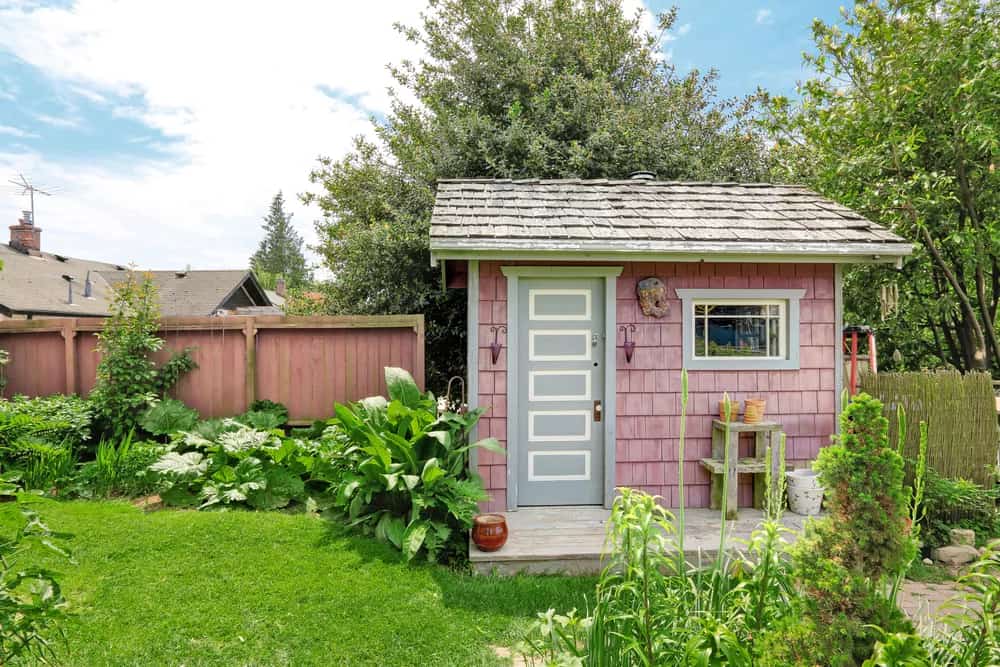
Credit: www.extraspace.com
Budgeting And Cost Considerations
Designing your garden shed requires careful budgeting and cost planning. Consider materials, size, and additional features to keep expenses manageable. Prioritize essential elements and explore affordable options for an efficient and stylish garden shed.
Designing a garden shed that suits your needs and style is an exciting venture, but it also demands careful budgeting and cost considerations. Understanding the financial aspects can save you from unexpected expenses and ensure your project stays on track. Let’s break down the costs involved and explore the options that best fit your wallet.Estimating Material Costs
Start by listing the materials you’ll need. Wood, metal, or plastic are common options, each with its own price range. Visit local hardware stores or browse online to compare prices. Create a simple table to track these costs:| Material | Estimated Cost |
|---|---|
| Wood | $500 – $1,500 |
| Metal | $600 – $2,000 |
| Plastic | $300 – $1,000 |
Diy Vs. Professional Installation
Decide whether to build the shed yourself or hire professionals. DIY can be rewarding and cost-effective if you’re handy with tools. Not only do you save on labor costs, but you also gain valuable skills. However, consider your time and expertise. A professional installation might be worth the investment if you’re short on time or lacking confidence in your building skills. They can often complete the project faster and with a polished finish. Think about your priorities. Is saving money more important, or do you value a stress-free experience? Balancing these factors will guide you to the right choice for your garden shed project.Frequently Asked Questions
What Materials Are Best For A Garden Shed?
Wood, metal, and plastic are popular choices for garden sheds. Wood offers a classic look but requires maintenance. Metal is durable and low-maintenance, ideal for security. Plastic is lightweight and resistant to rot. Consider your climate, budget, and aesthetic preferences when choosing materials for your garden shed.
How Do I Maximize Storage In My Shed?
Maximize storage by installing shelves, hooks, and pegboards. Use vertical space for hanging tools and equipment. Consider adding storage bins or containers for small items. Custom-built storage solutions can optimize space efficiently. Plan the interior layout based on the items you need to store, ensuring easy access and organization.
What Size Should My Garden Shed Be?
Determine the shed size based on your storage needs and available space. A small shed, around 6×8 feet, suits basic storage. Larger sheds, 10×12 feet or more, accommodate bigger tools and equipment. Consider future storage needs and how much space you can allocate in your garden.
How Can I Make My Shed More Secure?
Enhance shed security with strong locks and reinforced doors. Install motion-sensor lights around the shed’s perimeter. Consider security cameras for monitoring. Use opaque windows or window covers to hide valuable items. Anchor the shed to the ground to prevent theft, especially in windy areas.
Conclusion
Creating your garden shed can be a fun project. Focus on both style and function. Choose materials that match your garden’s theme. Make sure your shed meets your storage needs. Plan the layout carefully to maximize space. Add personal touches for a unique look.
Consider lighting and ventilation for comfort. Remember, a well-designed shed boosts your garden’s beauty. Enjoy the process and watch your garden transform. Happy designing!







