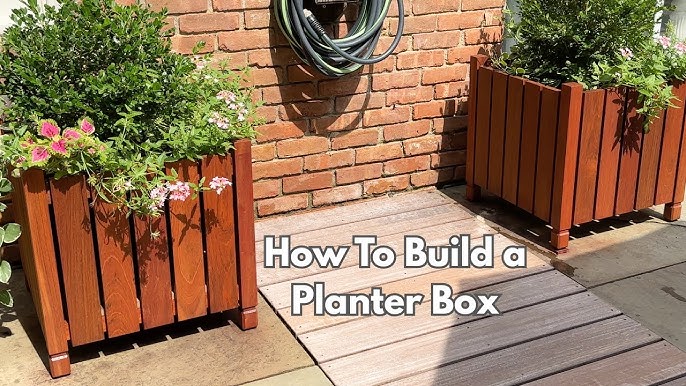
Imagine stepping into your backyard and being greeted by vibrant blooms or fresh veggies, all thriving in your custom planter box garden. Creating your own planter box garden isn’t just a dream—it’s a rewarding project that can enhance your outdoor space and bring a touch of nature to your home.
You’re not just building a garden; you’re crafting a personal oasis that reflects your style and meets your needs. You might be wondering where to start. The good news is, building a planter box garden is simpler than you think, and the results can be stunning.
This article will guide you through every step, from selecting the right materials to planting your first seeds. You’ll discover tips and tricks to make your garden flourish, and before you know it, you’ll be enjoying the fruits of your labor. Whether you’re a seasoned gardener or a newbie, you’ll find value in learning how to maximize space, choose the right plants, and maintain your garden with ease. Ready to transform your outdoor space and experience the joy of gardening? Let’s dive in and get your hands dirty!
Choosing The Right Materials
Selecting suitable materials ensures durability and ease of maintenance for planter box gardens. Wood, metal, or plastic are popular choices, each offering unique benefits like weather resistance and aesthetic appeal.
Building a planter box garden can transform any outdoor space into a lush oasis. Choosing the right materials is crucial for ensuring your garden’s durability and beauty. With so many options available, making the right choice can feel overwhelming. The materials you select will affect not only the aesthetic appeal but also the longevity and effectiveness of your planter box.Wood: A Classic Choice
Wood is a popular choice for planter boxes due to its natural beauty and versatility. Cedar and redwood are particularly favored because they are naturally resistant to rot and insects. Remember to consider treated wood if you’re looking for a more budget-friendly option, but always ensure it’s safe for plants.Recycled Materials: Eco-friendly Options
Using recycled materials can be a great way to build a sustainable garden. Old pallets or reclaimed wood can create unique and charming planter boxes. Just make sure any recycled wood is free from harmful chemicals, especially if you’re growing edibles.Metal: Modern And Durable
Metal planter boxes offer a sleek, modern look and are incredibly durable. Materials like corten steel can create a striking contrast in your garden. Be mindful of the potential for heat retention, which can affect plant health in hotter climates.Plastic: Lightweight And Versatile
Plastic is a practical choice due to its lightweight nature and resistance to rot. It’s available in a variety of colors and styles, allowing for creative design choices. Ensure the plastic is UV-stabilized to prevent deterioration from sun exposure.Concrete: Sturdy And Stylish
Concrete planter boxes provide a sturdy, long-lasting option that can withstand harsh weather conditions. They can be customized in various shapes and sizes. However, consider the weight and ensure your space can accommodate it. Choosing the right materials is about balancing aesthetics, durability, and practicality. What material resonates with your vision for a perfect garden? Let your style and environmental conditions guide your decision.
Credit: www.youtube.com
Determining The Size And Location
Assess space and sunlight to decide planter box size. Choose a location with easy access for planting and care.
Determining the size and location of your planter box garden is crucial for its success. A well-placed and appropriately sized planter box can thrive in even the smallest spaces. It’s all about maximizing the potential of your available area.Measure Your Space
First, grab a tape measure and assess the space where you want to place your planter box. Consider any limitations like walls, fences, or pathways that might affect the box’s placement. Think about the plants you’re eager to grow. Taller plants need more depth, while herbs and smaller plants can thrive in shallower boxes.Consider Sunlight Exposure
Sunlight is a plant’s best friend. Locate a spot that receives at least six hours of sunlight daily. Observe the area throughout the day to see where shadows fall and adjust your plans accordingly. If full sun isn’t available, choose plants that tolerate partial shade.Evaluate Accessibility
Your planter box should be easy to reach for watering and maintenance. Avoid placing it in hard-to-reach corners. Think about your daily routine—will you remember to water and care for the plants if the box is out of sight? Keeping it accessible ensures you won’t neglect your garden.Plan For Future Growth
Plants grow, and so should your garden. Allow space for the plants to expand over time. Consider if you’ll need to move the planter box seasonally for optimal growth. Make sure the chosen location allows for this flexibility.Optimize For Aesthetics
Your planter box should enhance your outdoor space. Choose a location that complements your home and garden’s visual appeal. Think about color and texture when selecting materials for your box. A well-designed planter box can be a focal point in your garden.Reflect On Personal Experience
When I first built my planter box, I underestimated the power of sunlight. I placed it under a tree, and my plants struggled to grow. By moving it to a sunnier spot, my garden flourished. Learn from these insights and set your planter box up for success from the start. Are you ready to transform your outdoor space with a well-placed planter box? Your dream garden might be closer than you think.Gathering Essential Tools
Gather essential tools like a saw, drill, and measuring tape for building a planter box garden. These tools help in cutting, assembling, and ensuring precise measurements for your garden project.
Building a planter box garden begins with gathering essential tools. Having the right tools makes the process smooth and enjoyable. Selecting quality equipment ensures your project starts strong.Assessing Your Needs
Consider the size of your planter box. Larger boxes require more robust tools. Smaller boxes may need simpler tools. Determine the materials you plan to use. Wood, metal, or plastic may need specific tools.Must-have Tools List
Prepare a list of essential tools. Include a measuring tape for accurate dimensions. A saw is crucial for cutting materials to size. A drill is necessary for assembling your box. Gather screws, nails, and a hammer for securing parts.Choosing Quality Equipment
Invest in durable tools. Quality tools last longer and perform better. They save time and reduce frustration. Select tools that fit comfortably in your hands. Good grip enhances efficiency and reduces fatigue.Safety Gear Importance
Safety gear protects you from injuries. Wear gloves to shield hands from splinters. Use goggles to protect eyes from debris. A dust mask is helpful when cutting materials. Ensure your workspace is well-lit and organized.Organizing Your Workspace
A tidy workspace boosts productivity. Arrange tools for easy access. Clear clutter to prevent accidents. Keep safety gear within reach. Ensure you have enough space to work comfortably.Preparing Your Materials
Gather all materials before starting. Cut wood or other materials to size. Pre-drill holes to ease assembly. Organize screws and nails by size. Lay out materials in the order you will use them. With these tools and tips, your planter box garden project will be off to a great start.Building The Frame
Building the frame of your planter box is a straightforward yet crucial step. It sets the foundation for your garden, ensuring stability and longevity. With the right approach, anyone can craft a sturdy frame, even if you’re new to woodworking. Let’s dive into the essentials of creating a robust planter box frame.
Cutting The Wood
Start by selecting the type of wood that suits your garden’s needs. Cedar and redwood are popular choices due to their natural resistance to rot. Measure the dimensions you desire for your planter box. Accurate measurements are key to avoiding wasted materials.
Once you have your measurements, use a saw to cut the wood into pieces. Ensure each cut is precise and straight. You might want to double-check your measurements before cutting—it’s easier to cut once than to fix a mistake later. If you’re unsure about using power tools, consider asking a friend for help.
Assembling The Structure
With your wood pieces ready, it’s time to bring them together. Lay out the pieces on a flat surface to visualize the frame. Start by attaching the shorter sides to the longer ones, creating a rectangle. Use screws or nails to secure them tightly.
Consider using corner brackets for additional support. These small metal pieces can be screwed into the corners, providing extra stability. If you’ve ever struggled with a wobbly table, you’ll understand how crucial this step is for a sturdy planter box.
As you assemble, ensure all corners are square. A carpenter’s square can help with this. Ask yourself: is everything lining up perfectly? A well-constructed frame not only looks good but functions better in the long run.
Preparing The Base
Preparing the Base Choose a sunny spot and clear the ground of weeds and debris. Level the soil to ensure stability. This creates a strong foundation for your planter box garden.
Preparing the base of your planter box garden is a crucial step that sets the stage for thriving plants. A well-prepared base ensures your plants have the right environment to grow, providing them with the necessary nutrients and drainage. It’s like laying a strong foundation for a house—everything depends on it.Adding A Liner
A liner is essential to protect the wood of your planter box from moisture and rot. Choose a durable material like a plastic or fabric liner. I remember using a heavy-duty plastic liner for my first planter box, which preserved the wood remarkably well through several seasons. Cut the liner to fit snugly inside the box. Secure it with staples or small nails along the edges. This simple step extends the life of your planter and keeps the soil intact.Ensuring Proper Drainage
Proper drainage is key to preventing waterlogged roots. Without it, your plants may suffer from root rot. Drill several holes at the bottom of your planter box to allow excess water to escape. Consider adding a layer of gravel or small stones at the bottom before adding soil. This extra layer facilitates better drainage and prevents soil from clogging the holes. Have you ever thought about how such a small addition can make a huge difference in plant health? By focusing on these simple but effective steps, you’re setting up your planter box garden for success. What other small adjustments can you think of that might further enhance your gardening experience?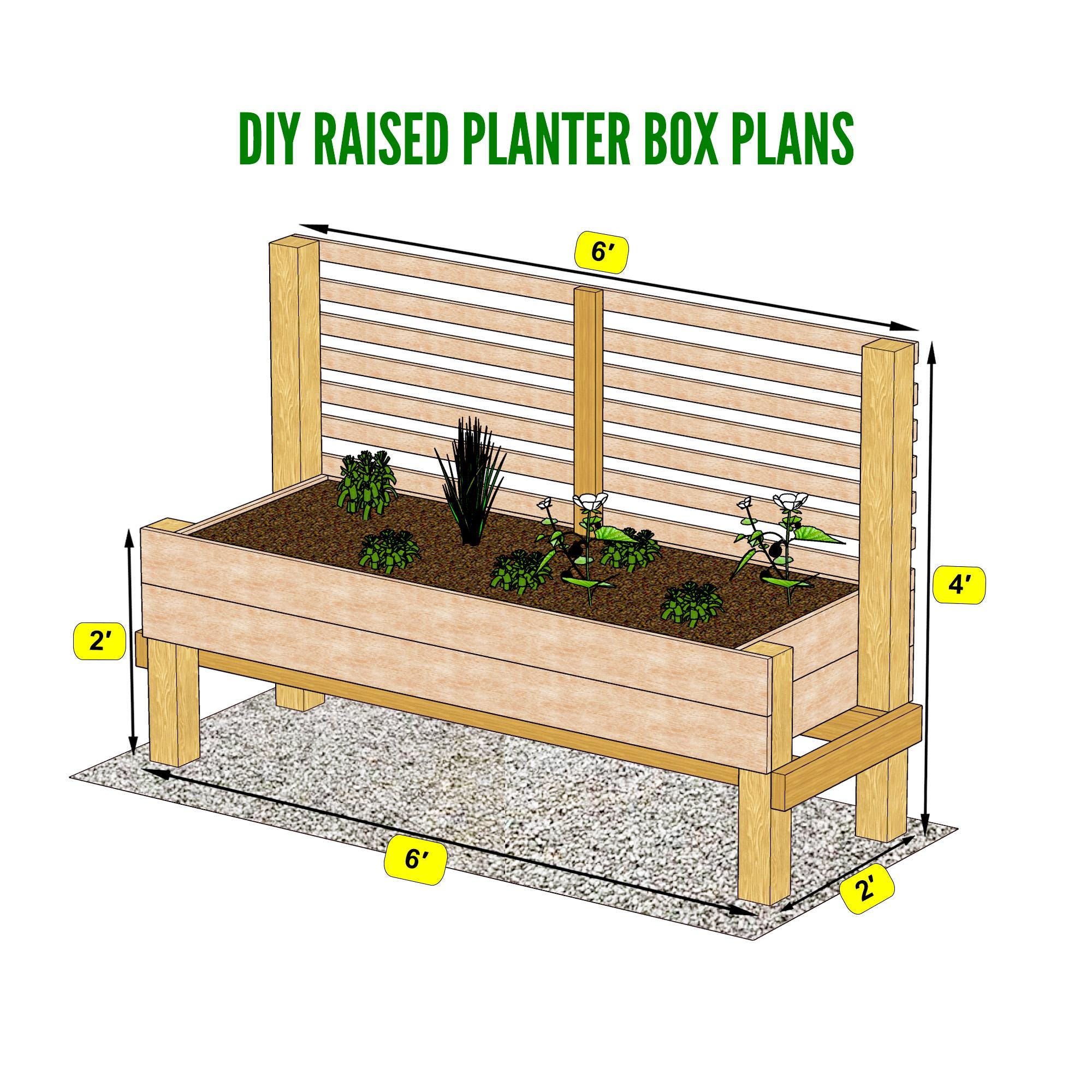
Credit: www.etsy.com
Filling With Soil
Filling your planter box with soil is a crucial step. The right soil ensures healthy plant growth. It provides nutrients and a stable base for roots. Let’s dive into how to fill your planter box effectively.
Choosing The Right Soil
Select soil that matches your plants’ needs. Use a mix of topsoil, compost, and peat moss. This blend retains moisture and provides nutrients. Avoid garden soil; it’s too dense for planters. A good potting mix is well-draining. Check for organic matter in the soil. It enriches the soil and supports plant health.
Layering For Optimal Growth
Layering your soil promotes drainage and aeration. Start with a layer of gravel or small stones. This base layer helps water flow away. Add a layer of coarse sand for further drainage. Top it off with your soil mix. Ensure the soil is level and not compacted. This allows roots to spread and grow freely. Regularly check soil moisture to maintain plant health.
Selecting Plants
Choosing the right plants is crucial for a successful planter box garden. Consider sunlight, climate, and space when selecting varieties. Opt for herbs, vegetables, or flowers that match your gardening goals and environment.
Selecting the right plants for your planter box garden is a crucial step that can make or break your gardening success. It’s not just about choosing the prettiest blooms or the tastiest veggies. You need to consider factors like climate, season, and how different plants interact with each other. Let’s dive into these aspects to ensure your garden thrives.Considering Climate And Season
Your local climate and the current season play a huge role in plant selection. Some plants thrive in cooler temperatures, while others bask in the summer heat. Before picking your plants, think about the weather patterns in your area. If you live in a region with harsh winters, you might want to focus on hardy perennials or plants that can be moved indoors. In warmer climates, you can get away with growing a wider variety, including tropical plants. Always check the plant’s hardiness zone and match it with your local zone for best results.Companion Planting Tips
Companion planting can enhance your garden’s productivity by pairing plants that support each other’s growth. Certain plants can repel pests, attract beneficial insects, or improve soil nutrients when grown together. This is where your strategic thinking comes into play. For example, tomatoes and basil make a great pair. Basil can help deter pests that commonly attack tomatoes. Similarly, planting marigolds alongside vegetables can repel nematodes and other harmful insects. Have you ever thought about how plants interact beneath the soil? Some plants, like beans, fix nitrogen in the soil, benefiting nutrient-hungry neighbors like corn. By choosing plant companions wisely, you can create a harmonious and productive garden ecosystem.Planting Techniques
Building a planter box garden involves selecting the right wood and assembling it with basic tools. Ensure proper drainage by adding small holes at the bottom. Fill with soil and plant your favorite herbs or flowers.
Building a planter box garden is an exciting way to bring greenery into your space, whether it’s a small balcony or a large backyard. Once you’ve constructed your planter box, understanding the right planting techniques can make a significant difference in the health and productivity of your garden. These techniques will guide you on how to maximize your planter box’s potential, ensuring your plants thrive.Spacing And Depth
Choosing the right spacing and planting depth is crucial. Each plant has unique needs, and knowing them helps ensure their healthy growth. For instance, lettuce and spinach can be planted closer together, while tomatoes need more space. Check the seed packet for guidance on spacing, or use a simple rule: larger plants need more room. Depth is just as important. Root vegetables like carrots require deeper soil, whereas herbs can thrive in shallow spaces. Consider using a mix of deep and shallow-rooted plants to maximize space.Watering And Maintenance
Proper watering and maintenance routines are essential for a thriving planter box garden. Overwatering can drown roots, while underwatering can dehydrate them. Stick your finger into the soil up to the first knuckle; if it feels dry, it’s time to water. Consider installing a drip irrigation system for consistent moisture. Regular maintenance also includes checking for pests and diseases. Remove any dead leaves and spent blooms to encourage growth. Are you ready to dedicate a few minutes every other day to ensure your garden remains healthy?Decorating And Personalizing
Design a beautiful planter box garden by selecting sturdy materials and choosing plants that suit your climate. Arrange plants creatively to add charm and personality, transforming any outdoor space into a vibrant oasis.
Decorating and personalizing your planter box garden can transform it from a simple plant holder to a vibrant expression of your style. It’s where your creativity takes the lead, allowing you to craft a space that feels uniquely yours. Whether you prefer a rustic, modern, or eclectic vibe, the possibilities are endless for adding charm and character to your outdoor oasis.Adding Finishing Touches
Enhance your planter box with details that make it stand out. Consider painting it in colors that complement your home’s exterior or use stencils for intricate designs. Add decorative knobs or handles to the sides for a touch of elegance. These small elements can make a big impact, turning your planter box into an eye-catching piece. Think about including a small chalkboard or placard where you can write plant names or inspiring quotes. It’s a playful way to interact with your garden and share your personality with guests.Integrating With Yard Design
Your planter box should feel like a natural part of your yard’s design. Position it near existing garden features, like a stone pathway or a water fountain, to create a cohesive look. Consider the colors and materials used in your yard. Match or contrast them intentionally to ensure your planter box complements the overall design. Think about the shapes and lines in your yard. Align your planter box with these elements to harmonize the space, whether it’s a sleek modern design or a charming cottage-style garden. By decorating and personalizing your planter box garden, you’re not just enhancing your plants’ home but also elevating your outdoor space. How will you let your creativity shine in your garden?Credit: medium.com
Frequently Asked Questions
What Materials Are Needed For A Planter Box Garden?
To build a planter box garden, you’ll need wood planks, screws, a drill, and a saw. Consider using cedar or redwood for durability. You’ll also need a liner to protect the wood, soil, and your choice of plants or seeds.
These materials ensure a sturdy and productive garden.
How Do I Choose The Right Location?
Choose a location with adequate sunlight, at least six hours daily. Ensure the spot has good drainage to prevent waterlogging. It’s also important to have easy access for watering and maintenance. A location near your kitchen or patio can be convenient for frequent access.
How Deep Should A Planter Box Be?
A planter box should be at least 12 inches deep. This depth allows most plants to establish strong roots. For root vegetables, consider deeper boxes of 18 to 24 inches. This ensures ample space for root growth and optimal plant health.
What Type Of Soil Is Best For Planter Boxes?
Use a well-draining potting mix for planter boxes. Avoid using garden soil as it may compact and restrict root growth. A mix with added compost or organic matter can improve fertility. This ensures your plants receive the nutrients and aeration they need.
Conclusion
Building a planter box garden is simple and rewarding. Follow these steps for success. First, choose a sunny spot for your garden. Then, gather materials like wood and soil. Next, construct your box using basic tools. Plant your seeds or seedlings carefully.
Water regularly to keep soil moist. Watch your plants grow with care and patience. Harvest when ready and enjoy fresh produce. Gardening brings joy and nature closer. Plus, it’s a great way to relax. Start your planter box garden today and experience the benefits.
Happy gardening!







