
Imagine stepping into your backyard and being greeted by a lush, vibrant vegetable garden. A space where fresh tomatoes, crisp lettuce, and fragrant herbs are just an arm’s reach away.
Designing a vegetable garden might seem like a daunting task, but with the right guidance, you can transform your outdoor space into a thriving oasis. You probably dream of enjoying home-grown produce that bursts with flavor, knowing it’s free from any harmful chemicals.
By learning how to design space for your vegetable garden, you unlock the potential to create a sustainable and rewarding hobby that not only nourishes your body but also soothes your soul. Do you often find yourself hesitating, unsure of how to begin or what to consider? This article is tailored to walk you through each step, ensuring that you make smart decisions that lead to a flourishing garden. You’ll discover how to utilize your space efficiently, select the best plants for your environment, and overcome common obstacles. Dive into this guide and empower yourself with the knowledge to design your dream vegetable garden. This isn’t just about growing plants; it’s about cultivating joy and health in your very own patch of paradise.

Credit: www.hgtv.com
Choosing The Right Location
Choosing the Right Location Select a sunny spot with good drainage for your vegetable garden. Ensure easy access to water. Consider the proximity to your home for convenience in tending to your plants.
Choosing the right location for your vegetable garden is the cornerstone of a successful harvest. You want a spot that meets the needs of your plants while fitting seamlessly into your outdoor space. Picking the perfect location involves considering factors like sunlight, water availability, and soil quality.Sunlight Requirements
Vegetables need plenty of sunlight to thrive. Ideally, your garden should receive at least six to eight hours of direct sunlight each day. Observe your yard throughout the day to see where sunlight lingers the longest. Think about the growth patterns of nearby trees and structures. Do they cast long shadows over your potential garden spot? You might have to trim branches or adjust your planned location to maximize sun exposure.Proximity To Water Source
Access to water is crucial for a flourishing garden. Position your vegetable patch near a water source, like a faucet or rain barrel, to simplify your watering routine. This proximity can save you from lugging heavy watering cans around. Consider installing a drip irrigation system if the garden is far from a water source. These systems can provide consistent moisture without the hassle of daily watering, making your gardening experience more enjoyable.Soil Quality Assessment
Understanding your soil’s quality can make or break your gardening efforts. Start by digging a small hole and examining the texture and color of the soil. You want soil that’s dark, crumbly, and teeming with life. Conduct a simple home test or send a sample to a local extension service to determine pH levels and nutrient content. If your soil needs improvement, consider adding organic matter like compost or well-rotted manure to boost fertility. Have you ever planted vegetables only to find they didn’t grow as expected? Often, the issue lies in the soil. By investing time in assessing and amending your soil, you set the stage for a bountiful harvest.Garden Layout Planning
Designing a vegetable garden involves organizing space efficiently for optimal growth. Consider sunlight exposure and plant spacing when planning. Ensure easy access to water and pathways for maintenance.
Designing a space for your vegetable garden is both an art and a science. It requires careful planning to ensure the maximum yield from your efforts. The layout of your garden can significantly impact the growth and health of your plants. A well-thought-out layout not only enhances the beauty of your garden but also makes it more functional and productive.Raised Beds Vs. In-ground Planting
Raised beds offer several advantages over in-ground planting. They provide better drainage, prevent soil compaction, and can be filled with high-quality soil that may not exist in your yard. This method is ideal if you want to start planting earlier in the season, as the soil warms up faster. In-ground planting, however, can be more cost-effective and allows for larger areas to be cultivated. This traditional method utilizes your existing soil, which can be improved over time with compost and organic matter. Consider your budget, soil quality, and the size of your garden area when choosing between these two options.Pathway Design For Accessibility
Designing pathways in your garden is crucial for accessibility and maintenance. Ensure that paths are wide enough for easy movement, especially if you plan to use a wheelbarrow. Gravel, wood chips, or stepping stones make excellent materials for pathways, offering both practicality and aesthetic appeal. Think about the layout of your garden paths to minimize the distance you walk while tending to your plants. A well-designed pathway not only makes gardening more enjoyable but also reduces the risk of compacting your soil by stepping directly on it.Companion Planting Strategies
Companion planting is a clever way to boost the health and productivity of your garden. By placing certain plants next to each other, you can naturally deter pests and improve growth. For example, planting basil near tomatoes can enhance the flavor and deter pests like aphids. Use a table to plan out which plants work well together. This strategy can save you time and effort on pest control and increase your harvest. Ask yourself: How can I make my plants work for each other, rather than against each other? By carefully planning your garden layout, you can create a space that is both productive and enjoyable. Whether you choose raised beds or in-ground planting, design accessible pathways, and implement companion planting strategies, your garden will thrive.Selecting Vegetables
Choosing the right vegetables is crucial for designing your garden space. Consider sunlight, soil quality, and plant size. Prioritize vegetables you enjoy and those that thrive in your climate.
Selecting the right vegetables for your garden is crucial. This step determines the success and enjoyment of your gardening experience. Consider factors like climate, space, and seasonal availability. These help in creating an efficient and fruitful garden.Climate Considerations
Different vegetables thrive in different climates. Know your region’s climate before selecting your crops. Cooler climates support vegetables like broccoli and carrots. Warmer climates favor tomatoes and peppers. Check the average temperatures and frost dates. This ensures your vegetables have the best growing conditions.Seasonal Planting Guide
Plan your garden according to the seasons. Some vegetables grow better in spring, while others prefer summer or fall. For instance, lettuce and peas do well in spring. Corn and squash thrive in summer. Understanding seasonal preferences helps in rotating crops. This maximizes yields and keeps the soil healthy.Space-efficient Varieties
Space can be limited in urban gardens. Opt for space-efficient vegetable varieties. Choose bush beans instead of pole beans. They require less vertical space. Dwarf tomato plants are perfect for small areas. Select compact or container-friendly plants. This allows for a diverse garden even in tight spaces.Soil Preparation Techniques
Creating a thriving vegetable garden begins with meticulous soil preparation. The foundation of any successful garden lies in the quality of its soil. You wouldn’t build a house on shaky ground, would you? Similarly, a garden needs well-prepared soil to support healthy plant growth. Let’s dive into some essential soil preparation techniques that can make your vegetable garden flourish.
Composting And Mulching
Composting is like giving your garden a nutrient-rich smoothie. Toss kitchen scraps and yard waste into a compost bin and watch them transform into a fertile treasure. It’s an easy way to enhance soil quality without chemicals.
Mulching, on the other hand, acts as a protective blanket. It retains moisture, suppresses weeds, and adds organic matter to the soil as it breaks down. Ever noticed how a forest floor thrives with leaves scattered around? Your garden can mimic that natural process with mulch.
Soil Ph And Nutrient Balance
Have you ever wondered why some plants thrive while others struggle? The answer often lies in the soil’s pH and nutrient balance. Different vegetables have varying pH preferences, so testing your soil’s pH can be a game changer.
Balancing nutrients involves adding fertilizers or amendments based on your soil’s needs. Imagine your garden as a gourmet dish; every ingredient (nutrient) must be perfectly balanced for the best taste (growth).
Tilling And Aeration Methods
Tilling is like giving your soil a good stretch, breaking up compacted layers and mixing in essential nutrients. But remember, over-tilling can damage soil structure. Use it wisely to prepare your garden beds.
Aeration is crucial for roots to breathe and grow strong. Tools like garden forks or mechanical aerators can help break compacted soil, allowing air and water to penetrate deeply. Picture this: a well-aerated soil is like a sponge, soaking up water and nutrients efficiently.
So, how will you prepare your garden soil this season? These techniques are your toolkit for a thriving vegetable garden. By focusing on composting, mulching, pH balance, and aeration, you’ll create a nurturing environment for your plants. Ready to get your hands dirty and unleash your garden’s potential?
Watering And Irrigation
Designing a vegetable garden requires efficient watering and irrigation planning. Consider drip systems or soaker hoses for even moisture distribution. Prioritize water accessibility to ensure healthy plant growth.
Watering and irrigation are crucial for a thriving vegetable garden. Proper systems ensure each plant gets the necessary moisture. Efficient watering techniques boost plant health and save water.Drip Irrigation Systems
Drip irrigation delivers water directly to plant roots. It minimizes water waste and evaporation. Tubes with small holes lay along the rows. Water slowly drips to the soil, keeping it moist. This system works well for all vegetable types. Easy installation makes it popular among gardeners.Rainwater Harvesting
Rainwater harvesting uses nature’s resources. Collect rainwater in barrels or tanks. Use it later to water the garden. This method reduces dependency on municipal water. It’s environmentally friendly and cost-effective. Set up gutters and pipes to direct rainwater into storage.Watering Schedule Optimization
Optimize watering schedules for better plant growth. Water early morning or late afternoon. Avoid midday watering to reduce evaporation. Adjust frequency based on weather conditions. In dry spells, water more often. Less water is needed in rainy periods. Regular checks ensure optimal moisture levels for plants.Pest And Disease Management
Designing a vegetable garden space helps in managing pests and diseases. Proper plant spacing improves air circulation, reducing disease risk. Consider companion planting to deter pests naturally and maintain healthy growth.
Designing a vegetable garden requires careful planning for pest and disease management. These challenges can impact your plants’ health and productivity. Effective strategies ensure a thriving garden. Focus on sustainable methods. Keep your garden healthy and bountiful.Natural Pest Control Solutions
Use natural methods to control pests. Encourage beneficial insects like ladybugs. They eat harmful pests. Plant flowers to attract them. Use companion planting. Some plants deter pests naturally. Garlic and marigolds are examples. They keep unwanted bugs away. Hand-pick larger pests. Dispose of them safely. Create a pest-free environment.Disease-resistant Varieties
Choose disease-resistant plants. They withstand common diseases better. Read seed labels carefully. Look for disease-resistant varieties. They reduce the risk of plant illness. Rotate crops each season. This prevents soil-borne diseases. Avoid planting the same family in the same spot. Healthy soil promotes healthy plants.Monitoring And Early Detection
Regularly check your plants. Spot issues early to prevent spread. Look for signs of pests or disease. Discolored leaves or strange spots are warnings. Use magnifying glasses for small insects. Act quickly if you notice problems. Remove affected plants if necessary. Early action saves your garden.Harvesting And Storage
Organize harvesting areas near storage spaces for efficiency. Ensure easy access to tools and pathways for smooth transport. Design space with weather-resistant storage options to keep vegetables fresh longer.
Designing a vegetable garden is an exciting journey that doesn’t end at planting. The real magic happens when you start harvesting your fresh produce and learn how to store it effectively. Harvesting at the right time and storing your vegetables properly can significantly impact their taste and longevity. But how do you know when your veggies are ready to be picked? And once harvested, what’s the best way to keep them fresh? Let’s dive into these questions and more.Optimal Harvest Times
Knowing the best time to harvest your vegetables is crucial. Each type of vegetable has its own peak time for harvesting. For example, tomatoes should be picked when they are fully colored and slightly soft to the touch. Pay attention to your plants’ visual cues. Lettuce should be harvested before it bolts, meaning before it starts to flower. This ensures the leaves are tender and not bitter. Experience plays a big role here. The more you observe your garden, the better you’ll become at identifying the perfect harvest time.Post-harvest Handling
Once you’ve harvested your vegetables, how you handle them can affect their shelf life. Start by gently cleaning off any dirt without soaking them in water, as excess moisture can lead to rot. Use a soft brush or cloth to clean root vegetables like carrots and potatoes. For leafy greens, a quick rinse followed by a spin in a salad spinner works wonders. Consider where you’re placing your harvested produce. Some vegetables, like tomatoes and peppers, do best in a cool, dry place rather than in the fridge.Preservation Techniques
Preserving your harvest means you can enjoy your garden’s bounty for months to come. There are several techniques to choose from, depending on the vegetable. Freezing is great for peas, corn, and beans. Blanch them first, then pack into airtight bags before storing in the freezer. Canning is another excellent method, especially for tomatoes and pickles. Follow safe canning procedures to prevent spoilage. Drying is ideal for herbs like basil, thyme, and oregano. Simply hang them in a well-ventilated area until they are crisp. How do you plan to preserve your next harvest? Exploring different techniques can add variety to your pantry and ensure you savor every bite of your hard work.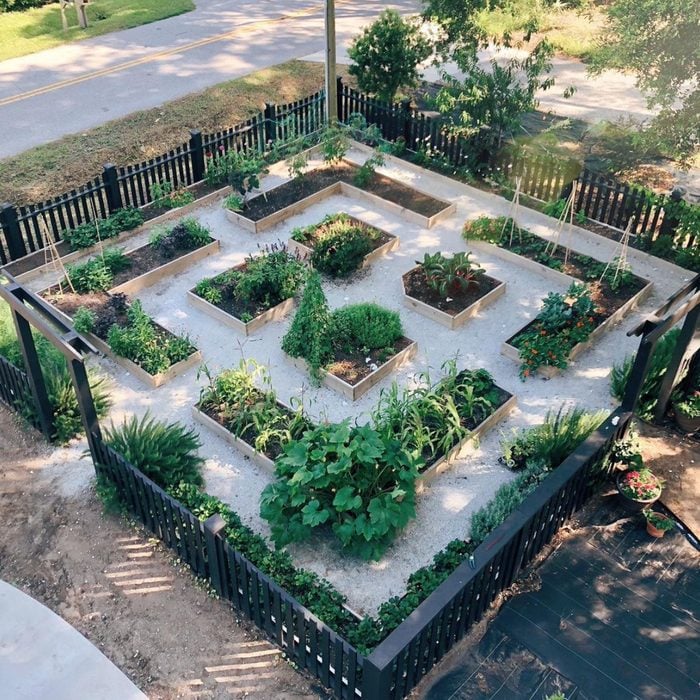
Credit: www.familyhandyman.com
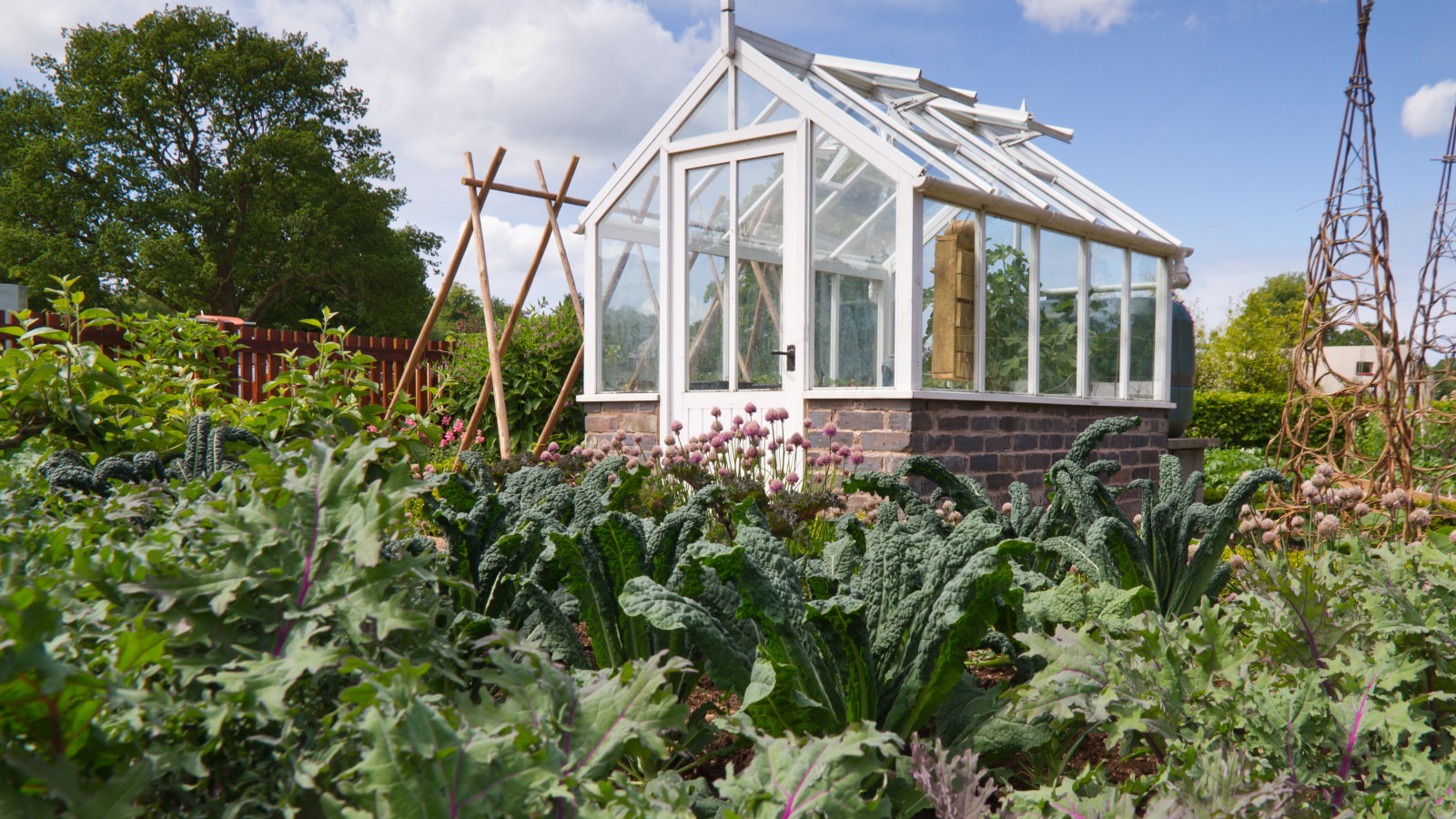
Credit: www.homesandgardens.com
Frequently Asked Questions
How Do I Start A Vegetable Garden Design?
Begin by assessing available space, sunlight, and soil quality. Choose vegetables suited to your climate. Plan layout for optimal growth, considering spacing and companion planting. Ensure easy access for maintenance. Incorporate paths or raised beds for organization and accessibility. Start small and expand as you gain experience.
What Is The Best Layout For A Vegetable Garden?
The best layout depends on your space and vegetable choices. Raised beds maximize space and improve drainage. Row planting is suitable for larger areas. Containers work well for small spaces. Ensure paths for access and maintenance. Group plants by water needs and companion planting benefits.
How Much Sunlight Does A Vegetable Garden Need?
Most vegetables need 6-8 hours of sunlight daily. Sunlight affects growth and yield. Check sun patterns before planting. Some vegetables tolerate partial shade, like leafy greens. Use reflective surfaces or mirrors to increase light in shady areas. Adjust planting locations seasonally for optimal sunlight.
Can I Design A Vegetable Garden In Small Spaces?
Yes, small spaces can host productive gardens. Use vertical gardening techniques and containers to maximize space. Choose compact or dwarf vegetable varieties. Optimize sunlight exposure by placing plants strategically. Consider hydroponics or aquaponics for efficient use of space. Regularly prune and maintain for best results.
Conclusion
Creating a vegetable garden space can be simple and rewarding. Start with planning your layout. Consider sunlight, water access, and soil quality. Use raised beds or containers if needed. Keep pathways clear for easy access. Plant varieties suitable for your climate.
Regularly check plants for pests. Harvest vegetables when ripe for best flavor. Enjoy fresh produce grown in your own garden. Gardening can be a relaxing hobby. It also provides healthy food options. With patience and care, your garden will thrive.
Make sure to adapt as needed for best results. Happy gardening!







