Imagine stepping into your backyard and being greeted by vibrant blooms and lush greenery. Picture the taste of fresh vegetables, harvested straight from your garden.
Planting a spring garden is the first step to making this dream a reality. But timing is everything. Knowing when to plant your garden can make the difference between thriving plants and a disappointing yield. You’ve probably wondered, “When is the perfect moment to start planting?
” Well, you’re not alone. Many gardeners face this question every season. We’ll guide you through the best times to plant your spring garden. By understanding the ideal planting times, you’ll be able to make informed decisions that lead to a flourishing garden. Get ready to unlock the secrets of successful planting and enjoy the fruits of your labor. You’ll find actionable tips and insights that will empower you to create the garden you’ve always wanted. So, why wait? Dive in and discover how to turn your garden dreams into a blossoming reality.
Ideal Planting Time
Spring garden planting begins after the last frost. Cool-season crops can be planted earlier. This timing ensures healthy growth and vibrant blooms.
Planting a spring garden can be incredibly rewarding, but timing is key to success. Knowing the ideal planting time ensures your seeds sprout and thrive. So, how do you determine when to dig in the dirt?Understanding Frost Dates
Frost dates are crucial for planning your garden. These dates indicate the last expected frost in spring and the first in fall. Check local resources or online tools for your area’s frost dates. By knowing these dates, you can avoid frost damage to tender plants. Keep a calendar handy to mark these critical dates.Daylight And Temperature Considerations
Daylight hours increase as spring progresses. More daylight means more energy for your plants to grow. Consider the light needs of each plant type when planning your garden. Temperature plays a vital role in seed germination. Ensure the soil temperature is warm enough for seeds to sprout. A simple soil thermometer can be a gardener’s best friend in this regard. By understanding these factors, you can optimize your planting schedule. Are you ready to get your hands dirty and start planting?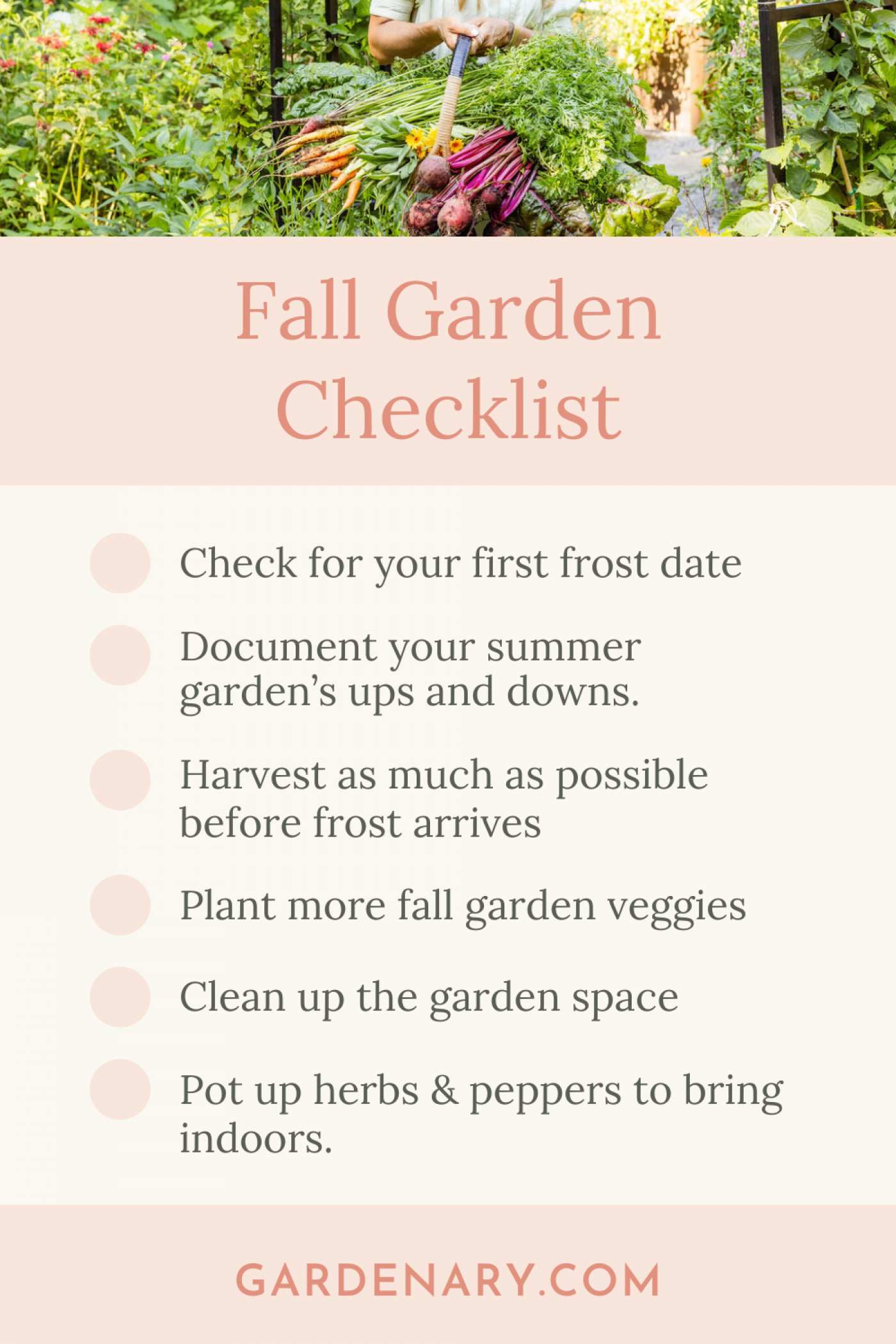
Credit: www.gardenary.com
Choosing The Right Plants
Choosing the right plants for a spring garden involves understanding climate and soil conditions. Start planting after the last frost date to ensure healthy growth. Consider factors like sunlight, water, and space to select plants that thrive in your garden.
Choosing the right plants for your spring garden is a vital step that sets the stage for a successful harvest. Understanding which plants thrive in cooler weather versus those that flourish in warmer temperatures can make all the difference. It’s not just about the temperature, though; choosing plants you love to eat or those that are rare in your local market can add an exciting twist to your gardening journey.Cool-season Vegetables
Cool-season vegetables are a great place to start when planning your spring garden. They thrive in the mild temperatures of early spring and can often tolerate a light frost. Consider planting lettuce, spinach, and peas as these are not only easy to grow but also quick to mature. One spring, I tried growing radishes, and they were ready to harvest in just a month, adding a fresh, peppery crunch to my salads. These veggies can be sown directly into the soil as soon as it can be worked, providing an early start to your gardening season. Have you ever tasted a carrot fresh from the garden? It’s much sweeter than store-bought!Warm-season Vegetables
As the days grow longer and the soil warms up, it’s time to think about warm-season vegetables. These plants need more heat and are sensitive to frost, so timing is crucial. Tomatoes, peppers, and cucumbers are popular choices that will reward you with a bountiful summer harvest. I once mistakenly planted my tomatoes too early and lost a few to a surprise frost; now, I always wait until the threat of frost has passed. Start seeds indoors if you want a head start, or purchase young plants from a local nursery. Imagine the satisfaction of picking a ripe, juicy tomato from your garden—it’s well worth the wait! By understanding the needs of cool-season and warm-season vegetables, you can create a garden that keeps producing throughout the growing season. Which vegetables are you excited to try in your garden this year?Soil Preparation
Preparing soil properly is key to a successful spring garden. Begin tilling and adding compost before the last frost. This boosts nutrients and improves drainage, readying the ground for planting.
Preparing the soil is crucial for a successful spring garden. Healthy soil leads to thriving plants. It provides nutrients and supports root growth. Start with soil preparation to ensure a fruitful gardening season.Testing And Amending Soil
Testing your soil helps identify nutrient levels. A simple test kit reveals pH balance and mineral content. Amend the soil based on the test results. Add compost to enrich it naturally. Adjust pH with lime or sulfur, as needed. Well-balanced soil nurtures robust plant growth.Tools And Techniques
Use a spade or garden fork to turn the soil. This aerates and mixes nutrients. A rototiller makes the job easier for larger gardens. Break up clumps for smoother planting. Rake the surface to level it. Ensure the soil is loose and crumb-free. A well-prepared bed fosters healthy seedlings.Starting Seeds Indoors
Starting seeds indoors prepares your spring garden for a strong start. Begin planting seeds 6-8 weeks before the last frost. This timing helps young plants thrive when transferred outdoors.
Starting seeds indoors is like giving your garden a head start on the growing season. By beginning this process early, you can enjoy stronger and healthier plants when it’s time to move them outside. Not only does this method extend your growing period, but it also allows you to experiment with a wider variety of plants. Have you ever wondered why some gardens seem to flourish earlier than others? The secret might just be the timing of starting seeds indoors.Benefits Of Early Start
Starting seeds indoors gives you a significant advantage. Your plants will be more robust and ready to face the elements once they are transplanted outside. This means a better yield and healthier plants overall. It also lets you grow varieties that might not thrive if planted directly in the ground. Imagine having tomatoes or peppers well ahead of the usual season. This not only brightens your garden earlier but also extends your harvesting period. Plus, there’s something deeply satisfying about nurturing a plant from a tiny seed to a fully grown specimen. It connects you to the cycle of life in a deeply personal way.Setup And Care
Setting up an indoor seed-starting area doesn’t require a lot of space. A sunny windowsill, a small table, or a dedicated grow light setup can work wonders. Ensure you have quality seed-starting mix, which is lighter and finer than regular soil. Watering is crucial but be careful not to overdo it. Too much water can lead to mold or rot. Consider using a spray bottle to mist your seedlings gently, ensuring they stay moist without becoming waterlogged. Finally, remember to provide your seedlings with adequate light. If natural sunlight is limited, a grow light can supplement their needs. Keep the light source close to the seedlings to prevent them from growing leggy. Starting seeds indoors is a rewarding experience that can transform your garden. What new varieties will you experiment with this season?Transplanting Tips
Spring gardens thrive when planted after the last frost. Choose a sunny spot for optimal growth. Early spring is ideal for transplanting hardy vegetables like spinach and broccoli.
Transplanting seedlings is a crucial step in creating a thriving spring garden. Proper timing and techniques can ensure strong growth and a bountiful harvest. With a few helpful tips, you can make the transition smooth for your young plants.Hardening Off Seedlings
Hardening off helps seedlings adjust to outdoor conditions. Start by placing them outside for a few hours each day. Gradually increase their time outside over a week. This process reduces shock and strengthens the plants.Optimal Transplanting Conditions
Choose a cloudy day for transplanting. This reduces stress on the plants. Ensure the soil is moist but not waterlogged. Dig holes slightly larger than the root ball. Gently place the seedling in the hole. Cover with soil and water thoroughly. Keep newly transplanted seedlings shaded for a few days. This helps them settle into their new environment.Monitoring Weather Patterns
Understanding weather patterns helps determine the best time to plant a spring garden. Track temperature shifts and precipitation levels to ensure optimal growing conditions. Adjust planting schedules based on local climate trends for successful garden growth.
Monitoring weather patterns is essential for a successful spring garden. The weather can influence the health and growth of your plants. Understanding weather trends helps in planning the best planting times. Different regions have unique weather patterns. This makes it important to track local forecasts regularly. Staying updated ensures your plants thrive.Using Weather Apps
Weather apps offer real-time updates on local conditions. They provide forecasts, helping gardeners decide when to plant. Many apps send alerts for sudden weather changes. This allows you to protect your plants from harm. Choose apps that offer detailed information, like temperature and precipitation. Custom notifications can keep you informed about your garden’s needs.Adapting To Unexpected Changes
Weather can be unpredictable, affecting your garden plans. Flexibility is key in adapting to sudden shifts. Prepare for unexpected frost by having protective covers ready. If rain is heavy, ensure your garden has good drainage. Monitor forecasts daily to adjust your gardening activities. Quick responses to weather changes can save your plants.Companion Planting
Companion planting enhances spring gardens by pairing plants that benefit each other. Start as soon as frost risk lowers. This method can improve growth and pest control naturally.
Companion planting is a smart gardening strategy. It involves growing certain plants together for mutual benefit. This method enhances plant growth and deters pests naturally. It’s an eco-friendly way to boost your garden’s health and yield.Benefits Of Companion Planting
Companion planting offers numerous advantages. It promotes biodiversity in your garden. Plants help each other by improving nutrient uptake. Some plants repel harmful insects, protecting their neighbors. Others attract beneficial insects like bees. This increases pollination rates. Companion planting can also optimize space. Tall plants provide shade for sun-sensitive crops. This method reduces the need for chemical fertilizers and pesticides.Best Plant Combinations
Certain plant combinations work exceptionally well. Here are some tried and true pairs:- Tomatoes and Basil: Basil enhances tomato flavor and repels pests.
- Carrots and Onions: Onions deter carrot flies, boosting carrot growth.
- Corn and Beans: Beans fix nitrogen, enriching the soil for corn.
- Cucumbers and Radishes: Radishes repel cucumber beetles, protecting cucumbers.
- Marigolds and Cabbage: Marigolds deter cabbage worms, safeguarding cabbage plants.
:max_bytes(150000):strip_icc()/gardening-in-august-GettyImages-1415220984-2c9e9994584a449c9e896b1602f660de.jpg)
Credit: www.realsimple.com
Pest And Disease Control
Planting a spring garden is an exciting venture. Yet, pests and diseases can threaten your plants. Proper control is key for a healthy garden. Understanding natural deterrents and monitoring plant health helps manage these challenges effectively. This section provides tips on maintaining a vibrant garden.
Natural Deterrents
Using natural deterrents keeps pests at bay without harming the environment. Planting garlic and marigolds can deter many insects. These plants repel pests with their strong scents. Neem oil is another effective natural pesticide. It disrupts the life cycle of harmful insects. You can also introduce beneficial insects like ladybugs. They prey on pests and help balance the ecosystem.
Monitoring Plant Health
Regular monitoring of plant health is crucial. It helps spot problems early. Check leaves for discoloration or unusual spots. These signs often indicate disease or pest presence. Feel the soil to ensure it is not too dry or too wet. Healthy soil supports strong plants. Use a magnifying glass to inspect leaves closely. This helps in identifying small pests or eggs. Keep a gardening journal. Note any changes or issues observed. This record aids in tracking patterns and finding solutions.

Credit: www.veranda.com
Frequently Asked Questions
What Is The Best Month To Plant A Spring Garden?
The ideal month to plant a spring garden varies by location. Generally, March is a good starting point. It is important to consider the last frost date in your area. This ensures that your plants have the best chance to thrive.
How Do I Prepare Soil For Spring Planting?
To prepare soil, start by removing weeds and debris. Add compost or organic matter to enrich the soil. Test soil pH and adjust if necessary. Loosen the soil with a garden fork to improve drainage. These steps create a healthy foundation for your spring garden.
What Vegetables Grow Well In Spring Gardens?
Vegetables like lettuce, spinach, and peas thrive in spring gardens. Radishes and carrots also grow well in cooler temperatures. These crops tolerate early spring conditions and mature quickly. Planting these ensures a bountiful harvest in your spring garden.
When Is The Last Frost Date For Planting?
The last frost date varies depending on your region. It typically occurs between late March and early May. Check local gardening resources or the USDA Plant Hardiness Zone Map. Knowing this date helps time your planting for optimal growth.
Conclusion
Planting a spring garden brings joy and fresh produce. Timing is key. Start with cool-season vegetables. Wait for warmer days for others. Watch the weather closely. A good garden plan helps. Use soil tests to guide your choices. Seeds and seedlings need care.
Water regularly but not too much. Protect young plants from late frosts. Enjoy the process and learn each season. Gardening connects you to nature. It offers peace and satisfaction. With patience, your garden will thrive. You’ll enjoy the rewards of your efforts.
Happy gardening!







