Imagine savoring the sweet taste of homegrown strawberries or the juicy delight of a freshly plucked orange—all without stepping outside. Starting an indoor fruit garden might sound challenging, but it’s surprisingly straightforward and incredibly rewarding.
You’re about to discover how easy it is to transform your living space into a lush, fruitful oasis. This guide will show you simple steps and insider tips to cultivate your very own indoor fruit garden. Whether you want to add a splash of color to your home or enjoy the satisfaction of growing your own food, this journey is designed for you.
Ready to bring nature indoors and enjoy the fruits of your labor? Let’s get started!
Choosing The Right Space
Finding the perfect location for your indoor fruit garden is essential. Choose a spot with adequate sunlight and proper temperature. Ensure the area is accessible for regular care and watering.
Choosing the Right Space Starting an indoor fruit garden can be a rewarding experience, but choosing the right space is crucial for success. Your fruits need the perfect environment to thrive indoors. Let’s explore some key factors to consider.Available Light Conditions
Light is the lifeblood of your indoor garden. Consider spaces with ample natural light, such as near south-facing windows, which receive the most sunlight throughout the day. If natural light is limited, think about using grow lights to supplement. LED grow lights are energy-efficient and can mimic the sun’s spectrum, providing your fruits with the necessary light to photosynthesize effectively. Keep in mind, different fruits have varying light requirements. Strawberries might thrive with less light compared to citrus fruits, which need more intense light exposure.Temperature And Humidity
Temperature and humidity play a significant role in the growth of your fruit plants. Most fruit plants prefer a temperature range between 65°F and 75°F. Avoid placing plants near heating vents or drafty windows to maintain a stable temperature. Sudden temperature changes can stress the plants and hinder growth. Humidity levels are equally important. Indoor environments can be dry, especially during winter. Consider using a humidifier or placing a tray of water near your plants to maintain adequate humidity levels. Have you ever noticed how your plants perk up after a rainy day? That’s humidity working its magic. Ensuring the right humidity can make a big difference in your indoor fruit garden’s success.Selecting Suitable Fruits
Choosing the right fruits for an indoor garden is essential. Opt for compact, self-pollinating varieties like strawberries or dwarf citrus. These fruits thrive in limited space and adapt well to indoor conditions.
Starting an indoor fruit garden is exciting. Choosing the right fruits is crucial. You need fruits that thrive indoors. Consider light, space, and care needs. Some fruits adapt well to indoor environments. These choices ensure success.Best Fruits For Indoors
Certain fruits grow well indoors. Citrus fruits like lemons and limes are popular. They need bright light. Strawberries also do well. They require less space and are easy to manage. Figs are another good choice. They thrive in warm indoor conditions.Dwarf And Container Varieties
Dwarf varieties are ideal for small spaces. They are compact and manageable. Dwarf bananas and avocados fit well indoors. They produce fruit even in small pots. Container gardening suits many fruits. Blueberries and cherries adapt to containers. Ensure pots have good drainage. Use quality soil for best results. Keep the plants well-watered and fertilized. This ensures healthy growth and fruit production.Gathering Essential Supplies
Gathering essential supplies kickstarts your indoor fruit garden journey. Begin with pots, soil, and seeds or young plants. Choose a sunny spot and ensure proper watering tools are available.
Gathering essential supplies is the first step in creating an indoor fruit garden. It’s important to have the right items to ensure healthy growth. This section will guide you on what you need for a successful start.Pots And Containers
Choose pots that are deep enough for roots. They should have drainage holes. Plastic, ceramic, or clay pots are ideal. Select sizes based on the fruit plants you intend to grow. Small plants need smaller pots, while larger ones require more space.Soil And Fertilizers
Opt for high-quality potting soil. Look for soil with good drainage and aeration. Use organic fertilizers to enrich the soil. They provide essential nutrients for fruit plants. Remember to check the pH level, as different fruits need different conditions.Tools And Accessories
Basic gardening tools are a must. Get a small trowel and a watering can. Pruning shears are useful for trimming plants. Consider having a spray bottle for misting. Labels help keep track of different plants. These tools make gardening easier and more efficient.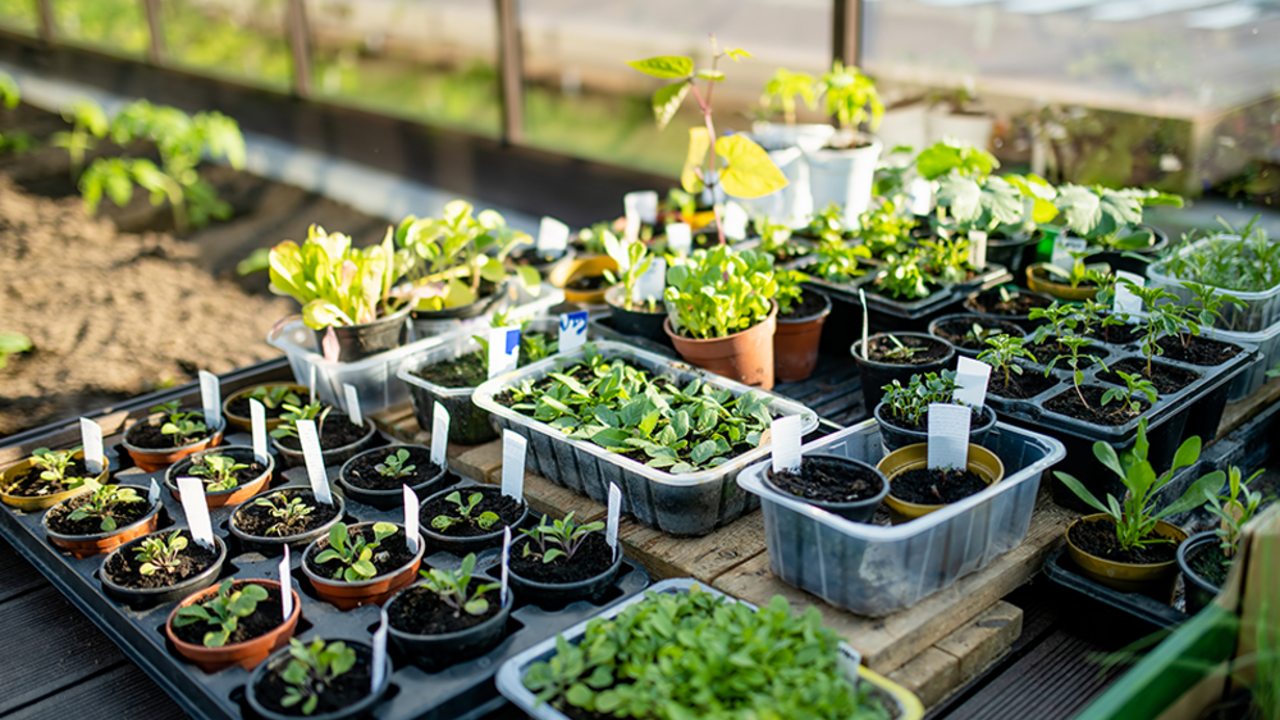
Credit: extension.msstate.edu
Planting And Care Techniques
Starting an indoor fruit garden involves selecting the right containers and ensuring proper sunlight exposure. Watering schedules and soil quality play crucial roles in plant health. Regular monitoring and gentle pruning can keep your indoor garden thriving.
Starting an indoor fruit garden is a rewarding endeavor. Planting and care techniques are crucial for healthy fruit plants. With the right methods, your indoor garden will flourish. Understanding how to plant, water, and maintain your plants can make a big difference. Let’s explore these techniques.Planting Seeds Or Seedlings
Decide between seeds or seedlings. Seeds take longer to grow but are cheaper. Seedlings grow faster and are more reliable. Choose quality seeds or healthy seedlings. Use pots with drainage holes. Fill pots with suitable soil mix. Plant seeds or seedlings at the correct depth. Ensure adequate space for roots to spread.Watering And Feeding
Water plants regularly. Ensure soil is moist, but not soggy. Use lukewarm water. Avoid cold water, which can shock roots. Feed plants with balanced fertilizer. Follow instructions on packaging. Choose organic options if possible. Ensure nutrients reach roots.Pruning And Maintenance
Prune plants to encourage growth. Remove dead leaves and branches. Use clean, sharp tools. Check plants for pests regularly. Address issues promptly. Maintain proper lighting conditions. Ensure plants receive enough light. Rotate pots for even growth. Keep garden area clean and tidy. Regular maintenance ensures healthy plants.Managing Pests And Diseases
Protect your indoor fruit garden from pests and diseases by maintaining cleanliness and proper ventilation. Regularly inspect plants for signs of trouble. Use natural remedies to control infestations.
Managing pests and diseases is a crucial part of maintaining a thriving indoor fruit garden. As you nurture your plants, you’ll want to ensure they remain healthy and productive. Understanding common pests and implementing natural control methods can make all the difference.Common Indoor Pests
Indoor fruit gardens can attract a variety of pests. Some of the most common include aphids, spider mites, and fungus gnats. These tiny invaders can wreak havoc on your plants if left unchecked. Aphids are small, soft-bodied insects that often cluster on the underside of leaves. They feed on plant sap, which can cause leaves to yellow and curl. Spider mites are even smaller and can be identified by their fine webbing on leaves. Fungus gnats, on the other hand, are tiny flying insects that thrive in damp soil. Understanding these pests helps you take swift action before they multiply. Have you noticed any sticky residue on your plant leaves? This could be a sign of aphids.Natural Pest Control Methods
You might wonder how to combat these pests without resorting to harsh chemicals. Natural pest control methods not only protect your plants but also keep your indoor environment safe. Introduce beneficial insects like ladybugs or predatory mites, which feed on aphids and spider mites. These natural predators can be ordered online and released directly onto your plants. Another effective method is using neem oil, a natural insecticide derived from the neem tree. Mix it with water and spray it on the affected areas. It disrupts the life cycle of pests without harming the plant. Consider using sticky traps for flying insects like fungus gnats. These traps are easy to set up and can effectively reduce their population. Regularly inspect your plants for signs of infestation. Early detection is key to keeping your indoor fruit garden healthy and fruitful. What strategies will you try to protect your plants naturally?Maximizing Growth And Yield
Creating an indoor fruit garden involves choosing suitable fruit varieties and providing proper light and temperature. Regular care and nutrient-rich soil help maximize growth and yield.
Maximizing growth and yield in your indoor fruit garden is crucial. Proper planning and care ensure abundant harvests. Key factors include light exposure and seasonal adjustments. These elements can significantly impact plant health and productivity.Optimizing Light Exposure
Light is essential for plant growth. Indoor gardens need adequate light for photosynthesis. Use grow lights to supplement natural sunlight. Position plants near windows facing south or west. Rotate plants regularly for even light distribution. Choose LED lights for energy efficiency. They mimic natural sunlight well. Ensure lights are on for 12-16 hours daily. Use timers for consistent lighting schedules.Seasonal Adjustments
Seasons affect indoor fruit gardens too. Adjust care routines as seasons change. In winter, days are shorter with less light. Increase artificial lighting to compensate. Monitor room temperature to prevent cold stress. Keep plants away from drafty windows. In summer, plants may need more water. Watch for signs of heat stress. Adjust humidity levels using a humidifier. Maintain a balanced environment year-round.Harvesting And Enjoying Your Fruits
Once your indoor fruit garden begins to bear fruit, the excitement of harvesting and enjoying your fresh produce becomes a delightful reality. Imagine plucking juicy strawberries or vibrant lemons right from your living room! This section will guide you through identifying the perfect time to harvest and how to make the most of your delicious bounty.
Signs Of Ripeness
Knowing when your fruits are ripe is crucial for the best taste and texture. Different fruits exhibit unique signs of ripeness. For instance, strawberries will turn a deep red and lose their firmness slightly, while lemons will be bright yellow and feel heavy for their size.
Regularly inspect your fruits and trust your senses. Smell can be a good indicator; ripe fruits often emit a sweet aroma. Also, consider tasting a piece. A ripe fruit will have its characteristic flavor intensified.
Don’t hesitate to experiment and learn from the process. Each fruit has its own timeline, and discovering it is part of the fun of gardening.
Storing And Using Harvested Fruits
Proper storage extends the life of your freshly picked fruits. Some fruits, like strawberries, are best consumed immediately or refrigerated to maintain freshness. Others, like lemons, can be stored at room temperature for weeks.
Think creatively about how to use your harvest. Blend strawberries into smoothies or use lemons to enhance your meals with zest and juice. Why not try making homemade jam or lemonade?
Consider sharing your bounty with friends or family. It’s a great way to enjoy the fruits of your labor and spread joy. What creative recipes can you come up with using your indoor harvest?

Credit: food52.com

Credit: food52.com
Frequently Asked Questions
What Fruits Can Be Grown Indoors?
You can grow fruits like strawberries, lemons, and dwarf apple trees indoors. Choose varieties suited for limited space and light. Ensure proper potting mix, adequate watering, and sufficient sunlight or grow lights for healthy growth. Indoor fruit gardening can be rewarding and enjoyable with the right selection and care.
How Much Sunlight Do Indoor Fruits Need?
Indoor fruits generally require 6-8 hours of sunlight daily. If natural light is limited, use grow lights to supplement. Position your plants near south-facing windows for optimal exposure. Regularly rotate pots to ensure even light distribution. Adequate light is crucial for fruit development and healthy growth.
What Size Pots Are Best For Indoor Fruit Plants?
Choose pots that are 12-24 inches in diameter for most indoor fruit plants. Ensure the pot has good drainage to prevent root rot. Larger pots accommodate root growth and provide stability. Consider the mature size of the plant when selecting pot size for optimal growth.
How Do I Pollinate Indoor Fruit Plants?
Use a small brush or cotton swab to manually pollinate indoor fruit plants. Gently transfer pollen between flowers to encourage fruit set. Some plants may self-pollinate, but manual pollination can improve yields. Pollination is essential for fruit production in indoor gardens.
Conclusion
Starting an indoor fruit garden is fun and rewarding. You can enjoy fresh fruits all year round. It’s easy if you follow simple steps. Choose the right space with enough light. Select fruits that thrive indoors. Use quality soil and suitable containers.
Water your plants regularly but don’t overdo it. Be patient; plants need time to grow. Enjoy watching them flourish. Soon, you’ll have your own indoor fruit oasis. Gardening indoors can bring joy and fresh produce to your home. It’s a delightful hobby for everyone.
So, get started and enjoy the fruits of your labor!







