Imagine transforming a corner of your home into a thriving mini-garden of mushrooms. Picture yourself harvesting fresh, delicious mushrooms right from your living room or kitchen.
How does that sound? Whether you’re a seasoned gardener or a complete beginner, growing indoor mushrooms can be a rewarding and exciting venture. You don’t need a sprawling backyard or extensive equipment. Just a bit of space, some basic supplies, and a sprinkle of patience.
Are you curious about the simple steps to start your own indoor mushroom garden? Do you want to discover the secrets to creating the perfect environment for your fungi friends? This guide is your gateway to transforming your living space into a haven for mushrooms. Dive in and unlock the potential of indoor gardening, where you are the architect of nature’s marvels. Get ready to enjoy not only the taste but the satisfaction of growing your own food.
Choosing The Right Mushroom Species
Choosing the right mushroom species is crucial for indoor gardening success. Oyster and shiitake mushrooms thrive in controlled environments. Assess space and light conditions to select the best species for your setup.
Choosing the right mushroom species is an essential step in starting your indoor mushroom garden. With a plethora of varieties available, each with its unique growth requirements and flavors, making an informed choice can be both exciting and rewarding. Selecting the species that aligns with your indoor conditions and culinary preferences will enhance your gardening success.Popular Mushroom Varieties
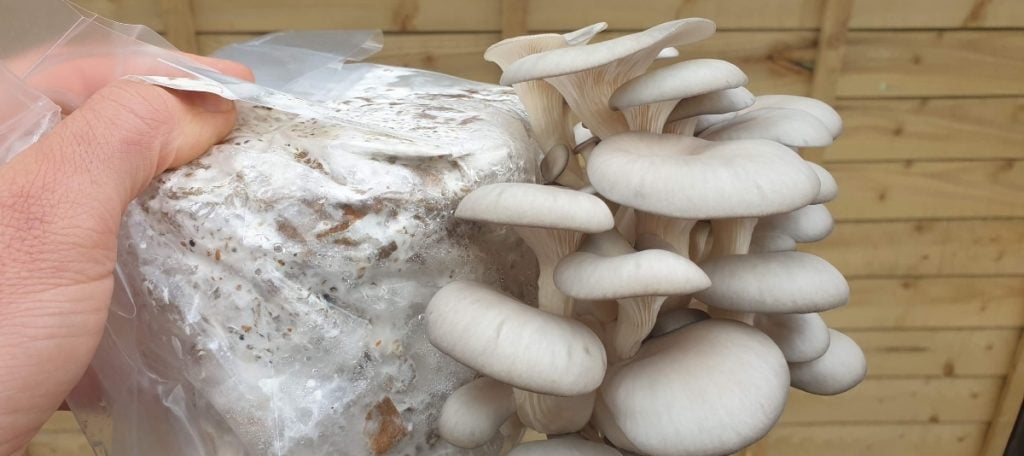
When it comes to indoor cultivation, some mushroom species stand out due to their ease of growth and delightful taste. Oyster mushrooms are a favorite among beginners; they grow quickly and require minimal care. Shiitake mushrooms are another popular choice, known for their rich, earthy flavor and health benefits. If you’re feeling adventurous, consider growing Lion’s Mane mushrooms, which have a unique appearance and a delicate, seafood-like taste. Button mushrooms, commonly found in grocery stores, are also suitable for indoor growth and can be a familiar starting point for many.Factors To Consider
Before settling on a mushroom species, consider the space and environment you have available. Some mushrooms, like oysters, thrive in cooler, darker conditions, while others might require more light and warmth. Your indoor climate control plays a crucial role in this decision. Think about the time and effort you’re willing to invest. Certain species may need more attention and specific humidity levels, while others are more forgiving. Finally, consider your culinary preferences. Are you looking to add a specific flavor to your dishes, or are you more interested in experimenting with textures? This can help you choose a species that will truly enhance your cooking experience. Reflect on these factors and ask yourself: Which mushroom species will transform your indoor garden into a thriving mini-ecosystem?
Credit: www.instagram.com
Gathering Essential Supplies
Start with gathering the right substrate, like straw or wood chips. Ensure you have mushroom spores or a growing kit. Invest in trays, spray bottles, and a humidifier to maintain moisture levels.
Gathering essential supplies is a crucial first step in your indoor mushroom gardening journey. Whether you are a newbie or a seasoned gardener, ensuring you have the right tools and materials can make or break your cultivation success. Imagine the satisfaction of watching your mushrooms thrive, knowing you equipped yourself with the essentials.Growing Kits Vs. Diy Setup
Are you considering a ready-made growing kit or crafting your own setup? Growing kits are perfect for beginners. They include everything needed, simplifying the process. You can find kits for various mushroom types, from shiitake to oyster. However, a DIY setup can be equally rewarding. It offers flexibility, letting you choose specific substrates and containers. Plus, it might be more cost-effective if you plan to grow mushrooms regularly. Which path suits your style?Key Tools And Materials
To start your mushroom garden, gather some key tools and materials. A reliable spray bottle is essential for maintaining humidity. Mushrooms thrive in moist environments, so regular misting is crucial. Sterile gloves and masks can prevent contamination, ensuring your mushrooms grow healthily. Additionally, high-quality substrate, such as straw or sawdust, provides nutrients for mushroom growth. Consider investing in a hygrometer to monitor humidity levels precisely. Keeping a close eye on conditions ensures optimal growth. Are you ready to assemble your mushroom gardening toolkit?Preparing The Growing Environment
Creating the perfect environment for indoor mushroom gardening is essential. Mushrooms need specific conditions to thrive. Let’s explore how to prepare their growing space effectively.
Temperature And Humidity Control
Mushrooms prefer cool temperatures, typically between 55°F and 75°F. Keeping a stable temperature is crucial. Use a thermometer to monitor the area. Humidity levels should be high, around 70% to 90%. Consider using a humidifier to maintain moisture. Regular misting can also help. Ensure the space doesn’t dry out.
Lighting And Ventilation
Mushrooms don’t need direct sunlight. Indirect lighting works best. A simple LED light can suffice. Ventilation is important to prevent mold and stale air. Use a fan to circulate air gently. Avoid drafts and direct airflow. Keep windows slightly open for fresh air. Proper air exchange supports healthy growth.

Credit: www.choruscall.co.nz
Inoculating The Substrate
Inoculating the substrate involves mixing mushroom spores into a prepared growing medium. This step is crucial for successful indoor mushroom cultivation. Ensure the substrate is sterile to prevent contamination and promote healthy growth.
Inoculating the substrate is a crucial step in indoor mushroom gardening. It involves introducing mushroom spores or mycelium to a prepared substrate. This step is essential for mushroom growth and development. Proper inoculation ensures a healthy and bountiful harvest. Understanding the process can help improve your indoor mushroom gardening skills.Choosing The Right Substrate
Selecting an appropriate substrate is key to successful mushroom cultivation. Mushrooms thrive on organic materials like straw, sawdust, and coffee grounds. Each type of mushroom prefers a specific substrate. For instance, oyster mushrooms grow well on straw, while shiitake mushrooms favor hardwood sawdust. Choose a substrate that matches your mushroom type for optimal growth.Sterilization Techniques
Sterilizing the substrate prevents unwanted organisms from competing with your mushrooms. This process ensures a clean environment for mushroom mycelium to thrive. Boiling or steaming the substrate are common methods. Ensure the substrate reaches high temperatures to eliminate contaminants. Sterilization is vital to protect your mushroom crop from mold and bacteria. Proper sterilization leads to healthier mushroom growth.Maintaining Optimal Conditions
Creating the right environment is key for indoor mushroom gardening. Maintain humidity around 80-90% and keep temperatures between 60-75°F. Ensure indirect light and fresh air for best growth.
Maintaining optimal conditions is crucial for successful indoor mushroom gardening. Mushrooms are sensitive to their environment, requiring specific care to thrive. By fine-tuning these conditions, you can ensure a bountiful harvest.Watering And Moisture Management
Mushrooms need a humid environment, but it’s important not to overwater them. Too much moisture can lead to mold, which can ruin your crop. Aim to keep the growing area at a relative humidity of 80-90%. Use a spray bottle to mist the growing medium lightly. Ensure the surface is damp but not soaked. Consistency is key; check moisture levels daily and adjust as needed. Consider placing a humidity tray filled with water nearby. This can help maintain the desired moisture levels without direct watering. Have you ever noticed how mushrooms flourish in damp forests? Mimic this environment for success.Monitoring Growth Progress
Regularly check your mushrooms for signs of growth. This helps you catch any issues early, ensuring a healthy crop. Look for changes in size, color, and texture. Keep a journal to track their progress. Note any adjustments you make to their environment and the results. This data can help you refine your technique over time. Engage with the process by asking yourself questions like, “Are my mushrooms growing faster under certain conditions?” This curiosity can lead to better results and a deeper understanding of your indoor garden.Harvesting Your Mushrooms
Harvesting mushrooms indoors requires careful timing and observation. Look for mature caps with curled edges to ensure readiness. Gently twist and pull to avoid damaging the substrate for future growth.
Harvesting your indoor mushrooms can be an exhilarating and rewarding process. After weeks of nurturing and watching your fungi grow, it’s finally time to reap the fruits—or rather, the fungi—of your labor. But how do you know when they’re ready, and what’s the best way to harvest them without damaging the crop? Let’s dive into the details to ensure you maximize your mushroom yield and enjoy the freshest flavors.Identifying The Right Time
Recognizing the perfect moment to harvest is crucial. Mushrooms typically reach their peak when the caps have fully opened but before they start releasing spores. For example, with common varieties like button mushrooms, look for caps that are still slightly domed. If you wait too long, the caps may flatten or even curl upwards, signifying over-maturity. Keeping a keen eye on these subtle changes can make all the difference. Set a reminder to check your mushrooms daily as they near maturity.Proper Harvesting Techniques
Once you’ve identified that your mushrooms are ready, it’s essential to harvest them correctly to avoid damaging the mycelium and ensure continued growth. Use a gentle twisting motion to remove the mushroom from its base. This method is effective for most types and helps maintain the integrity of the remaining mycelium. Alternatively, you can use a clean, sharp knife to cut the stem as close to the base as possible. This technique is particularly useful if the mushrooms are densely packed. Avoid pulling or yanking, as this could disrupt the substrate and hinder future growth. Always handle your mushrooms with care, treating them as the delicate organisms they are. By following these steps, you’ll enjoy a bountiful and sustainable indoor mushroom harvest, ready to enhance any meal with their rich, earthy flavors.Troubleshooting Common Issues
Indoor mushroom gardening can be tricky with moisture and light issues. Ensure consistent humidity levels and avoid direct sunlight. Proper ventilation prevents mold growth, essential for healthy mushroom cultivation.
Troubleshooting common issues in indoor mushroom gardening can feel like solving a mystery. You might notice your mushrooms aren’t thriving as they should, and it’s easy to feel overwhelmed. But understanding the potential problems and knowing how to address them can make all the difference in cultivating a successful indoor mushroom garden. Let’s dive into some practical solutions.Recognizing Pests And Diseases
Indoor mushrooms can fall prey to unwanted guests like pests and diseases. Common pests include fungus gnats and mites. These tiny creatures can wreak havoc on your mushrooms. Spotting pests early is crucial. Look for small insects hovering around or visible damage on your mushrooms. A simple remedy is using sticky traps or neem oil spray to control them. Diseases like mold and bacterial blotch can also affect your mushrooms. Mold appears as a fuzzy white or green growth, while bacterial blotch leaves brown spots. Ensure good air circulation and maintain proper humidity levels to prevent these issues.Addressing Growth Problems
Growth problems can stem from various factors, including incorrect substrate or environmental conditions. Are your mushrooms growing slowly or not at all? Check if the substrate is suitable for the mushroom variety you are cultivating. Sometimes, simply changing the substrate can kickstart growth. Temperature and humidity play a vital role in mushroom development. Use a hygrometer and thermometer to monitor these conditions. Adjusting them can help overcome growth stagnation. Have you ever considered the impact of light on your indoor mushrooms? While they don’t need much, a small amount of indirect light can boost growth. Experiment with different lighting setups to see what works best. By addressing these common issues, you can create an environment where your indoor mushrooms flourish. What changes will you make to improve your mushroom garden today?Storing And Using Fresh Mushrooms
Storing fresh mushrooms properly is key to maintaining their flavor and texture. Use a paper bag to store them in the fridge for up to a week. To garden indoor mushrooms, keep them in a cool, dark place and ensure they have sufficient humidity.
Storing and using fresh mushrooms from your indoor garden is a delightful journey that enhances both your pantry and your culinary skills. Once you’ve successfully grown your mushrooms, ensuring their freshness and flavor is key to enjoying them to the fullest. Proper storage can significantly extend their shelf life, while creative cooking ideas can turn your harvest into delightful dishes.Storage Tips
Storing fresh mushrooms correctly can make a big difference. Always keep them in a breathable container, like a paper bag, to prevent moisture buildup. Avoid plastic bags, as they trap moisture, leading to spoilage. Keep them in the refrigerator, ideally in the crisper drawer, where they can last for up to a week. If you have more than you can use, consider drying or freezing them. Dried mushrooms can be rehydrated in water and used in soups or stews, while frozen ones are perfect for quick sautés.Creative Cooking Ideas
Fresh mushrooms are incredibly versatile in the kitchen. Why not start your day with a savory mushroom omelet, adding some cheese and herbs for extra flavor? For lunch, consider making a hearty mushroom soup or a creamy risotto. Mushrooms’ umami flavor enhances these dishes beautifully. Thinking about dinner? Try stuffed mushrooms as an appetizer or a mushroom and spinach pizza. The possibilities are endless, and your indoor-grown mushrooms will add a personal touch to every meal. Have you ever experimented with mushroom desserts? Some varieties can be used in sweets, offering a unique twist. Let your imagination run wild and elevate your culinary creations.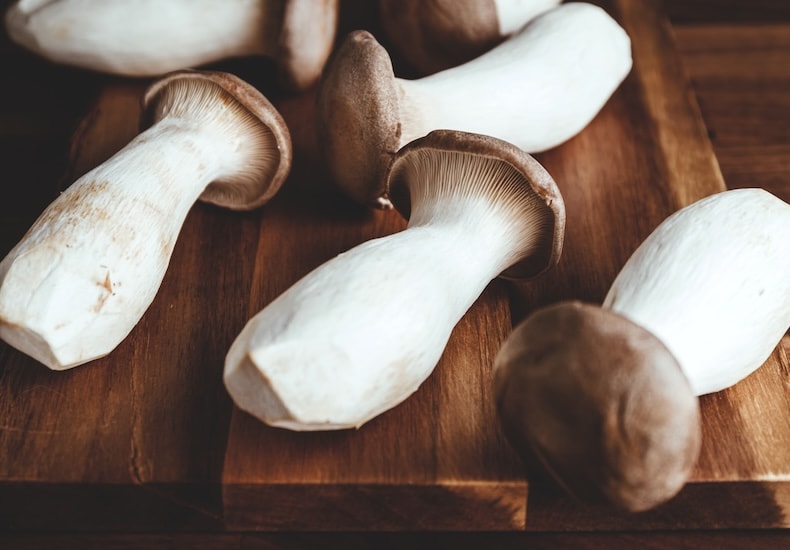
Credit: www.thompson-morgan.com
Frequently Asked Questions
How Do I Start Indoor Mushroom Gardening?
To start indoor mushroom gardening, choose a suitable mushroom kit or substrate. Maintain a controlled environment with optimal humidity and temperature. Follow instructions specific to the mushroom type. Regularly check for growth and harvest mushrooms when mature.
What Are The Best Mushrooms For Indoors?
The best mushrooms for indoor gardening include oyster, shiitake, and button mushrooms. These varieties thrive well indoors and require minimal space. They are also easy to grow and manage, making them ideal for beginners seeking fresh produce.
How Much Light Do Indoor Mushrooms Need?
Indoor mushrooms typically require low light conditions to thrive. Indirect sunlight or artificial light sources work well. Direct sunlight can harm mushroom growth. Ensure the environment is humid and the temperature is controlled for optimal mushroom development.
What Is The Ideal Humidity For Mushrooms?
The ideal humidity for growing mushrooms indoors is around 80-90%. High humidity supports proper mushroom growth and prevents drying out. Use a humidifier or misting system to maintain moisture levels. Regular monitoring ensures a suitable environment for healthy mushrooms.
Conclusion
Growing indoor mushrooms can be a rewarding experience. It’s about patience and care. Choose a suitable spot with the right conditions. Keep the environment moist and cool. Use quality substrates for healthy growth. Monitor your mushrooms regularly. They need attention to thrive.
Follow these steps for successful indoor mushroom gardening. Enjoy fresh mushrooms at home. It’s a fun and educational hobby. Perfect for beginners and enthusiasts alike. Happy gardening!







