Imagine transforming your kitchen scraps and garden waste into rich, nutrient-filled compost that boosts the health of your garden. Sounds like magic, right?
It’s not just a dream; it’s a reality that you can achieve with the right tools. Composting is an eco-friendly practice that not only reduces waste but also enriches your soil, helping your plants thrive. But where do you start?
If you’re feeling overwhelmed by the idea of composting, don’t worry. You’re not alone. Many people dive into composting only to find themselves tangled in a mess of trial and error. That’s why having the right tools is crucial for success. As you read on, you’ll discover the must-have tools that will make composting easier, more efficient, and even enjoyable. Whether you’re a seasoned gardener or a newbie, these tools will empower you to create compost like a pro, turning waste into wonder. Ready to unlock the secrets to successful composting? Let’s dive in!

Credit: www.amazon.com
Composting Bins
Composting bins are essential for any gardener wanting to enrich soil naturally. They help contain and manage organic waste efficiently. A good bin speeds up decomposition and keeps pests away. Explore various types of composting bins to find what suits your garden best.
Types Of Bins
There are several types of composting bins available. Each serves a different purpose.
- Plastic Bins:Lightweight and easy to move around. They are durable and resist weather damage. Ideal for small gardens or patios.
- Wooden Bins:Offer natural insulation. They blend well with garden aesthetics but require maintenance to prevent rot.
- Tumblers:Designed for easy turning. These bins speed up the composting process. Suitable for gardeners who need quick results.
- Wire Bins:Affordable and simple to construct. They allow good air circulation. Best for larger gardens with plenty of space.
Choosing The Right Size
Size matters in composting. A bin too small won’t fit all your waste. A bin too large can become unwieldy. Consider how much waste your household produces. For small families, a compact bin might suffice. Larger households may need something more substantial.
Space is another key factor. Measure your garden area before buying. Ensure the bin fits comfortably without crowding other plants. Choose a bin that offers enough capacity and fits your space.
Think about future needs too. Plan for seasonal waste increases. This way, your bin remains effective throughout the year.
Aeration Tools
Aeration tools are essential for successful composting. They help oxygen reach the compost pile, speeding up decomposition. Without proper aeration, your compost may become compacted and slow down. Investing in good aeration tools can make a big difference. Let’s explore some key tools and their benefits.
Compost Aerators
Compost aerators are simple yet effective tools. They stir and mix the compost pile with ease. Most aerators have a handle and blades or spikes. These parts dig into the pile, allowing air to circulate. Using an aerator regularly keeps the compost healthy. It also reduces bad odors.
Some aerators are manual, requiring physical effort. Others are electric or motorized, making the job easier. Choose one based on your needs and pile size. A well-aerated pile heats up faster. This speeds up the composting process, giving you rich compost sooner.
Benefits Of Proper Aeration
Proper aeration offers many benefits. It prevents the compost from becoming too wet. Excess moisture can lead to a slimy mess. With good air flow, moisture levels stay balanced.
Aeration also helps control odors. A well-aerated pile smells earthy, not foul. This makes composting pleasant, even in small spaces.
Increased air flow boosts microbial activity. Microbes break down organic material into compost. More oxygen means more active microbes. This results in faster decomposition and richer compost.
Maintaining proper aeration is simple with the right tools. It leads to a thriving compost pile, full of life and nutrients.
Compost Thermometers
Compost thermometers are essential tools for effective composting. They help maintain optimal temperatures for faster decomposition. Monitoring heat ensures nutrient-rich compost for your garden.
Composting is a rewarding activity that transforms kitchen scraps and yard waste into nutrient-rich soil. However, achieving the perfect compost requires more than just piling up organic matter. A compost thermometer is an essential tool that helps you monitor the temperature of your compost pile, ensuring it’s decomposing efficiently. Without this vital tool, you might miss the sweet spot where microorganisms thrive, potentially delaying the composting process.Temperature Monitoring
Keeping track of your compost pile’s temperature is crucial. It tells you if your pile is active and breaking down materials as it should. By regularly monitoring the temperature, you can make informed decisions about when to turn the pile, add more materials, or adjust moisture levels. A compost thermometer is designed to penetrate deep into the pile, providing accurate readings. Unlike a regular thermometer, it has a long probe that reaches the core, where most microbial activity occurs. This ensures you’re getting a true picture of what’s happening inside.Ideal Temperature Ranges
Understanding the ideal temperature ranges can significantly boost your composting success. Generally, a well-functioning compost pile should maintain temperatures between 135°F and 160°F (57°C to 71°C). At this range, harmful pathogens are destroyed, and decomposition is accelerated. However, if the temperature drops below 110°F (43°C), it may indicate that your pile needs more nitrogen-rich materials or moisture. On the other hand, if it exceeds 160°F (71°C), you risk killing beneficial microbes, slowing down the process. Have you ever wondered why your compost pile seems stuck? It might be a temperature issue. By investing in a compost thermometer, you empower yourself with the knowledge to troubleshoot effectively. In my experience, a simple adjustment based on thermometer readings can save weeks of waiting for compost to mature. Imagine the satisfaction of turning over rich, crumbly compost ready to nourish your garden, all thanks to the insights from a little device. Compost thermometers are more than a tool; they’re your compost’s best friend, guiding you toward a successful and efficient composting experience.Moisture Meters
When nurturing your composting garden, understanding moisture levels is crucial for success. Moisture meters are invaluable tools that help you maintain the perfect balance in your compost pile. They offer precise readings, ensuring your compost remains healthy and productive. Imagine knowing exactly when your compost needs water or when it’s time to let it dry out a little. This tool can transform your composting experience, making it more efficient and rewarding.
Importance Of Moisture Levels
The moisture level in your compost pile directly affects its decomposition rate and quality. Too much moisture can lead to a slimy, foul-smelling pile, while too little can slow down the breakdown process. Finding the right balance is key. Moisture meters help you monitor these levels closely, ensuring your compost stays active and aerated. Without proper moisture, your compost might not heat up sufficiently, which is essential for breaking down materials effectively.
Using A Moisture Meter
Using a moisture meter is straightforward and incredibly helpful. Simply insert the probe into your compost pile, and you’ll get an instant reading of its moisture level. This direct insight allows you to make informed decisions about watering or turning your pile. You might be surprised at how often your compost needs adjustments. Regular monitoring with a moisture meter can prevent common issues like odor or pests, ensuring your composting efforts yield rich, crumbly soil.
Have you ever wondered why some compost piles seem to thrive while others falter? A moisture meter could be the missing piece in your composting toolkit. By using one, you can improve your compost’s efficiency and overall health, turning scraps into valuable garden soil with ease. Consider investing in a moisture meter to elevate your composting game and enjoy a lush garden.
Shredders And Chippers
Composting is a wonderful way to enrich your garden soil. One essential tool for effective composting is a shredder or chipper. These machines break down garden waste into smaller pieces. This process speeds up decomposition and creates a finer compost. Understanding their benefits can make a big difference in your composting efforts.
Reducing Material Size
Shredders and chippers are great at reducing material size. They cut garden waste into tiny pieces. Smaller pieces decompose faster. This means quicker compost ready for your garden. Large twigs and branches become easy to manage. They transform into useful compost material.
The size reduction also means you can fit more waste into your compost bin. This is a major advantage if you have a small space. More waste in the bin means more compost for your garden. Managing garden waste becomes easier and more efficient.
Advantages Of Shredded Materials
Shredded materials offer several benefits for composting. The smaller pieces create more surface area. This encourages microorganisms to work faster. As a result, the compost breaks down more quickly. Faster decomposition leads to nutrient-rich soil sooner.
Shredded waste also improves the texture of the compost. It becomes fine and crumbly. This texture is ideal for mixing with garden soil. It helps improve soil structure and drainage. Your plants will thrive with this enriched soil.
Using a shredder or chipper reduces the volume of garden waste. You make the most of your composting efforts. It’s a smart choice for any gardener.
Compost Turners
Compost turners are essential tools for maintaining healthy garden compost. They help mix materials, speeding up decomposition. Efficiently aerating the pile, turners ensure nutrient-rich compost for thriving plants.
Composting is a rewarding practice for any gardener. It transforms kitchen scraps and yard waste into nutrient-rich soil. To speed up this process, compost turners are essential. They help aerate the pile, ensuring even decomposition. Choosing the right compost turner can make composting easier and more efficient.Manual Vs. Motorized Turners
Manual turners are simple tools. They resemble pitchforks or augers. They are ideal for small compost piles. They require physical effort but offer control. They are cost-effective and easy to store. Motorized turners are advanced tools. They are perfect for large compost piles. They save time and reduce physical strain. They often come with adjustable features. They are more expensive but highly efficient.Turning Frequency
Turning your compost pile is crucial. It adds oxygen, which speeds up decomposition. For active piles, turn them every few days. For slower piles, weekly turning suffices. Frequent turning prevents unpleasant odors. It also helps maintain even moisture levels. Understanding these factors ensures successful composting. Choose the right tool for your needs. Turn regularly to keep your compost healthy.Compost Covers
Compost covers are essential for effective composting in the garden. They help maintain moisture and temperature, speeding up decomposition. Protecting your compost from pests, these covers ensure a cleaner and more efficient composting process.
Compost covers are an essential tool for anyone serious about turning kitchen scraps and yard waste into nutrient-rich soil. These covers are more than just a protective layer for your compost pile; they play a crucial role in maintaining the right conditions for decomposition. Whether you’re a seasoned gardener or a newbie, understanding the benefits of using compost covers can take your composting efforts to the next level.Protecting Your Pile
A compost cover shields your pile from excessive rain, which can lead to waterlogged compost and slow down the decomposition process. It also helps retain moisture during dry spells, providing a balanced environment for microbes to thrive. Moreover, covers deter pests and prevent them from feasting on your compost. Have you ever noticed that uncovered compost attracts unwanted attention from critters? A well-chosen cover can save you from this hassle. It also keeps unpleasant odors at bay, ensuring your garden remains a pleasant retreat.Materials For Covers
Choosing the right material for your compost cover is vital for effective composting. Burlap is a popular choice due to its breathability, allowing air circulation while protecting your pile. Alternatively, old tarps or thick plastic sheets can be used but may require periodic lifting to allow airflow. For a more eco-friendly option, consider using straw or hay. These materials not only cover the pile but also add carbon-rich content as they decompose. Have you thought about using repurposed materials? An old piece of carpet or even spare wood can make an excellent cover, offering protection while reducing waste.
Credit: www.anneofalltrades.com
Safety Gear
Safety gear is essential when composting in the garden. Gloves protect hands from sharp objects and bacteria. A mask prevents inhalation of dust and spores, ensuring a safe and healthy composting experience.
Safety is a top priority in composting. Proper gear can prevent accidents and health issues. From protecting your skin to shielding your lungs, the right equipment is essential. Let’s explore the must-have safety gear for a safe composting experience.Gloves And Masks
Gloves are essential for handling compost. They protect your hands from harmful bacteria and sharp objects. Choose durable gloves with a good grip. They should fit well and allow finger movement. Masks are also important. Compost releases dust and spores. A mask can protect your lungs from these particles. Opt for a dust mask or a respirator. Ensure it fits snugly around your nose and mouth.Protective Clothing
Wear clothes that cover your arms and legs. Long sleeves and pants protect against scratches and bites. Choose clothes made from breathable fabric. This keeps you comfortable while working. Closed-toe shoes are necessary too. They protect your feet from heavy tools and accidental falls. Always have a dedicated set of clothes for composting. This prevents spreading germs to your home.
Credit: www.anneofalltrades.com
Frequently Asked Questions
What Tools Do I Need For Composting?
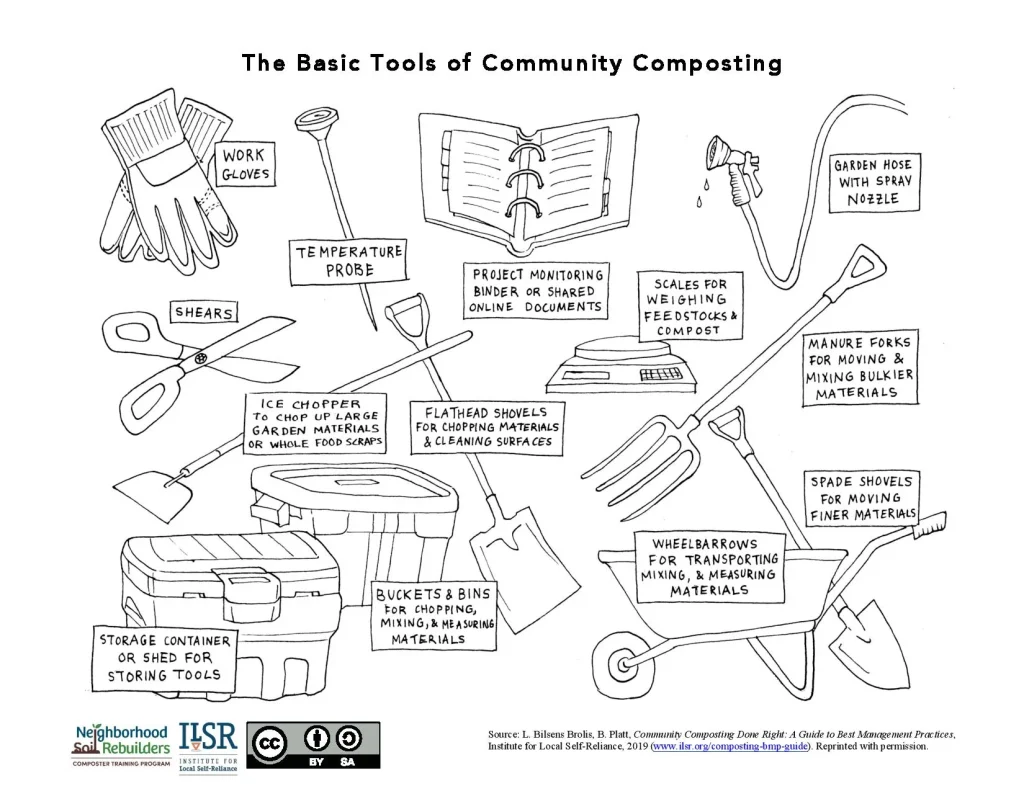
To start composting, you’ll need a compost bin, pitchfork, and thermometer. A garden fork helps in turning the pile. A shredder can also be helpful for breaking down larger materials. Having these tools ensures an efficient composting process.
How Does A Compost Thermometer Help?
A compost thermometer measures the internal temperature of your compost pile. This helps you monitor decomposition and ensures optimal conditions. Maintaining the right temperature helps speed up the composting process and reduces odors. It ensures your compost is healthy and breaks down effectively.
Why Is A Pitchfork Essential In Composting?
A pitchfork is essential for turning and aerating your compost pile. It helps mix the materials, ensuring even decomposition. Proper aeration reduces odor and speeds up the composting process. This tool makes managing your compost pile easier and more efficient.
Can A Shredder Improve My Composting Process?
Yes, a shredder can break down larger garden waste into smaller pieces. Smaller pieces decompose faster, speeding up the composting process. This tool is particularly useful for woody materials. It ensures efficient composting and produces finer compost.
Conclusion
Composting turns waste into nourishment for your garden. Essential tools make the process efficient. A sturdy compost bin is crucial for keeping your compost organized. A pitchfork helps mix the compost, speeding up decomposition. Use a thermometer to monitor the compost’s temperature.
Gloves protect your hands from dirt and germs. A watering can ensures the right moisture level. These tools simplify composting, making it easy and enjoyable. With the right equipment, your garden thrives and stays healthy. Start composting today, and see the difference in your plants’ growth.
Happy composting!







