Imagine stepping into your backyard and seeing your dream garden come to life. Every flower, tree, and pathway perfectly placed, creating a harmonious outdoor space that feels like your personal oasis.
To transform this vision into reality, the first crucial step is measuring your yard accurately. Knowing the dimensions and features of your space is like having a secret blueprint that guides you to make informed decisions. It helps you avoid costly mistakes and ensures every plant finds its rightful home.
This guide will walk you through the essentials of measuring your yard for garden design. You’ll learn practical tips and simple techniques to capture all the necessary information. By the end, you’ll have the confidence to plan your garden with precision, unlocking the potential of your outdoor space. Are you ready to turn your backyard dreams into reality? Let’s get started!
Planning Your Garden Space
Understanding the layout of your yard is crucial for garden design. Begin by measuring the area to determine the available space. Use a measuring tape to get accurate dimensions, noting any obstacles or features like trees or pathways.
Planning a garden space requires careful thought and preparation. A well-planned garden enhances your home’s beauty and functionality. Begin by understanding your yard’s dimensions and characteristics. This will help you visualize your garden’s potential. Consider your lifestyle and preferences when designing your garden. Let’s explore key aspects of planning your garden space.Setting Goals For Your Garden
Define clear goals for your garden. What do you want from it? A tranquil retreat, a space for entertaining, or a vegetable patch? List your priorities. Knowing your goals helps guide your design choices. Think about maintenance levels you can handle. Choose plants and features that fit your lifestyle.Assessing Sunlight And Shade
Observe your yard’s sunlight patterns. Note areas with full sun and those with shade. Different plants thrive in different light conditions. Understanding your yard’s light will help you select suitable plants. Check for obstacles casting shadows. Trees, buildings, and fences can affect sunlight. Use this information to plan plant placement. Consider seasonal changes in light patterns too.
Credit: www.instagram.com
Essential Tools For Measurement
Measuring your yard accurately is crucial for garden design. Proper tools ensure precise dimensions, making your garden layout effective. Selecting the right measurement tools can make this task easy.
Tape Measures And Rulers
Tape measures are handy and flexible. They stretch across large areas. Choose a tape measure with clear markings. Ensure it has enough length for your yard. Rulers are ideal for smaller sections. They provide exact measurements for intricate designs. Use them for edges and corners. Both tools are essential for garden planning.
Using A Laser Distance Measurer
Laser distance measurers offer advanced precision. They are perfect for large yards. Simply point and click to measure distances. They save time and reduce errors. Consider one with a digital display. It shows results immediately. This tool helps in detailed mapping. It’s excellent for creating a garden blueprint.
Measuring Your Yard
Accurate yard measurement is crucial for garden design success. Begin by sketching your yard’s layout, noting landmarks. Use a measuring tape to record dimensions, considering slopes and obstacles. Accurate measurements ensure effective planning, helping you choose suitable plants and features for a harmonious garden space.
Measuring your yard is a crucial step in garden design, setting the foundation for all your creative landscaping plans. Precise measurements ensure that you can effectively use your space, avoiding overcrowding or awkward layouts. Whether you’re dreaming of lush flower beds or a sleek modern patio, getting the dimensions right can make or break your garden’s aesthetic appeal.Determining Boundaries
Start by identifying the edges of your yard. This might sound straightforward, but fences, trees, and other landmarks can sometimes blur the lines. Walk around the perimeter, noting any irregular shapes or features. Use a tape measure or a laser measure for accuracy. Consider your neighbors’ property lines and any shared spaces. Would you want to expand your garden to include shared areas, or is privacy a priority for you?Calculating The Area
Once you’ve established the boundaries, it’s time to calculate the area. This will guide decisions like how many plants to buy or what size patio fits best. Divide your yard into manageable sections, especially if it’s not a perfect rectangle. Measure each section separately for precision. Using a simple formula, length multiplied by width, calculate each section’s area. For more complex shapes, break them down into rectangles or triangles and sum their areas. Would you consider planting in raised beds or containers to make the most of your space? Understanding your yard’s dimensions can inspire creative solutions.Incorporating Existing Features
Understanding yard dimensions helps in designing a garden that integrates existing features. Measure spaces between plants, paths, and structures. This ensures harmony and efficient use of space.
Incorporating existing features into your garden design not only adds character but also makes the space uniquely yours. Whether it’s an old oak tree providing shade or a quaint stone path leading to a hidden nook, these elements are the building blocks of a distinctive garden. Embracing these features is like uncovering a canvas that has already been painted with delightful details, waiting for your touch to bring them to life.Trees And Shrubs
Consider the majestic trees standing tall in your yard. Their location and size can dictate where your new plants will thrive. Trees often provide shade and shelter, which can be perfect for shade-loving plants like ferns and hostas. Think about how the trees change throughout the seasons. A tree that drops leaves in autumn can create a beautiful carpet for your garden, while evergreen trees offer year-round structure. Shrubs, with their diverse shapes and heights, can serve as natural dividers. They can frame your garden beds or create a backdrop for your favorite blooms. Use them to enhance privacy without the need for fences.Pathways And Structures
Pathways are not just for practical use; they’re part of the garden’s charm. A winding path can lead visitors on a journey through different garden areas, each with its own mood and purpose. You might find that a simple stone path adds rustic elegance, while a brick path offers a classic touch. Structures like pergolas or arches can be focal points, drawing the eye and creating a sense of destination. Think about how these elements can frame a view or provide a cozy spot for seating. If you have existing pathways or structures, consider how they can be integrated or enhanced. Perhaps a vine-covered archway could transform a bland path into a magical passageway. How can you use these elements to guide the eye and create a cohesive flow? By thoughtfully incorporating these existing features, you can create a garden that is not only beautiful but also deeply personal. What story will your garden tell?Designing With Scale And Proportion
Designing a garden involves more than just placing plants. It’s an art of balance and harmony. Understanding scale and proportion is crucial. This ensures your garden feels cohesive and inviting. Each element should fit naturally in the space. A well-proportioned garden offers a sense of order and beauty. It guides the eye smoothly from one area to another.
Choosing The Right Plant Sizes
Selecting the right plant size is key to a balanced garden. Consider the mature size of plants. This helps avoid overcrowding. Large plants can dominate and overshadow smaller ones. Choose plants that complement each other. This creates a harmonious look.
Think about the height and width of plants. Tall plants in the back, shorter ones in the front. This creates depth and visual interest. Use a variety of sizes for a more natural appearance.
Balancing Open Spaces
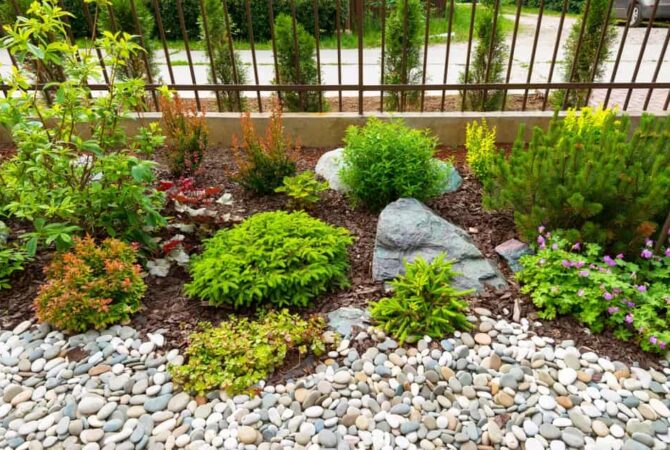
Open spaces are as important as plant-filled areas. They provide breathing room in your garden. Open spaces allow for pathways and seating areas. This enhances functionality and enjoyment.
Leave enough space between plant clusters. This prevents a cluttered look. Open areas create a sense of flow. They guide visitors through your garden effortlessly.
Balance is key. Too many plants can overwhelm. Too much open space can feel empty. Strive for a balance that feels right for your space.
Credit: www.extraspace.com
Creating A Functional Layout
Measuring your yard for garden design involves determining the dimensions accurately. Use a tape measure to assess length and width. Sketch a layout to visualize the space and plan plant placement effectively.
Creating a functional layout is essential in transforming your yard into a harmonious garden space. It’s not just about aesthetics; a well-thought-out layout ensures your garden serves various purposes efficiently. Imagine a garden where everything has its place, and every area feels connected. This is the magic of a functional layout, where zoning and accessibility work hand in hand.Zoning For Different Activities
Zoning is all about designating specific areas for different activities. Start by identifying what you want from your garden. Do you need a play area for kids, a quiet spot for relaxation, or a vegetable patch? Consider how these zones will interact with each other. A seating area near the vegetable patch might allow you to enjoy the fruits of your labor while sipping coffee. Think about how the sun moves across your yard. This can affect where you place sun-loving plants or shade-loving seating areas. Are there any existing features you want to highlight or hide?Ensuring Accessibility And Flow
Accessibility and flow are crucial for making your garden user-friendly. Your garden should invite exploration, not hinder it. Think about pathways and how they guide movement through the space. Ensure paths are wide enough for easy movement and consider materials that complement your garden’s style. Gravel might be perfect for a rustic look, while stone can offer elegance. Accessibility isn’t just about physical movement. Consider visual flow, too. Can you see the lovely flower bed from your patio, or does a hedge block your view? A practical layout balances beauty with function. How will you ensure your garden is both a joy to behold and a pleasure to use?Considering Soil And Drainage
Designing a garden requires a good understanding of soil and drainage. Soil quality and water flow affect plant growth. They also influence garden maintenance. Let’s explore these important factors.
Testing Soil Quality
Begin by testing your soil. This helps identify its type and nutrient level. Use a simple soil test kit. It reveals pH levels and fertility. Sandy, clay, and loamy are common soil types. Each type supports different plants. Adjust your garden plan based on the results.
Consider adding organic matter to improve soil. Compost or well-rotted manure enriches it. This boosts plant health and growth. Healthy soil is the foundation of a thriving garden.
Planning For Water Runoff
Examine how water flows in your yard. Water runoff impacts drainage and plant health. Observe after a rainstorm. Notice where water pools or flows. This information guides garden design.
Consider creating slopes or raised beds for better drainage. Ensure water does not pool around plants. Use gravel or mulch to aid water movement. Proper drainage prevents root rot and plant diseases.
Using Technology In Design
Designing a garden can be a fun and creative process. Technology makes this easier by offering tools to visualize and plan. These tools save time and help in making informed decisions. Let’s explore how technology aids in garden design.
Garden Design Software
Garden design software provides a digital canvas for your ideas. You can sketch layouts with ease. These programs often include plant libraries. These libraries help you choose the right plants for your space. Some software allows you to input your yard’s dimensions. This ensures accurate planning and design.
3D modeling features are also available. They give a realistic view of your future garden. You can try different designs without any physical work. This flexibility helps in visualizing the final outcome. Software options vary in complexity. Some are simple for beginners, while others offer advanced features for experts.
Online Tools For Visualization
Online tools offer quick and simple ways to visualize garden designs. Many of these tools are free and easy to use. They let you experiment with colors and textures. You can upload a photo of your yard and try different styles. This feature helps in seeing how changes affect the space.
Some online tools include climate and soil information. This helps in selecting suitable plants for your garden. You can also share your designs with friends or family for feedback. These online tools provide a fun way to explore ideas without commitment. They are perfect for those new to garden design.
Consulting With Professionals
Consulting with professionals helps accurately measure your yard for garden design. They ensure precise calculations for garden space. Expert advice simplifies the process, guaranteeing a well-structured layout.
Consulting with professionals can transform your garden design. Experts bring valuable insights and skills to your project. They help you create a functional and beautiful space.Hiring A Landscape Designer
A landscape designer understands your vision and translates it into reality. They evaluate your yard’s dimensions and conditions. Their expertise ensures that plant choices suit your climate and soil type. Designers provide plans that maximize your space’s potential. Their creative input enhances the aesthetic appeal of your garden. Hiring a designer saves you time and prevents costly mistakes.Collaborating With Contractors
Contractors bring the design to life with precision. They manage the logistics and labor involved in garden construction. This includes tasks like planting, irrigation, and hardscaping. Collaborating ensures that the project stays on schedule and within budget. Contractors address any unexpected challenges during the installation process. A strong partnership with contractors delivers a seamless garden transformation.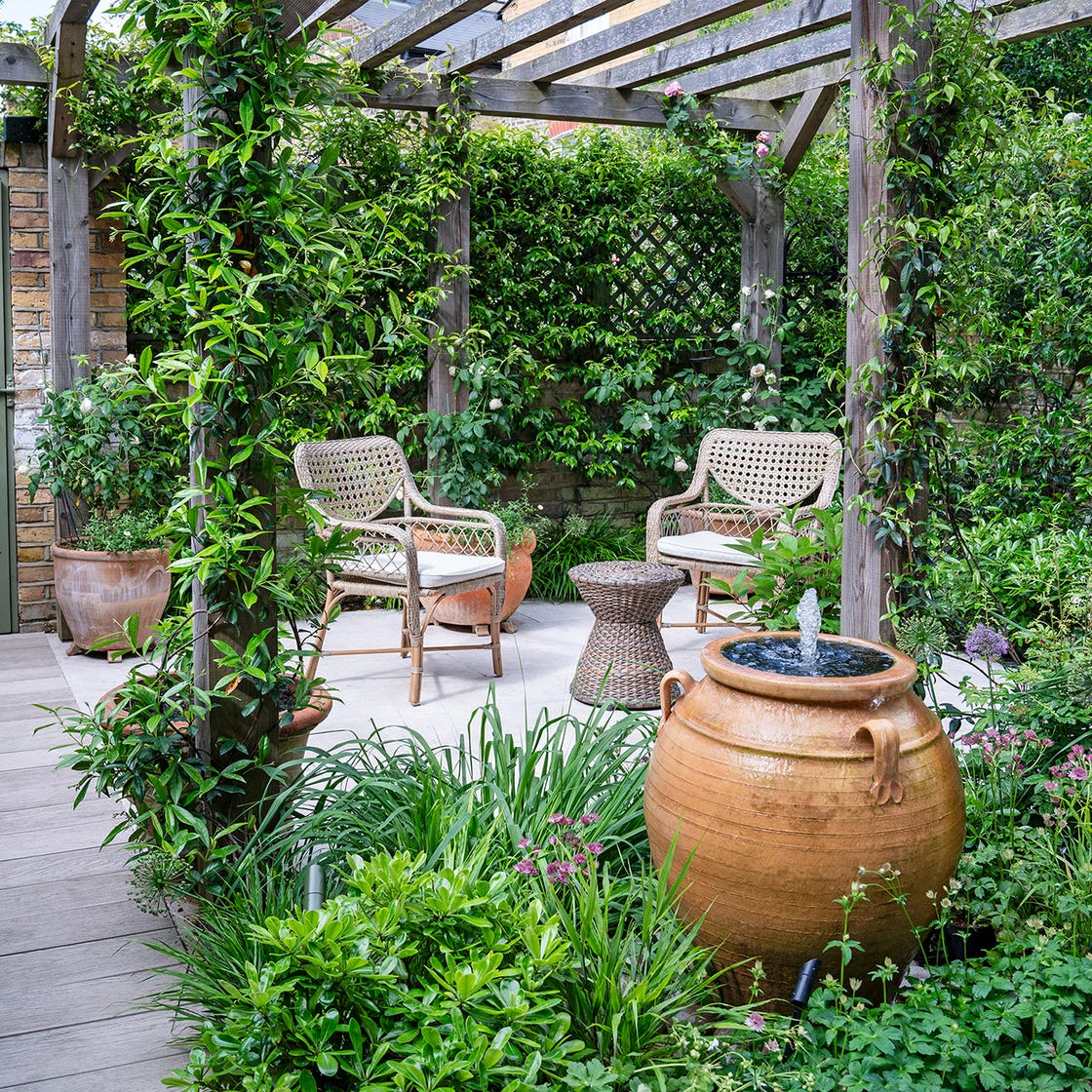
Credit: www.elledecor.com
Frequently Asked Questions
How Do I Start Measuring My Yard?
Begin by sketching a rough layout of your yard. Use a measuring tape to record dimensions, noting any fixed elements like trees or structures. Ensure accuracy by measuring multiple times and cross-referencing with existing plans if available. This foundational step aids in precise planning for your garden design.
What Tools Are Needed For Yard Measurement?
Essential tools include a measuring tape, graph paper, and a pencil. A laser distance measurer can enhance accuracy for large areas. These tools help you create a detailed map of your yard, ensuring all dimensions are correctly recorded for effective garden planning.
How Can I Measure Uneven Terrain?
For uneven terrain, divide the yard into smaller sections. Measure each section individually, accounting for slopes and elevations. Use a level tool to assess gradients. This method ensures accurate measurements, allowing you to adapt your garden design to the natural contours of your yard.
Why Is Accurate Measurement Important In Garden Design?
Accurate measurements ensure that your garden design fits perfectly within your space. It helps in avoiding overcrowding or underutilization. Precise dimensions aid in selecting appropriate plants and features, leading to a harmonious and functional garden that maximizes available space efficiently.
Conclusion
Measuring your yard is the first step to great garden design. Start with clear goals in mind. Use a tape measure for accurate dimensions. Sketch a basic layout on paper. Take note of sunlight and shade areas. Consider water access and drainage.
Think about plant sizes and growth. Adapt your plan as needed. Keep the design simple and functional. With these steps, you can create a beautiful and practical garden. Enjoy your new outdoor space and the satisfaction it brings. Happy gardening!