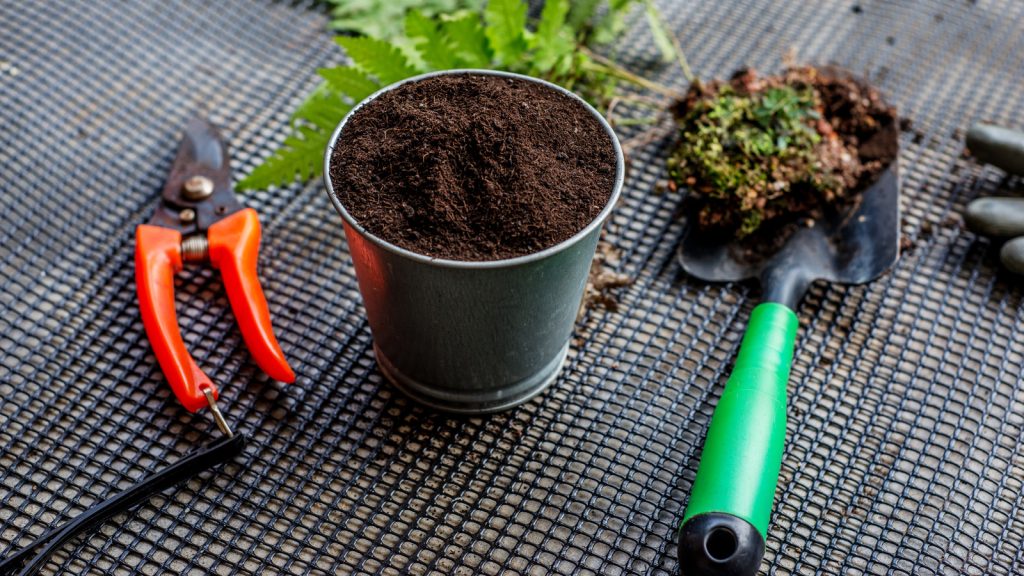
You love your garden. It’s a sanctuary where you nurture life, watch blooms flourish, and enjoy the fruits of your labor.
But have you ever considered the importance of keeping your garden tools clean and disinfected? If you’re like most gardeners, you may not have given it much thought. Yet, the health of your plants and the success of your garden depend significantly on the cleanliness of your tools.
Imagine the frustration of watching your prized rose bush wilt because of an unseen enemy—a disease spread by a contaminated pruner. You might be wondering, what do you use to disinfect garden tools effectively? The good news is, maintaining clean tools is simpler than you think. With the right methods, you can ensure your tools are free from harmful pathogens, giving your plants the best chance to thrive. Don’t let your hard work go to waste; discover the secrets to keeping your garden tools spotless and your garden vibrant. Dive into this article to explore easy, effective solutions that will empower you to protect your garden like never before. Your plants deserve it, and so do you.
Importance Of Disinfecting Garden Tools
Disinfecting garden tools is crucial for maintaining plant health. Dirty tools spread diseases between plants, harming your garden. Regular cleaning reduces this risk significantly. Healthy plants grow better and produce more.
Why Disinfecting Prevents Disease Spread
Plants can catch diseases from infected soil or leaves. Tools carry these pathogens if not cleaned. Disinfecting kills these harmful organisms. This practice stops disease transmission effectively.
Impact On Plant Health
Healthy plants need fewer chemicals and fertilizers. Clean tools help achieve this by preventing infections. This leads to stronger, more resilient plants.
Extending Tool Lifespan
Disinfecting also protects your tools. It prevents rust and decay caused by soil and plant debris. Proper maintenance ensures tools last longer, saving money over time.
Eco-friendly Gardening Practices
Using clean tools supports eco-friendly gardening. It reduces the need for chemical treatments. This benefits the environment and your garden’s ecosystem.
Simple Disinfecting Methods
- Use a bleach solution for metal tools.
- Rubbing alcohol works well on most surfaces.
- Vinegar is a natural disinfectant for wooden handles.
Common Diseases Transmitted By Tools
Garden tools can spread diseases like fungal infections and bacterial wilt. Disinfect using a bleach solution or alcohol wipes. Regular cleaning prevents contamination and keeps plants healthy.
Gardening is a therapeutic and rewarding hobby, but it comes with its own set of challenges. One of the often overlooked aspects is the transmission of plant diseases through garden tools. Many gardeners aren’t aware that their pruners, shears, and trowels can inadvertently become carriers of harmful pathogens. These microscopic invaders can wreak havoc on your plants, leading to poor yields or even plant death. Understanding the common diseases transmitted by tools can help you take preventive measures and keep your garden thriving.Fungal Infections
Fungi are a major culprit when it comes to plant diseases spread by tools. Diseases like powdery mildew, rust, and black spot can easily transfer from one plant to another through contaminated blades and surfaces. Imagine trimming a rose bush with black spot and then moving on to a healthy plant without cleaning your tools. The fungal spores hitch a ride on your pruners, quickly finding a new host.Bacterial Diseases
Bacterial infections, such as fire blight in apples and pears, are notoriously difficult to control once they take hold. Using infected tools can rapidly spread these bacteria throughout your garden. Have you ever noticed wilting leaves or oozing cankers on plants after pruning? This could be a sign that your tools are transmitting bacteria, emphasizing the need for thorough disinfection.Viral Infections
Viruses are tricky because they often show subtle symptoms until it’s too late. Tools can transmit viral diseases like tomato mosaic virus or cucumber mosaic virus, leading to stunted growth and discolored foliage. Picture yourself using the same trowel for different plants without cleaning it. Viruses can silently move from plant to plant, diminishing the vitality of your garden.Nematode Transmission
Nematodes are microscopic worms that can cause significant damage to plant roots. While not as common as fungal or bacterial diseases, nematodes can still be spread via unclean tools. Digging into soil infested with nematodes and then moving to another patch without cleaning can transport these pests across your garden. Have you ever wondered why certain plants in your garden are underperforming? The answer might lie in these tiny, unseen invaders. Taking time to disinfect your garden tools can save you from these common plant diseases. Consider it an investment in your garden’s health. What preventive steps will you implement in your gardening routine to ensure your tools don’t become carriers of disease?Effective Disinfectants For Garden Tools
Maintaining clean garden tools is crucial for a healthy garden. Using the right disinfectant can help prevent the spread of diseases among your plants. But what works best? Here’s a guide to effective disinfectants that will keep your tools in top shape.
Bleach Solutions
A common household item, bleach is highly effective in killing bacteria and fungi. Mix one part bleach with nine parts water. Immerse your tools for at least 30 minutes. Rinse thoroughly with water afterwards to prevent any residue from damaging your plants. It’s cheap and readily available, but remember that bleach can be harsh on metals if not rinsed properly.
Alcohol-based Cleaners
Alcohol is another excellent choice for disinfecting garden tools. Using isopropyl alcohol at 70% concentration can quickly eliminate pathogens. Simply wipe down your tools with a cloth soaked in alcohol or spray it directly on the surface. Alcohol dries fast, which means you can use your tools almost immediately. It’s a great option for quick, on-the-spot cleaning.
Commercial Disinfectants
For those looking for something specifically designed for garden tools, commercial disinfectants are available. These products are formulated to effectively kill a wide range of plant pathogens. Follow the instructions on the label for proper dilution and application. While they might be more expensive, they offer peace of mind with their targeted efficacy.
Have you tried any of these methods for your garden tools? Which disinfectant do you trust the most, and why? Share your experiences in the comments below!
Natural Alternatives For Disinfection
Gardening tools need regular cleaning to prevent disease spread. Many prefer natural methods for this task. Natural alternatives offer safe, eco-friendly cleaning options. These methods are often as effective as chemical cleaners. They are also easy to use and cost-effective. Let’s explore two popular natural options.
Vinegar Solutions
Vinegar is a versatile cleaner found in many homes. Mix equal parts water and vinegar in a spray bottle. Spray the solution onto the tools and scrub with a brush. Vinegar’s acidity kills many bacteria and fungi. Rinse the tools thoroughly with water after cleaning. This step ensures no residue is left behind. Let the tools dry completely before storing them.
Essential Oils
Essential oils are another great natural choice. Tea tree and lavender oils have strong antibacterial properties. Add a few drops of oil to a cup of water. Use a cloth to wipe the solution on the tools. These oils not only disinfect but also leave a pleasant scent. Ensure the tools are dry before storing them. This method is gentle and effective for regular use.
Proper Technique For Disinfecting Tools
Disinfect garden tools with a bleach solution to prevent disease spread. Mix one part bleach with nine parts water. Soak tools for 30 minutes, then rinse thoroughly.
Disinfecting garden tools is crucial for maintaining a healthy garden and preventing the spread of diseases. Proper technique ensures that your tools are not only clean but also safe for use. Imagine the frustration of nurturing your plants with dedication, only to introduce a disease through contaminated tools. Let’s dive into the best practices for disinfecting your garden tools effectively.Cleaning Before Disinfection
Before you disinfect, it’s essential to clean your tools thoroughly. Dirt and debris can interfere with the disinfectant’s effectiveness. Use a stiff brush to scrub off any soil or plant residue. Rinse the tools under running water to remove any remaining particles. Dry them completely with a cloth to prevent rusting. Remember, a clean tool is the first step towards effective disinfection.Soaking And Timing
Once your tools are clean, it’s time to soak them in a disinfectant solution. You can use household bleach mixed with water in a 1:9 ratio. Ensure the solution covers the tools completely. Timing is crucial here. Let your tools soak for at least 5 to 10 minutes. This duration allows the disinfectant to effectively kill any pathogens. After soaking, rinse the tools again and dry them thoroughly before storing. Have you ever wondered if you’re spending too much time or too little on this process? Timing it right ensures you’re neither wasting resources nor risking your garden’s health.
Credit: www.hgtv.com
Safety Precautions During Disinfection
Disinfect garden tools using a solution of one part bleach to nine parts water. This helps eliminate bacteria and fungi. Always wear gloves and goggles to protect your skin and eyes from the bleach.
Disinfecting garden tools is essential for maintaining plant health. While cleaning, it’s important to prioritize safety. Proper precautions prevent harm to you and the environment. Understanding these precautions ensures effective disinfection without risks.Wear Protective Gear
Always wear gloves to protect your skin. Goggles safeguard your eyes from chemical splashes. If using strong chemicals, a mask can protect your lungs.Work In A Well-ventilated Area
Ensure the area has good airflow. This reduces inhalation of harmful fumes. Open windows or work outside if possible.Read Labels Carefully
Check the instructions on disinfectant bottles. Follow the recommended dilution and usage guidelines. This ensures safe and effective disinfection.Store Chemicals Safely
Keep disinfectants out of children’s reach. Store them in a cool, dry place. Ensure containers are tightly sealed to avoid spills.Dispose Of Waste Responsibly
Dispose of used rags and gloves properly. Follow local guidelines for chemical waste. Avoid pouring leftover solutions into the garden.Use Appropriate Tools
Choose tools that can withstand chemicals. Stainless steel tools are usually a good option. Avoid tools that may corrode or break. Proper safety precautions make disinfection safe and effective. Remember these guidelines to protect yourself and the environment.Maintaining Clean Tools For Longevity
Disinfect garden tools with a mix of water and bleach or use rubbing alcohol. These methods kill bacteria and fungi, ensuring tools last longer. Clean tools prevent disease spread in the garden, promoting healthier plant growth.
Maintaining clean tools for longevity is crucial for every gardener. Clean tools not only perform better but also last longer, saving you both time and money. Imagine spending hours pruning only to realize your shears are rusty or dull. Regular maintenance can prevent such frustrations and ensure your gardening tasks are smooth and efficient. But how do you keep those tools in pristine condition?Regular Maintenance Tips
To keep your garden tools in top shape, make cleaning a habit. After every use, wipe off soil and debris with a cloth. This simple step prevents dirt from hardening and becoming difficult to remove later. Once a month, give your tools a deeper clean. Use a wire brush to scrub rust and stubborn dirt. For metal parts, apply a light coat of oil to prevent rust and keep them functioning smoothly. This routine maintenance can significantly extend the life of your tools.Storage Solutions
Proper storage is as important as cleaning. Store your tools in a dry, cool place to avoid moisture, which can lead to rust. Hanging tools on a wall rack keeps them organized and easily accessible. Consider investing in a toolbox or shed if space allows. This protects tools from the elements and keeps them safe from damage. Remember, well-stored tools are less likely to get lost or broken. Keeping your garden tools clean and well-stored might seem like extra effort, but it’s worth it. What steps will you take today to ensure your tools last for years to come?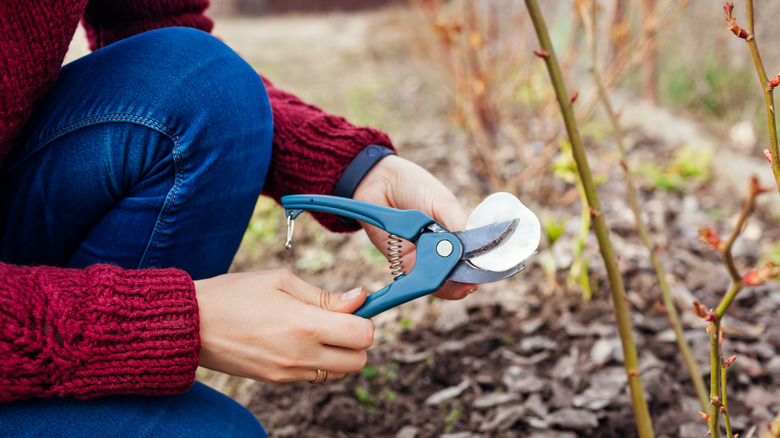
Credit: www.outdoorguide.com
Expert Advice From Horticulturists
Disinfecting garden tools ensures healthy plants. Experts recommend using a solution of bleach and water. This mixture effectively kills harmful bacteria and fungi.
Gardening is a rewarding hobby, but maintaining healthy plants requires more than just watering and sunlight. Disinfecting your garden tools is crucial to prevent the spread of diseases. Horticulturists, who are experts in plant care, offer invaluable advice on the best practices for keeping your tools clean and your garden thriving.Use Of Rubbing Alcohol
Rubbing alcohol is a favorite among horticulturists for its effectiveness and ease of use. It kills a wide range of pathogens and dries quickly, allowing you to get back to your gardening tasks without delay. Simply pour some onto a cloth or sponge and wipe down your tools thoroughly.Bleach Solution
A bleach solution is another popular method. Horticulturists recommend mixing one part bleach with nine parts water. Soak your tools for about 30 minutes, then rinse them well to prevent any residual bleach from harming your plants.Hydrogen Peroxide
Hydrogen peroxide is not just for first aid kits; it’s an excellent disinfectant for garden tools. You can apply it directly to your tools or soak them in a solution for a few minutes. It breaks down into water and oxygen, leaving no harmful residues.White Vinegar
For those who prefer a natural approach, white vinegar is a great option. It’s effective against bacteria and fungi and is safe for the environment. Spray it onto your tools or give them a quick soak for best results.Heat Sterilization
Heat is a powerful tool against pathogens. Some horticulturists recommend using a heat source, like a blow dryer or even the sun, to sterilize tools after cleaning. Just ensure the heat source is not too intense to avoid damaging your tools.Regular Maintenance
Beyond disinfecting, regular maintenance of your tools is essential. Sharpen blades and oil hinges to keep them in top condition. This practice not only prevents disease but also extends the life of your tools. By implementing these expert-backed methods, you can ensure your garden tools are not just clean but also effective in cultivating a healthy garden. Have you ever tried these techniques, or do you have a favorite method of your own?
Credit: www.hgtv.com
Frequently Asked Questions
What Household Items Disinfect Garden Tools?
Household items like bleach, vinegar, and hydrogen peroxide can effectively disinfect garden tools. Mix them with water for safety. Regular cleaning with these solutions prevents disease spread in plants. Always dry tools after disinfection to prevent rusting. Use protective gloves while handling these chemicals to ensure safety.
How Often Should Garden Tools Be Disinfected?
Garden tools should be disinfected after each use, especially when dealing with diseased plants. Regular disinfection prevents the spread of pathogens. It also ensures that tools remain in good condition. Proper maintenance extends the lifespan of your garden tools. Consistent cleaning is essential for healthy gardening practices.
Can Vinegar Disinfect Garden Tools Effectively?
Yes, vinegar is an effective disinfectant for garden tools. Its acidic nature kills bacteria and fungi. Soak tools in vinegar for about 30 minutes, then rinse. Vinegar is a natural and eco-friendly option. It’s safe for both tools and the environment.
Always dry tools thoroughly after cleaning with vinegar.
Is Bleach Safe For Disinfecting Garden Tools?
Bleach is safe and effective for disinfecting garden tools when diluted properly. Use a 1:9 bleach-to-water ratio. Soak tools for 10 minutes, then rinse and dry. Bleach kills most pathogens but handle it with care. Always wear gloves and work in a well-ventilated area to ensure safety.
Conclusion
Disinfecting garden tools keeps plants healthy and disease-free. Regular cleaning prevents rust and damage. Choose natural options like vinegar or baking soda. These are safe and effective. Always dry tools well after cleaning. Store them in a dry place. This practice ensures tools last longer.
Healthy tools mean a thriving garden. So, take care of your tools regularly. Your plants will thank you. Enjoy a beautiful garden, full of vibrant life. Clean tools make gardening easier and more enjoyable. Keep them ready for use at any time.
Happy gardening!







