Imagine having fresh herbs, vibrant vegetables, and lush greenery right at your fingertips—all without stepping outside. Starting an indoor garden opens up a world of possibilities, transforming your living space into a thriving, green oasis.
Whether you live in a city apartment or a home with limited outdoor space, creating an indoor garden is easier than you might think. You might be wondering, what do you need to get started? Well, you’re in the right place.
This article is crafted just for you, offering straightforward insights and practical tips to kickstart your indoor gardening adventure. We’ll walk you through essential tools, supplies, and techniques that will turn your home into a personal Eden. Let’s dive into the essentials that will make your indoor garden flourish, and soon, you’ll be enjoying the tranquility and satisfaction it brings.
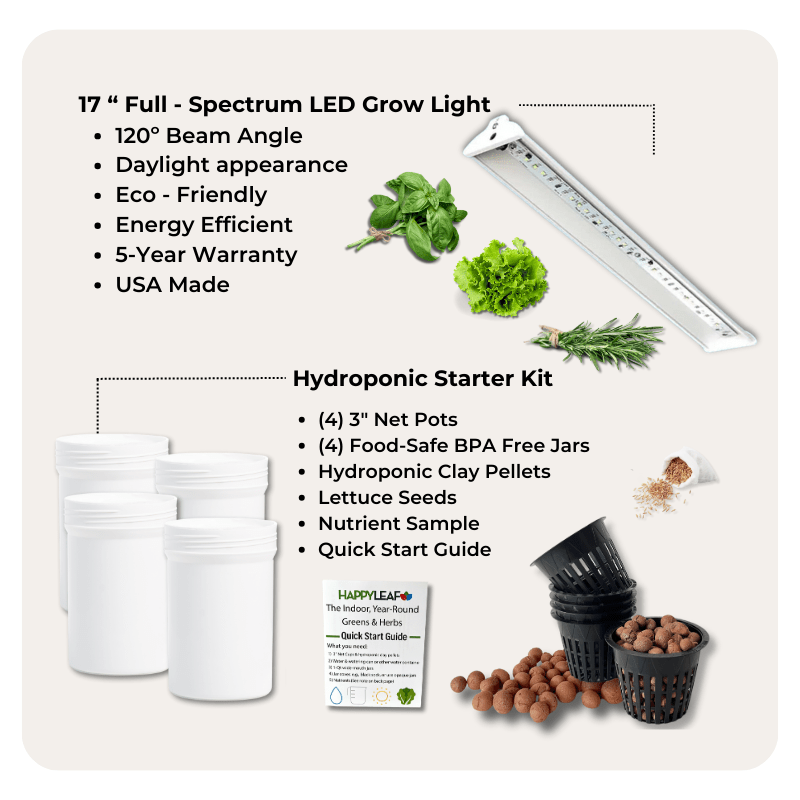
Credit: happyleafledgrowlights.com
Choosing The Right Space
Find a spot with good sunlight and enough space for your plants to grow. Consider the room’s temperature and humidity. Make sure there’s easy access for watering and maintaining your indoor garden.
Choosing the right space for your indoor garden can make all the difference in how well your plants thrive. It’s not just about finding any available corner; it’s about understanding the needs of your plants and the characteristics of your home. Let’s explore some key factors to consider when selecting the perfect spot for your indoor oasis.Room Selection
The first step is to decide which room in your home is best suited for an indoor garden. Consider spaces like your kitchen or living room where you spend a lot of time. This proximity helps you keep an eye on your plants and makes watering and maintenance easier. Think about humidity and temperature. Bathrooms might seem like a good choice due to their humidity, but frequent temperature changes can stress plants. You might find that a rarely used guest room provides a stable environment ideal for plant growth.Lighting Considerations
Lighting is crucial for indoor gardening success. Natural sunlight is the best, so choose a spot near windows that receive plenty of light. South-facing windows are typically the most effective, offering the brightest and most consistent light. If natural light is scarce, consider investing in grow lights. These can mimic the sun’s spectrum and provide your plants with the light they need. LED grow lights are efficient and can be adjusted to suit various plant species. Ask yourself: Does your chosen space get enough light throughout the day? Even plants known for low-light tolerance require some light to thrive. Adjust your setup or lighting plan accordingly to ensure your indoor garden flourishes.Lighting Options
Choosing the right lighting is key for an indoor garden. LED grow lights offer energy efficiency and mimic natural sunlight. Fluorescent lights are budget-friendly and suitable for small spaces.
Lighting Options are crucial for indoor gardens. Plants need light for photosynthesis. Choosing the right light ensures healthy growth. Let’s explore various lighting choices for indoor gardening.Natural Vs. Artificial Light
Natural light is the sunlight streaming through windows. It’s free but may not be consistent. Some areas receive less sunlight during winter. Artificial light provides control over intensity and duration. It helps plants thrive even in low-light conditions. Consider your space and plant needs when deciding.Led Grow Lights
LED grow lights are popular for indoor gardens. They consume less energy and last longer. These lights produce minimal heat, reducing fire risks. LEDs offer a full spectrum of light, mimicking sunlight. They are adjustable to cater to different plant types. The initial cost is higher, but savings on energy bills are significant.Fluorescent Bulbs
Fluorescent bulbs are economical and easy to find. They are suitable for small indoor gardens. These bulbs emit low heat, preventing plant damage. Fluorescents offer a decent spectrum for plant growth. They are less efficient than LEDs but affordable. Compact fluorescent lights (CFLs) are ideal for beginners. They fit into regular light fixtures, simplifying setup.Selecting Suitable Plants
Choose plants that thrive indoors. Consider light, space, and temperature. Opt for low-maintenance varieties like pothos or succulents.
Selecting suitable plants for an indoor garden can be exciting. Choose plants that thrive indoors and match your lifestyle. Some plants need more light, while others are easy-going. Let’s explore different plant types for your indoor garden.Herbs And Vegetables
Herbs are perfect for indoor gardens. They grow well in pots and provide fresh flavors. Consider basil, mint, or parsley. These herbs need moderate light and regular watering. Vegetables like lettuce and spinach can also thrive indoors. They grow quickly and offer fresh produce. Ensure they get enough light to grow well.Ornamental Plants
Ornamental plants add beauty to your indoor space. Choose plants like ferns and peace lilies. They have beautiful leaves and require little maintenance. Orchids bring a touch of elegance. They need specific care but are worth it. Consider their light and water needs before choosing.Low-light Varieties
Some plants thrive in low light. Snake plants and pothos are ideal for dim spaces. They are hardy and easy to care for. These plants purify air and require minimal attention. Perfect for beginners who want greenery without hassle. Keep them in shaded areas and enjoy their beauty.
Credit: www.linkedin.com
Soil And Growing Mediums
Understanding soil types is key to indoor gardening success. Choose the right growing medium for healthy plant roots. Consider factors like drainage and nutrient content to ensure optimal plant growth indoors.
Starting an indoor garden can be an incredibly rewarding venture. While selecting the right plants is essential, choosing the proper soil and growing mediums can make all the difference in the success of your indoor garden. Understanding the options available will help you cater to your plants’ specific needs and create a thriving environment. Let’s dive into the different choices you have.Potting Mix
When it comes to indoor gardening, potting mix is a popular choice due to its versatility and ease of use. A good potting mix should be light, well-draining, and rich in nutrients to support healthy plant growth. Consider using a mix that includes perlite or vermiculite to enhance aeration. This will prevent waterlogging and promote root development. I once had a houseplant that struggled until I switched to a potting mix with coconut coir. The improved drainage and nutrient retention made a noticeable difference.Hydroponics
Hydroponics offers a soil-less alternative that’s gaining popularity among indoor gardeners. Using water-based solutions with essential nutrients, hydroponics can accelerate growth and increase yield. This method is ideal if you’re looking to save space and water while maintaining control over nutrient levels. Imagine growing herbs and vegetables without the mess of soil—hydroponics makes it possible! Plus, you can experiment with vertical setups or DIY systems to suit your space.Organic Options
For those who prefer a natural approach, organic growing mediums are an excellent choice. Options like compost, peat moss, and coconut coir provide sustainable solutions that enrich the soil with nutrients. Using organic materials not only supports plant health but also contributes to a healthier environment. If you’re passionate about sustainability, consider creating your own compost. It’s a fulfilling process that turns kitchen scraps into valuable plant food. — Choosing the right soil and growing medium sets the foundation for a successful indoor garden. Which option aligns best with your gardening goals?Watering Techniques
To start an indoor garden, proper watering techniques are essential. Use a spray bottle for misting delicate seedlings. Ensure pots have drainage holes to prevent waterlogging. Adjust watering frequency based on plant type and indoor humidity levels.
Starting an indoor garden is an exciting journey that brings nature right into your home. One crucial element you’ll need to master is the art of watering. The right watering techniques can mean the difference between a thriving garden and one that struggles. Understanding different methods will help you keep your plants healthy and vibrant.Self-watering Systems
Self-watering systems can be a lifesaver, especially if you’re busy or travel often. These systems typically include a reservoir that supplies water to your plants as needed. With this setup, the plants draw water through capillary action, ensuring they get just the right amount. Imagine never worrying about overwatering or underwatering again! Some systems even come with indicators to show when the reservoir needs refilling. This can be a great investment if you’re looking to simplify your gardening routine.Drip Irrigation
Drip irrigation is another efficient method for indoor gardens. It involves a network of tubes that deliver water directly to the plant roots. This method reduces water waste and targets the soil where it’s needed most. Setting up a drip irrigation system may sound complex, but kits are available that make it easy. They often include adjustable nozzles so you can control the water flow. Have you ever thought about how much water your plants actually need? Drip irrigation can help you find that sweet spot.Manual Watering Tips
Manual watering is the classic approach and offers you the most control. It allows you to connect with your plants and observe their needs closely. However, it’s vital to water thoroughly and ensure that the soil is evenly moist. Use a watering can with a narrow spout to reach the soil directly without wetting the foliage. This helps prevent mold and mildew. Always check the soil moisture before watering—stick your finger in about an inch. If it feels dry, it’s time to water. Each method has its own benefits and challenges. Have you considered which watering technique aligns best with your lifestyle and gardening goals?Temperature And Humidity
Starting an indoor garden is an exciting venture. Temperature and humidity play crucial roles in plant health. Proper management ensures your indoor plants thrive. Understanding the ideal conditions for your plants can make a significant difference. Let’s explore how to control these factors effectively.
Ideal Temperature Ranges
Most indoor plants flourish in temperatures between 65°F and 75°F. This range mimics their natural environment. Sudden changes in temperature can stress plants. Keep temperatures stable for optimal growth. Avoid placing plants near heaters or air conditioners. These can cause rapid temperature shifts. Monitor room temperature regularly.
Humidity Control Methods
Humidity affects plant hydration. Aim for a humidity level between 40% and 60%. Use a humidifier to maintain moisture in the air. Grouping plants together can also increase humidity naturally. Mist plants lightly if air feels dry. Pebble trays can add humidity as water evaporates. Avoid excessive humidity as it may lead to mold.
Nutrient Management
Nutrient Management Indoor gardening begins with understanding your plant’s nutrient needs. Ensure a balanced mix of essential nutrients. Use quality soil and appropriate fertilizers to support healthy growth.
Nutrient management is essential for thriving indoor gardens. Plants need nutrients to grow strong and healthy. Understanding nutrient management helps you provide the best care for your plants.Fertilizer Types
Fertilizers supply essential nutrients to plants. There are different types available. Liquid fertilizers are easy to apply and absorb quickly. Granular fertilizers release nutrients slowly over time. Choose based on your plant’s needs and growth stage.Feeding Schedules
Establishing a feeding schedule is crucial. Overfeeding can harm plants, while underfeeding stunts growth. Most indoor plants need feeding every 1-2 weeks. Adjust based on the plant’s growth phase and season. Read fertilizer instructions for specific recommendations.Organic Vs. Synthetic Nutrients
Decide between organic and synthetic nutrients. Organic nutrients come from natural sources like compost. They improve soil health and are eco-friendly. Synthetic nutrients are man-made. They offer precise nutrient control. Consider your preferences and plant needs. Both can support plant growth effectively.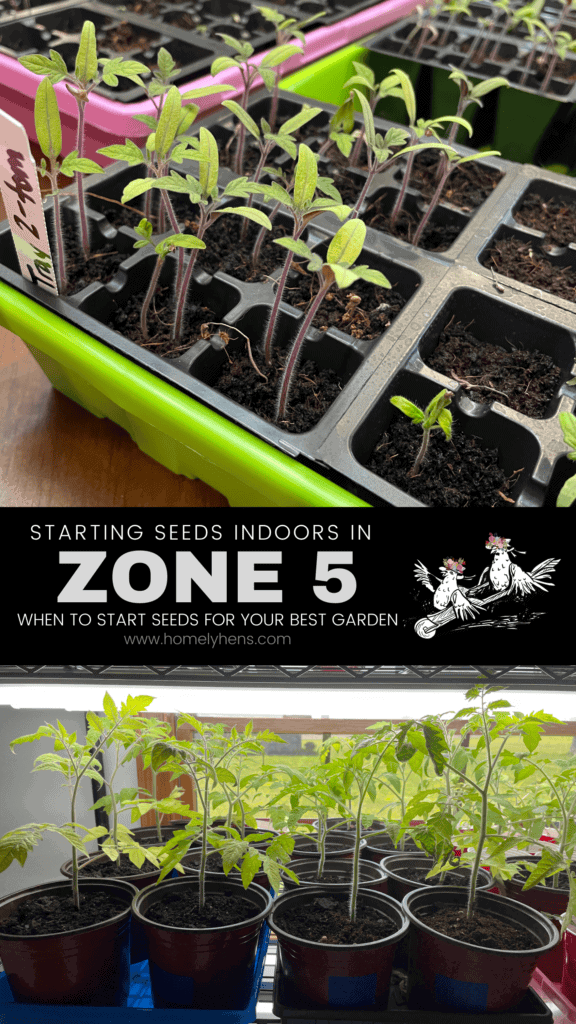
Credit: homelyhens.com
Pest And Disease Control
Starting an indoor garden can be a gratifying journey, but it’s not without its challenges. Among these, pest and disease control is crucial to maintaining a thriving garden. Understanding how to manage these issues effectively can make the difference between a flourishing indoor garden and a disappointing one.
Common Indoor Pests
Indoor gardens can attract a variety of pests, each with its own set of nuisances. You might find aphids clustering on your plants, sucking away their sap and weakening their growth. Spider mites could be weaving fine webs under leaves, unnoticed until damage is visible. Fungus gnats are another common pest, their larvae feeding on plant roots and disrupting growth. Recognizing these pests early is key to preventing serious damage.
Natural Remedies
Turning to natural remedies can be a friendly approach to dealing with indoor pests. Use neem oil to deter aphids and spider mites; simply spray it on affected plants. Introduce ladybugs to your garden as they feast on aphids, keeping populations in check. You might also consider a homemade mixture of water and dish soap to remove mites. These solutions are not only effective but also safer for your plants and family.
Preventive Measures
Preventing pests and diseases is simpler than battling them head-on. Regularly inspect your plants for early signs of infestation—yellow leaves or webbing are red flags. Ensure proper air circulation to prevent mold and mildew, which thrive in stagnant air. Adjust watering habits to avoid over-saturation, a common cause of root rot. By staying vigilant, you can catch problems before they escalate.
What strategies do you use to keep your indoor garden healthy? Share your experiences and tips in the comments below!
Tools And Equipment
Creating an indoor garden requires pots, soil, and seeds. Grow lights help plants thrive indoors. A watering can and fertilizer ensure steady growth.
Starting an indoor garden is an exciting journey. It requires some essential tools and equipment. With the right gear, you can nurture your plants effectively. Let’s explore what you need to get started.Basic Gardening Tools
For an indoor garden, some basic tools are a must. You will need a small trowel for planting seeds. A pair of scissors is great for trimming plants. Watering cans help you give plants the right amount of water. A spray bottle can mist delicate seedlings. These items are easy to find and essential for beginners.Advanced Equipment
For those who want more control, advanced equipment can help. Grow lights are crucial if natural light is scarce. They provide the necessary light spectrum for plant growth. Hydroponic systems allow soil-free cultivation. Some gardeners use humidity monitors to maintain optimal conditions. These tools enhance plant health and growth.Maintenance Supplies
Keeping your indoor garden in top shape requires certain supplies. Fertilizers feed plants with necessary nutrients. Pest control products protect plants from unwanted bugs. A gardening journal helps track your plant’s progress. Cleaning supplies keep your tools and space tidy. These items ensure a thriving garden environment.Monitoring And Maintenance
Indoor gardening thrives on regular monitoring and maintenance. Check plant health, soil moisture, and light conditions frequently. Adjust water and nutrients to meet plant needs for a flourishing garden.
Starting an indoor garden is exciting. Yet, it requires consistent monitoring and maintenance. This ensures plants grow healthy and vibrant. Without regular checks, plants might suffer. They need attention to thrive indoors. Let’s explore how to keep your indoor garden flourishing.Routine Checks
Routine checks are essential for plant health. Inspect leaves for discoloration or spots. This can indicate pests or disease. Feel the soil moisture with your fingers. Dry soil means it’s time to water. Check the pot drainage to prevent root rot. Ensure your plants get enough light. Adjust their position if needed. These checks help prevent problems early.Growth Tracking
Growth tracking helps understand plant progress. Measure plant height regularly. Note leaf size and new growth. Keep a journal of changes and patterns. This helps identify issues with growth rate. Compare with plant care guides. Photos can also record progress visually. This offers a clear view of development.Seasonal Adjustments
Indoor gardens need seasonal adjustments. Light levels change with seasons. Adjust artificial lighting to compensate. Some plants need less water in winter. Adjust watering schedules accordingly. Consider temperature changes indoors. Make sure plants are not in drafty spots. These adjustments keep plants comfortable year-round.Frequently Asked Questions
What Tools Are Needed For Indoor Gardening?
For indoor gardening, you’ll need basic tools like pots, soil, and seeds. Consider grow lights for better plant growth. A watering can and fertilizer are essential for maintenance. Additionally, having a humidity monitor can help ensure the right environment for your plants.
How To Choose The Best Indoor Plants?
Select indoor plants based on your space and lighting conditions. Low-light plants like snake plants are ideal for dim areas. Consider humidity and temperature requirements. Easy-to-care options like pothos and succulents are great for beginners. Research each plant’s needs for optimal growth.
Do Indoor Gardens Need Special Lighting?
Yes, indoor gardens often benefit from grow lights. Natural light might be insufficient for certain plants. LED grow lights mimic sunlight, supporting photosynthesis. Adjust the light intensity and duration based on plant species. Proper lighting promotes healthy growth and flowering.
How Often Should I Water Indoor Plants?
Watering frequency depends on plant type and environment. Most indoor plants need watering once a week. Check the soil moisture before watering. Avoid overwatering, which can lead to root rot. Adjust watering based on season and humidity levels.
Conclusion
Starting an indoor garden is simple and rewarding. Gather the basics: pots, soil, seeds, and light. Choose plants that fit your space and environment. Herbs, small vegetables, and succulents are great choices. Water your plants regularly and ensure they get enough light.
Monitor their growth and adjust as needed. Enjoy watching your garden thrive indoors. It’s a hobby that brings nature into your home. Perfect for relaxation and fresh produce. With patience and care, your indoor garden will flourish. Happy gardening!