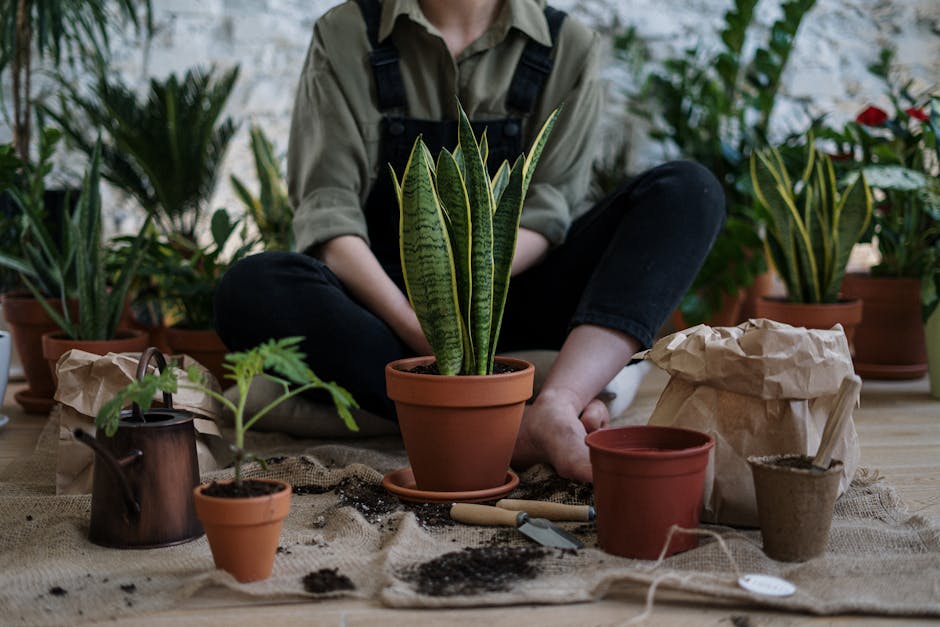
Imagine stepping into your home and being greeted by the vibrant greens of an indoor garden. No soil, no mess—just pure nature thriving right within your living space.
Creating a soil-less indoor garden is not just a trend; it’s a revolution in home gardening that transforms how you connect with nature. Are you tired of dealing with heavy bags of soil and pesky pests? This guide will show you how to cultivate lush greenery with ease.
You’ll discover the secrets to nurturing plants using innovative techniques that are cleaner and simpler than ever. Ready to turn your home into a green oasis? Dive in and explore the fascinating world of soil-less gardening, where you can grow your passion for plants and create an environment that rejuvenates your spirit.
Benefits Of Soil-less Gardening
Creating a soil-less indoor garden offers numerous benefits. It saves space, reduces pests, and requires less maintenance. Ideal for small homes, it provides a cleaner, efficient way to grow plants indoors.
Creating a soil-less indoor garden offers numerous advantages that make it an appealing choice for many plant enthusiasts. With the absence of soil, you can enjoy a cleaner, more efficient gardening experience. This approach not only saves space but also ensures healthier plants and faster growth.Improved Plant Health
Soil-less gardening reduces the risk of pests and diseases that typically reside in soil. This means your plants are less likely to suffer from infections, allowing them to thrive. A sterile environment also means you can better control the nutrients your plants receive.Space Efficiency
Without the need for soil, you can maximize the use of your indoor space. Vertical gardens and hydroponic systems fit into small areas and can be placed in unexpected spots like kitchen corners or bathroom shelves. This approach lets you turn any part of your home into a green oasis.Faster Growth
Plants grown in soil-less systems often grow faster compared to traditional soil-based methods. With direct access to oxygen and nutrients, plants can focus their energy on growth rather than searching for resources. Imagine enjoying fresh herbs or vegetables weeks ahead of your usual schedule.Water Conservation
Soil-less gardening techniques like hydroponics and aquaponics use significantly less water than traditional gardening. The recirculation of water ensures minimal waste, making it an eco-friendly option. You’ll be doing your part to conserve water while nurturing your green thumb.Ease Of Maintenance
With soil-less gardening, there’s no need for weeding, and you can avoid the mess of dealing with soil. Systems like hydroponics are low-maintenance, often requiring just occasional checks on water levels and nutrient concentrations. This makes it ideal for busy individuals or those new to gardening.Versatility
Soil-less gardens can be tailored to suit a wide variety of plants, from leafy greens to flowering species. Whether you want to grow lettuce, tomatoes, or exotic orchids, there’s a soil-less method to meet your needs. This versatility allows you to experiment and expand your gardening repertoire with ease. By embracing soil-less gardening, you’re stepping into a world of possibilities. What will you grow in your indoor garden?
Credit: www.facebook.com
Essential Supplies
Creating a soilless indoor garden requires essential supplies like containers, hydroponic nutrients, and grow lights. Choose lightweight containers for easy movement. Use hydroponic nutrients to nourish plants efficiently.
Creating a soil-less indoor garden can be a transformative experience. It allows you to grow fresh produce right from your living room or kitchen. The key to success is gathering the essential supplies to support plant growth without soil. Understanding the different systems available will help you choose the right one for your space and needs.Hydroponic Systems
Hydroponic systems use nutrient-rich water to nourish plants. You’ll need a reservoir to hold the water and a pump to circulate it. Consider adding an air stone to oxygenate the water, promoting healthy root growth. Net pots or growing trays support the plants. Ensure they’re placed in a way that allows roots to reach the nutrient solution. These systems can be as simple or as complex as you wish, from DIY kits to sophisticated commercial setups.Aquaponic Systems
Aquaponics combines fish farming with hydroponics. You’ll need a fish tank, fish, and a system to cycle water between the tank and plant beds. The fish waste provides nutrients for the plants, creating a symbiotic relationship. Consider using hardy fish like tilapia or goldfish. The setup can be as small as a countertop aquarium or as large as your space allows. Remember, maintaining the right balance between fish and plants is crucial.Aeroponic Systems
Aeroponics involves misting plant roots with a nutrient solution. This system requires a chamber to house the roots and a misting device. The setup allows for maximum oxygen exposure to roots, which can lead to faster growth. You’ll need a timer to control the misting schedule, usually in short intervals throughout the day. Aeroponic systems are often more technical but offer high efficiency. They’re ideal if you’re looking to maximize growth in limited space. Building a soil-less garden can be an exciting challenge. Have you considered how these systems might fit into your lifestyle? Each offers unique benefits and could transform how you experience gardening indoors.Selecting The Right Plants
Choosing plants for a soil-less indoor garden requires considering light and space needs. Opt for herbs, succulents, or leafy greens that thrive in hydroponic systems. Ensure adequate light and room for growth to maintain a healthy, vibrant garden.
Creating a soil-less indoor garden is an innovative way to bring greenery into your home. The key to a successful indoor garden lies in selecting the right plants. Choose plants that thrive without soil and adapt well to indoor conditions. Each type of plant has unique needs and benefits, making it essential to understand their requirements before starting your garden.Herbs
Herbs are perfect for soil-less gardens. They grow quickly and need minimal care. Basil, mint, and chives are popular choices. They add flavor to meals and fresh scents to your home. Ensure adequate light for herbs to flourish indoors. Their compact size makes them ideal for small spaces. Regular harvesting encourages growth and keeps them healthy.Leafy Greens
Leafy greens like lettuce and spinach thrive in soil-less gardens. They grow fast and provide nutritious leaves for salads. These greens require consistent moisture and light. Hydroponic systems are excellent for growing leafy greens indoors. They deliver nutrients directly to the roots. Proper ventilation helps prevent mold and keeps leaves fresh.Ornamental Plants
Ornamental plants add beauty to your indoor garden. Spider plants and peace lilies are popular choices. They purify the air and create a calming atmosphere. Ornamental plants need indirect sunlight and regular watering. Choose varieties that suit your space and style. Their vibrant leaves and unique shapes enhance indoor décor.Setting Up Your Garden
Create a thriving soil-less indoor garden by utilizing hydroponic systems or aeroponics. These methods provide plants with essential nutrients directly through water or mist. Explore suitable lighting options and ensure proper ventilation for healthy growth.
Setting up a soil-less indoor garden opens up exciting possibilities. You can grow fresh herbs, vegetables, or decorative plants indoors. It requires careful planning to ensure optimal growth conditions. This section guides you in selecting the right location, managing lighting, and controlling temperature and humidity.Choosing A Location
Selecting the right spot for your indoor garden is crucial. Look for an area with good ventilation and access to electrical outlets. Ensure there is enough space for your plants to grow comfortably. Consider how much sunlight the area gets, even if you will use artificial lights.Lighting Requirements
Light is a key factor for plant growth. Assess your garden’s lighting needs based on the type of plants. Use LED grow lights for efficient energy use and better plant growth. Position the lights at the correct distance from plants to avoid overheating.Temperature And Humidity Control
Maintain a consistent temperature for healthy plant growth. Keep temperatures between 65°F to 75°F for most plants. Use a thermometer to monitor changes. Humidity levels should be balanced; use a humidifier if needed. Ensure good air circulation to prevent mold and pests.Nutrient Solutions
Creating a soil-less indoor garden involves using nutrient solutions to nourish plants. These solutions provide essential elements like nitrogen and potassium, ensuring healthy growth.
Creating a soil-less indoor garden offers a unique challenge—how do you provide essential nutrients to your plants without soil? This is where nutrient solutions come in. They serve as the lifeline for your plants, supplying all the necessary minerals for growth. Understanding how to formulate and maintain these solutions is crucial for a thriving indoor garden.Understanding Nutrient Mixes
Choosing the right nutrient mix is the first step in ensuring your plants get what they need. Most nutrient solutions are concentrated and need to be diluted with water before use. You can find pre-mixed solutions specifically designed for hydroponics at your local gardening store. Different plants have different nutritional needs. Leafy greens, for example, may require a different balance of nutrients compared to flowering plants. Consider your plant types and read labels carefully to select the appropriate mix.Maintaining Ph Levels
The pH level of your nutrient solution can significantly impact plant health. Most plants thrive in a slightly acidic to neutral pH range, typically between 5.5 and 6.5. Use a pH meter to monitor this regularly. If the pH is too high or too low, your plants may struggle to absorb nutrients, leading to deficiencies. Adjusting the pH is simple with pH up or pH down solutions, which you can add in small amounts to achieve the desired range. Checking the pH weekly can prevent problems before they start. Consistent monitoring can save you from the heartache of seeing your plants suffer due to improper nutrient absorption. Have you ever considered how much control you have over your indoor garden’s success? With nutrient solutions, you hold the key. The right mix and pH balance can transform your plants’ health, turning your indoor space into a lush, vibrant garden.
Credit: www.wired.com
Planting And Maintenance
Creating a soil-less indoor garden involves using hydroponics or aquaponics. Essential steps include choosing suitable containers and ensuring proper lighting. Regular maintenance includes monitoring nutrient levels and ensuring plants receive adequate water.
Creating a soil-less indoor garden is a rewarding endeavor that allows you to grow a variety of plants without the mess of traditional soil. The secret to success lies in meticulous planting and ongoing maintenance. By understanding the nuances of seeding, transplanting, regular monitoring, and managing pests and diseases, you can ensure your indoor garden thrives. Let’s dive into each aspect to help you cultivate a lush, soil-less oasis in your home.Seeding And Transplanting
Starting your soil-less garden often begins with seeds or young plants. Choose seeds that are known to thrive in hydroponic systems, such as lettuce, herbs, or strawberries. Once you’ve selected your seeds, plant them in a growing medium like rock wool or coconut coir, which provides stability and moisture. As seedlings develop, keep an eye on their growth. Transplant them into larger containers as needed, ensuring they have enough space to expand. This step helps prevent overcrowding and allows roots to establish robustly.Regular Monitoring
Consistent attention to your plants’ environment is crucial. Check water levels daily to ensure roots remain hydrated, and adjust nutrient solutions weekly to provide essential nutrients. Consider using a timer for your grow lights to simulate natural sunlight cycles, promoting healthy photosynthesis. Stay vigilant for signs of stress in your plants, such as wilting or yellowing leaves. Address these issues promptly to maintain a healthy garden. Regular monitoring helps you catch problems early, ensuring your plants continue to flourish.Pest And Disease Management
Even without soil, your indoor garden isn’t immune to pests and diseases. Introduce beneficial insects like ladybugs to naturally control aphid populations. Keep your growing area clean and free from debris to deter pests and minimize disease risk. If you notice any signs of infestation or disease, act quickly. Use organic pest control solutions or neem oil to treat affected plants. Regularly inspecting your plants for unusual signs can save your garden from widespread issues. By paying attention to these key areas, you can create a thriving soil-less indoor garden that brings nature into your home year-round. Have you considered what types of plants you’d like to grow in your own indoor garden?Troubleshooting Common Issues
Creating a soil-less indoor garden can encounter challenges like nutrient imbalances and poor drainage. Properly choosing hydroponic systems and adjusting nutrient solutions helps prevent these issues. Regular monitoring and maintenance ensure healthy plant growth and vibrant indoor greenery.
Creating a soil-less indoor garden can be a rewarding endeavor, offering a chance to grow fresh produce and beautiful plants even without a traditional backyard. However, like any gardening method, it can come with its own set of challenges. Understanding how to troubleshoot common issues is key to maintaining a thriving garden. Let’s dive into some frequent problems and their solutions.Nutrient Deficiencies
In a soil-less setup, plants rely entirely on nutrient solutions for their growth, making it crucial to ensure they receive the right balance. If your plants show signs of yellowing leaves or stunted growth, they might be lacking essential nutrients. You can address this by checking the pH level of the nutrient solution, as an imbalance can prevent nutrient absorption. Make sure your solution contains a balanced mix of nitrogen, phosphorus, and potassium, along with trace minerals. Regularly monitor plant health and adjust nutrient concentrations accordingly. Remember, over-fertilizing can be just as harmful as under-fertilizing, so find the right balance.System Failures
System failures can range from pump malfunctions to clogged tubes. These issues can disrupt the flow of nutrients and water to your plants, causing them to wilt or die. To prevent this, conduct regular maintenance checks on your equipment. Ensure pumps are working efficiently, and clean any tubes or nozzles to avoid blockages. A backup system can be a lifesaver, especially if you’re growing delicate plants. Consider having spare parts on hand to quickly address any failures that arise.Plant Health Problems
Even with proper nutrients and a functioning system, plants can sometimes fall prey to pests or diseases. Indoor gardens, though protected from outdoor elements, are not immune to these issues. Inspect plants regularly for signs of pests like aphids or spider mites. If found, consider using organic pest control methods such as neem oil or insecticidal soap. Disease prevention starts with cleanliness, so keep your garden area clean and remove any dead plant material promptly. Encourage healthy airflow around plants to reduce the risk of fungal infections. Have you encountered any of these challenges in your gardening journey? Recognizing and addressing these common issues can significantly boost your success rate. With careful attention and regular maintenance, your soil-less garden can flourish beautifully.Expanding Your Garden
Creating a soil-less indoor garden involves using hydroponics or aeroponics systems. These methods rely on nutrient-rich water solutions to nourish plants. Ideal for small spaces, they offer cleaner and more controlled environments for plant growth.
Expanding your soil-less indoor garden can be a rewarding endeavor. Whether you’re a newbie gardener or a seasoned plant enthusiast, adding more greenery to your indoor space not only enhances your home’s aesthetics but also creates a healthier living environment. As you think about expanding, consider the variety of plants you can incorporate and the advanced techniques available to optimize your indoor oasis.Adding More Plants
Growing a diverse range of plants indoors is easier than you might think. Start by selecting plants that thrive well in a soil-less environment, such as herbs like basil, mint, or even leafy greens like lettuce. These plants not only grow well in water or nutrient solutions but also offer the bonus of fresh ingredients for your kitchen. Think about vertical space. Hanging planters or wall-mounted garden systems can maximize your space, allowing you to grow more plants without crowding your living area. You’ll be surprised at how much greenery you can fit into a small space. Have you ever considered sharing your plant cuttings with friends? Exchanging cuttings is a fantastic way to expand your plant variety without spending extra. Plus, it’s a great conversation starter and a way to bond over a shared love for gardening.Advanced Techniques
Once you have a few plants thriving, experimenting with advanced techniques can take your garden to the next level. Hydroponics, for example, involves growing plants in a water-based, nutrient-rich solution, which can lead to faster growth and larger harvests. Aquaponics combines hydroponics with fish farming, creating a self-sustaining ecosystem. This technique is not only innovative but also environmentally friendly, making it an exciting option for those who love both gardening and aquatic life. Have you tried using grow lights? They can help you control the light your plants receive, ensuring they get the right amount even in low-light conditions. This can be especially useful during the shorter days of winter when natural light is scarce. By exploring these techniques, you can expand your garden effectively, creating a lush, thriving indoor environment. How will you grow your garden next?Sustainability And Environmental Impact
Creating a soil-less indoor garden reduces environmental impact and promotes sustainability. Hydroponic systems and container gardening utilize less water and space. They offer an eco-friendly way to grow plants indoors, contributing to greener living spaces.
Creating a soil-less indoor garden promotes sustainability and positively impacts the environment. These gardens use fewer resources, reducing your carbon footprint. They help conserve water and energy, making them eco-friendly and efficient.Water Conservation
Soil-less gardens use hydroponics or aeroponics, systems that save water. They circulate water, reducing waste. Traditional gardens lose water through soil evaporation. Soil-less methods minimize this loss. Water is reused, benefiting the environment. It supports sustainable gardening practices. You use less water while growing healthy plants.Energy Efficiency
Indoor gardens use efficient energy systems. LED lights provide necessary light without high energy use. These lights use less power than traditional bulbs. Soil-less gardens often require less heating and cooling. This reduces overall energy consumption. The systems are designed to be energy-efficient. You save energy while maintaining plant health. This makes indoor gardening eco-friendly.
Credit: www.sciencebuddies.org
Inspiring Success Stories
Creating a soil-less indoor garden offers a unique way to grow plants without traditional soil. These gardens use hydroponics or aquaponics systems, making gardening accessible indoors. Enjoy fresh herbs and vegetables year-round with minimal space and effort.
Creating a soil-less indoor garden is gaining popularity among enthusiasts. This approach to gardening offers flexibility and ease, especially for those with limited space. Many have ventured into soil-less gardening and achieved remarkable success. Their stories inspire others to embrace this innovative method.Home Gardeners
Home gardeners have found joy in soil-less gardens. One gardener transformed her small apartment into a lush oasis. She used hydroponics to grow herbs and vegetables. Her kitchen now boasts fresh basil, mint, and tomatoes. Another gardener, in a city apartment, created a vertical garden. Using aeroponics, he grows leafy greens. His garden thrives in a corner of his living room. These stories show how soil-less gardening suits urban lifestyles.Commercial Ventures
Commercial ventures have also embraced soil-less gardening. A startup launched a hydroponic farm in an urban warehouse. They grow and sell fresh produce to local markets. This venture has become a community favorite. Another company developed a large-scale aeroponic farm. They supply restaurants with fresh, pesticide-free greens. Their success highlights the potential of soil-less gardening in agriculture. These ventures demonstrate how businesses can thrive using innovative gardening methods.Frequently Asked Questions
What Is A Soil-less Indoor Garden?
A soil-less indoor garden uses alternatives like hydroponics or aquaponics instead of soil. These methods rely on nutrient-rich water solutions to grow plants. They offer better control over growth conditions, reduce pests, and are ideal for indoor environments.
How Do Hydroponics Work In Indoor Gardening?
Hydroponics involves growing plants in water mixed with nutrients. This method enhances growth by directly delivering nutrients to plant roots. It’s efficient, reduces water usage, and is perfect for indoor gardening where soil isn’t feasible.
What Plants Thrive In Soil-less Gardens?
Leafy greens, herbs, and strawberries thrive in soil-less gardens. These plants adapt well to hydroponic systems. They grow quickly, require less space, and benefit from controlled environments, making them ideal for indoor gardens.
Are Soil-less Gardens Eco-friendly?
Yes, soil-less gardens are eco-friendly. They use less water compared to traditional gardening. By minimizing soil usage, they reduce land degradation and erosion. Their efficient nutrient delivery systems also promote faster plant growth.
Conclusion
Creating a soil-less indoor garden is simple and rewarding. It offers a clean and efficient way to grow plants. Start with the right containers and nutrient solutions. Choose plants that thrive indoors without soil. Monitor light and water levels regularly.
Enjoy fresh herbs and greens at home. This method saves space and reduces mess. Anyone can start with basic supplies. Perfect for beginners and small spaces. Embrace this sustainable gardening method today. Experience the joy of indoor growing. Your green thumb will thank you!







