Imagine stepping into your backyard and being greeted by a stunning array of vibrant succulents that seem to thrive with minimal effort. Designing a succulent garden isn’t just about arranging plants; it’s about creating a sanctuary that brings joy and tranquility to your space.
Succulents are perfect for the busy gardener—they require little water, come in a variety of shapes and colors, and can transform any garden into a low-maintenance paradise. As you ponder how to design your succulent garden, think about the calming effect it can have on your mind.
Picture the soothing colors and unique textures that will captivate your senses. Visualize the simple elegance and the sense of accomplishment you’ll feel once your garden is complete. This article will walk you through each step, ensuring that you not only understand the process but also feel inspired to make your vision a reality. Dive in, and discover how you can turn your garden into a serene escape filled with these resilient beauties.

Credit: www.yahoo.com
Choosing The Right Succulents
Designing a succulent garden requires selecting the right plants. Succulents come in many shapes and sizes. They thrive in diverse conditions. Choosing the right succulents is key for a healthy garden.
Varieties And Types
Succulents offer a variety of choices. Some popular types include:
- Echeveria:Known for its rosette shape and vibrant colors.
- Haworthia:Features small, spiky leaves and is easy to care for.
- Crassula:Includes the famous Jade Plant, often used indoors.
- Sempervivum:Also called “Hens and Chicks,” perfect for rock gardens.
Consider color, shape, and size. These factors help in creating an attractive display. Mixing different types adds visual interest. It also ensures varied growth patterns.
Climate Considerations
Climate plays a crucial role in succulent selection. Succulents generally prefer warm, dry environments. In cooler climates, choose hardy varieties. Sempervivum and Sedum tolerate frost well. For warmer regions, Aloes and Agaves thrive outdoors.
If you live in a humid area, ensure proper drainage. Succulents dislike excessive moisture. Plant them in sandy or gritty soil. This prevents root rot.
Consider sunlight requirements. Most succulents love bright light. Some may need partial shade. Place shade-loving succulents under trees or in shaded garden areas.
Planning Your Garden Layout
Designing a succulent garden involves arranging plants with varying colors and textures for visual appeal. Use well-draining soil and consider the sunlight needs of each succulent. Group similar species together for a cohesive look and ensure adequate spacing for growth.
Planning Your Garden Layout Creating a succulent garden is a delightful endeavor. Thoughtful planning ensures beauty and functionality. Consider the garden layout as your blueprint. It guides the arrangement of plants and features.Space And Scale
Assess the available space carefully. Large gardens need different designs than small ones. Each succulent needs room to grow and thrive. Arrange plants based on their mature size. Balance large and small plants harmoniously. This creates a visually appealing garden. Consider pathways for easy access. Allow room for future expansion.Color And Texture
Succulents offer a spectrum of colors. Choose colors that complement each other. Mix green with red, purple, and blue hues. Textures add another layer of interest. Combine smooth and spiky leaves artfully. Varied textures make the garden dynamic. Create contrasts for visual impact. This keeps the garden vibrant and engaging.Soil And Drainage
Proper soil and drainage ensure succulents thrive. Choose sandy, well-draining soil to prevent waterlogging. Elevate garden beds slightly to improve drainage and keep roots healthy.
Designing a succulent garden might seem like a simple task, but understanding soil and drainage is crucial for your plants to thrive. Succulents are unique because they store water in their leaves, requiring specific care. The right soil and drainage solutions can make or break your garden. Let’s dive into how you can create the perfect environment for your succulents.Soil Composition
The soil you choose should mimic the natural habitat of succulents. Aim for a gritty texture that promotes aeration and prevents root rot. A mix of potting soil, sand, and perlite is ideal. This combination ensures nutrients are available while excess water drains away. Consider the soil’s pH level. Succulents prefer slightly acidic to neutral soil. You can easily test this with a pH kit and adjust with natural amendments if needed. Remember, the goal is to replicate the arid conditions succulents thrive in.Effective Drainage Solutions
Think about how you can enhance water flow in your garden. Elevate your plants using raised beds or pots with drainage holes. This simple trick ensures excess water escapes, reducing the risk of soggy soil. How about adding a layer of pebbles or gravel at the base? This creates a barrier between the soil and the pot, aiding drainage. You might be surprised at how such a small addition can make a big difference. Are you ready to experiment with unique drainage designs? Consider sloping your garden bed slightly. This subtle technique channels water away from your plants. It’s all about finding the balance that suits your garden space.Sunlight And Watering Needs
Designing a succulent garden requires an understanding of their unique needs, particularly sunlight and watering. These resilient plants thrive under specific conditions, making it crucial to get these elements right for a flourishing garden. Let’s delve into how you can create the perfect environment for your succulents.
Optimal Sunlight Exposure
Succulents are sun lovers, but not all sunlight is created equal. Aim for bright, indirect sunlight, as direct rays can scorch their leaves. Consider placing them near a window that offers gentle morning light but is shielded from the harsher afternoon sun.
Do you have a spot in your garden that gets filtered light? That could be a perfect home for your succulents. If you’re unsure about the sunlight in your area, observe the space throughout the day to understand its light patterns.
Watering Techniques
Watering succulents can be tricky. Unlike other plants, they store water in their leaves, allowing them to go longer without hydration. Overwatering is a common mistake, leading to root rot. Let the soil dry out completely between waterings.
Try the soak and dry method: saturate the soil and then let it dry out before the next watering. It’s a technique I’ve found particularly effective in preventing overwatering. Have you experimented with different watering schedules? Finding the right balance is key to healthy succulents.
Creative Design Elements
Designing a succulent garden involves selecting diverse succulents for texture and color. Arrange plants in a visually pleasing layout, considering sunlight and drainage needs. Incorporate rocks and decorative elements to enhance aesthetic appeal.
Designing a succulent garden is like creating a living piece of art. The beauty of succulents lies in their diverse shapes, colors, and textures, offering endless possibilities to craft something truly unique. Creative design elements can transform your garden into a captivating oasis that reflects your style and personality.Incorporating Rocks And Gravel
Rocks and gravel add both texture and practicality to your succulent garden. Large rocks serve as stunning focal points, while smaller stones create pathways that guide the eye through your design. Gravel not only enhances the visual appeal but also aids in drainage, which is crucial for succulents. Imagine a mini desert landscape with succulents nestled among pebbles and stones. The contrast between the smooth surfaces of the rocks and the fleshy leaves of the succulents creates a visually striking effect. Consider experimenting with different sizes and colors of gravel to complement your plants.Using Containers And Pots
Containers and pots offer versatility and flexibility in garden design. You can easily rearrange them to refresh the look of your space or to accommodate seasonal changes. Choose containers in various shapes and materials to add an eclectic touch to your garden. Succulents thrive in pots, from rustic terracotta to sleek ceramic. Grouping different sized pots can create a layered effect that adds depth and interest. Hanging pots or wall planters can introduce a vertical element, perfect for small spaces or to add dimension to your garden. What story do you want your garden to tell? Use these creative elements to express your unique vision and watch your succulent garden thrive with beauty and character.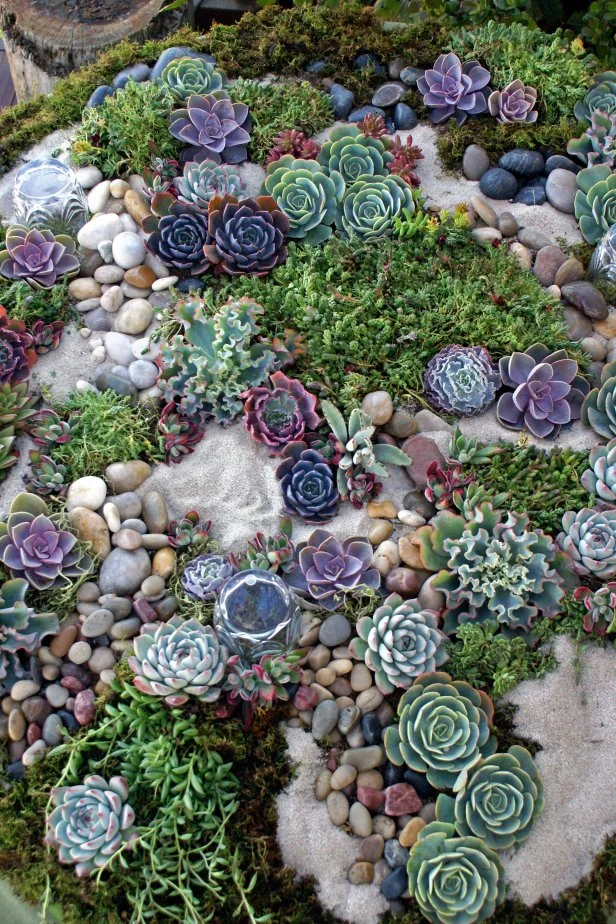
Credit: www.hgtv.com
Maintaining Your Succulent Garden
Designing a succulent garden involves selecting diverse species for texture and color. Arrange plants with varying heights for visual interest. Use well-draining soil and containers to ensure proper growth and maintenance.
Maintaining Your Succulent Garden Creating a succulent garden is only half the journey; ensuring its longevity and vibrancy is where your green thumb truly shines. The beauty of succulents lies in their low maintenance nature, yet they still require some care to thrive. By understanding key aspects of maintenance, you can enjoy a flourishing garden year-round without much hassle.Pruning And Trimming
Pruning succulents might sound daunting, but it’s simpler than you think. Regular trimming helps maintain their shape and encourages new growth. Start by identifying any dead or dying leaves. Use a sharp pair of scissors to gently remove these parts, which can improve the plant’s health and appearance. Keep an eye out for any overgrown sections that might need a trim to maintain balance in your garden. Have you ever noticed how a little trim can transform your garden? It not only keeps the succulents looking neat but also helps them focus their energy on thriving rather than surviving.Seasonal Care Tips
Succulents have different needs depending on the season. In warmer months, water them more frequently, but always ensure the soil dries out between watering. In winter, when growth slows, reduce watering to prevent root rot. Consider moving them indoors if temperatures drop significantly, as succulents prefer warmth. How does your garden fare when the seasons change? A little seasonal attention ensures your succulents remain healthy and resilient throughout the year. Incorporate these maintenance tips into your routine to keep your succulent garden a lush, vibrant space that brings joy and tranquility with minimal effort.Troubleshooting Common Issues
Designing a succulent garden involves choosing the right plants and arranging them creatively. Ensure proper drainage to prevent root rot. Use a mix of textures and colors for visual appeal.
Troubleshooting common issues in your succulent garden can be both frustrating and rewarding. You’ll learn how to tackle pests and plant diseases effectively, ensuring your garden thrives. It’s essential to address these issues quickly to maintain the health and beauty of your succulents. Let’s dive into some practical solutions.Pest Control
Pests can wreak havoc on your succulent garden. Common culprits include aphids, mealybugs, and spider mites. These pests can suck the life out of your plants, leaving them weak and unattractive. Start by inspecting your plants regularly. Look under leaves and around stems for any signs of infestation. A simple spray of water can dislodge many pests. For persistent issues, consider using insecticidal soap or neem oil, which are effective yet gentle on succulents. Creating a natural pest barrier can also help. Surround your garden with herbs like mint or lavender that repel insects. This not only keeps pests at bay but adds an aromatic touch to your garden.Identifying Plant Diseases
Diseases can silently creep into your succulent garden. Root rot is a common issue caused by overwatering. You’ll notice your plants turning mushy or discolored. To prevent this, ensure your soil drains well. Use a mix designed for succulents, or add sand and perlite to improve drainage. If root rot occurs, try removing the affected parts and replanting in fresh soil. Another disease to watch for is powdery mildew. This appears as white spots on leaves and stems. Increase air circulation around your plants and avoid overhead watering to reduce humidity, which encourages mildew growth. How do you handle setbacks in your succulent garden? Do you have a go-to solution for pest control or disease prevention? Sharing your experiences can help others tackle these common challenges.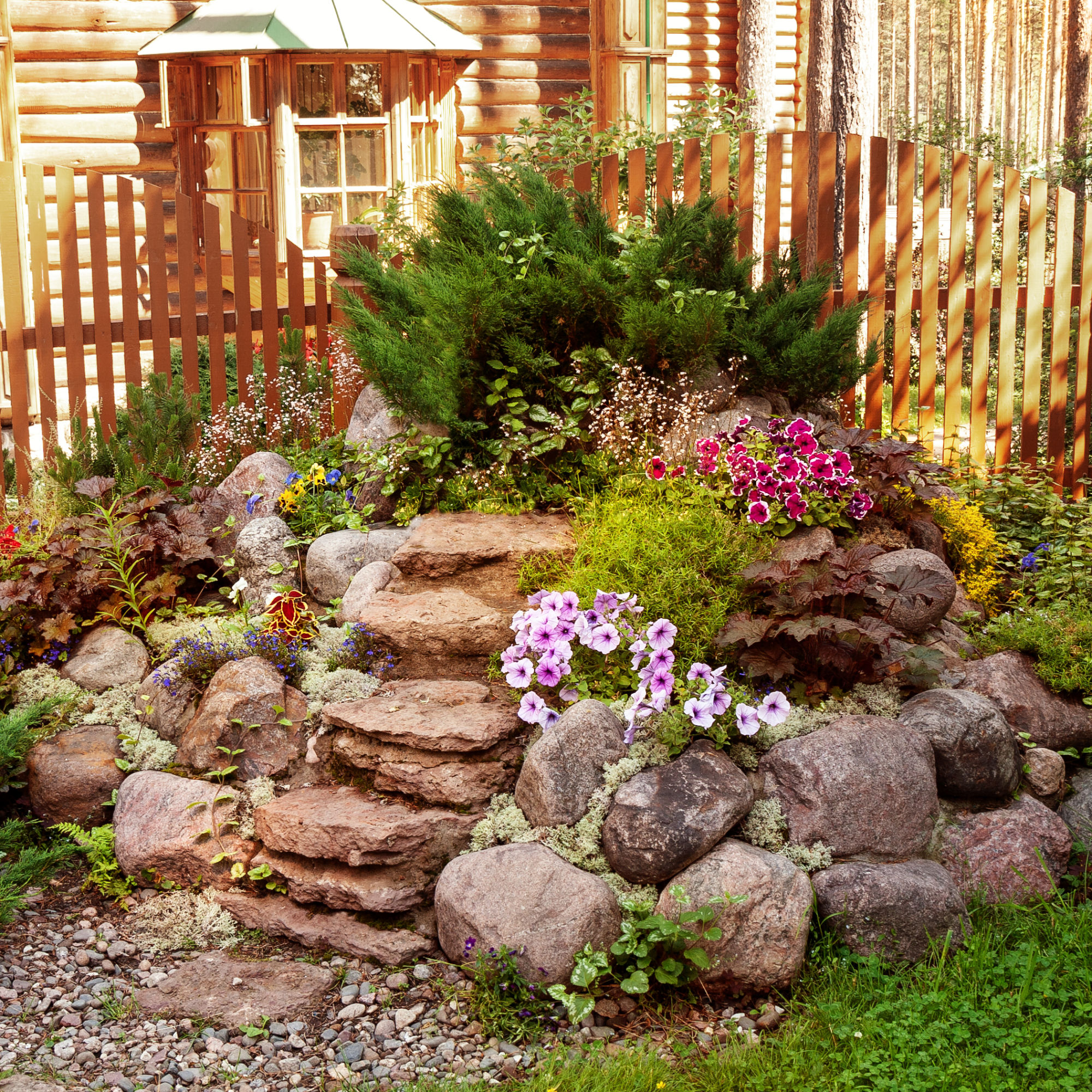
Credit: www.gardeningknowhow.com
Frequently Asked Questions
How Do I Start A Succulent Garden?
To start a succulent garden, choose a sunny location with well-drained soil. Select a variety of succulents for visual interest. Plan the layout, considering plant size and growth habits. Use containers or create raised beds for better drainage. Regularly water your succulents, but allow the soil to dry out between watering.
What Soil Is Best For Succulents?
Succulents thrive in well-draining soil. Use a mix of cactus soil or create your own blend with sand, perlite, and potting soil. This prevents root rot by ensuring proper drainage. A gritty texture helps air circulation. Avoid heavy, clay-based soils that retain moisture and can harm succulent roots.
How Often Should Succulents Be Watered?
Water succulents every 1-2 weeks, depending on the climate and season. Allow the soil to dry completely between watering. Overwatering can lead to root rot. During winter, reduce watering frequency as succulents enter dormancy. Always observe your plants for signs of underwatering or overwatering to adjust care accordingly.
Can Succulents Grow Indoors?
Yes, succulents can grow indoors with adequate sunlight. Place them near south or east-facing windows. Ensure proper drainage in pots to prevent overwatering. Rotate plants occasionally for even growth. If natural light is insufficient, use grow lights. Indoor succulents need less water compared to outdoor ones.
Conclusion
Creating a succulent garden is an enjoyable project. Easy to maintain. Perfect for beginners and seasoned gardeners alike. With careful planning, your garden can thrive. Choose the right plants for your space. Succulents need sunlight and minimal water. Arrange them in pleasing patterns.
Use different colors and textures for interest. A well-designed garden brings joy. It also adds beauty to your home. Remember to care for your plants regularly. Watch them grow and change with time. Your succulent garden will be a source of pride.
A peaceful spot to admire and relax.







