
Ever found yourself standing in the garden section of your local hardware store, staring at a tool and wondering, “Is a hoe really a garden tool?” You’re not alone.
This simple question might seem straightforward, but it opens the door to a world of gardening essentials you may not have explored yet. If you’re curious about how this age-old tool fits into your gardening arsenal and why it’s more crucial than you might think, keep reading.
We’ll dive into the hoe’s history, its uses, and how it can transform your gardening experience. By the end of this article, you’ll not only have the answer but a newfound appreciation for this humble tool. Let’s dig into it together!
Historical Background
The hoe is a simple yet essential garden tool. Its history is rich and fascinating. This tool has been around for centuries. It plays a crucial role in agriculture worldwide. Understanding its history helps us appreciate its importance today.
The Origins Of The Hoe
The hoe’s origins trace back to ancient times. Early versions were made of wood and stone. These primitive hoes were vital for early farming societies. They helped in breaking up soil and removing weeds.
Evolution Through The Ages
Over time, the hoe evolved significantly. Metal blades replaced stone and wood. This advancement made it more durable and effective. During the Iron Age, hoes became even more common. People relied on them for better crop yields.
The Hoe In Different Cultures
Different cultures adapted the hoe to their needs. In Asia, unique hoe designs emerged for rice farming. In Africa, variations suited dry farming conditions. Each culture’s hoe reflected its agricultural practices.
Modern-day Hoe
Today, the hoe remains a gardener’s staple. Modern materials like steel and plastic enhance its efficiency. It continues to be a versatile tool in gardens and fields. Though simple, its impact is profound.
Types Of Hoes
A hoe is indeed a garden tool. There are different types like draw hoes, stirrup hoes, and scuffle hoes. Each type serves unique functions, from breaking soil to removing weeds. Gardeners choose based on their specific gardening needs.
When you think of gardening, the hoe might not be the first tool that comes to mind, but its versatility and efficiency make it indispensable. Hoes come in various shapes and sizes, each designed for specific tasks in your garden. Understanding the different types can help you choose the right one for your gardening needs.Draw Hoes
Draw hoes are your traditional hoes, easily recognizable by their flat, rectangular blades. They are perfect for breaking up soil and creating furrows for planting. Have you ever tried to tackle a stubborn patch of weeds? With a draw hoe, you can effortlessly slice through the roots and clear them away. Their design allows you to pull the soil towards you, making it easier to control your movements.Scuffle Hoes
Scuffle hoes are game-changers when it comes to weeding. Unlike draw hoes, their blades are designed to work just below the soil surface, cutting weeds from their roots in a back-and-forth motion. This makes them perfect for maintaining larger areas with minimal effort. Imagine gliding through your garden, eliminating weeds without the back-breaking work. It’s like giving your garden a smooth shave.Stirrup Hoes
Stirrup hoes, also known as loop hoes, have a distinctive stirrup-shaped blade that oscillates as you work. This design allows for efficient weed removal while minimizing soil disturbance. Have you ever noticed how some weeds seem to come back stronger after pulling them out? The stirrup hoe tackles this by slicing weeds off cleanly, reducing their chances of regrowth. They are especially useful in tightly planted areas where precision is key. Choosing the right hoe can make your gardening tasks more enjoyable and efficient. Next time you’re planning a garden project, consider which type of hoe might best suit your needs. Your garden will thank you!Primary Uses In Gardening
A hoe is an essential garden tool for shaping soil, removing weeds, and cultivating plants. It efficiently breaks up soil clumps and aerates the ground, promoting healthier plant growth. This versatile tool is ideal for preparing seedbeds and maintaining garden beds.
The hoe is an indispensable garden tool, recognized for its versatility and effectiveness. If you’ve ever found yourself in the midst of garden chaos, you might have reached for a hoe without even realizing its full potential. Let’s dive into its primary uses in gardening, where you’ll discover how this simple tool can transform your gardening experience.Soil Preparation
Preparing your soil is akin to laying a strong foundation for a building. A hoe helps you break up compacted soil, making it easier for roots to penetrate. You can use it to mix in compost or fertilizers, ensuring nutrients are evenly distributed. Imagine the satisfaction of watching your plants thrive in well-prepared soil. Have you noticed how a well-prepared garden bed enhances plant growth?Weed Control
Weeds are the persistent enemies of a gardener, often popping up when least expected. The hoe is your trusty sidekick in the battle against these unwelcome guests. With a few swift movements, you can uproot weeds before they steal nutrients from your plants. Consider the relief of a weed-free garden, where your plants can bask in the sunlight without competition. How much time could you save by keeping your garden weed-free with regular hoeing?
Credit: www.amazon.com
Benefits Of Using A Hoe
When it comes to gardening, the hoe is an unsung hero. This versatile tool has been assisting gardeners for centuries, but why is it so indispensable? The benefits of using a hoe go beyond mere soil cultivation. It can enhance your gardening experience, making it more efficient and rewarding.
Efficiency In Labor
Using a hoe can drastically reduce the physical strain of gardening tasks. Instead of bending over to pull weeds by hand, you can stand upright and use the hoe to break up soil and remove unwanted plants. This not only saves time but also minimizes back pain and fatigue. Have you ever spent hours pulling weeds only to find them sprouting again in a week? With a hoe, you can target the roots directly and make your efforts last longer.
Soil Health Improvement
Regular use of a hoe can promote better soil health. By loosening the soil, it allows air and water to penetrate more effectively, which is essential for plant growth. Improved soil aeration can lead to healthier roots and, subsequently, more robust plants. Imagine the difference in your garden’s productivity when your plants have easy access to the nutrients they need. A hoe can be your secret weapon to achieving this.
Choosing The Right Hoe
Choosing the right hoe for your garden can make all the difference. Each type of hoe serves a specific purpose. Understanding the materials and design helps in picking the best one for your needs. Let’s delve into the key factors that will guide you to a suitable choice.
Material Considerations
The material of the hoe impacts its durability and weight. Common materials include steel and aluminum. Steel hoes are strong and can handle tough soil. Aluminum is lighter, making it easy to maneuver. Consider the type of soil in your garden. Heavy clay soil might require the strength of steel. Sandy or light soil could benefit from the lightweight nature of aluminum.
Handle Length And Grip
Handle length affects how you work in the garden. A longer handle is great for reaching far areas without bending much. Shorter handles offer more control for close work. The grip is another crucial aspect. A comfortable grip reduces strain on your hands. Look for handles with rubber or foam grips. They offer comfort and reduce slipping.
Credit: www.amazon.com
Maintenance Tips
A hoe is a versatile garden tool used for weeding and cultivating soil. Keep it sharp for effective use. Store it in a dry place to prevent rust and ensure longevity.
Maintaining your garden hoe ensures its longevity and effectiveness. Regular upkeep prevents rust and keeps the tool sharp. Follow these simple maintenance tips for a reliable and efficient garden hoe.Cleaning Techniques
Clean your hoe after each use. Remove soil and plant residue with a wire brush. Rinse with water to wash away remaining dirt. Dry the hoe with a cloth to prevent rust. Store in a dry place to maintain its condition.Sharpening Blades
A sharp hoe makes gardening easier. Use a mill file for sharpening. Hold the hoe steady and file at a 45-degree angle. File in one direction for a smooth edge. Test sharpness on a piece of wood. Repeat sharpening regularly for best results.Modern Innovations
Exploring modern innovations in gardening, the hoe remains a vital tool. Its design helps break soil and remove weeds efficiently. This simple tool supports both traditional and contemporary gardening methods effectively.
Modern gardening tools have evolved significantly, and the humble hoe is no exception. With advancements catering to the needs of both hobbyists and professional gardeners, today’s hoes are more efficient and user-friendly. From ergonomic designs that ensure comfort to multifunctional tools that save time, modern hoes are a gardener’s best friend.Ergonomic Designs
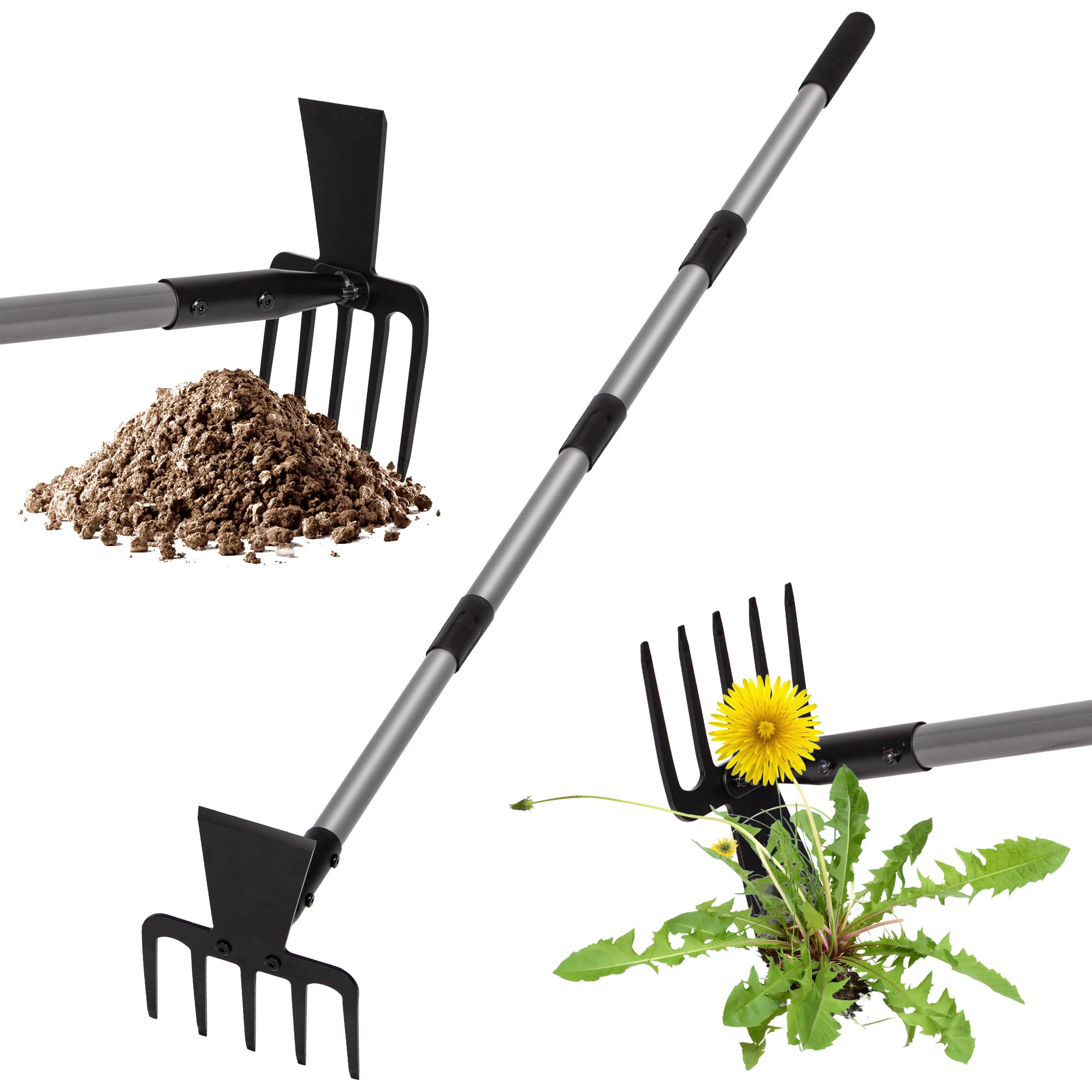
Ergonomic designs are a game-changer for those long gardening sessions. Have you ever felt that soreness in your back after a day in the garden? With specially designed handles and lightweight materials, modern hoes minimize strain and maximize comfort. These designs often include adjustable handles. This allows you to customize the length to your height, reducing unnecessary bending. A friend of mine swears by her ergonomic hoe, claiming it feels like an extension of her own arm, making weeding an enjoyable task rather than a chore.Multifunctional Hoes
Today’s hoes often combine multiple functions into one tool, saving you both space and money. Imagine having a hoe that not only weeds but also aerates and tills the soil. This versatility means you can switch tasks without having to swap tools. Consider the hoe with interchangeable heads. You can easily switch from a traditional blade to a forked head. This adaptability is perfect for those with limited storage space in their garden shed. With multifunctional hoes, you’re not just buying a tool; you’re investing in convenience and efficiency. Are you ready to upgrade your gardening arsenal with these modern innovations?Alternative Uses
Hoe, traditionally a garden tool, finds alternative uses in various tasks. Ideal for breaking soil or removing weeds, it can also assist in mixing concrete or scraping surfaces. Its versatility extends to crafting projects, helping shape and carve materials with precision.
Alternative Uses A hoe is not just for weeding. This versatile tool can do much more. Many gardeners and landscapers use it for various purposes. Its simple design makes it adaptable. Let’s explore some unique uses of a hoe.Landscaping Applications
A hoe can create garden beds. It helps in shaping the soil. You can also use it to define edges. This makes your garden look neat. A hoe can spread mulch evenly. This keeps the soil moist. It also prevents weed growth.Cultural Practices
In some cultures, a hoe has symbolic meanings. It’s used in traditional ceremonies. It may represent hard work or harvest. People use it in dances too. In art, a hoe can appear in paintings. It often symbolizes agriculture. Its presence is a nod to history and culture.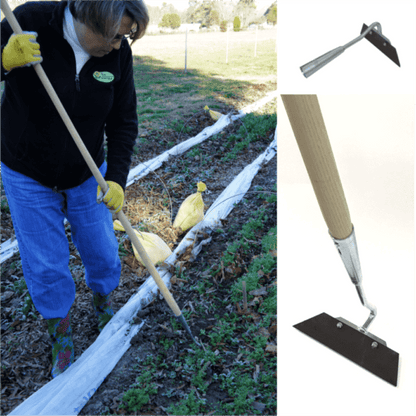
Credit: thegardenersworkshop.com
Frequently Asked Questions
What Is A Hoe Used For In Gardening?
A hoe is a versatile garden tool used for weeding, cultivating soil, and shaping garden beds. Its flat blade makes it ideal for breaking up soil, removing weeds, and creating furrows for planting. Gardeners often use hoes to maintain their garden’s health and appearance efficiently.
How Do You Maintain A Garden Hoe?
To maintain a garden hoe, regularly clean the blade with water and dry it thoroughly. Sharpen the blade using a file or whetstone to ensure efficiency. Store the hoe in a dry place to prevent rust and inspect the handle for cracks, replacing it if necessary.
What Are The Different Types Of Garden Hoes?
Garden hoes come in various types, including draw hoes, scuffle hoes, and Dutch hoes. Draw hoes are used for breaking up soil and shaping beds. Scuffle hoes are ideal for cutting weeds at the soil surface. Dutch hoes are designed for pushing and pulling actions to remove weeds.
Can A Hoe Help Prevent Weed Growth?
Yes, a hoe can effectively prevent weed growth by cutting weeds at the root level. Regular hoeing disrupts weed seedlings, preventing them from taking hold. Using a hoe reduces the need for chemical herbicides and promotes a healthier garden environment.
Conclusion
A hoe is indeed a vital garden tool. It helps in soil cultivation. Weeding becomes easier with a hoe. Garden beds stay tidy and healthy. Choose a hoe that suits your needs. Consider the size and type of your garden.
Regular use of a hoe promotes plant growth. It saves time and effort in gardening. A simple tool with many benefits. Perfect for maintaining your garden’s beauty. Keep your garden flourishing with this essential tool.







