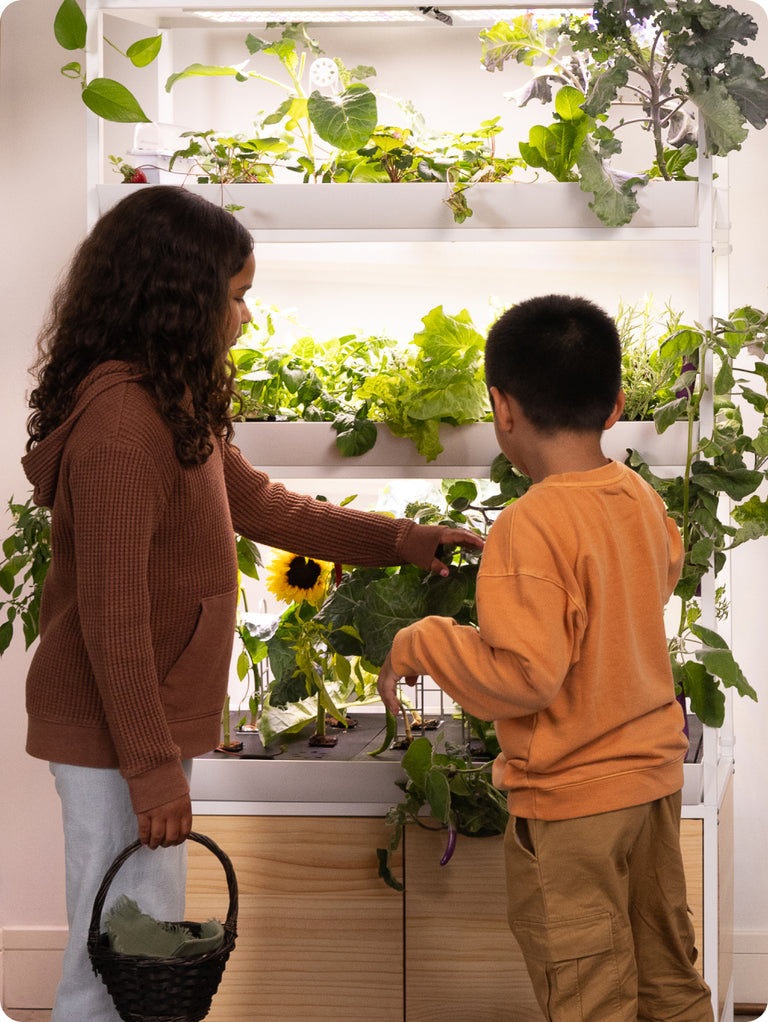
Imagine turning a corner of your home into a vibrant oasis where your kids can explore the wonders of nature. An indoor garden grow center for kids is not only a fun and creative project but also an educational tool that nurtures curiosity and responsibility.
You might be wondering how to start, and that’s exactly what this guide is here for. By the end, you’ll have all the insights and tips needed to transform a simple space into a thriving garden that captivates young minds.
Ready to dive into the world of indoor gardening with your little ones? Let’s get started!
Benefits Of Indoor Gardening For Kids
Indoor gardening offers kids a hands-on way to learn about plants. It encourages responsibility and patience through daily care. Creating a grow center at home can spark curiosity and boost creativity.
Indoor gardening is more than just a fun activity for kids. It’s an opportunity to teach them about nature, responsibility, and even science. When children engage in growing plants indoors, they gain numerous benefits that extend beyond the garden itself. It’s a hands-on learning experience that fosters curiosity and creativity in young minds.Improves Responsibility And Patience
When kids tend to their indoor garden, they’re learning about responsibility in a tangible way. They have to water, nurture, and care for their plants regularly. This requires patience, as plants don’t grow overnight. Watching a seed sprout and develop over time teaches them that good things come to those who wait and work diligently.Enhances Scientific Understanding
Indoor gardening is a fantastic way to introduce kids to basic scientific concepts. They can observe how light, water, and soil affect plant growth. You can encourage them to experiment with different variables, like the amount of sunlight or water, to see how it impacts their plants. This hands-on experimentation can spark a lifelong interest in science and nature.Encourages Healthy Eating Habits
Growing their own vegetables or herbs can make kids more interested in trying new foods. When a child nurtures a tomato plant from a seedling to a fruit-bearing plant, they’re often more willing to taste the fruits of their labor. This can be a gateway to healthier eating habits, as they appreciate the freshness and flavor of homegrown produce.Boosts Emotional Well-being
Gardening can be a calming activity, helping to reduce stress and anxiety. The act of caring for plants and watching them grow can be rewarding and satisfying. It provides a sense of accomplishment and boosts a child’s confidence. Have you noticed how a child beams with pride when their plant finally flowers or bears fruit?Promotes Environmental Awareness
Through indoor gardening, children become more aware of their environment. They learn about the importance of plants and how they contribute to our ecosystem. This awareness fosters a sense of responsibility towards the planet, encouraging eco-friendly practices from a young age. Encouraging kids to engage in indoor gardening offers them a multitude of benefits that extend well beyond the confines of your home. By fostering a connection with nature, you’re not just growing plants; you’re nurturing a generation that values the environment and understands the importance of sustainability. So, are you ready to help your child cultivate both plants and invaluable life skills?
Credit: gogreenaquaponics.com
Choosing The Right Space
Creating a vibrant indoor garden center for kids starts with selecting a well-lit space. Ensure easy access and visibility for children. Opt for areas with natural light, such as near windows, to foster plant growth and spark curiosity.
Choosing the right space for an indoor garden grow center is essential. A well-chosen location can ensure plants thrive. Consider accessibility, temperature, and natural light. Each factor plays a crucial role in plant growth. Here’s how to pick the ideal spot.Finding A Suitable Location
Identify an area with enough room for your garden. The space should fit your plants and tools. Keep it clutter-free for easy maintenance. Check if the area can handle water spills. Proper ventilation is also necessary to prevent mold. A basement, kitchen corner, or sunny window can be ideal.Lighting Considerations
Light is vital for plant growth. Choose a location with natural sunlight. South-facing windows usually get the most light. If natural light is scarce, consider artificial lights. LED grow lights are energy-efficient and effective. Position lights at the right height for even growth. Adjust as plants grow taller.Selecting Plants For Indoor Gardens
Creating an indoor garden grow center for kids is a fun project. Selecting the right plants is crucial. The plants should be easy to care for and safe. This will ensure a successful gardening experience for children. Below are some kid-friendly options and easy-to-care-for varieties.
Kid-friendly Plant Options
Children are curious and love exploring. Choose plants that are safe for them. Here are some excellent choices:
- Spider Plant:This plant is non-toxic and has interesting leaves.
- Herbs like Basil or Mint:These are safe and smell nice.
- Succulents:They come in various shapes and are safe.
- Marigolds:Bright colors make them appealing to kids.
Easy-to-care-for Varieties
Children need plants that are simple to maintain. Choose varieties that require minimal care.
- Pothos:This plant can thrive in low light.
- Peace Lily:It needs minimal sunlight and water.
- Aloe Vera:Water it sparingly and watch it flourish.
- Snake Plant:It is hardy and tolerates neglect.
These plants are perfect for young gardeners. They will learn responsibility and enjoy the beauty of nature. Make the indoor garden a place of wonder and learning.
Gathering Essential Supplies
Gather basic tools like pots, soil, and seeds for your indoor garden. Ensure you have adequate lighting and a watering can. Kids will enjoy the process of setting up their own grow center.
Creating an indoor garden grow center for kids begins with gathering essential supplies. This step lays the foundation for a successful gardening experience. Selecting the right materials is crucial to ensure plants thrive in their indoor environment. Kids can learn about plant care and responsibility through this exciting project.Containers And Pots
Choosing the right containers is vital for healthy plant growth. Pots should have drainage holes to prevent waterlogging. Consider the size of the plant when selecting pots. Smaller plants need smaller containers, while larger plants require more space. Plastic, ceramic, and metal are popular choices, each offering different benefits. Plastic pots are lightweight and affordable, ceramic pots are durable, and metal pots add a modern touch.Soil And Fertilizers
Quality soil provides nutrients essential for plant health. Look for soil mixes designed for indoor gardening. These often contain peat moss, vermiculite, and perlite. Fertilizers boost plant growth by providing additional nutrients. Organic options are safe for kids and the environment. Compost or worm castings enrich the soil naturally. Liquid fertilizers are easy to apply and quickly absorbed.Tools And Equipment
Basic gardening tools make the planting process easier. A small trowel is perfect for digging and planting. Watering cans with narrow spouts allow precise watering without spilling. Pruning shears help maintain plant shape and remove dead leaves. For kids, consider tools with smaller handles. Brightly colored tools can make gardening fun and engaging.Creating A Fun Planting Activity
Building an indoor garden grow center for kids is an exciting way to teach them about nature. Gather simple materials like pots, soil, and seeds. Set up a sunny spot at home and let kids plant and water their seeds.
Watch their excitement as the plants grow.
Creating a Fun Planting Activity Engage children with a lively indoor gardening activity. Cultivate their curiosity and teach them about nature. Transform this process into an enjoyable learning experience. Indoor gardening can be a delightful adventure for young minds. Begin with choosing colorful pots and easy-to-grow plants. Encourage kids to explore different textures and scents.Step-by-step Planting Instructions
- Pick seeds or seedlings that are child-friendly.
- Prepare soil in pots or containers.
- Show kids how to plant seeds with care.
- Explain watering techniques to maintain moisture.
- Place pots in a sunny spot for optimal growth.
Incorporating Educational Elements
Introduce scientific concepts in simple ways. Discuss plant parts and their functions. Explain how sunlight helps plants grow. Use charts to show growth stages. Connect gardening with environmental awareness. Highlight the importance of taking care of nature. Make learning interactive. Use books or videos about gardening. Create a journal for kids to track progress. This integrates learning with real-life practice. Kids will absorb knowledge while having fun. It sparks curiosity and encourages exploration.
Credit: minigardenguru.com
Maintaining The Indoor Garden
Building an indoor garden for kids involves selecting easy-to-grow plants and creating a fun, interactive space. Choose bright containers and ensure proper lighting to spark their curiosity. Regular watering and simple care instructions can help kids learn and enjoy gardening indoors.
Maintaining an indoor garden grow center for kids can be a rewarding experience. It teaches responsibility and the basics of plant care. Keeping the garden healthy requires consistent attention. This ensures that plants thrive and kids learn valuable skills.Watering Schedule
Setting a regular watering schedule is crucial. Most indoor plants need watering every few days. Check the soil moisture with your finger. If it feels dry, it’s time to water. Use a small watering can for ease. Teach kids to water gently to avoid spilling. Overwatering can harm the plants, so moderation is key.Pest Management
Indoor gardens can attract pests like aphids or spider mites. Regular inspection helps catch problems early. Look for signs like yellowing leaves or sticky residue. Use child-friendly pest control solutions. Neem oil or insecticidal soap can be effective. Encourage kids to gently wipe leaves with a damp cloth. This helps keep pests at bay.Regular Care Tips
Consistent care keeps the garden thriving. Rotate plants to ensure even sunlight exposure. Remove dead leaves to promote growth. Use a soft brush or cloth to dust leaves. This helps plants absorb more light. Teach kids to observe plant growth and changes. Engaging with the garden daily fosters a sense of accomplishment.Engaging Kids With Garden Projects
Create a fun indoor garden grow center with kids. Use simple materials to build and nurture plants. This project encourages learning about nature and responsibility while enjoying quality time together.
Engaging kids with garden projects is a delightful way to spark their curiosity and teach them about nature. The joy of watching a seed grow into a plant can be incredibly rewarding and educational. Creating an indoor garden grow center for kids transforms gardening into an adventure filled with creativity and learning.Diy Garden Decorations
One of the most exciting parts of gardening is decorating the space. Encourage your kids to create their own garden decorations using simple materials like painted rocks, handmade plant markers, or colorful pots. Let their imagination run wild—perhaps they can craft a fairy garden or dinosaur jungle. These personal touches make the garden uniquely theirs and give them a sense of ownership and pride. Involve them in choosing themes or colors for their decorations. This way, they can express themselves creatively and feel even more connected to their garden.Seasonal Gardening Activities
Gardening activities can change with the seasons, offering new learning opportunities throughout the year. In spring, consider planting fast-growing seeds like radishes or sunflowers, which can provide quick results to keep their interest piqued. During summer, try growing herbs or vegetables that can be used in family meals, linking gardening to cooking. As fall approaches, explore planting bulbs or creating leaf art using fallen foliage. In winter, experiment with indoor plants like succulents that need minimal sunlight. This seasonal approach keeps gardening exciting and varied, while teaching kids about the cycles of nature. Engaging kids with gardening projects is more than just a pastime; it’s a chance to foster a lifelong appreciation for nature. How will you inspire your child’s green thumb today?Tracking Growth And Progress
Creating an indoor garden grow center for kids encourages learning and responsibility. Kids can track plant growth, observing changes and progress over time. This hands-on experience enhances their understanding of nature and science.
Building an indoor garden grow center with your kids is a delightful adventure that goes beyond planting seeds. It’s about nurturing curiosity and observing the magic of growth. Tracking growth and progress can be an exciting part of this journey. It helps young gardeners understand the life cycle of plants and instills a sense of responsibility. Here’s how you can make tracking growth an engaging activity for your kids.Keeping A Garden Journal
Encourage your kids to start a garden journal. It can be as simple as a notebook or an artistic scrapbook filled with drawings and observations. Ask them to write down the planting date, type of seed, and any changes they notice over time. This activity not only enhances their writing skills but also makes them keen observers of nature. A garden journal is a wonderful keepsake. As your kids flip through the pages, they’ll be amazed at how much their plants have changed. It’s a great conversation starter and a beautiful way to document their gardening journey.Measuring Plant Growth
Introduce your kids to the concept of measuring plant growth. Use a ruler or a measuring tape to track the height of the plants every week. Create a simple table in their journal to record the measurements. This could look like:| Week | Plant Height (cm) |
|---|---|
| 1 | 2 cm |
| 2 | 5 cm |
| 3 | 8 cm |
Encouraging Responsibility And Patience
Creating an indoor garden grow center for kids fosters responsibility and patience. They learn to care for plants, understanding growth takes time. Watching seedlings thrive instills a sense of achievement, encouraging ongoing commitment and nurturing skills.
Building an indoor garden grow center for kids is not only a fun project, but it’s also a fantastic way to teach them valuable life skills like responsibility and patience. As they nurture plants and watch them grow, children learn the importance of taking care of living things and understand that growth takes time and effort. This experience can be transformative, helping them develop a sense of ownership and pride in their work.Assigning Garden Tasks
Start by giving each child specific tasks that they can manage. This helps them feel responsible for their part of the garden. You might assign watering, planting seeds, or checking for pests. Make sure tasks are age-appropriate so they can perform them confidently. Encourage them to keep a journal to track their progress, jotting down any observations or changes they see in their plants. This can spark curiosity and lead to more questions about plant life cycles.Celebrating Achievements
Celebrate every little success to keep their motivation high. Did a seed sprout? That’s cause for celebration! Consider creating a chart to mark milestones like the first leaf or flower. Reward them with stickers or small treats to recognize their hard work. You can also host a mini garden party to showcase their plants, inviting friends or family to admire their efforts. This can be a great boost to their confidence and make them feel proud of their achievements. How do you plan to nurture patience in your children through gardening?
Credit: www.familyhandyman.com
Frequently Asked Questions
What Plants Are Best For Kids’ Indoor Gardens?
When choosing plants for kids’ indoor gardens, opt for easy-to-grow varieties like herbs, succulents, or small flowering plants. These plants are low-maintenance, visually appealing, and safe for children. Herbs like basil or mint can also be educational, teaching kids about plant care and cooking.
How Can Kids Help In The Garden Setup?
Kids can assist in choosing plants, organizing pots, and watering. Involving them in soil preparation and seed planting makes the process educational. Encourage creativity by letting them decorate plant containers. This hands-on involvement can boost their interest in gardening and enhance their learning experience.
What Materials Are Needed For A Grow Center?
To build an indoor garden grow center, you’ll need pots, soil, seeds, and grow lights. Ensure the setup is safe and accessible for kids. Include tools like small watering cans and child-friendly gloves. These materials create a functional and engaging gardening space for children.
How Do Indoor Gardens Benefit Children?
Indoor gardens teach kids responsibility and patience. They learn about plant growth and environmental care. Gardening can improve focus and reduce stress. It also enhances creativity as they design their garden space. This activity promotes healthier lifestyle choices and environmental awareness from a young age.
Conclusion
Creating an indoor garden grow center for kids is rewarding. It nurtures their love for plants. Kids learn responsibility and patience through gardening. It’s a fun and educational activity. You can start small with easy plants. Herbs and small veggies work well.
Involve kids in every step. Let them choose seeds and water plants. Watch their excitement as plants grow. This project builds lasting family memories. Plus, it adds fresh greenery to your home. Ready to start your garden adventure? Enjoy the smiles and blooms along the way!







