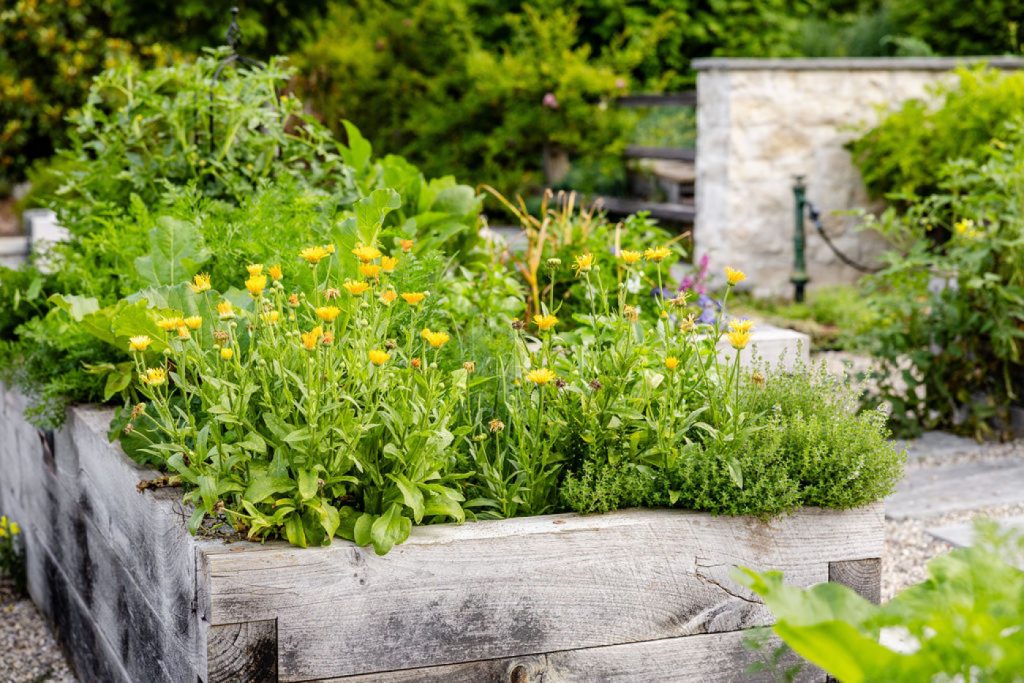
Imagine stepping into your garden and being greeted by a vibrant display of colors and scents. Did you know that you can achieve this by planting flowers right alongside your vegetables?
Mixing flowers with your veggies isn’t just about adding beauty; it can also boost your garden’s health and productivity. You might be wondering how this works and why it’s beneficial. Well, you’re about to discover the secrets that seasoned gardeners have been using for years.
This simple tweak can transform your gardening experience, making it more rewarding and enjoyable. Ready to uncover how your vegetable garden can flourish with flowers? Let’s dive into the exciting possibilities that await you!
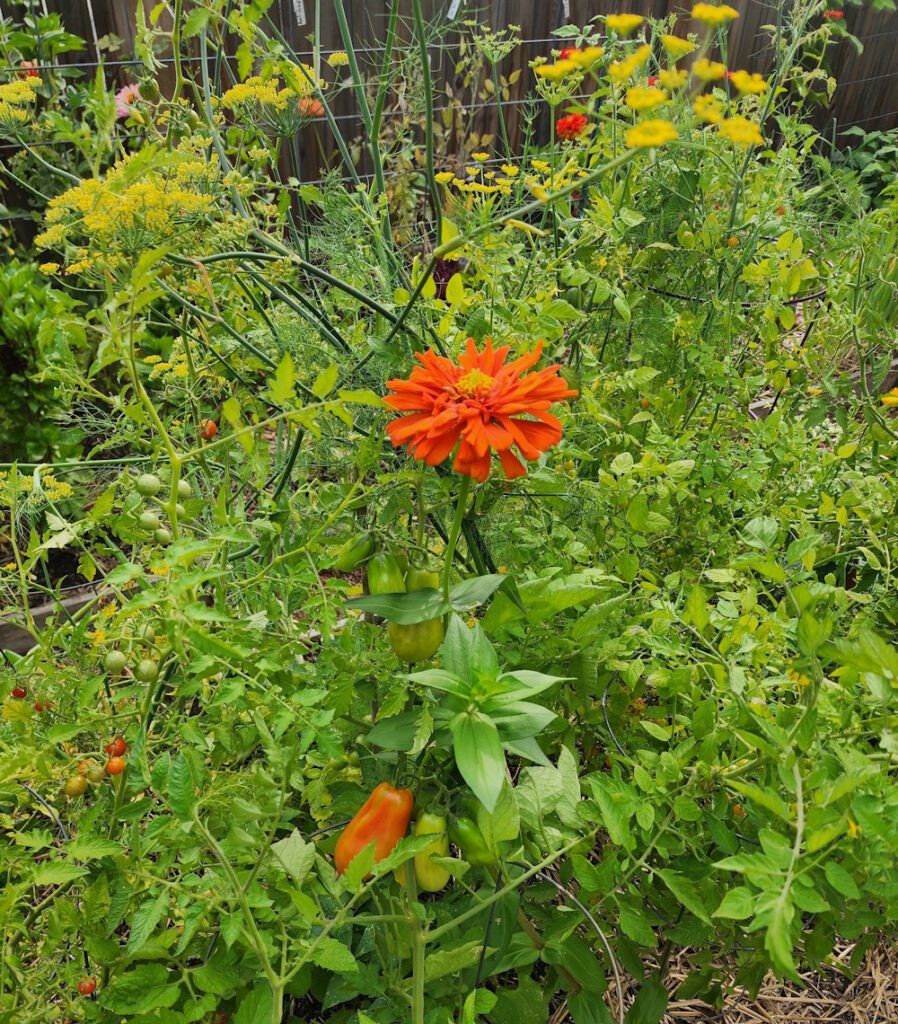
Credit: thecoeurdalenecoop.com
Benefits Of Mixing Flowers And Vegetables
Planting flowers in a vegetable garden can boost pollination and repel pests naturally. It enhances beauty while improving plant health, leading to a thriving garden ecosystem.
Mixing flowers and vegetables in a garden offers numerous benefits. This practice enhances the beauty and productivity of your garden. It combines aesthetics and functionality, creating a vibrant and healthy space.1. Natural Pest Control
Certain flowers repel harmful insects naturally. Marigolds, for example, deter nematodes. Nasturtiums attract aphids away from vegetables. This reduces the need for chemical pesticides.2. Improved Pollination
Flowers attract bees and other pollinators. More pollinators mean better fruit and vegetable yields. Sunflowers and zinnias are excellent choices for attracting pollinators.3. Enhanced Soil Health
Flowers can improve soil health. Some, like clover, fix nitrogen in the soil. This benefits nearby vegetables by enriching the soil with nutrients.4. Increased Biodiversity
A mix of flowers and vegetables creates biodiversity. This strengthens the garden ecosystem. A diverse garden is more resilient to diseases and pests.5. Visual Appeal
Flowers add color and beauty to the vegetable garden. They create a pleasing environment that encourages relaxation and enjoyment. Bright blooms can make a garden more inviting.6. Space Optimization
Flowers and vegetables can grow together in limited spaces. Use vertical planting methods to maximize your space. This allows for a more efficient use of garden areas.Companion Planting Basics
Planting flowers in a vegetable garden creates a vibrant ecosystem. Flowers attract beneficial insects, improving pollination and pest control. This enhances vegetable growth while adding beauty to the garden.
Planting flowers in a vegetable garden might seem unusual, but it’s a smart move. This practice, known as companion planting, involves growing certain plants together to enhance growth, deter pests, and improve flavor. It’s about creating a harmonious environment where your flowers and vegetables thrive side by side.Understanding Plant Relationships
Plants interact in fascinating ways. Some emit scents that repel pests, while others attract beneficial insects. For instance, marigolds can deter nematodes and aphids, making them perfect neighbors for tomatoes. Understanding these relationships helps you design a garden that’s not just beautiful but also productive. Have you considered the benefits of letting flowers and vegetables support each other?Choosing Compatible Species
Selecting the right plants is crucial. You want species that complement each other, not compete. Basil, for example, can enhance the flavor of tomatoes while repelling mosquitoes. Nasturtiums can act as a trap crop, luring pests away from your prized veggies. Make a list of your favorite vegetables and research which flowers can be their best companions. What unexpected pairings might boost your garden’s success this season? Companion planting isn’t just a gardening technique; it’s a strategy for creating a more resilient and vibrant garden. By understanding plant relationships and choosing compatible species, you can create a garden that thrives naturally.Enhancing Pollination With Flowers
Integrating flowers into a vegetable garden can boost pollination. Flowers attract helpful insects, which leads to better pollination. This results in healthier plants and more produce. The synergy between flowers and vegetables is beneficial.
Attracting Beneficial Insects
Flowers draw pollinators like bees and butterflies. They are vital for pollination. These insects visit flowers, then move to vegetables. This transfer helps pollinate vegetable blooms. Pollinators increase the chances of fruit development.
Ladybugs and lacewings are attracted to flowers too. They help control pests in the garden. These insects eat aphids and other harmful bugs. By inviting them, your plants stay healthy. Flowers create a balanced ecosystem.
Increasing Vegetable Yield
Pollinated vegetables produce more fruits. The presence of flowers ensures better pollination. This leads to higher yields. Tomatoes, cucumbers, and peppers benefit greatly. When pollination improves, so does the harvest.
Flower diversity enriches soil health. Different flowers support different soil microbes. Healthy soil promotes stronger vegetable growth. This results in a more abundant garden. The interplay of flowers and vegetables is effective.

Credit: www.tiktok.com
Pest Control Advantages
Planting flowers in a vegetable garden can naturally deter pests. Certain flowers repel harmful insects, reducing the need for chemical treatments. This method supports a healthier and more eco-friendly garden environment.
Planting flowers in a vegetable garden is not just about adding a splash of color. It’s a smart strategy for pest control. Flowers can play a vital role in keeping your vegetable garden healthy and thriving. They attract beneficial insects and deter harmful ones, effectively balancing the ecosystem of your garden.Natural Deterrents
Planting flowers like marigolds and nasturtiums can naturally deter pests. These flowers emit scents that many unwanted insects find unattractive. By adding these to your garden, you create a natural barrier against pests without using chemicals. Lavender and chrysanthemums are also great options. They repel pests like mosquitoes and aphids. Imagine enjoying a pest-free garden with just the addition of a few beautiful blooms!Balancing Ecosystem
Incorporating flowers into your garden helps maintain a balanced ecosystem. They attract pollinators such as bees and butterflies, which are essential for vegetable production. A garden buzzing with activity is a healthy garden. Flowers also invite predatory insects like ladybugs and lacewings. These beneficial insects feed on harmful pests. By encouraging their presence, you reduce the need for artificial pest control methods. Have you considered how flowers might change the dynamics of your garden? By introducing the right plants, you can create a harmonious environment where vegetables and flowers thrive together.Aesthetic And Functional Design
Integrating flowers into a vegetable garden can enhance its beauty and functionality. This approach blends visual charm with practical benefits, creating a harmonious space. Flowers can deter pests, attract pollinators, and maximize garden space effectively.
Creating Visual Appeal
Flowers bring vibrant colors to your vegetable garden. They create stunning contrasts with green vegetables, adding depth and interest. Choose flowers that bloom at different times for continuous beauty. Mixing heights and textures can create dynamic visual layers. Use flowers to outline paths or borders for structured elegance.
Maximizing Space Efficiency
Flowers can optimize garden space by growing vertically or in compact areas. Companion planting with vegetables helps utilize every inch efficiently. Tall flowers can provide shade for heat-sensitive vegetables. Use small flowering plants to fill gaps between larger vegetable plants. This strategic planting ensures a productive and attractive garden.
Selecting The Right Flower Varieties
Planting flowers in a vegetable garden can enhance beauty and boost pollination. Choose flowers that attract beneficial insects. Opt for varieties that coexist well with vegetables, ensuring a harmonious garden ecosystem.
Selecting the right flower varieties for your vegetable garden can transform it into a vibrant, multifunctional space. Flowers not only add a splash of color but also offer benefits like attracting pollinators and deterring pests. Choosing the right flowers requires consideration of their growth patterns and how they complement your vegetables.Annuals Vs. Perennials
Annuals complete their life cycle in one growing season, making them perfect for those who like to change up their garden each year. They provide vibrant blooms and can fill gaps quickly. Marigolds, for example, are excellent for deterring pests and are a popular choice in vegetable gardens. Perennials, on the other hand, come back year after year, providing a reliable burst of color and structure. They require less maintenance over time. Consider planting lavender, which not only attracts beneficial insects but also has a calming scent.Color And Growth Considerations
Think about the color palette of your garden. Bright, bold colors can attract pollinators like bees and butterflies, essential for a thriving vegetable garden. Nasturtiums are a great choice; they’re not only beautiful but also edible. Growth habits are equally important. Ensure that taller flowers don’t overshadow your vegetables, which need sunlight to grow. Sunflowers can be a striking addition without blocking too much light if placed strategically. Have you ever thought about how the height and spread of flowers could impact your vegetable yield? Balancing aesthetics with functionality is key. Remember, a thoughtfully designed garden can be both productive and a feast for the eyes.Seasonal Planting Strategies
Integrating flowers within a vegetable garden can enhance its beauty and attract beneficial insects. This strategy promotes pollination and deters pests naturally, creating a harmonious ecosystem.
Planting flowers in a vegetable garden can be a delightful strategy, bringing beauty and practicality to your space. Seasonal planting strategies can help you maximize the benefits of this approach. By choosing the right flowers for each season, you can enhance pollination, control pests, and even improve soil health. Let’s dive into how you can effectively combine flowers with your vegetables throughout the year.Spring And Summer Choices
In spring and summer, your garden is a canvas ready for vibrant colors. Marigolds are a fantastic choice; their bright blooms deter nematodes and attract beneficial insects. Nasturtiums not only add a splash of color but also serve as a trap crop for aphids, keeping them away from your vegetables. Sunflowers can be a towering addition, offering shade to plants like lettuce that prefer cooler conditions. Consider planting zinnias and cosmos to draw in pollinators, increasing the yield of crops like tomatoes and squash. Have you ever noticed how a burst of color can transform your garden into a lively ecosystem?Fall And Winter Options
As the days grow shorter, your planting strategy needs to adapt. Chrysanthemums are ideal for fall; they repel insects and add a warm hue to the garden. Calendula, with its edible petals, can thrive in cooler temperatures and help repel pests. Winter might seem like a challenging time to keep your garden thriving, but pansies and violas can withstand the chill, offering color and cheer. They can also be a treat for your salad bowl. Are you prepared to see your garden flourish year-round with these resilient choices? By thoughtfully selecting flowers for each season, you not only enhance the visual appeal of your vegetable garden but also promote a healthier and more productive environment. What will your garden look like this year with these seasonal strategies?Common Mistakes To Avoid
Mixing flowers with vegetables can enhance the garden, but avoid crowding plants. Ensure flowers don’t compete for nutrients. Select compatible flowers to deter pests and boost growth naturally.
Common Mistakes to Avoid Planting flowers in a vegetable garden offers beauty and benefits. Yet, mistakes can hinder growth and yield. Recognizing common pitfalls helps in creating a thriving garden.Overcrowding Issues
Overcrowding restricts plants’ growth. Vegetables and flowers need space to thrive. Packed plants compete for nutrients and sunlight. This can stunt growth and reduce yields. Plan your garden layout carefully. Ensure each plant has room to grow. Use a garden planner for spacing. This can prevent overcrowding and improve harvest quality.Ignoring Plant Needs
Different plants have unique needs. Vegetables and flowers vary in water and sunlight requirements. Ignoring these needs harms plant health. Understand each plant’s requirements before planting. Match plants with similar needs together. This simplifies care and boosts growth. Research each plant type for best results. Proper care ensures a vibrant and productive garden.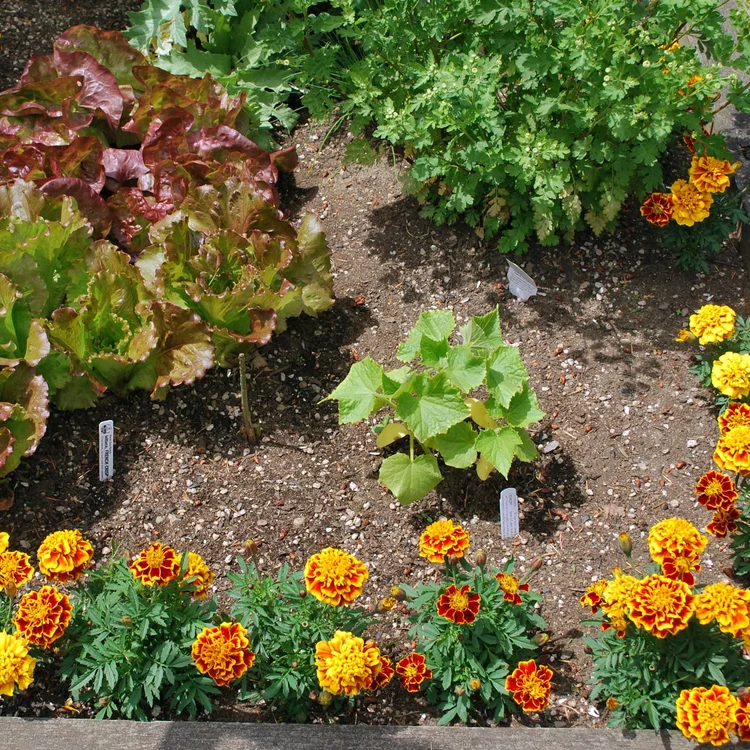
Credit: www.swansonsnursery.com
Frequently Asked Questions
Can Flowers Benefit Vegetable Gardens?
Yes, flowers can benefit vegetable gardens. They attract pollinators like bees, enhancing vegetable yield. Additionally, they deter pests naturally, reducing the need for chemicals. Flowers improve soil health through root interactions. Their beauty adds visual appeal, making the garden more enjoyable.
Overall, integrating flowers supports a healthier, productive garden ecosystem.
What Flowers Are Best For Vegetable Gardens?
Marigolds, nasturtiums, and sunflowers are ideal for vegetable gardens. Marigolds deter pests with their scent. Nasturtiums attract beneficial insects and trap aphids. Sunflowers provide shade and support pollinators. These flowers enhance garden health and productivity. Choose varieties that suit your climate and garden needs for best results.
Can Flowers And Vegetables Compete For Resources?
Yes, flowers and vegetables can compete for resources like water and nutrients. However, careful planning minimizes competition. Choose complementary plants that share similar needs. Space them adequately to avoid overcrowding. Monitor soil health regularly. Proper management ensures both flowers and vegetables thrive together harmoniously.
Do Flowers Attract Pests To Vegetable Gardens?
Some flowers can attract pests, but many repel them. Marigolds deter nematodes and aphids with their scent. Nasturtiums trap aphids away from vegetables. Companion planting with beneficial flowers reduces pest issues. Choose flowers wisely to enhance pest control naturally while supporting vegetable growth.
Conclusion
Planting flowers in a vegetable garden offers many benefits. They attract helpful insects and deter pests. Flowers can improve soil health too. They add beauty and diversity to your garden space. Mixing flowers with vegetables creates a balanced ecosystem. It supports plant growth and productivity.
Consider companion planting strategies for best results. Choose flowers that complement your vegetables. A well-planned garden enhances your growing experience. Enjoy the colorful blooms alongside your healthy veggies. Happy gardening!







