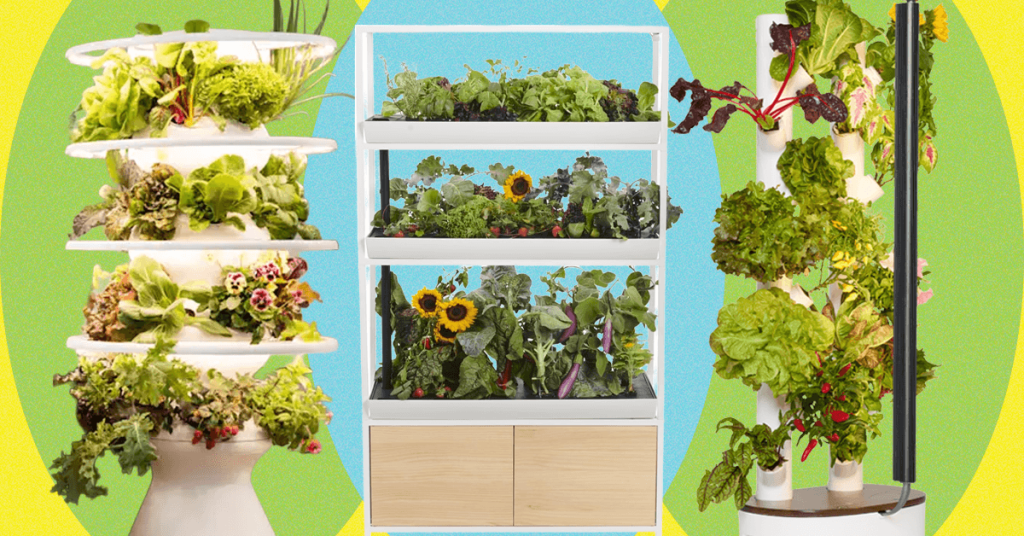
Imagine having a lush, vibrant garden right inside your home. Picture the joy of plucking fresh herbs for dinner or admiring blooming flowers without ever stepping outside.
Sounds incredible, right? Well, you can make it a reality by building your own indoor garden. Whether you live in a spacious house or a cozy apartment, indoor gardening is possible and surprisingly simple. You’re about to discover the secrets to transforming your space with greenery, boosting your mood, and even enhancing your well-being.
Ready to learn how your home can become a sanctuary of nature? Keep reading, and you’ll uncover the tips and tricks to create a thriving indoor garden that suits your lifestyle perfectly.
Benefits Of Indoor Gardening
Indoor gardening offers a peaceful escape, bringing nature inside your home. It improves air quality and boosts mood. Cultivating herbs and plants indoors saves space and provides fresh ingredients year-round.
Indoor gardening offers numerous advantages. It transforms spaces and enhances well-being. Beyond aesthetics, this practice brings tangible benefits. Let’s explore these benefits in detail.Improved Air Quality
Indoor plants act as natural air filters. They absorb harmful toxins and release oxygen. This process improves the air you breathe. Cleaner air promotes better health. It reduces the risk of respiratory issues. Your home becomes a fresher, healthier place.Stress Reduction
Gardening indoors soothes the mind. The act of nurturing plants calms you. It offers a peaceful escape from daily stress. Watching plants grow brings joy. The connection to nature is grounding. This reduces anxiety and boosts mood.Year-round Growth
Indoor gardening defies seasons. It allows for continuous plant growth. You can cultivate herbs, vegetables, or flowers anytime. This ensures a steady supply of fresh produce. Your indoor garden thrives regardless of weather. Enjoy the satisfaction of year-round harvests.Choosing The Right Plants
Choosing the right plants is key to creating a thriving indoor garden. Consider light, space, and care needs to select suitable varieties. Opt for hardy houseplants like pothos, spider plants, or succulents for easier maintenance.
Choosing the right plants for your indoor garden can transform your living space. It is crucial to consider the environment and your lifestyle. This ensures your garden thrives beautifully. Selecting plants involves understanding light levels, maintenance needs, and personal preferences. With the right choices, your indoor garden can flourish, offering both aesthetic and practical benefits.Low Maintenance Options
Some plants require minimal care and attention. These are perfect for busy individuals. Succulents and snake plants are great choices. They need little water and can survive in various conditions. Spider plants and ZZ plants are also easy to manage. They adapt well indoors and purify the air.Plants For Low Light
Not all homes have ample sunlight. But many plants thrive in low light. Peace lilies and pothos are ideal for dim areas. They are hardy and forgiving. Ferns and philodendrons also do well without direct sun. These plants brighten up any corner effortlessly.Edible Varieties
Growing edible plants indoors is both fun and rewarding. Herbs like basil and mint are popular choices. They grow well in pots and add flavor to dishes. Cherry tomatoes and chili peppers can thrive indoors too. They offer fresh produce right at home.Essential Tools And Supplies
Creating an indoor garden requires essential tools and supplies like pots, soil, and grow lights. Choose containers that fit your space and plants. Ensure proper drainage to keep plants healthy.
Creating an indoor garden can be a rewarding and fulfilling experience, bringing the beauty and benefits of nature into your home. To start your indoor gardening journey, you’ll need a few essential tools and supplies that ensure your plants thrive in their new environment. Here’s a guide to help you gather the right equipment and set up your indoor oasis.Planters And Pots
Choosing the right planters and pots is crucial for your plants’ health. Opt for containers with good drainage holes to prevent waterlogging, which can lead to root rot. Consider the size of your plants and choose pots that provide enough space for their roots to grow. Decorative pots can also enhance your home’s aesthetic, but make sure they meet your plants’ needs first. Have you ever repotted a plant only to see it flourish overnight? That’s the magic of the right planter!Grow Lights
Natural light isn’t always available indoors, especially if you live in a place with long winters or limited window space. That’s where grow lights come in handy. LED grow lights are energy-efficient and can be adjusted to provide the right spectrum for your plants. Place them at the correct distance to mimic natural sunlight. Have you tried experimenting with different light setups? You might be surprised at how much a simple adjustment can boost your garden’s growth.Watering Systems
Consistent watering is key to keeping your indoor garden healthy. Consider using self-watering pots or a drip irrigation system to maintain the right moisture level. These systems can save time and ensure your plants don’t dry out or get overwatered. A simple watering can with a long spout can also be effective for reaching those tricky spots. Have you ever thought about how much easier gardening becomes with the right tools? Investing in a proper watering system might just be the game-changer you need. By gathering these essential tools and supplies, you’ll be well-equipped to nurture a thriving indoor garden. What will you plant first in your new indoor oasis?
Credit: www.angi.com
Setting Up Your Indoor Garden
Creating an indoor garden is a delightful way to bring nature into your home. It not only enhances your living space but also offers the joy of nurturing plants. Before you start planting, it’s essential to set up your indoor garden correctly to ensure its success and longevity. Here’s how you can do it.
Selecting The Perfect Spot
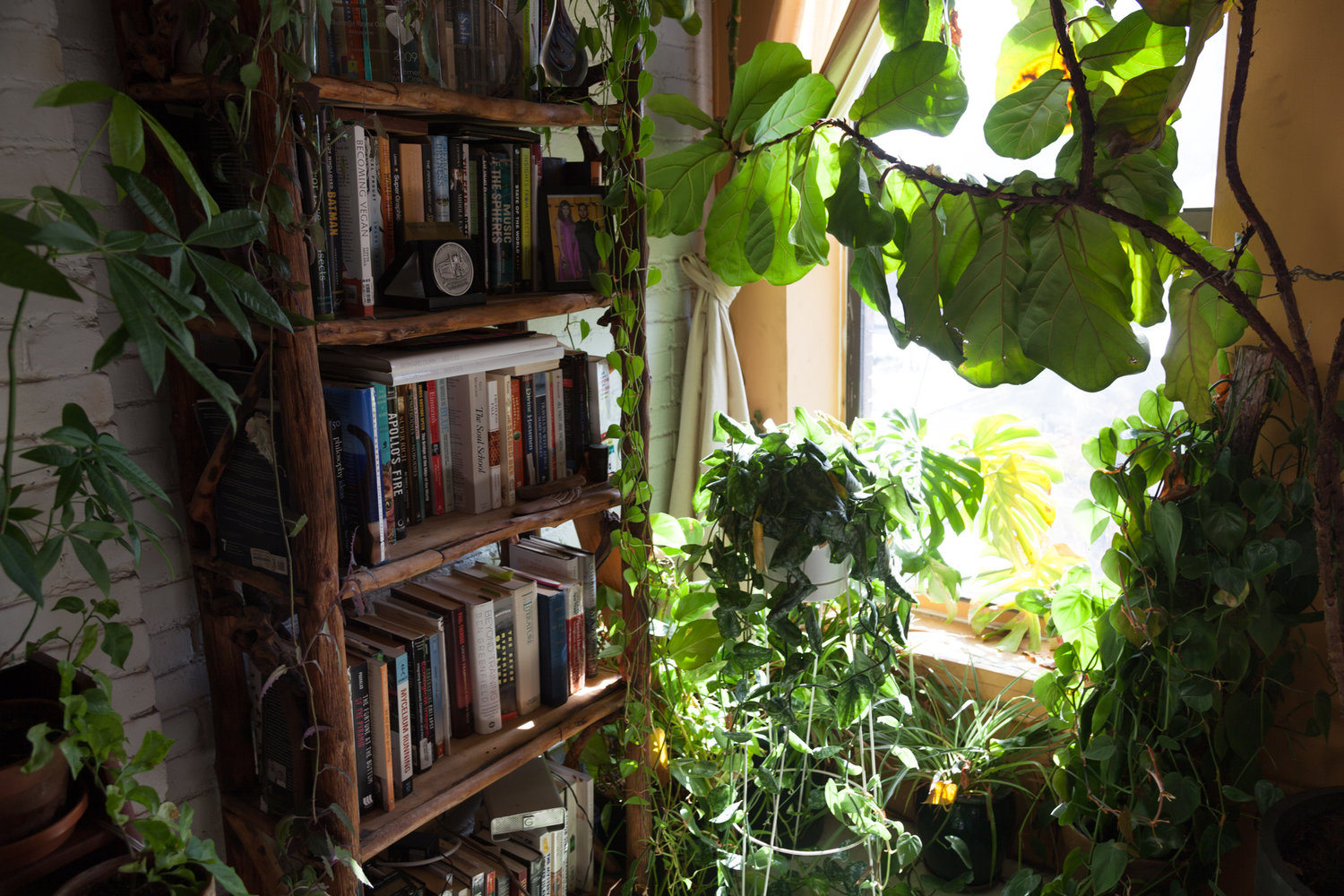
Choosing the right location for your indoor garden is crucial. Look for areas in your home that receive ample natural light, such as near windows or glass doors. Consider the needs of your plants—some may thrive in bright sunlight, while others prefer indirect light.
Think about accessibility. Ensure you can easily reach your plants for watering and maintenance. Avoid spots that are too close to heat sources, as this can dry out the plants.
Ask yourself: Is this spot practical for your lifestyle? A convenient location will encourage you to tend to your plants regularly.
Organizing Plant Layout
Once you’ve chosen the perfect spot, it’s time to organize your plant layout. Group plants with similar light and water needs together. This makes it easier to care for them efficiently.
Use vertical space creatively. Shelves or hanging planters can maximize your area, allowing you to grow more without cluttering your space.
Experiment with different arrangements. Try mixing tall and short plants for a dynamic look. Consider how the layout affects the flow of your room—is it visually appealing and functional?
Creating A Maintenance Schedule
A consistent maintenance schedule is key to a thriving indoor garden. Create a routine for watering, fertilizing, and pruning your plants. Note the specific needs of each plant type to avoid overwatering or neglect.
Set reminders or alarms on your phone to ensure you don’t miss a task. Regularly check for pests or signs of disease—early detection can save your plants.
Reflect on your schedule: Does it fit into your daily life seamlessly? Adjust as needed to keep your garden healthy without overwhelming yourself.
Maximizing Space And Design
Creating an indoor garden can transform any space into a lush oasis. Yet, limited space challenges many indoor gardening enthusiasts. You can overcome this by maximizing space and design. Strategic use of vertical space, shelves, and aesthetic elements can create a thriving indoor garden. Each method adds functionality and beauty, making your garden a standout feature.
Vertical Gardening Techniques
Vertical gardening saves space and adds height to your design. Use wall-mounted planters or hanging pots. These options lift plants off the ground, freeing up floor space. Consider pocket planters for small herbs or succulents. They provide an easy way to manage your plants. Try using trellises for climbing plants. This adds a natural backdrop to any room.
Using Shelves And Racks
Shelves and racks offer structured organization for your plants. Choose adjustable shelves to accommodate different plant sizes. Use them to create layers of greenery. Staggered heights add depth and interest. Consider metal or wooden racks for durability. They provide a sturdy base for heavier pots. Wall-mounted shelves also work well for smaller spaces.
Incorporating Aesthetic Elements
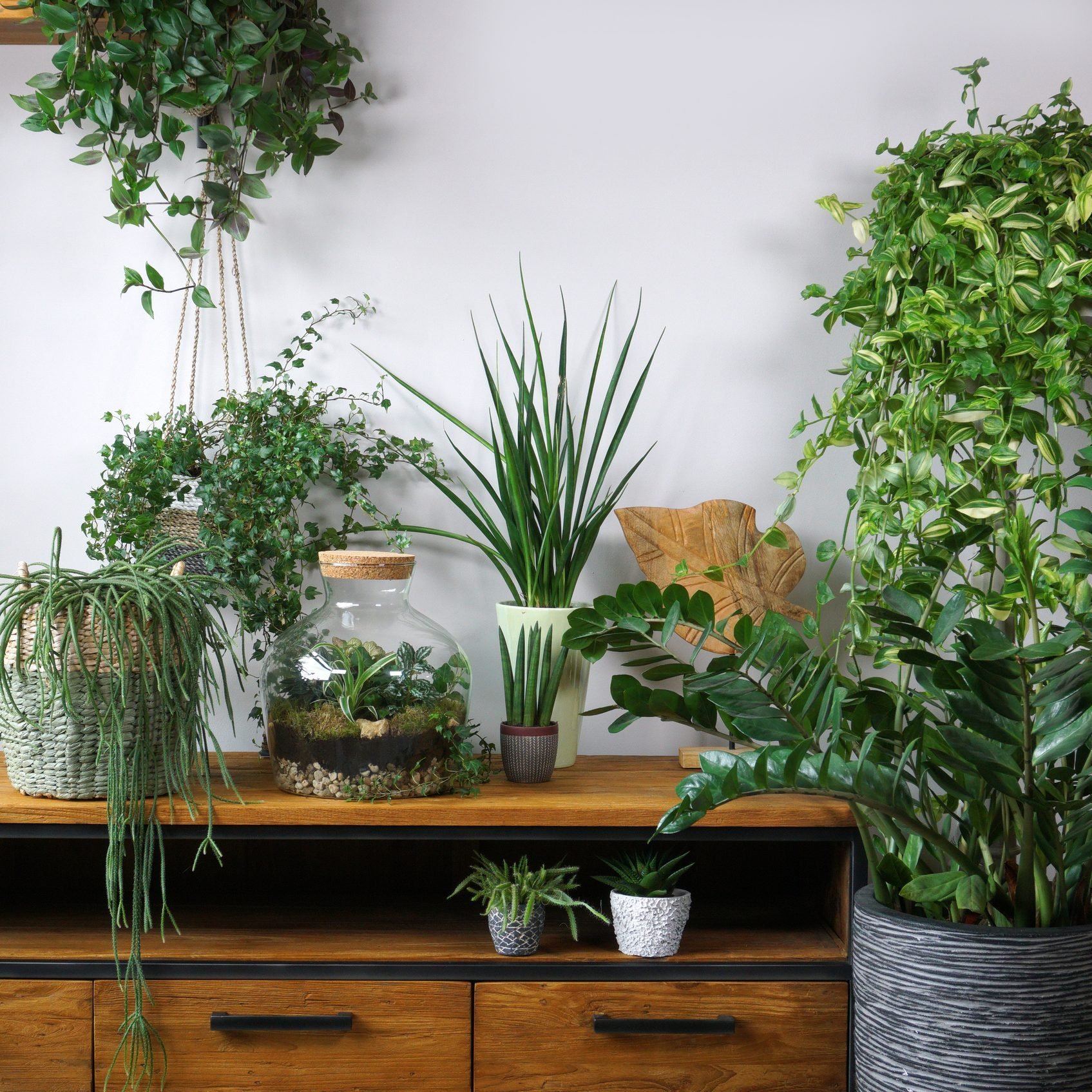
Aesthetic elements enhance the beauty of your indoor garden. Use decorative pots to match your room’s theme. Add string lights for a warm, inviting glow. Incorporate natural elements like stones or driftwood. They add texture and contrast. Choose a color palette that complements your interior design. This creates a cohesive look throughout your space.
Caring For Indoor Plants
Building a garden indoors is a delightful endeavor, offering a breath of nature within the confines of your home. Yet, the key to a thriving indoor garden lies in the care you provide to your plants. Caring for indoor plants involves understanding their unique needs and ensuring they receive adequate light, water, and protection from pests. With a little attention and observation, you can keep your indoor garden lush and vibrant.
Monitoring Light And Temperature
Light and temperature are critical for indoor plant health. Observe the natural light patterns in your home; some plants require direct sunlight, while others thrive in indirect light. Consider installing LED grow lights to supplement natural light, especially during winter months.
Temperature variations can stress plants. Keep them away from drafty windows or heating vents. Most indoor plants prefer a stable temperature between 65°F and 75°F. Regularly check the temperature around your plants and make adjustments as needed.
Watering And Feeding
Proper watering is essential to prevent root rot and promote growth. Test the soil moisture by sticking your finger an inch into the soil; water only when it feels dry. Overwatering is a common mistake that can harm your plants.
Feeding your plants is equally important. Use a balanced liquid fertilizer every few weeks to provide essential nutrients. Be mindful not to overfeed, as this can lead to nutrient burn. Follow the instructions on the fertilizer label for best results.
Identifying And Managing Pests
Indoor plants are not immune to pests. Regularly inspect leaves and stems for signs of pests like aphids, spider mites, or mealybugs. Catching infestations early makes management easier.
If you spot pests, gently wipe them off with a damp cloth or use insecticidal soap. Consider introducing beneficial insects like ladybugs for natural pest control. Ask yourself: how can you prevent pests from taking hold in the first place? Keeping your plants healthy and clean is your first line of defense.
Troubleshooting Common Issues
Building an indoor garden can be a rewarding experience. Yet, common issues may arise that challenge your gardening skills. Knowing how to troubleshoot these problems will help keep your plants healthy and thriving. Let’s address some frequent issues indoor gardeners face.
Dealing With Yellowing Leaves
Yellow leaves often signal nutrient deficiencies. Ensure your plants receive enough light and water. Check the soil’s pH level and adjust if necessary. Fertilize regularly to provide essential nutrients.
Overwatering can also cause yellow leaves. Allow the soil to dry between waterings. Use pots with good drainage to prevent waterlogging.
Managing Overgrowth
Indoor plants can sometimes grow too fast. Pruning helps control their size and shape. Trim back excess leaves and stems to encourage healthy growth.
Consider repotting if roots become crowded. Bigger pots offer more space for root expansion. This also helps maintain proper nutrient balance.
Handling Mold And Mildew
Mold and mildew thrive in damp environments. Increase ventilation around your plants. Use a fan to circulate air and reduce humidity levels.
Remove any affected leaves or stems immediately. Treat with a mild fungicide if necessary. Regularly clean plant leaves to prevent fungal growth.
Credit: homesteadbrooklyn.com
Innovative Ideas For Indoor Gardens
Creating a garden indoors is a brilliant way to bring nature into your home. It’s not just about having greenery; it’s about creating a sanctuary that breathes life into your living space. With innovative ideas, you can transform any corner of your home into a thriving indoor garden. Let’s explore some exciting concepts that can help you achieve your dream indoor garden.
Smart Garden Technology
Imagine managing your garden with just a touch of your smartphone. Smart garden technology makes this possible by offering automated systems that monitor your plants’ health and growth conditions. You can find devices that adjust lighting, water levels, and even provide real-time updates on your plants’ well-being.
I once tried a smart planter that watered my herbs when they needed it, even when I was away on holiday. It was a game-changer in maintaining a lush indoor garden without the constant worry of neglect. Have you ever considered how technology could simplify your gardening routine?
Aquaponics Systems
Aquaponics is a fascinating way to combine fish and plants in a harmonious ecosystem. In this system, fish waste provides nutrients for the plants, while plants help purify the water for the fish. It’s a sustainable and efficient method that can be easily set up indoors.
One of my friends transformed his living room into a mini aquaponics paradise. Watching the fish swim while herbs grew above was mesmerizing. It’s a unique setup that not only looks stunning but also teaches you about the balance of nature. Would you consider experimenting with this symbiotic approach?
Diy Projects And Hacks
DIY projects can turn indoor gardening into a creative venture. From vertical wall planters to recycled containers, there are endless possibilities to personalize your garden. All it takes is a bit of creativity and some basic tools.
I remember using old wine crates to create a rustic herb garden on my kitchen wall. It added a charming touch to the space and was a conversation starter whenever guests visited. Have you thought about using everyday objects to craft your unique indoor garden?
With these innovative ideas, building an indoor garden becomes an exciting journey. Whether through technology, aquaponics, or DIY creativity, the possibilities are endless. How will you bring your indoor garden to life?
Credit: www.familyhandyman.com
Frequently Asked Questions
How Do I Start An Indoor Garden?
Begin by selecting a suitable space with enough light. Choose plants that thrive indoors, such as herbs or succulents. Use quality soil, pots with drainage, and consider grow lights if natural light is limited. Regularly water and monitor humidity levels to ensure healthy plant growth.
What Plants Grow Best Indoors?
Indoor-friendly plants include herbs like basil and mint, succulents, and ferns. Orchids and snake plants also thrive indoors. Choose plants that fit your light conditions. Low-maintenance plants are ideal for beginners. Ensure they have the right soil and watering schedule for optimal growth.
How Can I Optimize Indoor Lighting For Plants?
Use grow lights to supplement natural light for plants. LED grow lights are energy-efficient and effective. Place plants near windows for natural sunlight. Adjust light exposure based on plant needs. Ensure balanced light intensity and duration for healthy plant growth indoors.
What Soil Is Best For Indoor Gardening?
Use well-draining potting mix for indoor plants. Look for soil with organic matter and nutrients. Avoid garden soil, as it may compact in pots. Choose soil tailored to specific plant needs, like cactus mix for succulents. Proper soil ensures good drainage and plant health.
Conclusion
Creating an indoor garden is a rewarding journey. It transforms spaces with greenery. Plants bring fresh air and beauty indoors. Start small with easy plants. Consider the lighting and space available. Use pots that fit your decor style. Watering properly is essential for growth.
Indoor gardens need regular care. Enjoy the process and watch your plants thrive. An indoor garden offers a peaceful retreat. A touch of nature within your home. Perfect for any lifestyle. So, gather your tools and plants. Begin your indoor gardening adventure today.







