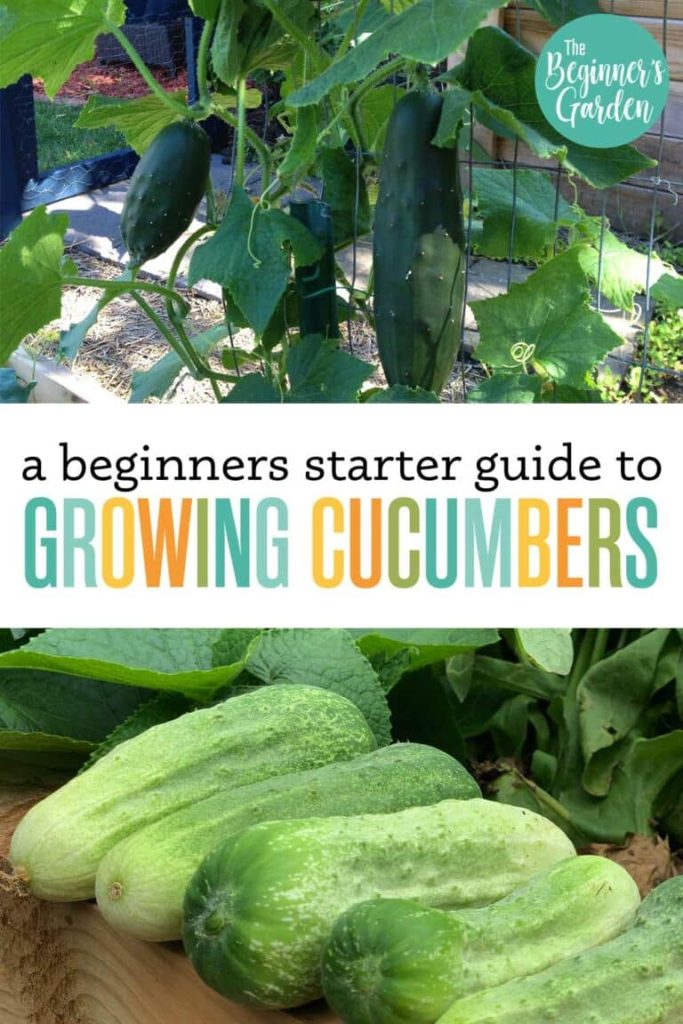
Picture this: a vibrant garden filled with lush, green cucumber plants, each one promising a bountiful harvest. If you’re dreaming of such a garden, the good news is that it’s within your reach.
But to transform this dream into reality, you need to know how to care for your cucumber plants effectively. Imagine slicing into a crisp, homegrown cucumber, the taste delightfully fresh. This simple pleasure can be yours if you give your cucumber plants the right attention and care.
Whether you’re a seasoned gardener or a beginner with a passion for fresh produce, mastering the art of cucumber plant care is your ticket to success. In this guide, we’ll unlock the secrets to growing healthy cucumber plants in your garden. You’ll discover easy, actionable tips that make all the difference, ensuring your plants thrive and produce. Are you ready to dive in and learn how to nurture your cucumber plants for a delicious harvest? Let’s get started!
Choosing The Right Variety
Selecting the right cucumber variety is crucial for a thriving garden. Consider climate, space, and taste preferences. Some varieties are better suited for pickling, while others excel in salads.
Choosing the right cucumber variety is essential for a successful garden. Each type offers unique benefits suited to different growing conditions. Some cucumbers thrive in warm climates, while others do well in cooler areas. Selecting the right variety ensures healthy growth and abundant harvests. Here, we discuss key factors to consider when choosing cucumber varieties.Understanding Climatic Conditions
Different cucumber varieties need specific climates. Check your region’s average temperature and rainfall. Warm-season cucumbers need full sun and mild winters. Cool-season varieties tolerate lower temperatures and shorter days.Determining Growth Space
Cucumber plants vary in size and growth habits. Bush types are compact and suitable for small gardens. Vining varieties need more space and support structures like trellises. Choose based on your garden’s available space.Considering Disease Resistance
Some cucumber varieties resist common diseases. Powdery mildew and downy mildew affect many plants. Opt for disease-resistant types to reduce maintenance and increase yield. This choice minimizes the need for chemical treatments.Deciding On Cucumber Type
Cucumbers come in different types: slicing, pickling, and specialty. Slicing cucumbers are great for salads. Pickling types are ideal for preserving. Specialty varieties offer unique flavors and colors. Select based on your culinary preferences.Checking Days To Maturity
Each variety has a specific maturation period. Early-maturing cucumbers are ready in about 50 days. Later varieties may take up to 70 days. Choose based on your growing season length. This ensures timely harvests before adverse weather sets in.Exploring Hybrid And Heirloom Options
Hybrid cucumbers are bred for specific traits like disease resistance. Heirloom varieties offer traditional flavors and diversity. Hybrids may offer higher yields. Heirlooms provide rich history and taste. Your choice depends on gardening goals and taste preferences.
Credit: savvygardening.com
Preparing The Soil
Preparing the Soil Ensure the soil is loose and well-drained for cucumber plants. Mix compost into the soil to boost nutrients. Maintain soil pH between 6. 0 and 6. 8 for optimal growth.
Preparing the soil for cucumber plants is a crucial step that can significantly impact the health and yield of your garden. Before you plant your cucumbers, it’s essential to ensure that the soil conditions are optimal for growth. This means the soil should be well-drained, rich in nutrients, and have the right pH level. Let’s dive into the specifics of preparing your garden soil to give your cucumber plants the best start.Testing Soil Ph
Understanding the pH level of your soil is vital. Cucumbers thrive in slightly acidic to neutral soil, ideally between a pH of 6.0 to 7.0. You can test your soil using a simple pH meter or a testing kit available at garden centers. If your soil pH is too high, consider adding some sulfur or peat moss to lower it. Conversely, if it’s too low, lime can help raise the pH level. Regular testing ensures your soil remains within the ideal range, promoting healthier plants and better yield.Enriching With Compost
Compost is a gardener’s gold. It enriches the soil, improves its structure, and boosts its nutrient content. Adding compost before planting cucumbers can make a noticeable difference in plant health and productivity. Spread a layer of compost about two to four inches thick over the planting area. Work it into the topsoil using a garden fork or tiller. This not only feeds your cucumber plants but also helps retain moisture, crucial during dry spells. Composting is a simple yet effective way to recycle kitchen scraps and yard waste, turning them into valuable nutrients for your garden. Why not start a compost pile today if you haven’t already? Remember, the better you prepare your soil, the more fruitful your cucumber harvest will be. Have you checked your soil’s pH lately, or enriched it with compost? Your cucumbers will thank you!Planting Cucumber Seeds
Caring for cucumber plants involves regular watering and ensuring they have plenty of sunlight. Support with trellises to help them grow upright. Monitor for pests and diseases to keep the plants healthy.
Planting cucumber seeds marks the beginning of your gardening adventure. Proper planting ensures healthy growth and a bountiful harvest. Cucumber plants thrive with the right timing and spacing, whether you sow seeds directly or start them indoors.Timing And Spacing
Plant cucumber seeds after the last frost. Warm soil is essential for germination. Check your local frost dates to plan accordingly. Space seeds 12 inches apart in rows 36 inches apart. This spacing gives each plant room to spread and grow. Crowded plants can lead to poor fruit development. Proper spacing also improves air circulation, reducing disease risk.Direct Sowing Vs. Starting Indoors
Direct sowing involves planting seeds directly in the garden. This method suits warmer climates where frost is no concern. Seeds germinate faster in warm soil. Direct sowing is simpler, with less equipment needed. Starting seeds indoors gives a head start. This method is ideal for colder areas. Use small pots or trays with seed-starting mix. Transplant seedlings outdoors when they’re strong enough. Starting indoors provides controlled conditions for initial growth. Choose the method that best fits your climate and resources. Both approaches can yield healthy cucumber plants with the right care.Watering Techniques
Cucumber plants thrive with consistent watering. Ensure the soil remains moist, but avoid waterlogging. Early morning is ideal for watering, allowing the plant to absorb moisture before the sun intensifies.
Watering Techniques Proper watering is crucial for nurturing healthy cucumber plants in your garden. It’s not just about pouring water on them; it’s about understanding their needs and responding appropriately. Let’s dive into the specifics to ensure your cucumbers thrive.Frequency And Quantity
Cucumbers need consistent moisture to grow well. The soil should remain slightly moist, not drenched, yet not dry. Typically, a thorough watering once or twice a week suffices, but this can vary based on climate and soil type. Consider the weather—during hotter months, cucumbers may require more frequent watering. A deep soak encourages roots to grow deeper, making plants more resilient. Test soil moisture by inserting your finger into the soil; if it’s dry beyond an inch, it’s time to water.Avoiding Overwatering
Overwatering can lead to root rot and other issues. Excess water drowns the roots, preventing them from absorbing necessary nutrients. To avoid this, ensure your soil drains well; you might need to amend it with sand or organic matter. Use mulch around your plants to retain moisture and reduce evaporation. This also prevents water from pooling around the base. Be mindful of rainfall—natural watering can affect your schedule. Ask yourself: Are you noticing yellow leaves or wilting? These could be signs of overwatering. Adjust your watering habits accordingly to maintain a healthy balance. By understanding these watering techniques, you set the stage for a bountiful harvest. Remember, the key is balance—neither too much nor too little. Keep observing and adjusting your approach as needed. Your cucumbers will thank you for it!Supporting Growth
Ensure cucumber plants thrive by providing consistent watering and ample sunlight. Regularly check for pests and support their growth with trellises.
Supporting cucumber plants ensures they grow healthy and productive. Proper support minimizes diseases and maximizes sunlight exposure. Explore these methods for supporting your cucumber plants effectively.Using Trellises
Trellises provide vertical support for cucumbers. They save space and improve air circulation. Set up a sturdy trellis before planting. Ensure it is tall enough for the vines. Use materials like wood, metal, or plastic. Secure the trellis firmly in the ground. As the plant grows, gently tie the vines to the trellis. Use soft ties to avoid damaging the stems. This method keeps cucumbers off the ground. It reduces rot and pest problems.Pruning And Training Vines
Pruning helps control the growth of cucumber vines. Remove any dead or diseased leaves. This improves air flow and sunlight penetration. Pinch off side shoots to focus growth on main stems. This encourages the plant to produce more fruit. Train the vines to grow in the desired direction. Gently guide them along the trellis or support. Regularly check and adjust ties as the plant grows. Pruning and training promote healthier plants with better yields.Fertilizing Cucumber Plants
Fertilizing cucumber plants effectively can make a huge difference in your garden’s yield. Cucumber plants are known for their rapid growth and abundant fruit production, but they need the right nutrients to thrive. Giving them what they need at the right time ensures robust plants and tasty cucumbers. Have you ever wondered if your cucumbers are getting the right nutrients to grow to their full potential?
Choosing The Right Fertilizer
Picking the right fertilizer for your cucumber plants might seem overwhelming, but it doesn’t have to be. Cucumbers prefer a balanced fertilizer with equal parts nitrogen, phosphorus, and potassium (often labeled as N-P-K). You can find these in organic options like compost or well-rotted manure, which also improve soil structure. Consider using a slow-release fertilizer to minimize the risk of over-fertilization.
When deciding, think about your garden’s unique needs. Is your soil sandy, clay-heavy, or somewhere in between? Each type requires a slightly different approach. A soil test can help you determine what nutrients are lacking and guide you in choosing the right fertilizer.
Application Schedule
Timing is crucial when fertilizing cucumber plants. Start by fertilizing when you first plant the cucumbers. This initial boost helps the seedlings establish strong roots. After that, a regular schedule is key. Aim to fertilize every three to four weeks during the growing season.
Apply fertilizer in the morning or evening when temperatures are cooler, reducing the risk of burn. Carefully follow the instructions on the fertilizer package to avoid over-fertilization, which can harm your plants more than help them. Have you ever noticed yellowing leaves? It might be a sign of nutrient imbalance.
Remember, cucumbers are heavy feeders. If they start producing fruit, consider a light side-dressing of fertilizer to support this demanding phase. Keep an eye on your plants—they’ll often show you what they need through their leaves and growth patterns.
Pest And Disease Control
Protect cucumber plants by monitoring for pests like aphids and diseases such as powdery mildew. Use natural remedies and proper spacing to keep plants healthy.
Pests and diseases can harm cucumber plants. Effective control methods are crucial. These ensure healthy growth and a bountiful harvest. Understanding how to manage these issues keeps your garden thriving.Identifying Common Pests
Cucumber plants attract various pests. Aphids are small, green insects. They suck sap from leaves, weakening the plant. Cucumber beetles are another concern. These yellow, striped bugs chew on leaves and flowers. Spider mites create small webs and cause leaf discoloration. Watch for these signs to keep your plants healthy.Natural And Chemical Solutions
Natural methods can control pests effectively. Introduce beneficial insects like ladybugs. They eat aphids, reducing their numbers. Neem oil is another option. It repels many pests and is safe for plants. Chemical solutions can be used carefully. Choose pesticides labeled safe for edible plants. Follow instructions to avoid harming beneficial insects. Rotate chemicals to prevent pest resistance. Using a mix of methods helps maintain a healthy garden.:strip_icc()/bhg-harvesting-cucumbers-1408840890-78aba9408a7c461396e887f4cc23eaf3.jpg)
Credit: www.bhg.com
Monitoring Growth And Yield
Ensure cucumber plants receive adequate sunlight and water. Regularly check for pests and diseases to maintain healthy growth. Monitor the yield closely to harvest cucumbers at the right time for optimal flavor.
Monitoring the growth and yield of your cucumber plants is an essential part of garden maintenance. It helps you ensure that your plants are healthy and productive. Regularly checking your cucumbers can give you insights into how well they are doing and what they might need.Signs Of Healthy Plants
Look for vibrant green leaves and robust vines. These are clear indicators that your cucumbers are thriving. Blossoms should be abundant, signaling future fruit. A personal tip: when my cucumbers showed these signs, they rewarded me with a bountiful harvest. Consistent growth is another good sign. If your cucumbers seem to be growing steadily, it means they are getting the right nutrients. Also, check for firm, well-shaped cucumbers. This means they are developing properly.Dealing With Growth Issues
If you notice yellowing leaves, it could indicate nutrient deficiencies or overwatering. Adjust your watering schedule and consider a balanced fertilizer. Once, I saved my cucumbers by simply reducing water intake and using a slow-release fertilizer. Stunted growth might mean your plants need more sunlight. Make sure they get at least six hours of direct sun daily. If pests are an issue, check the underside of leaves for any unwanted guests. A gentle spray of water can often dislodge them. By staying vigilant and responsive to your plants’ needs, you can maintain a healthy cucumber garden. Have you checked your cucumbers today?Harvesting Cucumbers
Cucumber plants thrive with regular watering and sunlight. Ensure the soil is well-drained and rich in nutrients. Support the vines with trellises to promote healthy growth and ease harvesting.
Harvesting cucumbers is a rewarding part of gardening that allows you to enjoy the fruits of your labor. Knowing the right time to pick cucumbers and using the correct techniques ensures you get the best flavor and texture. Let’s dive into the details to make sure your harvest is as fruitful as your efforts.Best Time To Harvest
Timing is crucial when harvesting cucumbers. Picking them at the right moment ensures they are tender and flavorful. Typically, cucumbers are ready to harvest when they are about 6 to 8 inches long, although this can vary based on the variety. Feel the cucumbers to check if they are firm. A firm cucumber is usually a sign that it’s ready to be picked. Avoid letting them over-ripen on the vine, as they can become bitter and seedy. Monitor your cucumbers daily during peak growing season. Have you noticed how quickly they can grow overnight? Regular checks will help you catch them at their prime.Proper Harvesting Techniques
Using the right technique makes a significant difference in the health of your plant and the quality of your cucumbers. Always use a sharp pair of scissors or pruning shears to cut the cucumber from the vine. Leave a small stem attached to the cucumber. This helps in prolonging its shelf life. Pulling or twisting cucumbers off the vine can damage the plant and affect future yields. After harvesting, place cucumbers in a cool, shaded area. It’s fascinating how a simple step like this can help maintain their crispness and flavor for longer. By focusing on these harvesting techniques, you’ll enjoy a bountiful and delicious cucumber yield. What are your favorite ways to enjoy fresh cucumbers from the garden?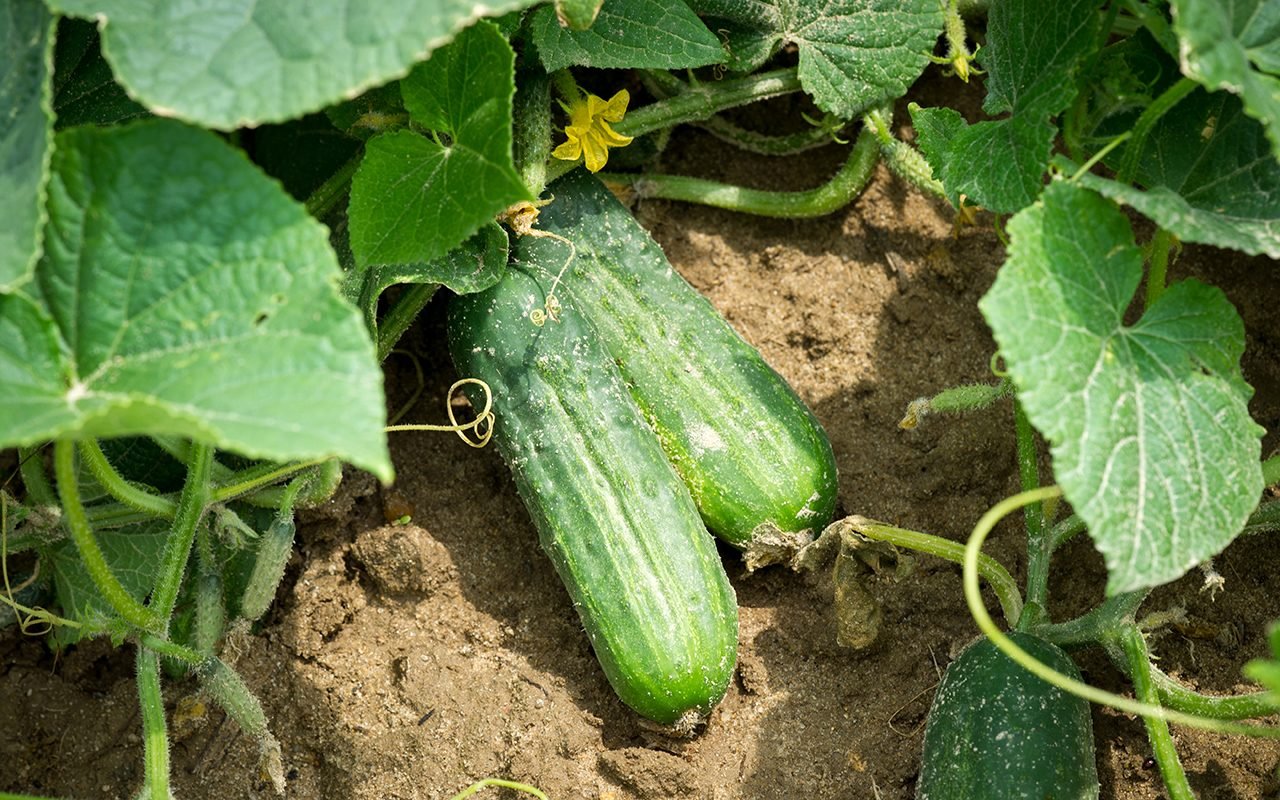
Credit: www.tasteofhome.com
Storing Fresh Cucumbers
Store fresh cucumbers in a cool, dry place to maintain their crispness. Avoid direct sunlight and wrap them in a damp cloth or paper towel. This helps retain moisture, keeping them fresh longer.
Storing Fresh Cucumbers Growing cucumbers in your garden can be a rewarding experience, but knowing how to store them correctly ensures you enjoy them long after picking. Proper storage not only maintains their crispness but also extends their shelf life. Whether you’re planning to snack on them throughout the week or preserve them for months to come, understanding both short-term and long-term storage options is essential.Short-term Storage Tips
If you plan to consume your cucumbers within a week, you’ll want to store them to maintain their freshness. Keep them in the refrigerator, preferably in the crisper drawer. This area provides the right humidity to prevent them from shriveling. Avoid washing the cucumbers before storing them. Excess moisture can lead to spoilage. Instead, wash them right before you’re ready to eat or prepare them. Store cucumbers separately from fruits like apples and bananas. These fruits emit ethylene gas, which can cause cucumbers to ripen and spoil faster.Long-term Preservation Methods
For those who want to enjoy garden cucumbers well past the growing season, long-term preservation is key. Pickling is a popular method. It not only preserves cucumbers but also enhances their flavor. Freezing is another option. Slice the cucumbers and lay them flat on a baking sheet to freeze before transferring them to airtight containers. This prevents them from sticking together. Consider dehydrating cucumbers if you enjoy crunchy snacks. Dehydrated cucumber chips are a healthy alternative to potato chips and can be seasoned to taste. Have you ever thought about making cucumber relish? It’s a tangy topping that can be canned and stored for months. Perfect for sandwiches and BBQs! By choosing the right storage method, you can savor your garden’s bounty and reduce waste. Which preservation method will you try first?Frequently Asked Questions
How Often Should I Water Cucumber Plants?
Cucumber plants require consistent moisture. Water them deeply once a week, especially in dry spells. Ensure soil drains well to prevent root rot. Mulching can help retain moisture and keep soil temperature stable, promoting healthy growth. Monitor plants regularly for signs of wilting or dryness.
What Is The Best Soil For Cucumbers?
Cucumbers thrive in well-draining, fertile soil. A mix of loam and compost provides essential nutrients. Ensure the soil is slightly acidic to neutral, with a pH of 6. 0 to 7. 0. Regularly amend the soil with organic matter to maintain nutrient levels and improve plant health.
How Do I Prevent Cucumber Pests?
To prevent pests, maintain clean garden practices and encourage beneficial insects. Use row covers to protect young plants. Rotate crops annually to disrupt pest life cycles. Regularly inspect plants for signs of infestation and apply organic insecticides if necessary to control outbreaks.
Can Cucumbers Grow In Partial Shade?
Cucumbers prefer full sun but can tolerate partial shade. Ensure they receive at least 6 hours of sunlight daily. In shaded areas, growth may be slower and yields lower. Monitor plant health and adjust care to compensate for reduced light exposure, such as optimizing water and nutrient supply.
Conclusion
Caring for cucumber plants is simple and rewarding. Start with healthy soil. Water them regularly, especially in dry periods. Keep pests away with natural methods. Use mulch to retain moisture. Prune your plants for better growth. Watch for signs of disease early.
Harvest cucumbers when they are firm and green. Enjoy fresh cucumbers from your garden. Share them with friends and family. Gardening brings joy and fresh produce. Keep learning and growing. Your garden will thrive with care. Remember, each plant needs attention.
Happy gardening!







