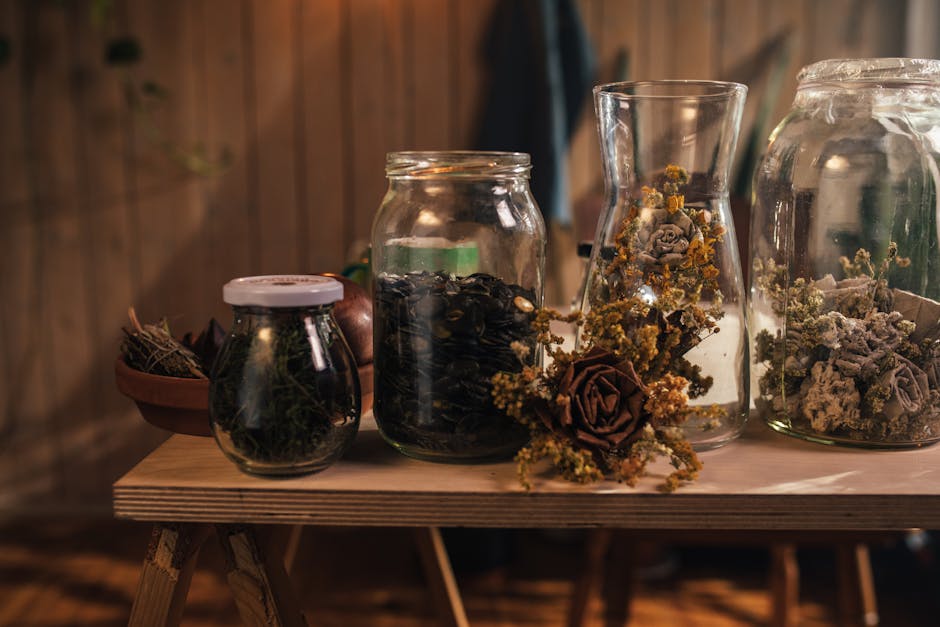
Imagine stepping outside and being greeted by the fragrant aroma of fresh basil, rosemary, and mint. Designing an outdoor herb garden not only elevates your cooking but also adds a touch of nature to your home.
You might think it’s a daunting task, but with the right guidance, creating your own herb oasis can be a breeze. This article will show you how to turn a simple patch of soil into a thriving, aromatic haven. Whether you’re a seasoned gardener or just starting, you’ll find tips that cater to your needs.
Ready to transform your outdoor space into a delicious and delightful garden? Let’s dive in and start growing!
Credit: onekindesign.com
Choosing The Right Location
Selecting the perfect spot for your herb garden ensures healthy growth. Consider sunlight, soil quality, and accessibility. Aim for a location with at least six hours of sunlight daily.
Choosing the right location for your outdoor herb garden is crucial. A well-chosen spot ensures healthy growth and a bountiful harvest. Consider factors like sunlight, shade, and access to water. These elements play a significant role in your garden’s success.Sunlight And Shade Considerations
Herbs need sunlight to thrive. Six to eight hours of sun daily is ideal. Observe your yard throughout the day. Note areas receiving consistent sunlight. Some herbs tolerate partial shade. Mint and parsley can grow with less sun. Ensure a balance of sun and shade for diverse herbs.Proximity To Water Source
Access to water is essential. Place your garden near a water source. This makes watering convenient, especially in dry spells. Consider a garden hose or irrigation system. Consistent watering keeps herbs healthy. Avoid placing the garden too far from water access. This can make maintenance cumbersome and tiresome.Selecting Herbs For Your Garden
Choosing the right herbs adds flavor and fragrance to your garden. Consider sunlight, soil, and space when planning. Select herbs like basil, rosemary, and thyme for variety and easy maintenance.
Selecting the right herbs is crucial for a thriving outdoor herb garden. Consider your climate, space, and personal preferences. Herbs can be annuals, biennials, or perennials. Some prefer sunny spots, while others thrive in shade. Knowing your garden’s conditions helps you choose wisely. A mix of herbs can add beauty and utility to your space.Best Herbs For Beginners
Starting with easy-to-grow herbs boosts your confidence. Basil is a popular choice. It grows quickly and adds flavor to many dishes. Mint is hardy and spreads fast. Plant it in a pot to control growth. Parsley is versatile and can be used fresh or dried. Chives are great for salads and soups. Their mild onion flavor is delightful. Cilantro is another beginner-friendly herb. It’s perfect for salsa and other dishes.Companion Planting Tips
Companion planting enhances growth and deters pests. Basil and tomatoes are perfect partners. Basil repels insects that harm tomatoes. Mint and cabbage work well together. Mint keeps cabbage moths away. Planting chives near roses protects against black spot disease. Rosemary and beans make a good pair. Rosemary’s aroma deters bean beetles. Sage and carrots are another great match. Sage repels carrot flies effectively. Consider these combinations for a healthier herb garden.Designing The Layout
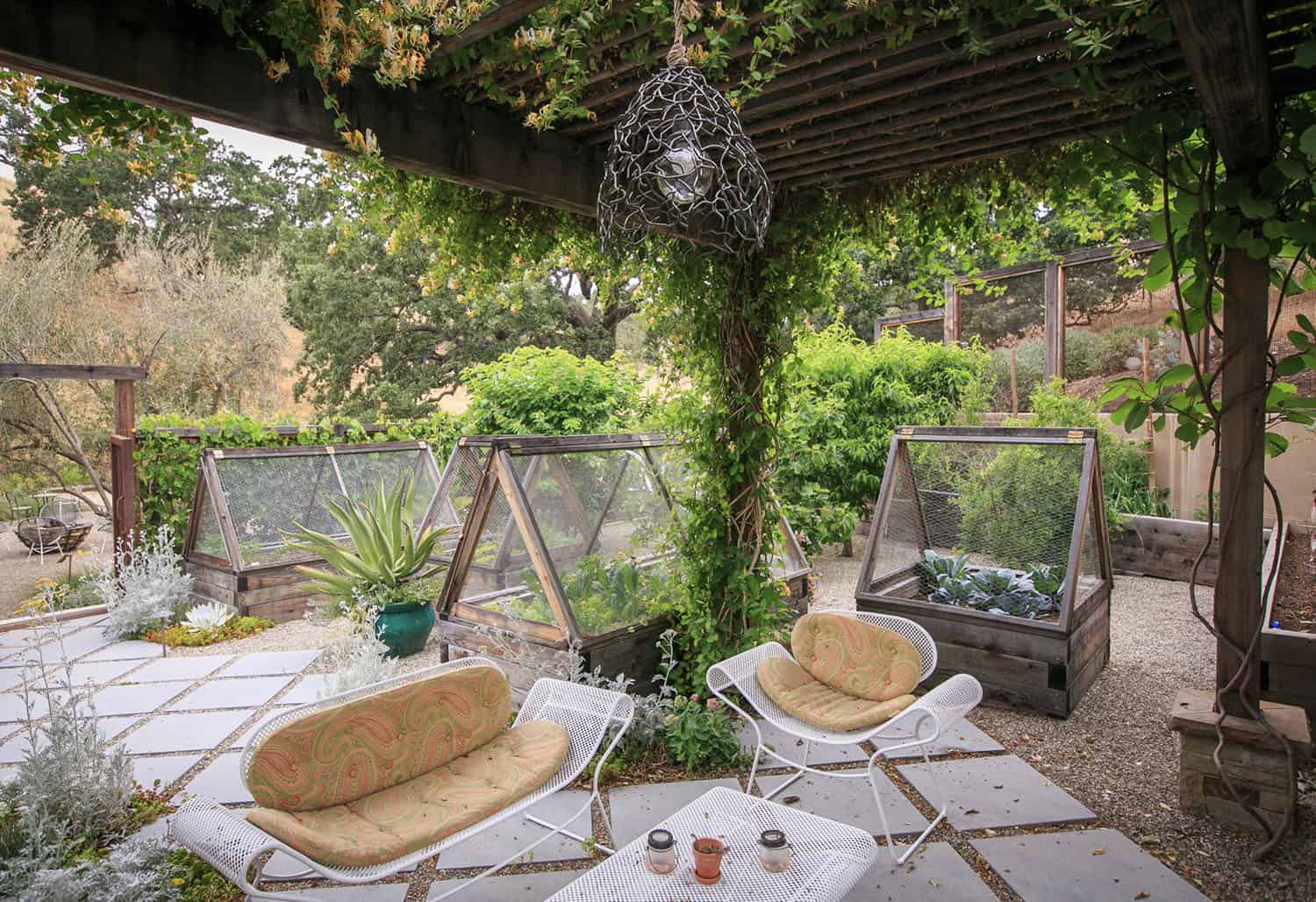
Designing the layout of an outdoor herb garden involves choosing the right spot for sunlight and accessibility. Arrange herbs based on their height and growth habits for a harmonious look. Create pathways for easy maintenance and harvesting.
Designing the layout of an outdoor herb garden is an exciting task. It’s all about creating a space that is both functional and beautiful. The layout determines how easy it is to access the herbs and how they grow. Consider sunlight, space, and aesthetics. Plan strategically to ensure your garden thrives.Creating Raised Beds
Raised beds offer many benefits for herb gardens. They improve drainage and soil quality. You can build them from wood, bricks, or stones. Choose materials that complement your garden style. Raised beds make it easy to control soil conditions. They provide a defined space for your herbs. Planting in raised beds also helps keep pests away. The elevation can prevent some critters from reaching your plants.Incorporating Containers
Containers are versatile and add visual interest to gardens. They allow you to move herbs to get optimal sunlight. Containers come in various sizes, shapes, and materials. Use pots made of clay, plastic, or metal. Each material has its benefits. Clay pots retain moisture well, while plastic ones are lightweight. Group containers together for a lush, green effect. Mix different heights and textures for visual appeal. Ensure containers have proper drainage to keep herbs healthy. Containers also make it easy to bring herbs indoors during cold months.Soil Preparation And Fertilization
Preparing the soil is essential for a thriving outdoor herb garden. Ensure the soil is rich and well-drained. Use organic fertilizers to provide necessary nutrients, promoting healthy growth.
Designing an outdoor herb garden starts with preparing the soil and fertilizing it. Good soil provides nutrients and supports healthy plant growth. Fertilization enhances soil quality and ensures herbs thrive. Let’s explore how to prepare soil and use fertilizers effectively.Organic Soil Amendments
Organic amendments improve soil texture and enrich it with nutrients. Compost is an excellent choice for herb gardens. It retains moisture and adds essential minerals. Manure is another option. It boosts nitrogen levels, aiding plant growth. Mix amendments into the soil. This ensures an even distribution of nutrients.Proper Fertilizer Use
Fertilizers should complement soil amendments. Choose a balanced fertilizer for herbs. It provides equal parts of nitrogen, phosphorus, and potassium. Apply fertilizers sparingly. Overuse can damage plants. Follow package instructions for correct application. Watering helps fertilizers absorb into the soil. This promotes healthy herb development.Watering Techniques
Selecting the right watering techniques ensures healthy herbs. Drip irrigation helps maintain consistent moisture levels. Water directly at the base to prevent fungal issues.
Watering is crucial for a thriving outdoor herb garden. Proper watering methods ensure your herbs grow healthy and strong. Each plant has unique needs. Understanding these can make your garden flourish. Let’s explore some effective watering techniques.Drip Irrigation Systems
Drip irrigation systems are efficient for herb gardens. They deliver water directly to the roots. This method reduces water waste and prevents overwatering. Install emitters near each plant. Adjust the flow for different herbs. The slow release of water keeps soil moisture consistent. Less evaporation occurs, saving water. Drip systems can be automated. This saves time and ensures regular watering.Hand Watering Best Practices
Hand watering offers control over water distribution. Use a watering can with a fine rose. This helps to avoid soil disturbance. Water early in the morning. This reduces evaporation and fungal diseases. Check soil moisture before watering. Stick your finger into the soil. If it’s dry two inches down, water is needed. Focus on the base of the plant. Avoid wetting the leaves to prevent disease.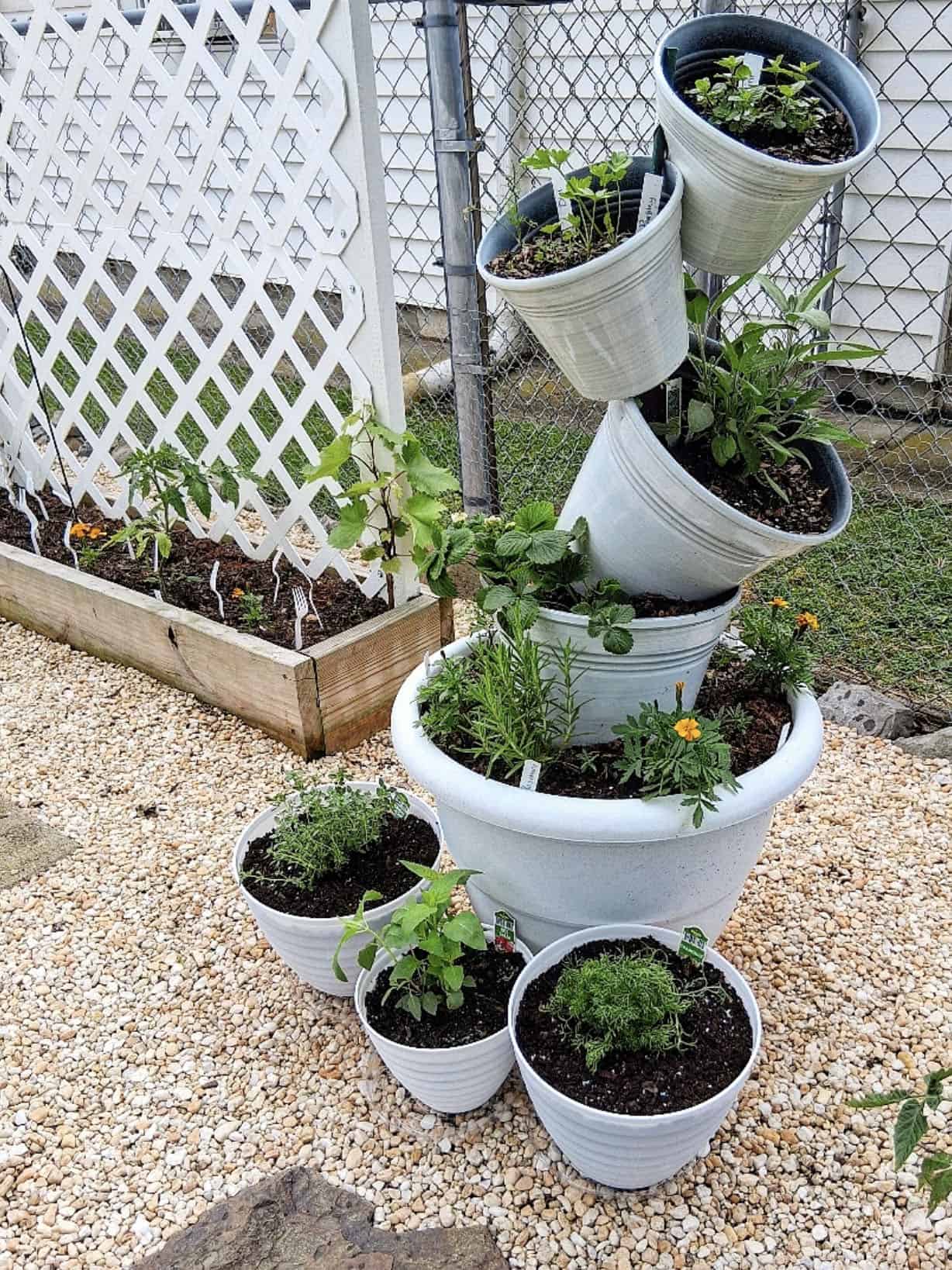
Credit: onekindesign.com
Pest And Disease Management
Managing pests and diseases is crucial for a thriving outdoor herb garden. Pests can damage leaves, roots, and stems, while diseases can spread quickly. Both issues can stunt growth and reduce harvests. Understanding prevention and treatment methods can help maintain healthy plants.
Natural Pest Repellents
Natural pest repellents can protect your herbs without harmful chemicals. Planting companion herbs is one effective method. Basil, for example, repels aphids and mosquitoes. Marigolds deter nematodes and other pests. Use neem oil spray for a broad-spectrum organic solution. It targets insects like aphids and spider mites.
Garlic spray is another effective deterrent. Crush a few cloves and mix with water. Spray this mixture on plant leaves to keep insects at bay. Beneficial insects such as ladybugs and lacewings can also help. They naturally control pest populations.
Identifying Common Diseases
Identifying diseases early can save your plants. Fungal diseases like powdery mildew and root rot are common. Look for white powder on leaves or wilting stems. Bacterial wilt may cause sudden drooping. Dark spots on leaves may indicate leaf spot disease.
Check your garden regularly for signs of trouble. Remove affected leaves or plants to prevent spreading. Ensure proper spacing and airflow around plants. This reduces moisture, which helps fungi thrive. Rotate your herb crops yearly to minimize disease buildup in soil.
Seasonal Maintenance
Designing an outdoor herb garden is a delightful endeavor, but ensuring its vitality throughout the year requires mindful seasonal maintenance. As the seasons change, your garden will need different care approaches to thrive. Embracing these seasonal tasks not only keeps your herbs healthy but also enhances your gardening skills.
Pruning And Harvesting
Regular pruning encourages growth and prevents your herbs from becoming leggy. It’s like giving your plants a fresh haircut, promoting bushier and more productive foliage. Use sharp scissors to trim the tips and remove any dead or yellowing leaves.
Harvesting is equally vital. Picking the herbs regularly stimulates new growth. You can snip a few leaves for cooking and still keep the plant flourishing. Have you ever noticed how cutting back mint makes it grow even more abundantly?
Preparing For Winter
Winter can be harsh, but your herbs can survive with the right preparation. Start by mulching the soil to insulate the roots from frost. A layer of straw or dried leaves works wonders.
Consider moving potted herbs indoors or to a sheltered spot. This simple action can protect them from severe weather. Reflect on last winter: did you lose any herbs to frost because they were left exposed?
If your garden is in an area with mild winters, a protective covering like garden fleece can be handy. It’s essential to ensure your herbs are not only surviving but thriving through the colder months.

Credit: www.almostoffgrid.com
Enhancing Aesthetic Appeal
Creating an outdoor herb garden can be both functional and beautiful. The right design elements transform it into a visual delight. A well-planned garden offers a feast for the eyes. Let’s explore ways to enhance its aesthetic appeal.
Decorative Elements
Decorative elements can add charm to any herb garden. Consider using colorful pots for your herbs. They bring a vibrant splash to the green space. Garden statues or bird baths add interest. Wind chimes create a relaxing atmosphere. Use trellises to support climbing plants. They add height and structure to the garden.
Integrating Pathways
Pathways guide visitors through your garden. They make the space inviting and accessible. Use natural materials like stone or gravel. These blend well with the garden environment. Curved paths create a sense of mystery. Straight paths provide a formal look. Ensure pathways are wide enough for easy movement. Add stepping stones for a playful touch.
Frequently Asked Questions
What Herbs Are Best For Outdoor Gardens?
Choose herbs like basil, rosemary, and thyme for outdoor gardens. These herbs thrive in sunlight and well-drained soil. They are versatile for culinary uses and attract beneficial insects. Ensure you plant them in a location with adequate sunlight. Regular watering and pruning will help maintain their growth.
How Do I Start An Herb Garden?
Start by selecting a sunny location with well-drained soil. Choose hardy herbs like mint, chives, or oregano. Prepare the soil by removing weeds and adding compost. Plant seedlings or seeds at the recommended depth. Water regularly and prune to encourage healthy growth.
Monitor for pests and diseases.
Can I Grow Herbs In Pots Outdoors?
Yes, growing herbs in pots is ideal for small spaces. Choose pots with drainage holes and use quality potting soil. Herbs like parsley, dill, and cilantro do well in containers. Place them in sunny spots and water consistently. Rotate the pots occasionally for even growth.
Regularly harvest to encourage new growth.
How Much Sunlight Do Herbs Need?
Most herbs require six to eight hours of sunlight daily. Sun-loving herbs like basil and oregano thrive with full sun exposure. Leafy herbs like mint can tolerate partial shade. Monitor your garden’s sunlight patterns and adjust accordingly. Adequate sunlight ensures vibrant growth and flavor intensity.
Conclusion
Creating your outdoor herb garden can be simple and rewarding. Choose a sunny spot. Plan the layout with care. Select herbs that suit your needs. Consider easy-to-grow options like basil and mint. Use quality soil for better growth. Regularly water and prune your herbs.
This ensures they stay healthy and thrive. Enjoy the fresh flavors in your meals. Plus, the garden adds beauty to your space. Start small and expand as you gain confidence. With patience, your herb garden will flourish. Happy gardening!







