
Imagine stepping outside your door into a vibrant oasis filled with the colors and scents of nature. A garden can be a place of peace and beauty, but as you start dreaming of planting your own, you might be wondering, “How much does it cost to plant a garden?”
The answer is not as straightforward as you might think. It depends on various factors like size, choice of plants, and materials. But here’s the exciting part—you have the power to shape your garden according to your budget and preferences.
Whether you’re looking to create a small herb garden or a lush landscape, understanding the costs involved can help you make informed decisions. Dive into this article to discover how you can transform your outdoor space without breaking the bank. Let’s explore the possibilities and find the perfect balance between cost and creativity for your gardening dream.

Credit: www.youtube.com
Choosing The Right Location
Choosing the right garden location can affect planting costs. A sunny, well-drained spot reduces water and maintenance expenses, ensuring healthy growth.
Choosing the right location for your garden is a crucial step that can significantly impact both the success of your plants and your wallet. The ideal spot can reduce costs related to water, soil amendments, and even pest control. But how do you decide on the perfect location? Let’s break it down.Understanding Sunlight Requirements
Plants need sunlight to thrive, but not all plants require the same amount. Observe your potential garden area throughout the day. Does it get full sun, partial shade, or is it mostly shaded? Make a list of plants you want to grow, and match their sunlight needs with your garden’s exposure. This simple step can save you from replanting or losing plants, which ultimately saves money.Soil Quality And Composition
Before you plant anything, dig a little to check the soil quality. Is it sandy, clay-like, or loamy? Good quality soil can reduce the need for expensive soil amendments. Consider conducting a simple soil test. Kits are available at garden centers and can provide insight into nutrient deficiencies. Knowing what your soil lacks can help you budget for only the necessary amendments.Water Source Accessibility
Think about the proximity to a water source. Carrying water long distances or investing in a costly irrigation system can quickly add up. If your garden is far from a water source, consider rain barrels or other water-saving options. These can not only cut costs but are also environmentally friendly.Potential Drainage Issues
Assess the drainage of your chosen spot. Standing water can drown roots and create a breeding ground for pests. If you notice poor drainage, consider building raised beds. While they require an initial investment, they can save money in the long run by preventing plant loss.Accessibility And Convenience
Your garden should be in a convenient location for you to maintain regularly. If it’s too far away or difficult to access, you might find yourself neglecting it. A well-placed garden can enhance your enjoyment and ensure regular care, leading to healthier plants and better yields. Choosing the right location is more than just finding a sunny spot. It’s about aligning your garden’s needs with your resources to create a thriving and cost-effective green space. Are you ready to pick the perfect spot for your garden?Selecting Plants And Seeds
Choosing the right plants and seeds sets the foundation for a thriving garden. The variety of plants impacts both the initial cost and ongoing maintenance. Understanding the differences among annuals, perennials, vegetables, herbs, and native plants helps in making informed decisions.
Annuals Vs. Perennials
Annuals bloom for one season and then die. They offer vibrant colors but need replanting each year. This means a recurring cost for seeds or seedlings. Perennials, on the other hand, return year after year. They might cost more initially but save money over time. Consider mixing both for a balanced garden.
Vegetables And Herbs
Growing vegetables and herbs reduces grocery bills. Seeds are cheaper but require patience. Seedlings offer quicker harvests but cost more upfront. Common herbs like basil, parsley, and cilantro are easy to grow. Vegetables like tomatoes, peppers, and lettuce thrive in home gardens. Choose varieties based on climate and space.
Native Plants
Native plants adapt well to local soil and climate. They require less water and fewer fertilizers. This reduces maintenance costs and supports local wildlife. Native plants often resist local pests and diseases. This lowers the need for chemical treatments. They add beauty and sustainability to your garden.
Soil And Fertilizer Needs
Soil and fertilizer are essential for a thriving garden. They provide nutrients and support plant growth. Understanding the soil and choosing the right fertilizer can impact garden expenses. This section explores soil quality testing and the differences between organic and synthetic fertilizers.
Testing Soil Quality
Testing soil quality helps determine its nutrient content. This process identifies deficiencies that need correction. Soil tests are available at local garden centers or online. They reveal pH levels, nutrient levels, and soil type. Adjusting soil based on test results ensures healthy plant growth.
Organic Vs. Synthetic Fertilizers
Organic fertilizers come from natural sources like compost or manure. They improve soil structure and promote beneficial microorganisms. Synthetic fertilizers are chemically manufactured. They offer quick nutrient boosts. Organic options tend to be safer for the environment. Synthetic fertilizers are often more concentrated, providing fast results.

Credit: www.instagram.com
Tools And Equipment
Planting a garden involves more than seeds and soil. Tools and equipment play a vital role. They make tasks easier and more efficient. Understanding costs helps budget planning.
Essential Gardening Tools
Starting a garden requires basic tools. A spade is key for digging holes and moving soil. A trowel assists with planting smaller plants. Pruning shears keep plants healthy by trimming dead growth.
A rake clears leaves and debris, ensuring a tidy garden. A garden hose or watering can is crucial for hydration. Gloves protect hands from thorns and dirt.
Renting Vs. Buying Equipment
Buying tools means long-term ownership. It offers convenience and instant access. However, it involves higher upfront costs. Renting suits those with short-term needs.
Rental costs are lower and offer flexibility. It allows testing before purchasing. Consider frequency of use when deciding. Regular gardeners might benefit more from buying.
Watering Solutions
Estimating garden planting costs involves considering various factors. Soil quality, plant types, and garden size influence expenses. Watering solutions, a key aspect, also affect the budget.
Planting a garden is a rewarding venture, but it requires careful planning, especially regarding watering solutions. Ensuring your plants receive the right amount of water can be both an art and a science. With various options available, you can choose a method that suits your budget and lifestyle while keeping your garden lush and thriving. Let’s dive into two popular watering solutions: irrigation systems and rainwater harvesting.Irrigation Systems
Irrigation systems offer a convenient way to water your garden efficiently. They can range from simple soaker hoses to more complex drip irrigation setups. Advantages: – Time-saving: Once installed, irrigation systems can save you a lot of time. You can even set timers to water your garden automatically. – Water efficiency: Drip systems deliver water directly to the plant roots, minimizing water wastage. However, the cost can vary significantly. A basic soaker hose might only set you back $20, while a full drip irrigation system could cost hundreds. Consider your garden size and plant types when choosing an irrigation system. You might not need an elaborate system for a small vegetable patch.Rainwater Harvesting
Rainwater harvesting is an eco-friendly option that can reduce your water bills. By collecting rainwater, you can store it for dry days, ensuring your garden remains hydrated. Benefits: – Cost-effective: Once you’ve set up a rain barrel or a more extensive system, the water is essentially free. – Environmentally friendly: This method reduces reliance on municipal water sources, conserving water. Setting up a basic rain barrel can cost as little as $50, but more sophisticated systems might require a larger investment. Think about how much rainfall your area receives when considering rainwater harvesting. In regions with frequent rain, this method can be particularly effective. Which watering solution fits your garden best? It might be a combination of both, tailored to your unique needs. By weighing the costs and benefits, you can ensure that your garden thrives without breaking the bank.Budget-friendly Garden Design
Creating a beautiful garden doesn’t have to break the bank. Budget-friendly garden design ideas offer creative solutions that transform your outdoor space. By using simple techniques and materials, anyone can cultivate a stunning garden. Let’s explore how to design a garden without spending a fortune.
Diy Garden Projects
Do-it-yourself projects bring personal touches to your garden. Start with small tasks that make a big impact. Plant seeds instead of buying full-grown plants. It’s cheaper and rewarding to watch them grow. Build simple garden beds using reclaimed wood. Raised beds are easy to manage and look neat. Create pathways with gravel or mulch. Both options are cost-effective and enhance garden beauty. Paint old containers to give them new life. Use them for potted plants or decorations.
Upcycling And Reusing Materials
Upcycling involves transforming waste materials into useful garden items. Reuse plastic bottles as planters. They are perfect for herbs and small flowers. Wooden pallets can become vertical gardens or compost bins. They are versatile and widely available. Old tires make excellent raised beds. Paint them for added color and charm. Broken pots can create eye-catching garden sculptures. They add character and texture to your space. Glass jars can be repurposed as lanterns. Fill them with candles or solar lights for a magical glow.
Seasonal Maintenance Costs
Planting a garden involves more than just the initial setup costs. Seasonal maintenance keeps your garden healthy and thriving. These ongoing expenses can vary based on garden size and plant types. Let’s explore some key maintenance costs.
Pest And Weed Control
Pests and weeds can quickly damage your garden. Controlling them requires regular attention. You can use organic or chemical solutions. Organic options are often more environmentally friendly. They may cost more, but they are safer for your plants. Chemical solutions are usually cheaper. They might require more frequent application.
DIY pest control can save money. Homemade remedies like soap sprays are effective. They are also budget-friendly. Buying commercial products is an alternative. These can be convenient but can add up over time.
Pruning And Trimming
Pruning keeps your plants healthy. It helps them grow better. Regular trimming removes dead or overgrown branches. This maintains a neat appearance. Pruning tools like shears or saws may be needed. Investing in quality tools saves money in the long run.
Hiring professionals for pruning costs more. It’s an option if you lack time or skills. DIY pruning is cheaper. It requires learning techniques and safety measures. This can be a rewarding experience.
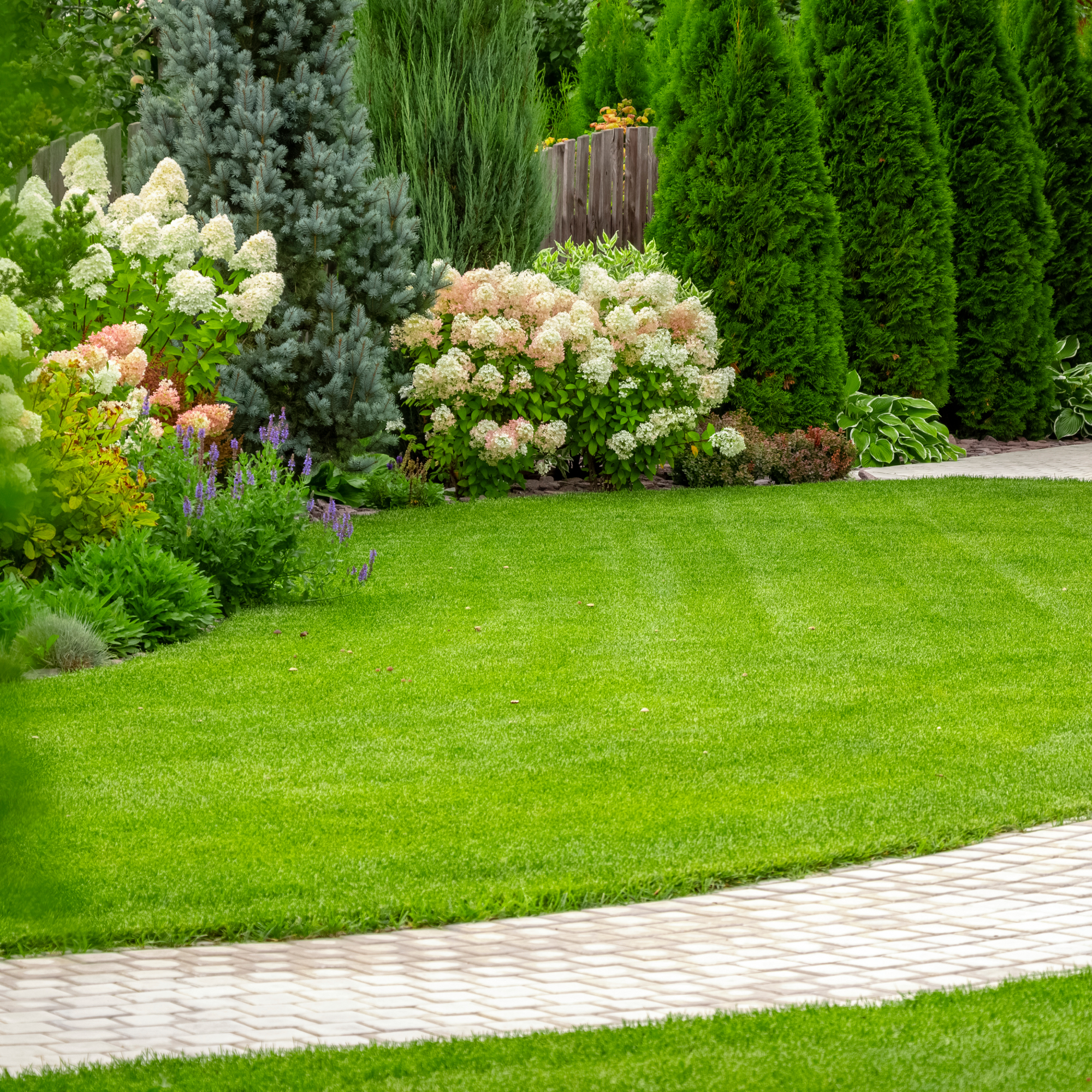
Credit: www.gardeningknowhow.com
Estimating Total Costs
Estimating total costs for planting a garden involves considering seeds, soil, and tools. Plan for irrigation and maintenance too.
Estimating the total cost of planting a garden involves several factors. Knowing these factors helps you plan your garden within your budget. From soil preparation to plant selection, each aspect contributes to the overall expense.Creating A Budget Plan
Start by listing all necessary items for your garden. Consider soil, seeds, tools, and fertilizers. Allocate funds for each category. Research prices online or visit local garden stores. This gives you a clearer picture of what you need to spend. Keep your list updated with any changes or new items.Cost-saving Tips
There are effective ways to reduce gardening costs. Use seeds instead of buying mature plants. They are cheaper and grow well with care. Recycle old containers as plant pots. This saves money and reduces waste. Compost kitchen scraps for free fertilizer. It enriches soil without extra cost. Look for local plant swaps or sales for affordable options.Frequently Asked Questions
What Factors Affect Garden Planting Costs?
Several factors influence garden planting costs, including garden size, plant types, soil quality, and location. Additional expenses may include tools, fertilizers, and pest control. Labor costs can also vary based on professional services needed. Understanding these factors helps in budgeting effectively for a garden project.
How Much Does Soil Preparation Cost?
Soil preparation costs depend on garden size and soil condition. Basic soil preparation may start at $50, including tilling and basic amendments. Costs can rise if advanced treatments or professional services are necessary. Proper soil preparation is crucial for a successful garden.
Are There Ways To Reduce Garden Costs?
Yes, you can reduce garden costs by starting with seeds instead of plants. Reusing containers, composting at home, and sourcing free local materials can also help. Additionally, planning and maintaining a small garden initially can minimize expenses and help manage costs effectively.
Is Hiring A Gardener Worth The Cost?
Hiring a gardener can be worth it for those lacking time or expertise. Professional gardeners offer valuable advice, ensuring plant health and garden aesthetics. They can also optimize planting schedules and maintenance, potentially saving money in the long run by avoiding costly mistakes.
Conclusion
Planting a garden costs vary based on choices and needs. Start small to manage expenses. Consider seeds, soil, and tools. Reuse materials when possible. This saves money. Research plants that thrive locally. They often need less care and cost less.
Plan carefully to avoid waste. Enjoy the process and learn as you grow. Gardening offers joy and fresh produce. Over time, the rewards outweigh the costs. Embrace the journey with patience and creativity. Your garden will flourish with care and attention.







