Imagine stepping into your kitchen and snipping fresh herbs right from your own indoor garden. The aromas of basil, rosemary, and mint fill the air, turning your home into a haven of natural fragrance.
Growing an indoor container herb garden isn’t just a hobby; it’s a delightful experience that brings nature indoors, reduces your grocery bill, and enhances your culinary creations. Whether you have a tiny apartment or a spacious house, you can transform any space into a thriving herb sanctuary.
This guide will reveal easy, practical steps to help you cultivate a lush, aromatic herb garden that flourishes all year round. Get ready to discover the secrets of healthy, vibrant plants that will have you—and your taste buds—coming back for more. Dive in to unlock the magic of indoor gardening and elevate your home with nature’s green charm!
Choosing The Right Herbs
Selecting the right herbs is key to a thriving indoor container garden. Consider basil, mint, or rosemary for their easy growth and usefulness in cooking.
Choosing the right herbs for your indoor container garden can make all the difference in your gardening experience. It’s about finding the balance between what you want to grow and what can thrive indoors. Whether you’re a beginner or a seasoned gardener, selecting herbs that match your environment and lifestyle is key.Best Herbs For Indoors
Many herbs can flourish indoors if given the right conditions. Basil, mint, and thyme are popular choices because they adapt well to indoor environments. They don’t require much light and grow quickly, providing a steady supply of fresh leaves. Have you ever tried growing oregano indoors? Its robust flavor can elevate any dish. Chives are another great option, adding a mild onion taste to your meals. Selecting herbs that complement your cooking style can enhance your culinary adventures.Herbs For Beginners
If you’re new to gardening, starting with easy-to-grow herbs can boost your confidence. Parsley is forgiving and doesn’t demand much care. Its resilience makes it perfect for novice gardeners. Cilantro is another beginner-friendly herb that thrives in cooler conditions. It grows rapidly, offering a quick reward for your efforts. Sage is hardy and low maintenance, making it an excellent choice for those just starting their indoor herb journey.Herbs With Unique Needs
Some herbs come with specific requirements that you need to consider. Rosemary loves sunlight and needs a well-drained potting mix to prevent root rot. Ensuring it gets enough light will keep it thriving. Lavender not only requires ample sunlight but also prefers a dry environment. Its calming scent can fill your home, but remember, overwatering can be its downfall. Have you thought about growing lemongrass? It needs warmth and humidity, making it a bit more challenging but rewarding with its citrusy flavor. Understanding these unique needs can help you decide which herbs will succeed in your home.Selecting Containers
Selecting the right containers is essential for an indoor herb garden. Choose pots with good drainage holes. This prevents waterlogging and keeps herbs healthy. Use containers that fit your space and complement your home décor.
Selecting the right containers is crucial for growing an indoor herb garden. The containers you choose will affect the health and growth of your herbs. Each herb has different needs, so it’s essential to consider various factors. These include size, material, drainage, and aesthetics.Size And Material Considerations
Choose containers that provide enough space for roots to grow. Small herbs need containers with a diameter of at least 6 inches. Larger herbs like rosemary require more room. Clay and terracotta pots are excellent for breathability. Plastic pots are lightweight and retain moisture well. Consider the weight if you plan to move the containers often. The material should suit your watering habits and environmental conditions.Drainage Solutions
Proper drainage is vital for healthy herbs. Ensure containers have holes at the bottom. Without holes, water can accumulate and cause root rot. Use a layer of stones or pebbles at the bottom for better drainage. This prevents water from sitting in the soil. A saucer under the pot can catch excess water.Decorative Options
Containers can enhance the look of your indoor space. Choose colors and designs that match your decor. Consider the placement of containers in your home. Hanging pots or wall-mounted containers save space and add style. Use decorative baskets to hide plain pots. Be creative with your choices to make your herb garden visually appealing.Ideal Soil Mix
Creating an ideal soil mix is crucial for a thriving indoor container herb garden. Herbs need a balance of nutrients, drainage, and aeration to flourish indoors. A good soil mix provides these essentials, ensuring your herbs grow healthy and robust.
Components Of A Good Soil Mix
An effective soil mix contains several key elements. First, good drainage is vital. Incorporate materials like perlite or coarse sand to help water flow. Aeration is another essential factor. Peat moss or coconut coir can improve air circulation around roots. Nutrients are necessary for growth. Compost or worm castings enrich the soil.
Organic Vs. Non-organic Options
Organic options promote healthier plant growth and sustainability. They include natural elements like compost and peat moss. Non-organic mixes often contain synthetic materials like chemical fertilizers. These might offer faster growth but can impact the environment negatively. Choose according to your preference and gardening goals.
Diy Soil Mix Recipes
Creating your own soil mix can be economical and rewarding. Start with a base of equal parts peat moss and perlite. Add one part compost for nutrients. Mix thoroughly to ensure even distribution. Another option is to combine coconut coir and vermiculite. Add worm castings for a nutrient boost. Tailor the mix based on specific herb requirements.
Light Requirements
Growing an indoor container herb garden can be a rewarding endeavor, but understanding the light requirements is crucial for success. Herbs need ample light to thrive, and getting this right can mean the difference between vibrant plants and lackluster ones. Whether you’re using natural light or artificial options, positioning your containers correctly and knowing how to supplement with grow lights can make all the difference.
Natural Light Vs. Artificial Light
Natural sunlight is always ideal for herbs. It provides the full spectrum of light they need. However, not every home has perfect window placement. If you have windows that receive several hours of direct sunlight, your herbs will likely flourish. But what if your home lacks sunlight?
That’s where artificial light comes in handy. LED grow lights can mimic the sun’s rays, giving your herbs the energy they need to grow. They come in various sizes and strengths, so you can find one that fits your space and needs. Have you ever tried growing herbs without enough light and watched them struggle? Artificial lights can prevent that.
Positioning Your Containers
The position of your containers affects how much light your herbs receive. Ideally, place your containers on a windowsill that gets morning or afternoon sun. East or west-facing windows work best.
Consider your daily routine. Do you often close blinds or curtains? Even a few hours of blocked light can impact growth. Keep your windows open during peak sunlight hours to maximize exposure.
Supplementing With Grow Lights
Sometimes natural light just isn’t enough. Grow lights can be a game changer for your herb garden. They provide essential light when daylight is scarce, especially during winter months.
Set up a timer to automate light exposure. A consistent schedule ensures your herbs get the light they need, without you having to remember to turn lights on and off. This little effort can lead to big growth results.
Have you considered adding grow lights but worried about energy use? Modern LEDs are energy-efficient, offering great results without a hefty electric bill. So, why not give them a try?
Watering Techniques
Ensuring proper watering is key to thriving indoor herb gardens. Herbs need consistent moisture but avoid waterlogging. Using pots with drainage holes helps prevent root rot.
Watering your indoor container herb garden might seem straightforward, but mastering the right techniques can make all the difference. Proper watering ensures your herbs thrive, offering lush growth and vibrant flavors. It’s a balancing act between giving your plants the hydration they need without drowning them.Frequency And Quantity
How often should you water your indoor herbs? The answer depends on the type of herbs, the container size, and the environment. Most herbs prefer soil that’s consistently moist but not soggy. You might find that watering every two to three days is sufficient, but always check the top inch of soil for dryness as your guide. The quantity of water is equally important. A small pot might only need a cup, while larger containers could require more. Too much water can be just as harmful as too little. Consider using a watering can with a narrow spout for precision.Signs Of Overwatering
Overwatering can be a silent killer in your indoor herb garden. Watch for yellowing leaves, a common signal that your herbs are getting too much water. Another telltale sign is wilting, even when the soil is damp. Root rot, a more severe consequence, can occur if waterlogged conditions persist. If you notice a foul smell or see roots turning black, it might be time to reassess your watering habits. Adjusting your schedule and allowing the soil to dry out can often save your plants.Self-watering Options
Ever thought about using self-watering pots? These can be a game-changer for busy gardeners. They provide a consistent moisture level, reducing the chances of over or under-watering. Self-watering pots use a reservoir system to deliver water to the roots as needed. This can be particularly helpful if you travel frequently or have a hectic schedule. However, it’s still important to monitor the water level in the reservoir and refill it when necessary. Have you tried any self-watering solutions? They might just become your new best friend in maintaining a healthy, thriving herb garden.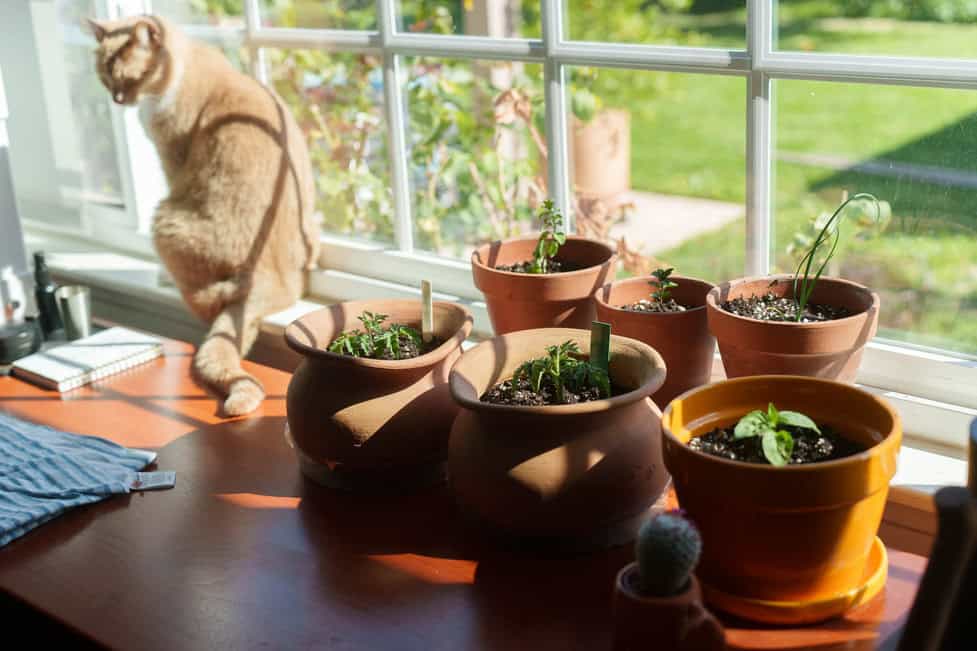
Credit: www.hungryhuy.com
Temperature And Humidity
Understanding temperature and humidity is key to a thriving indoor herb garden. Herbs need specific conditions to flourish. Proper climate management ensures healthy growth and flavorful harvests.
Ideal Conditions For Herb Growth
Herbs prefer temperatures between 65°F and 75°F. This range mimics their natural environment. Avoid placing containers near drafty windows or heat vents. Sudden temperature changes can stress your plants.
Humidity levels should be between 40% and 60%. Herbs like basil, cilantro, and parsley thrive in moderate humidity. Low humidity can cause leaves to dry out. High humidity may lead to mold growth.
Managing Indoor Climate
Use a thermometer and hygrometer to monitor conditions. These tools help maintain the right environment. Adjust heating and cooling systems to keep temperatures stable.
Fans can circulate air and prevent heat buildup. They help reduce excess humidity. Ensure your herbs receive adequate airflow without direct drafts.
Using Humidity Trays
Humidity trays keep moisture levels balanced. Place pebbles in a shallow tray and add water. Position your herb pots on top of the pebbles. This method increases ambient humidity around your plants.
Regularly check water levels in the tray. Refill as needed to maintain consistent humidity. Clean the tray to prevent algae or bacteria growth.
Fertilizing Your Herbs
Ensuring your indoor herb garden thrives involves proper fertilization. Use a balanced fertilizer to nourish your herbs. Apply it every few weeks to maintain healthy growth and vibrant flavors.
Fertilizing your indoor container herb garden is essential for healthy growth. Nutrients in the soil deplete over time. Fertilizers replenish these nutrients, keeping your herbs vibrant and productive. Understanding the types of fertilizers, knowing the right time to fertilize, and avoiding over-fertilization are key.Types Of Fertilizers
Organic fertilizers are natural and safe for herbs. They include compost, fish emulsion, and worm castings. Synthetic fertilizers are concentrated and act quickly. They often come in liquid, granular, or slow-release forms. Choose a balanced fertilizer with equal parts nitrogen, phosphorus, and potassium.When And How To Fertilize
Fertilize herbs every 4-6 weeks during the growing season. Use a diluted liquid fertilizer for quick absorption. Water the soil lightly before applying fertilizer. This prevents root burn and ensures even distribution. Follow the instructions on the fertilizer package for best results.Avoiding Over-fertilization
Over-fertilization can harm your herbs. Signs include yellowing leaves and stunted growth. Use less fertilizer than recommended for young plants. If you notice fertilizer buildup, flush the soil with water. This helps to wash away excess nutrients. Always measure carefully and stick to a routine.
Credit: www.gardeningknowhow.com
Pruning And Harvesting
Trim herbs regularly to boost growth and keep them healthy. Harvest leaves often for fresh flavors in dishes.
Growing an indoor container herb garden can be a fulfilling hobby, but it demands attention to detail, especially when it comes to pruning and harvesting. These practices not only keep your herbs vibrant and productive but also enhance their flavor and aroma. Let’s dive into some practical tips to make sure your indoor garden thrives.Pruning Techniques For Healthier Plants
Pruning is more than just trimming—it’s about encouraging growth and vitality. Start by removing any dead or yellowing leaves. This helps the plant focus its energy on healthy growth. Pinching the tips of your herbs can stimulate bushier growth. For herbs like basil, pinching just above a pair of leaves can prevent flowering and maintain flavor. Regularly check your plants for overcrowded areas and thin them out to allow light and air to reach all parts of the plant.Best Time To Harvest
Timing is crucial when harvesting herbs for maximum flavor. The best time to harvest is usually in the morning after the dew has dried but before the sun’s heat intensifies. This is when the oils in the herbs are most concentrated. For leafy herbs, cut the stems just above a leaf pair to encourage new growth. If you’re harvesting herbs like thyme or rosemary, snip sprigs with sharp scissors to avoid damaging the plant. Always use clean tools to prevent the spread of disease.Storing Your Harvest
Proper storage ensures that your herbs remain flavorful long after they’ve been harvested. Fresh herbs can be stored in the refrigerator by placing the stems in a jar of water and covering the leaves with a plastic bag. For long-term storage, consider drying or freezing your herbs. Air-drying works well for herbs like oregano and sage. Alternatively, freeze herbs in ice cube trays with water or olive oil for easy use in cooking. How do you ensure your indoor herb garden stays lush and productive? By giving a little extra care through pruning and harvesting, you’ll enjoy fresh herbs year-round. Remember, the key is consistency and observation—your plants will tell you what they need!Pest And Disease Management
Ensure your indoor container herb garden thrives by monitoring for pests and diseases. Regularly check leaves for spots or bugs. Use natural remedies to control outbreaks and keep plants healthy.
Growing an indoor container herb garden is a fantastic way to bring fresh flavors and aromas into your home. However, maintaining your herb garden involves more than just watering and sunlight. Effective pest and disease management is crucial for keeping your herbs healthy and thriving. If you’ve ever noticed tiny bugs or mysterious spots on your plants, don’t worry—you’re not alone. Understanding how to manage these challenges can make all the difference in your gardening success.Common Indoor Herb Pests
Even indoor plants can fall victim to pesky invaders. Aphids, spider mites, and whiteflies are frequent visitors. These tiny insects can cause significant damage by sucking the sap from your plants, leading to wilting and distorted leaves. Keep an eye out for signs like sticky residue or webbing. Have you ever found yourself wondering why your basil leaves are curling? It could be the work of these common culprits.Natural Pest Control Methods
Fortunately, there are natural ways to protect your herbs from pests without resorting to harsh chemicals. Use a mixture of water and mild soap to create a gentle spray that can deter pests. Introducing beneficial insects like ladybugs can be a game-changer. They prey on aphids and other harmful bugs. Neem oil is another effective option that interrupts the growth cycle of pests. Did you know that a simple spray of diluted neem oil can keep those unwanted guests at bay?Preventing Disease Spread
Diseases can spread rapidly if not managed properly. Ensure proper air circulation by spacing your containers adequately. This reduces humidity and helps prevent fungal growth. Always remove any diseased leaves or stems promptly to stop the spread. Make sure your tools are clean before use to avoid transferring pathogens. Are your herbs showing signs of a fungal infection? Consider using a homemade fungicide with ingredients like baking soda and water to address the issue.
Credit: www.familyhandyman.com
Troubleshooting Common Issues
Starting an indoor herb garden can be tricky without proper guidance. Ensure sufficient light and proper drainage to keep herbs thriving. Regular watering and checking soil moisture are vital for healthy growth.
Growing an indoor container herb garden is rewarding. Sometimes, problems arise, affecting your plants’ health. Understanding these issues helps maintain a thriving garden. Let’s explore some common challenges and solutions.Yellowing Leaves
Yellow leaves can signal various problems. Overwatering is a frequent cause. Check soil moisture before watering. Ensure containers have drainage holes to prevent root rot. Nutrient deficiency is another reason. Use a balanced fertilizer to nourish your herbs. Inadequate light also affects leaf color. Position plants in bright areas or use grow lights for optimal results.Stunted Growth
Slow-growing herbs can be frustrating. Poor soil quality is often the culprit. Use potting mix designed for herbs for better growth. Container size matters too. Small pots restrict root development. Choose larger containers for robust root systems. Temperature impacts growth as well. Keep herbs in warm areas away from cold drafts.Lack Of Flavor
Flavors may diminish over time. Harvesting plays a role. Regular clipping encourages new growth and enhances taste. Proper sunlight ensures flavorful herbs. Place containers in direct sunlight for several hours daily. Fertilizer choice influences flavor. Organic options tend to preserve natural herb tastes. Avoid heavy chemical fertilizers which may alter flavors.Frequently Asked Questions
What Herbs Are Best For Indoor Growing?
Basil, mint, and parsley thrive indoors. These herbs prefer sunlight and regular watering. They’re great for beginners and add fresh flavors to meals. Ensure they receive adequate light and maintain consistent moisture levels for optimal growth.
How Often Should I Water Indoor Herbs?
Water indoor herbs when the soil feels dry. Over-watering can harm the plants, while under-watering can stunt growth. Ensure proper drainage in containers to prevent water accumulation. Adjust watering frequency based on plant type and indoor climate conditions.
Do Indoor Herbs Need Sunlight?
Yes, indoor herbs need sunlight for healthy growth. Place them near a sunny window for 6-8 hours of light daily. Alternatively, use grow lights to supplement natural light. Adequate sunlight ensures herbs develop strong flavors and vibrant colors.
How Do I Prevent Pests On Indoor Herbs?
Keep indoor herbs pest-free by checking leaves regularly. Use organic insecticidal soap if you notice pests. Ensure proper air circulation to prevent mold and mildew. Maintain cleanliness around the herb containers to discourage pest infestations.
Conclusion
Starting an indoor container herb garden is simple and rewarding. Fresh herbs enhance meals with unique flavors. They also add greenery to your space. Choose pots with proper drainage to keep herbs healthy. Place them where they get enough sunlight.
Remember to water and trim them regularly. Patience and care lead to a thriving herb garden. Enjoy the process and the fresh taste of homegrown herbs. Happy gardening!