
Imagine transforming your backyard into a lush garden paradise. But what if your dream garden overlaps with a septic drain field?
You might wonder: can you plant a garden over a septic drain field without compromising its functionality? This question isn’t just about beautifying your space; it’s about balancing aesthetics with practicality. If you’re intrigued by the idea of merging nature with your home’s essential systems, you’re in the right place.
We’ll guide you through the do’s and don’ts, ensuring your garden thrives while keeping your septic system safe. Dive in to discover how you can cultivate beauty without sacrificing peace of mind.

Credit: www.delvalseptics.com
Septic Drain Field Basics
Planting a garden over a septic drain field is possible with caution. Opt for shallow-rooted plants to avoid damaging the system. Vegetables should be avoided due to potential contamination risks.
Septic drain fields, often tucked away in the corners of our yards, play a crucial role in waste management. Understanding their basics can make all the difference when deciding whether to plant a garden over them. These fields, part of a septic system, manage the disposal of wastewater from your home. They consist of a network of perforated pipes buried in shallow, gravel-filled trenches. The purpose of a septic drain field is to treat wastewater using the natural filtration process. As the wastewater flows through the pipes, it slowly seeps into the soil, where bacteria break down harmful substances. This process ensures your household waste is treated safely and efficiently.What Is A Septic Drain Field?
A septic drain field is an underground area that absorbs and treats wastewater. It is typically located away from the main living spaces to minimize disturbance. The drain field is an essential component of your septic system, ensuring that wastewater is efficiently filtered before it returns to the groundwater supply.Components Of A Septic Drain Field
Septic drain fields are composed of several key elements. The main components include:- Pipes:Perforated pipes allow wastewater to flow from the septic tank into the field.
- Gravel Beds:These beds support the pipes and help distribute the wastewater evenly.
- Soil Layers:Soil acts as a natural filter, breaking down contaminants through bacterial action.
How Does A Septic Drain Field Work?
The functionality of a septic drain field relies on gravity and soil filtration. Wastewater exits the septic tank and enters the drain field through pipes. As it percolates through the gravel and soil, bacteria break down organic matter, purifying the water before it reaches the groundwater.Importance Of Proper Maintenance
Maintaining your septic drain field is crucial for its longevity and efficiency. Regular inspections can prevent clogs and failures. Avoid using harsh chemicals and excessive water usage to ensure your system remains healthy.Considerations For Planting Over A Septic Drain Field
Planting a garden over your septic drain field requires careful planning. Consider the root systems of plants, as deep roots can damage pipes. Opt for shallow-rooted plants, which are less likely to interfere with the septic system. Before you grab your gardening gloves, it’s essential to balance the aesthetics of your garden with the functionality of your septic system. Have you ever considered how the plants you choose might impact your home’s underground hero?Benefits Of Planting Over A Drain Field
Planting over a septic drain field can enhance soil absorption and prevent erosion. Certain plants improve soil health and assist in moisture control. Choose shallow-rooted species to avoid damaging septic systems.
Planting over a septic drain field can be more than just an aesthetic choice. Surprisingly, it offers several benefits that might make you reconsider that barren patch in your backyard. Not only does it enhance the visual appeal of your landscape, but it also provides functional advantages that can improve the health of your septic system. Let’s dive into the perks of planting over a drain field.Improved Soil Health
Your garden can contribute to the soil’s health by fostering a diverse ecosystem. Plants can help absorb excess moisture, preventing the soil from becoming waterlogged. This moisture regulation can be crucial for maintaining the proper function of your septic system. Imagine walking out to your garden and knowing that your beautiful blooms are working behind the scenes to keep your septic system running smoothly.Erosion Control
A garden over your drain field can act as a natural barrier against erosion. The roots of plants stabilize the soil, reducing the risk of erosion that can expose the drain pipes. This stabilization not only protects your system but also maintains the landscape’s integrity. You might find that, over time, your garden becomes a reliable ally in preserving the structure of your drain field.Enhanced Aesthetic Appeal
A lush garden can transform a dull, barren drain field into a vibrant oasis. The visual appeal of a well-tended garden can boost your property’s curb appeal, making your home inviting and picturesque. Think about the joy of inviting friends over and watching them admire the beauty of your garden, unaware of the vital role it plays beneath the surface.Natural Pest Control
Certain plants can act as natural pest deterrents, reducing the number of unwanted critters around your home. For instance, marigolds are known for their ability to repel nematodes, which can be harmful to septic systems. By choosing the right plants, you contribute to a healthier environment for your septic system and your entire garden.Educational Opportunity
Planting over a drain field can be a unique educational opportunity for your family. Exploring how plants interact with the septic system can foster a deeper understanding of ecological systems. It’s a perfect chance to teach children about the balance between nature and technology. You might find yourself fascinated by the way your garden and septic system complement each other in a harmonious dance. So, are you ready to turn your septic drain field into a thriving garden? With these benefits in mind, the decision might be easier than you think.Potential Risks And Considerations
Planting a garden over a septic drain field is tempting but risky. Several factors need careful attention to avoid problems. Understanding potential risks can save you from future headaches.
Root Intrusion Concerns
Roots can invade septic systems, causing blockages. This leads to costly repairs. Certain plants have aggressive root systems. Avoid trees and shrubs with deep roots near the septic field. Choose shallow-rooted plants to minimize interference.
Soil Compaction Issues
Heavy equipment can compact soil over septic fields. Compacted soil reduces system efficiency. Roots struggle to penetrate compacted soil. Avoid walking or placing heavy objects on the drain field. Use light gardening tools and techniques to maintain soil health.
Water Absorption Challenges
Excess water can flood septic systems. Flooding leads to system failure. Garden plants may require frequent watering. Overwatering can disrupt septic function. Implement proper drainage solutions to prevent water pooling. Monitor water usage closely to avoid issues.
Ideal Plants For Drain Fields
Planting a garden over a septic drain field demands careful choices. Opt for shallow-rooted plants like grass or wildflowers to avoid disrupting the system. These choices enhance the area while preventing damage to pipes.
Planting a garden over a septic drain field can be a smart way to utilize space while maintaining the system’s integrity. Choosing the right plants is crucial to prevent root invasion and ensure the septic system functions properly. This section will guide you through ideal plant selections that will thrive without compromising your septic drain field.Shallow-rooted Options
Shallow-rooted plants are your best friends when it comes to planting over a septic drain field. They are less likely to interfere with the pipes and other components underground. Consider vibrant annuals like marigolds or zinnias. These not only add color but also have roots that stay close to the surface. Perennials like daylilies or hostas are another great option. They offer seasonal blooms and their root systems are typically non-invasive. Have you ever noticed how well lavender grows with minimal fuss? Its shallow roots and fragrant blooms make it ideal for such areas.Native Plants Selection
Native plants tend to require less maintenance, making them an excellent choice for drain fields. They are adapted to local soil and climate conditions, which means they are less likely to need extensive watering or fertilization. Think about incorporating native grasses or shrubs like butterfly weed or coneflower. These plants will attract pollinators and add a natural touch to your garden. Plus, they don’t mind the occasional wet feet if the drain field gets moist. Choosing plants indigenous to your area can also help in conserving water and reducing your garden’s ecological footprint. Are you curious about the benefits of native flora? Their adaptability to local conditions ensures they flourish with minimal intervention.Grass And Ground Covers
Grass and ground covers can provide a neat, low-maintenance solution for septic drain fields. Creeping thyme or sedum offer excellent coverage without aggressive root systems. They require little upkeep and will fill out beautifully, creating a lush carpet effect. If you prefer a more traditional look, consider planting turf grass. Fine fescue or Kentucky bluegrass are suitable choices that will not disrupt the septic system. They offer year-round greenery and are resilient to foot traffic. Ground covers like clover or vinca can also add visual interest while protecting the soil. Have you ever tried walking barefoot on a clover-filled lawn? It feels like nature’s softest carpet, and it’s kind to your septic system too. Selecting the right plants can transform your septic drain field into a thriving garden. Which plants will you choose to create a harmonious blend of beauty and functionality?Plants To Avoid
Planting a garden over a septic drain field requires careful plant selection. Avoid deep-rooted plants like trees and shrubs, which can damage pipes. Opt for shallow-rooted grasses and perennials to protect the system.
When gardening over a septic drain field, choosing the right plants is crucial. Certain plants can damage the septic system. These plants should be avoided to protect your system.Deep-rooted Trees And Shrubs
Deep-rooted trees and shrubs are a threat to septic systems. Their roots grow aggressively. They can penetrate pipes and cause blockages. Common culprits include willow, maple, and birch trees. Avoid planting them near your drain field. They seek moisture and nutrients from the septic system. This can lead to costly repairs.Invasive Species Risks
Invasive species are another concern. They spread rapidly and compete with other plants. They can disrupt the balance of your garden. Bamboo and Japanese knotweed are examples. These plants can invade and dominate your garden space. Their roots can also damage the septic system. They can be difficult to remove once established. Avoid planting them to protect your garden and septic system.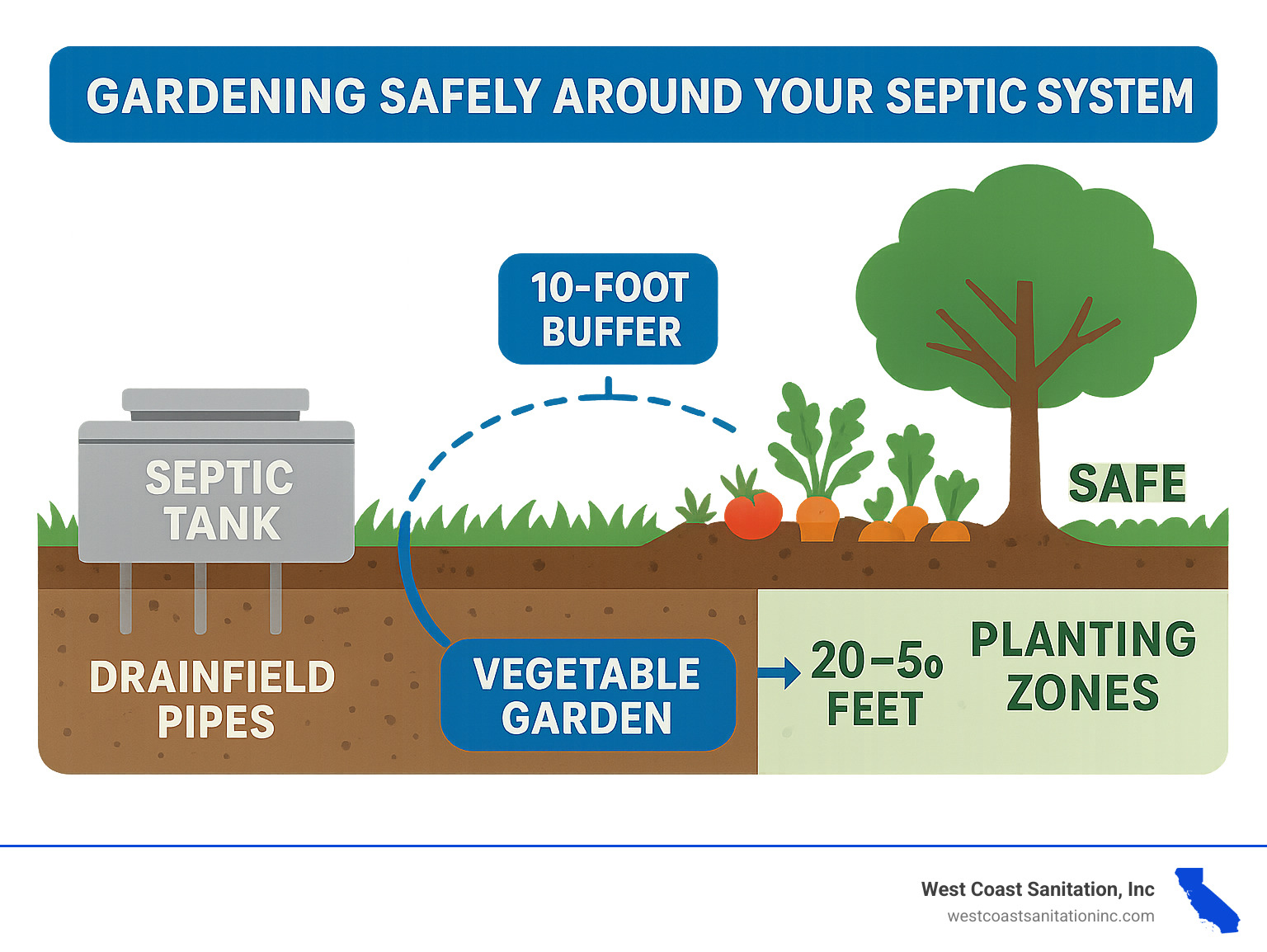
Credit: westcoastsanitationinc.com
Planting Techniques
Planting a garden over a septic drain field is possible with careful planning. Choose shallow-rooted plants to avoid damaging septic systems. Avoid trees or shrubs with deep roots to prevent pipe interference.
Planting a garden over a septic drain field can be a smart use of space. But it requires careful planning and techniques to ensure success. Choosing the right plants is crucial. Shallow-rooted plants work best because they won’t disturb the septic system. This section will guide you through the essential planting techniques.Soil Preparation Tips
Start by assessing the soil quality. Test the pH level to ensure it’s suitable for your chosen plants. Avoid using heavy machinery; it can compact the soil and damage the septic system. Instead, gently loosen the topsoil with a rake or hoe. Add a thin layer of compost to enrich the soil. This boosts nutrient content without adding too much weight.Watering And Maintenance
Watering is crucial but should be done cautiously. Overwatering can lead to soil compaction or system damage. Use a soaker hose or drip irrigation to control water distribution. Water in the early morning to reduce evaporation. Regularly check for signs of plant stress or disease. Remove any weeds promptly to reduce competition for nutrients. Regular maintenance ensures a thriving garden without harming the septic system.Expert Tips For Success
Planting a garden over a septic drain field requires careful planning and plant selection. Opt for shallow-rooted plants to prevent damage to the system. Ensure proper spacing to allow for maintenance and avoid heavy foot traffic in the area.
Planting a garden over a septic drain field can be a smart way to utilize your outdoor space, but it requires careful planning and attention to detail. Success lies in understanding the unique challenges and benefits of this gardening approach. With expert tips, you can ensure your garden thrives without compromising the health of your septic system.Monitoring Drain Field Health
To maintain a successful garden over a septic drain field, regularly monitor the health of the drain field. Check for signs of system failure, such as unpleasant odors or standing water. These could indicate blockages or leaks, which need immediate attention to prevent damage to your garden. A healthy drain field should support plant growth without causing drainage problems. Keep an eye on the soil moisture levels, ensuring they remain consistent. Consider conducting soil tests to monitor nutrient levels and adjust your planting strategy accordingly.Seasonal Care Advice
Caring for a garden over a septic drain field requires seasonal adjustments. During dry seasons, be cautious with watering to avoid over-saturating the soil, which can stress the septic system. Mulching can help retain moisture and regulate temperature, benefiting both plants and the drain field. In colder months, choose plants that can withstand frost and reduce the need for frequent watering. Avoid heavy equipment or foot traffic, especially during wet seasons, as this can compact the soil and damage the drain field. Have you considered the types of plants best suited for your septic garden? Opt for shallow-rooted varieties like grasses or perennial flowers, which are less likely to interfere with the septic system. By staying attentive to these details, you can enjoy a flourishing garden without compromising your septic system’s efficiency.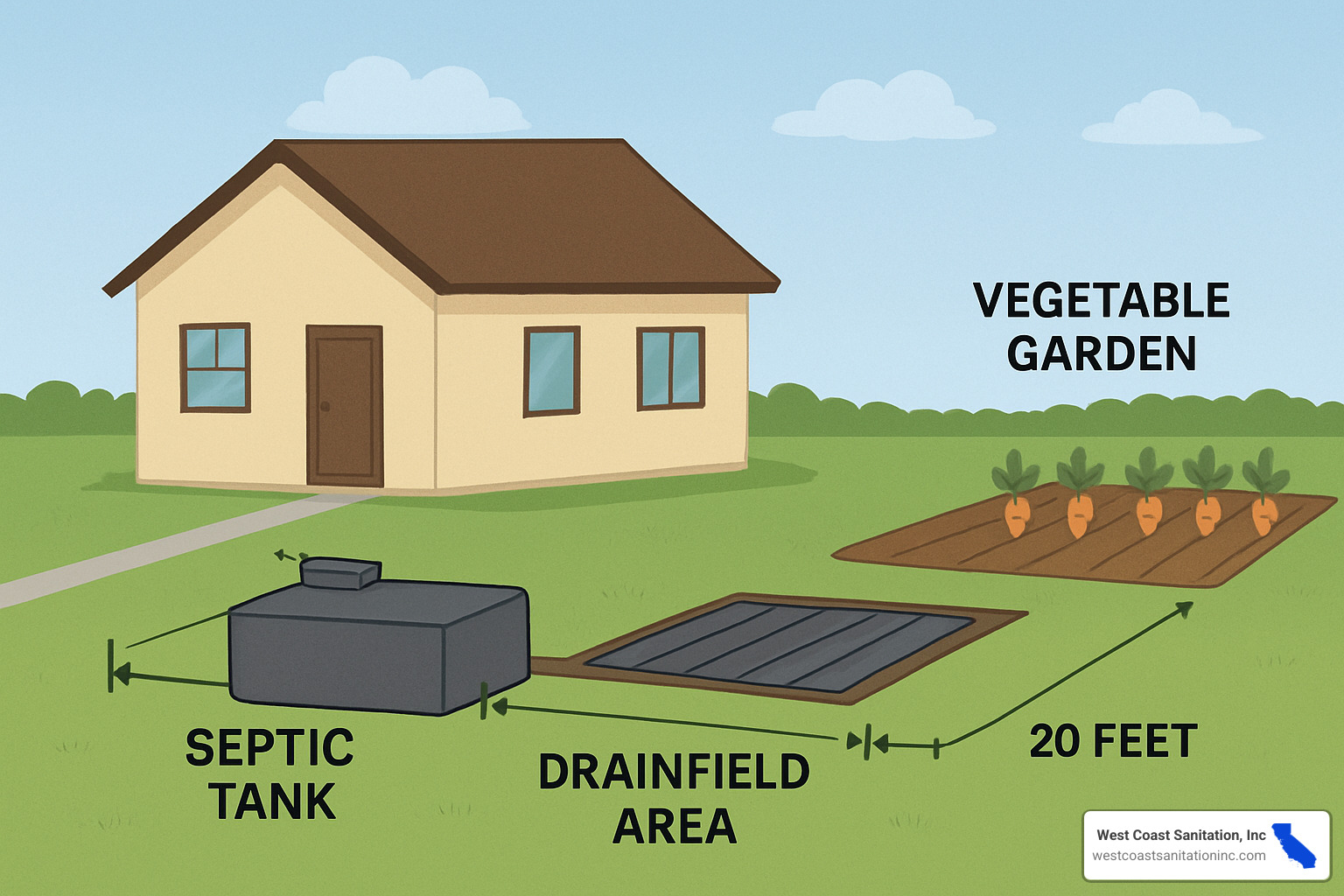
Credit: westcoastsanitationinc.com
Frequently Asked Questions
Is It Safe To Plant Over Septic Fields?
Planting over septic fields can be risky. Roots may damage pipes, affecting system efficiency. Choose shallow-rooted plants or ground covers. Avoid trees and shrubs to minimize potential damage. Regular maintenance and inspections ensure system functionality, preventing costly repairs.
What Plants Are Suitable For Septic Drain Fields?
Opt for grass, wildflowers, or shallow-rooted perennials. These plants prevent erosion and offer aesthetic appeal. Avoid deep-rooted plants like trees. Choose native species for better adaptability. Regularly check plant growth to avoid root interference with septic components.
Can Vegetable Gardens Thrive Over Septic Systems?
Vegetable gardens aren’t recommended over septic fields. Contamination risks exist, especially for root vegetables. Soil may contain harmful bacteria or pathogens. Prioritize food safety and consider alternative garden locations. Raised beds away from septic areas are safer options for growing vegetables.
How Does Planting Affect Septic Performance?
Planting impacts septic performance through root intrusion. Roots can clog or damage pipes, reducing system efficiency. Proper plant selection minimizes risks. Regular inspections help maintain system health. Understanding plant characteristics ensures compatibility with septic field requirements.
Conclusion
Planting a garden over a septic drain field can be tricky. It’s essential to choose the right plants. Shallow-rooted varieties work best. They prevent damage to the system. Avoid trees and shrubs with deep roots. Their roots can block pipes.
Keep the area well-maintained. Mow regularly to discourage root growth. Always consult a professional if unsure. This ensures safety and success. With care, you can enjoy a lovely garden and a healthy septic system. Balance is key. Happy gardening!







