Imagine plucking fresh tomatoes from your very own indoor garden or savoring juicy strawberries right off the vine, all without stepping outside. Indoor fruit and veggie gardening isn’t just a trend—it’s a way to bring nature’s bounty into your home, regardless of the season.
Whether you live in a bustling city apartment or a cozy suburban home, creating an indoor garden is simpler than you think. With the right techniques and a dash of creativity, you can transform your space into a lush oasis that rewards you with delicious produce.
This guide will reveal the secrets to successful indoor gardening, from choosing the right fruits and veggies to mastering lighting and watering techniques. You’ll discover how to optimize your space, manage pests naturally, and enjoy the fruits of your labor. Get ready to unlock the potential of your home and embrace the joy of nurturing plants that feed both your body and soul. Dive in, and soon you’ll be enjoying the sweet success of your indoor fruit and veggie garden.

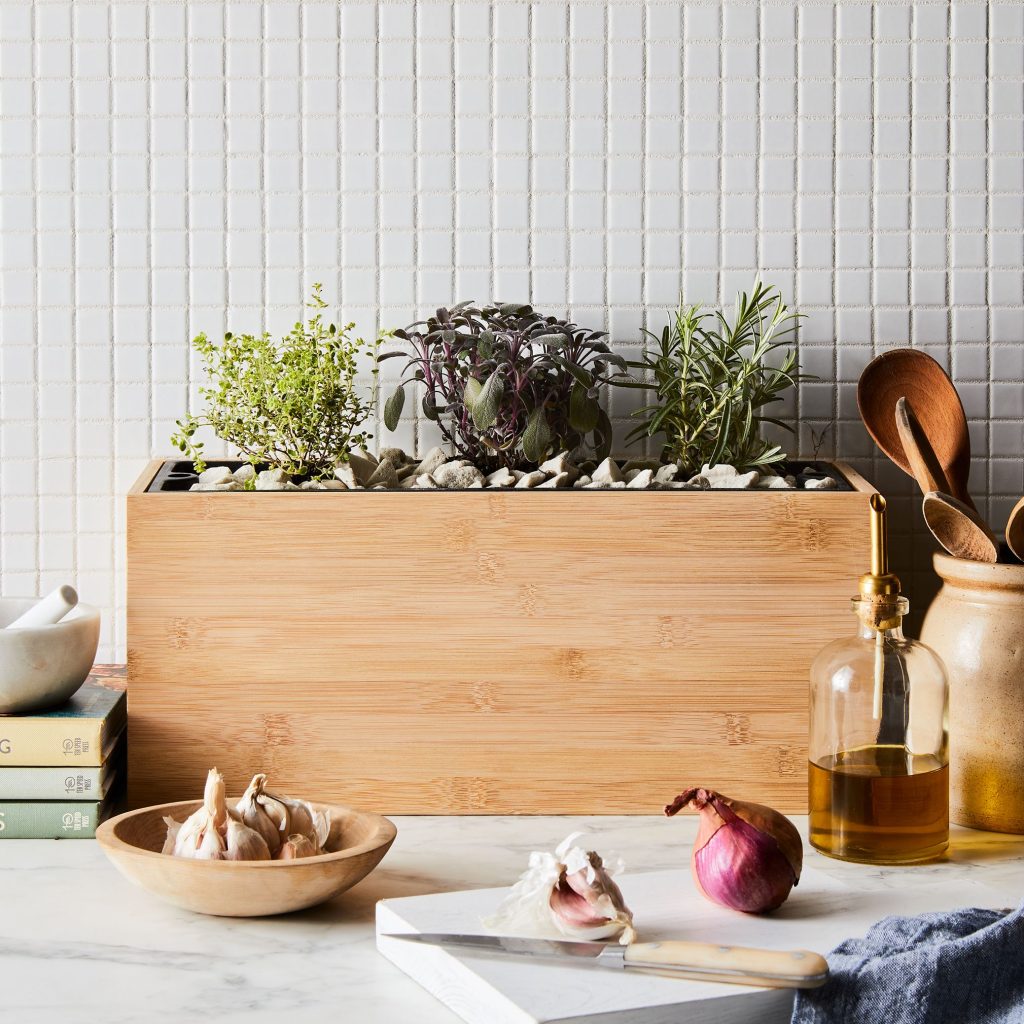
Credit: food52.com
Choosing The Right Space
Selecting the perfect spot is crucial for indoor fruit and veggie gardening. Ensure the space receives ample natural light. Sufficient ventilation and humidity control help plants thrive indoors.
Choosing the right space for your indoor fruit and veggie garden is crucial. The right environment helps your plants thrive. They need light, proper temperature, and humidity. Picking the right spot ensures a bountiful harvest.Assessing Light Conditions
Plants rely on light for growth. Find a spot with enough natural light. Windows facing south or east usually offer ample sunlight. If natural light is limited, consider grow lights. LEDs or fluorescent lights work well. Position them close to your plants for best results. Light exposure must match plant needs. Some plants thrive in bright light. Others prefer shade or indirect light.Temperature And Humidity Considerations
Temperature affects plant growth. Most veggies prefer temperatures between 65-75°F. Ensure your chosen space remains stable. Avoid spots near heaters or air conditioners. These can cause temperature fluctuations. Humidity is vital too. Plants need a balance of moisture in the air. Typically, aim for 40-60% humidity. Use a humidifier if air is too dry. Conversely, a dehumidifier helps if air is too moist. Monitor conditions with a hygrometer. Adjust as needed to maintain ideal levels.Selecting Fruits And Vegetables
Choosing the right fruits and vegetables is key for an indoor garden. Opt for compact varieties like cherry tomatoes and dwarf peppers. Leafy greens like spinach and lettuce thrive indoors.
Selecting the right fruits and vegetables is crucial for a thriving indoor garden. Indoor gardening offers a unique opportunity to grow fresh produce year-round. Choosing the right varieties ensures a successful harvest. Consider space, light, and temperature when selecting plants.Best Fruits For Indoor Growth
Some fruits thrive indoors with the right care and environment.- Strawberries:Compact plants that produce sweet, juicy berries.
- Lemons:Dwarf varieties are perfect for sunny windowsills.
- Figs:Adaptable to indoor conditions with minimal space.
- Avocados:Can be grown from seeds for a fun project.
- Tomatoes:Technically fruits, they do well in pots.
Ideal Vegetables For Indoor Gardens
Vegetables can flourish indoors with proper care and attention.- Lettuce:Quick-growing and perfect for salads.
- Spinach:Thrives in cooler indoor temperatures.
- Radishes:Fast-growing and require little space.
- Carrots:Choose shorter varieties for container growth.
- Herbs:Basil, mint, and cilantro are great indoor choices.
Essential Gardening Supplies
Creating an indoor fruit and veggie garden requires essential supplies like pots, soil, and grow lights. Choose containers with good drainage to ensure healthy plant growth. Proper lighting and nutrient-rich soil are key for thriving plants indoors.
Growing an indoor fruit and veggie garden is an exciting adventure that brings the joy of fresh produce right into your home. But to ensure your garden thrives, gathering the right gardening supplies is crucial. These essentials will lay the foundation for a flourishing indoor oasis.Containers And Pots
Selecting the right containers and pots can make a world of difference. Choose pots with adequate drainage holes to prevent waterlogging, which can lead to root rot. Consider the size of your plants; larger pots are ideal for fruiting plants like tomatoes and peppers, whereas smaller pots work for herbs. Think creatively—upcycle household items like old buckets or wooden crates. This not only saves money but also adds a unique touch to your indoor garden. Just ensure they are clean and have proper drainage.Soil And Fertilizers
Not all soils are created equal. Opt for high-quality potting soil that retains moisture yet drains well. This provides a nurturing environment for your plants’ roots. Fertilizers are your plants’ food, so choose wisely. Organic options like worm castings or compost are excellent for enriching the soil. Follow package instructions to avoid over-fertilizing, which can harm your plants.Watering Tools
Watering might seem straightforward, but having the right tools can simplify the task. A small watering can with a narrow spout allows for precise watering, preventing over-saturation. Consider a spray bottle for misting delicate seedlings or humidity-loving plants like ferns. Regularly check soil moisture levels with your fingers to tailor watering schedules to your garden’s specific needs. What unexpected item have you used to nurture your plants? Sometimes, a simple adjustment in tools or methods can transform your indoor gardening experience.
Credit: food52.com
Planting Techniques
Growing fruit and veggies indoors requires selecting the right pots and soil. Position them near sunlight for best results. Watering regularly and ensuring good air circulation are key.
Planting techniques are crucial for a thriving indoor fruit and veggie garden. Understanding the right methods helps seeds sprout and plants grow strong. This section explores essential techniques for starting seeds and transplanting them successfully.Seed Starting Methods
Starting seeds indoors requires some basic materials. Begin with good-quality seeds and sterile soil. Use seed trays or small pots for better control. Ensure proper drainage and moisture levels. Place seeds in the soil, covering them lightly. Keep them warm and moist for germination. Consider using grow lights to mimic sunlight. Monitor daily for sprouts and adjust conditions as needed.Transplanting Tips
Transplanting is moving seedlings to larger containers. Wait until seedlings have multiple leaves. Use pots with enough space for roots to spread. Handle the seedlings gently, holding them by leaves. Prepare the new pot with fresh soil. Make a hole for the seedling and place it carefully. Water after transplanting to settle the soil. Keep the plant in indirect light initially. Gradually expose it to more light as it adapts.Maintaining Your Indoor Garden
Discover the joy of indoor gardening with fruits and veggies. Choose the right containers and soil mix. Ensure proper light exposure for healthy growth.
Maintaining your indoor garden is the key to ensuring your plants thrive, providing you with fresh fruits and vegetables year-round. It’s not just about planting; it’s about creating a nurturing environment that supports growth. By understanding the needs of your plants, you can enjoy a bountiful harvest even if you’re gardening indoors.Watering And Feeding Schedule
Keeping a consistent watering schedule is crucial for your indoor plants. Too much water can lead to root rot, while too little can dry out your plants. Aim to keep the soil moist but not soggy. Use your finger to test the soil; if it feels dry an inch below the surface, it’s time to water. Consider using a watering can with a spout for precision. Feeding your plants with the right nutrients is equally important. Use a balanced liquid fertilizer every two weeks to provide essential nutrients. Look for fertilizers specifically designed for fruit and veggie plants to ensure optimal growth.Pruning And Pest Control
Pruning helps your indoor garden flourish by encouraging new growth. Trim dead or yellowing leaves regularly to keep your plants healthy. This also allows sunlight to reach lower leaves, promoting overall growth. Pest control in an indoor garden can be challenging but manageable. Regularly inspect your plants for signs of pests like aphids or spider mites. Use natural remedies, such as neem oil or insecticidal soap, to treat infestations without harming your plants or indoor environment. Have you ever noticed how pests can sneak up on your plants overnight? A vigilant eye can save your garden from damage. Remember, healthy plants are less susceptible to pests, so keep your plants strong with proper care.Maximizing Growth
Creating an indoor fruit and veggie garden boosts growth with proper sunlight and space management. Choose the right containers and soil for healthy plants. Regular watering and monitoring ensure steady growth.
Maximizing Growth in your indoor fruit and veggie garden can transform your efforts into a bountiful harvest. It’s not just about planting seeds and waiting; it’s about creating the optimal conditions for your plants to thrive. By using innovative techniques, you can ensure that your indoor garden is lush and productive all year round.Using Grow Lights
Adequate light is crucial for plant growth, especially in indoor settings. Natural sunlight may not always be available, but grow lights can fill this gap. They provide the right spectrum of light that plants need for photosynthesis. Choose LED grow lights as they are energy-efficient and produce less heat. Position them at an appropriate distance to avoid scorching your plants. Adjust the lighting duration according to the plant’s needs, often around 12-16 hours a day.Implementing Hydroponics
Hydroponics is a soil-free method that can boost your indoor gardening success. It allows plants to grow in a nutrient-rich water solution, offering better control over nutrient delivery. This method often leads to faster growth and higher yields. Setting up a basic hydroponic system doesn’t have to be complex. Start with a simple DIY kit that includes a water reservoir, pump, and net pots. Monitor the water pH and nutrient levels regularly to keep your plants healthy. Have you ever wondered how much more productive your indoor garden could be with these methods? By embracing grow lights and hydroponics, you’re not just growing plants; you’re cultivating potential. Your effort today could lead to a thriving, sustainable indoor garden tomorrow.Harvesting Techniques
Indoor fruit and veggie gardens thrive with careful harvesting techniques. Use scissors to clip ripe produce gently. Monitor maturity to ensure freshness and taste.
Harvesting Techniques Growing an indoor fruit and veggie garden is a rewarding venture, but knowing how to harvest your produce properly is key to enjoying the fruits of your labor. The right harvesting techniques ensure that you get the best flavor and nutrition from your plants. Let’s explore how you can make the most of your indoor garden harvest.When To Harvest
Picking fruits and vegetables at the right time is crucial. You don’t want them too ripe or too green. For tomatoes, a vibrant red color and a slight squeeze test will tell you they’re ready. Peppers should be firm and vibrant, whether green, red, or yellow. Leafy greens like spinach or lettuce can be harvested when the leaves are about 3-4 inches long. Think about the taste you desire. Do you like your veggies sweeter or tangier? Your preference can guide when you decide to pick them.Storing Your Produce
Once harvested, proper storage is essential to maintain freshness. Leafy greens can be stored in the fridge wrapped in a damp paper towel inside a plastic bag. Fruits like tomatoes are best stored at room temperature to preserve flavor. Avoid stacking produce in piles, as this can lead to bruising or spoilage. Have you ever considered freezing excess veggies? Blanch them first to maintain their color and texture. This way, you can enjoy your harvest long after the growing season ends.
Credit: www.youtube.com
Frequently Asked Questions
How Do I Start An Indoor Garden?
Starting an indoor garden begins with choosing the right space and containers. Ensure good lighting, either natural or artificial. Select suitable soil and choose fruits and veggies that thrive indoors. Regular watering and monitoring for pests are crucial to maintaining a healthy garden.
What Fruits Can I Grow Indoors?
You can grow various fruits indoors, such as strawberries, lemons, and figs. Choose dwarf or compact varieties for smaller spaces. Ensure proper sunlight and nutrient-rich soil to support fruit growth. Regular care and attention will help your indoor fruits thrive.
Which Vegetables Are Best For Indoor Gardening?
Leafy greens like spinach, kale, and lettuce are ideal for indoor gardening. They require minimal space and grow quickly. You can also try herbs like basil and cilantro. Ensure consistent lighting and watering to maintain healthy growth indoors.
How Much Light Do Indoor Plants Need?
Indoor plants typically need 12-16 hours of light daily. Natural sunlight is best, but you can use grow lights. Position plants near windows or use LED grow lights to provide adequate lighting. Adjust lighting based on plant needs for optimal growth.
Conclusion
Creating an indoor fruit and veggie garden offers many rewards. It brings fresh produce to your kitchen. It makes you feel closer to nature. This hobby is relaxing and productive. Begin with small pots and easy plants. Gradually expand your garden as you learn.
Pay attention to light, water, and soil. These factors are key to healthy growth. Enjoy watching your plants thrive. Soon, you will harvest delicious fruits and veggies. Gardening indoors enriches your life and diet. It’s a journey worth starting.