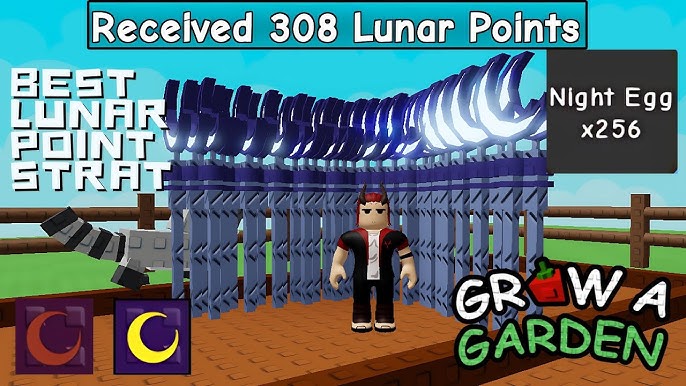
Imagine stepping into your garden and discovering plants that look like they’ve been plucked straight from the moon. Intriguing, right?
If you’re passionate about gardening and love the thrill of nurturing unique species, you’re in for a treat. You can actually cultivate these extraordinary lunar plants right in your own backyard. But how do you get started? How do you ensure they thrive under your care?
We’ll reveal the secrets to growing a garden filled with lunar plants. You’ll learn the tips and tricks to transform your garden into a celestial oasis. Keep reading, because these lunar wonders are not just about aesthetics—they might just change the way you think about gardening forever.
Lunar Plants Overview
Lunar plants bring a touch of magic to your garden. They thrive in moonlit environments and offer unique benefits. These plants have special attributes that make them stand out.
Understanding lunar plants can enhance your gardening experience. Let’s dive into what makes them special.
Characteristics Of Lunar Plants
- Glow softly under moonlight
- Require less sunlight
- Unique foliage patterns
Benefits Of Growing Lunar Plants
- Attracts nocturnal pollinators
- Enhances garden aesthetics at night
- Low maintenance
Common Types Of Lunar Plants
- Moonflower
- Evening Primrose
- Night-Blooming Jasmine
Tips For Maintaining Lunar Plants
- Provide proper drainage
- Water during evening hours
- Use moonlight simulators if needed
Requirements For Lunar Plants
Growing lunar plants in “Grow a Garden” requires a special approach. They thrive in unique conditions. Understanding their needs is essential for success. Let’s explore the essentials for these celestial beauties.
Soil And Environment
Lunar plants need specific soil types. A well-draining mix is best. Consider using sandy or loamy soil. Ensure the environment mimics a lunar habitat. This means low light and cooler temperatures. Avoid placing them in direct sunlight.
Choose a quiet corner away from heat sources. This helps maintain their ideal conditions. Lunar plants also prefer a humid atmosphere. Use a humidifier if needed to keep the air moist.
Water And Nutrient Needs
Water lunar plants sparingly. Overwatering can harm them. Allow the soil to dry between watering sessions. Use filtered or rainwater for best results.
For nutrients, lunar plants require specific minerals. Choose fertilizers rich in phosphorus and potassium. Avoid high nitrogen content. Apply a diluted solution once a month. This keeps the plants healthy and thriving.
Choosing The Right Lunar Plants
Choosing the right lunar plants in Grow a Garden can enhance your virtual garden’s beauty. Research which plants thrive best under lunar conditions and suit your style. Experiment with different varieties to find the perfect balance for your garden.
Choosing the Right Lunar Plants Embarking on the quest to grow lunar plants in your garden can be an exciting adventure. These unique species have fascinating attributes that can thrive under specific conditions, akin to the lunar environment. Selecting the right lunar plants is crucial for creating a garden that’s not only visually captivating but also sustainable. Are you ready to discover which lunar plants will transform your garden into an otherworldly oasis?Varieties Of Lunar Plants
Lunar plants are diverse, with each variety offering unique traits and benefits. Some popular options include Moonflower, known for its fragrant blooms that open at night, and Silver Sagebrush, with its silvery foliage that mimics moonlight. Additionally, Lunar Lilies are revered for their ethereal beauty, while Stardust Succulents shine with their celestial appearance. You can choose a mix of flowering and foliage plants to create an enchanting display. What combination will best suit your garden’s theme?Best Picks For Beginners
If you’re new to lunar gardening, starting with plants that are easy to care for is wise. Moonflower is an excellent choice for beginners because of its resilience and low maintenance needs. Another great option is the Stardust Succulent, which requires minimal watering and thrives in various conditions. These plants are forgiving, allowing you to learn and grow with them as you develop your gardening skills. Which lunar plant will be your first to master?
Credit: www.tiktok.com
Planting Lunar Seeds
Planting Lunar Seeds is an exciting venture for any gardening enthusiast looking to expand their botanical horizons. These mysterious seeds promise a unique twist to your garden, offering a celestial charm and unusual growth patterns. But how do you ensure your lunar plants thrive amidst earthly conditions? The key lies in understanding the right techniques for planting these extraordinary seeds.
Preparing The Soil
Start by selecting soil with good drainage. This is crucial as lunar seeds require a balance of moisture without becoming waterlogged. Consider mixing sand or perlite with your garden soil to enhance drainage.
Next, enrich the soil with organic matter. Compost or well-rotted manure provides essential nutrients, promoting healthy growth. It’s a simple step that can significantly impact the vigor of your lunar plants.
Adjust the pH level of the soil. Use a pH meter to ensure the soil is slightly acidic, ideally between 6.0 and 7.0. If adjustments are necessary, add lime to increase pH or sulfur to decrease it.
Sowing Techniques
Begin by spacing the seeds evenly. Lunar seeds often require more room to spread their roots compared to regular seeds. A good rule is to plant them twice as deep as their diameter.
Consider using seed trays for initial planting. This allows you to control the environment and monitor their growth closely. Once they sprout, transfer them to the garden for further development.
Maintain consistent moisture levels. Water gently, ensuring the soil remains damp but not soaked. This is crucial in the early stages to prevent seed drying or rotting.
By carefully preparing the soil and employing effective sowing techniques, you can nurture your lunar seeds into flourishing plants that add a magical touch to your garden. Ready to see your lunar garden come to life?
Care And Maintenance
Growing lunar plants requires proper care and maintenance. Ensure adequate sunlight and regular watering for healthy growth. Monitor soil quality and use nutrient-rich fertilizers to support plant development.
Caring for and maintaining your lunar plants in Grow a Garden is a rewarding experience that requires attention to detail and a bit of nurturing. These celestial beauties demand specific care routines, making them a delightful challenge for garden enthusiasts. By understanding their unique needs, you can ensure your lunar plants thrive and add an otherworldly touch to your garden.Watering Schedule
Lunar plants have a distinct watering schedule that mimics their namesake’s cycles. Regularly check the soil moisture to prevent both overwatering and underwatering. Consider using a moisture meter to achieve the perfect balance, ensuring your plants don’t sit in waterlogged soil. A personal tip: water them during the waxing moon phase to promote growth. This might sound quirky, but it’s all about finding that rhythm your plants respond to.Fertilization Practices
Fertilizing lunar plants is all about timing and the right mix. Opt for a balanced, slow-release fertilizer to provide steady nutrients without overwhelming the roots. Apply it sparingly, as these plants are sensitive to nutrient overload. Remember, too much fertilizer can be more harmful than too little. Monitor your plants and adjust the frequency based on their growth patterns.Pest And Disease Control
Keeping pests and diseases at bay is crucial for maintaining lunar plant health. Regularly inspect leaves and stems for any signs of trouble, such as discoloration or unusual spots. Natural remedies like neem oil or insecticidal soap can be effective and safe choices. Is your garden a haven for beneficial insects like ladybugs? They can be your allies in controlling harmful pests. Embrace these natural predators and let them do the hard work for you. By staying attentive and proactive, you can enjoy the beauty of your lunar plants without the worry of common garden troubles.Harvesting Lunar Plants
Harvesting lunar plants in “Grow a Garden” is a rewarding experience. These rare plants bring a unique charm to your virtual garden. Knowing when and how to harvest them is key. Let’s dive into the process and ensure you make the most of your lunar plants.
Signs Of Maturity
Lunar plants show clear signs of maturity. Look for vibrant colors and blooming flowers. Their growth rate slows down, indicating readiness for harvest. Leaves may appear fuller and richer in texture. These signals help determine the perfect harvest time.
Harvesting Methods
Use gentle hands to harvest lunar plants. Avoid damaging the delicate stems. Use small gardening shears for precise cuts. This ensures plant health and future growth. Collect blooms and leaves separately in a basket. This keeps them fresh and organized.
Troubleshooting Common Issues
Growing lunar plants in Grow a Garden can be tricky. Ensure your virtual garden has the right soil type and enough sunlight. Regularly check for updates and game guides to optimize plant growth.
Troubleshooting common issues in growing lunar plants can be quite challenging. You might face unexpected obstacles that hinder your plant’s growth. Understanding these issues is key to maintaining a thriving garden. Here, we address some frequent problems and their solutions.Growth Problems
Lunar plants sometimes show stunted growth. This might be due to nutrient deficiencies. Check your soil for essential nutrients. Ensure your plants receive adequate water. Overwatering or underwatering can harm growth. Balance is crucial. Pests can also cause growth issues. Inspect your plants regularly for signs of infestation. Remove pests manually or use safe repellents. Healthy plants are less susceptible to pest attacks.Environmental Challenges
Temperature fluctuations affect lunar plants. Extreme cold or heat can stunt growth. Maintain a stable environment for your garden. Use heaters or fans to control temperature. Light is another critical factor. Lunar plants need sufficient light to thrive. Ensure they receive the right amount of sunlight. Artificial lights can supplement natural light if needed. Humidity levels can impact plant health. Too much or too little moisture can be harmful. Use a humidifier or dehumidifier to maintain ideal conditions. Regular monitoring helps keep the environment stable.
Credit: www.tiktok.com
Tips From Experts
Experts suggest selecting the right soil and providing proper light for lunar plants to thrive. Regular watering and monitoring growth conditions can enhance plant health in your garden.
In the quest to cultivate lunar plants in “Grow a Garden,” expert advice can be a game changer. Whether you’re a seasoned gardener or a curious beginner, understanding the nuances of nurturing these out-of-this-world plants can dramatically enhance your gardening experience. Let’s dive into some expert tips that will help you maximize the growth of your lunar plants and introduce innovative techniques that could make all the difference.Maximizing Growth
The secret to maximizing growth lies in understanding the unique needs of lunar plants. Start by ensuring they receive the right amount of lunar light, which is different from the sunlight your regular plants need. Experiment with light exposure times and observe how your plants respond. Watering is another critical factor. Lunar plants often require a specific hydration schedule. Use a moisture meter to keep track of soil dampness and adjust watering accordingly. Have you noticed any changes in their growth patterns with different watering techniques? Fertilizers can be a game changer for lunar plants. Opt for nutrient-rich fertilizers specifically designed for these alien flora. Regularly check the pH levels of your soil to ensure optimal nutrient absorption.Innovative Techniques
Thinking outside the box can yield impressive results. Consider experimenting with hydroponic systems. This soil-free technique can provide a consistent supply of nutrients and oxygen, which lunar plants love. Companion planting is another innovative technique. Pairing lunar plants with certain earth plants can lead to symbiotic relationships that enhance growth. Have you tried planting them alongside herbs like basil or mint? Creating a controlled environment can also be beneficial. Use a terrarium or a mini greenhouse to maintain the ideal temperature and humidity levels. How do different environments affect your plants’ growth rate and health? By adopting these expert tips and techniques, you can transform your lunar gardening venture into a thriving, celestial oasis. Remember, every plant is unique; observe, adapt, and enjoy the process of nurturing your very own lunar garden.
Credit: www.youtube.com
Frequently Asked Questions
How To Find Lunar Plants In The Game?
To find lunar plants in “Grow a Garden,” explore the moon-themed levels. These levels often contain hidden lunar plants. Search thoroughly and interact with the environment. Completing specific tasks or challenges may also reveal these unique plants. Keep an eye out for special events or updates that introduce new lunar plants.
What Are Lunar Plants Benefits?
Lunar plants in the game offer unique benefits like increased growth speed or special abilities. They can enhance your garden’s aesthetic and functionality. Some lunar plants may provide additional resources or unlock new features. Experiment with different combinations to maximize their potential and improve your garden’s overall performance.
How To Unlock Lunar Garden Levels?
Unlock lunar garden levels by progressing through the game’s main storyline. Complete missions and challenges to gain access. Certain levels may require specific achievements or resources. Stay updated with game events, as they sometimes offer opportunities to unlock these levels.
Regular gameplay and exploration are key to accessing lunar garden levels.
Can Lunar Plants Be Traded?
Yes, lunar plants can often be traded with other players. Trading allows you to exchange plants for resources or other garden items. Check the game’s trading system for availability and rules. Engaging in trades can enhance your garden’s diversity and offer new gameplay experiences.
Ensure fair exchanges to maintain a balanced garden ecosystem.
Conclusion
Growing lunar plants can be fun and rewarding. With patience, you see progress. Remember the basics: light, water, and care. Each plant needs attention and time. Stay curious and experiment with different methods. Enjoy the process and learn from any challenges.
Share your experiences with friends or online communities. They might have tips or stories to inspire you. Gardening can be relaxing. It’s a way to connect with nature and learn. Keep at it, and soon you’ll have your lunar plants thriving.
Happy gardening!







