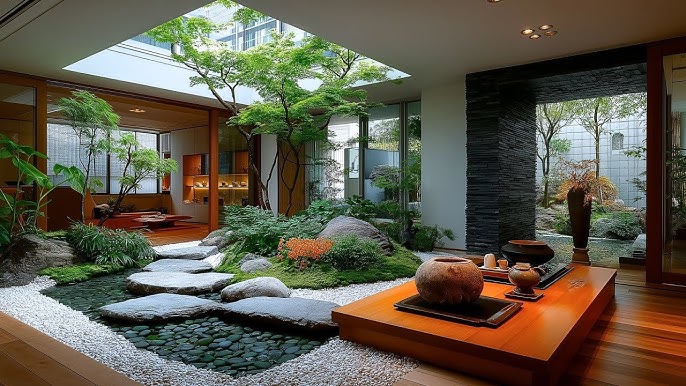
Imagine transforming a corner of your home into a lush, green sanctuary. Picture vibrant plants breathing life into your living space, boosting your mood and purifying the air.
Designing an indoor garden isn’t just about aesthetics; it’s about creating a personal oasis that nurtures your well-being. You might be wondering where to start, or how to fit this calming greenery into your busy life. This article will guide you through the steps to craft the perfect indoor garden tailored to your space and needs.
Discover how simple choices can lead to a thriving garden that captivates and rejuvenates your senses. Ready to unlock the secret to a happier, healthier home? Keep reading to learn how your indoor garden can transform your life.
Choosing The Right Plants
Selecting the right plants enhances your indoor garden design. Consider light, temperature, and space when choosing. Opt for low-maintenance options like succulents or ferns for easy care.
Choosing the right plants is crucial for an indoor garden. The best plants match your space’s conditions and your lifestyle. Picking plants wisely ensures a thriving, beautiful garden.Assessing Light Conditions
Before selecting plants, evaluate the available light in your space. Some plants thrive in bright, direct sunlight. Others prefer low, indirect light. Observe the natural light patterns in your home. Use this information to choose plants that will thrive. Consider placing plants near windows or under grow lights for optimal growth.Selecting Low-maintenance Options
Not everyone has time for high-maintenance plants. Choose low-maintenance options for an easy-care indoor garden. Snake plants and pothos require minimal attention. They are hardy and can tolerate neglect. Succulents and cacti are great for busy individuals. They need little water and care. Select plants that fit your lifestyle and schedule.Incorporating Edible Plants
Add edible plants to your indoor garden for fresh produce. Herbs like basil and mint grow well indoors. They provide fresh flavors for your meals. Consider small fruit-bearing plants like strawberries or cherry tomatoes. These plants add beauty and utility. Enjoy the satisfaction of growing and harvesting your own food.
Credit: www.facebook.com
Creating A Layout
Designing an indoor garden requires thoughtful planning and creativity. Choose containers and plants that match your space and light conditions. Arrange them to maximize aesthetics and functionality, ensuring easy access for care.
Creating an indoor garden layout can be both exciting and challenging. The key to a successful layout lies in maximizing space, utilizing vertical gardening techniques, and balancing aesthetics with functionality. Whether you’re a seasoned gardener or a beginner, designing a layout that suits your home’s unique characteristics is crucial.Maximizing Space
Space is often limited indoors, so making the most of what you have is vital. Start by identifying areas with good natural light as they are prime spots for your plants. Use furniture like shelves or tables to elevate your garden, allowing you to fit more plants into smaller areas. Consider multi-purpose furniture. A bookshelf can double as a plant stand, helping you save floor space. Utilize corners and nooks, spaces often overlooked but perfect for smaller potted plants.Vertical Gardening Techniques
Vertical gardening is a fantastic way to expand your indoor plant collection without taking up valuable floor space. Wall planters, hanging pots, and trellises can transform your walls into lush, green canvases. Invest in sturdy hooks and shelves to support your vertical garden. These structures help keep plants organized and accessible. For those with limited wall space, consider a tiered plant stand to stack plants vertically.Balancing Aesthetics And Functionality
A well-designed indoor garden should be both beautiful and practical. Think about how the garden will fit into the overall design of your room. Choose plants and containers that complement the existing decor. Functionality doesn’t mean sacrificing beauty. Select plant varieties that thrive in your indoor environment and align with your lifestyle. If you often forget to water, opt for low-maintenance plants like succulents. Balancing these elements ensures that your indoor garden is a joy to look at and easy to care for. Do you feel inspired to start your indoor garden adventure? With a thoughtful layout, you can create a green oasis that enhances both your home and well-being.Understanding Plant Needs
Understanding the light and water needs of plants is key in designing an indoor garden. Select plants that thrive in indoor conditions and arrange them to receive adequate sunlight. Regular care and monitoring ensure healthy growth and vibrant greenery.
Understanding the needs of your plants is vital for a thriving indoor garden. Each plant has its own requirements. Knowing these can make a big difference. Let’s explore the key elements to keep your plants healthy and vibrant.Watering Schedules
Watering is crucial for plant health. Overwatering can cause root rot. Underwatering may lead to wilting. Check the moisture level in the soil regularly. Some plants need water every few days. Others may require it once a week. Research each plant’s needs. This helps in setting an accurate watering schedule.Soil And Fertilizer Requirements
Soil quality impacts plant growth. Use well-draining soil for most indoor plants. Ensure the soil has the right nutrients. Some plants need specific types of soil. Fertilizer provides essential nutrients. Use it according to the plant’s growth stage. Too much fertilizer can harm the plant. Follow the instructions on the fertilizer package.Temperature And Humidity Control
Indoor plants thrive in stable environments. Most prefer temperatures between 60-75°F (15-24°C). Sudden changes can stress plants. Humidity is also important. Many indoor plants like high humidity. Use a humidifier if the air is too dry. Observe your plants’ reactions to temperature and humidity changes. Adjust conditions to suit their needs.Choosing Containers And Accessories
Selecting the right containers and accessories is key to indoor garden design. Consider size, style, and material to match plant needs and room decor.
Creating a vibrant indoor garden starts with selecting the right containers and accessories. These elements not only hold your plants but also enhance the overall aesthetic of your indoor space. Choosing the perfect combination can turn your garden into a beautiful sanctuary.Selecting The Right Pots
Choosing the right pots is crucial for your plant’s health and your home’s style. Consider materials like terracotta for its breathability or ceramic for its decorative appeal. Think about the size of the pot—ensure it’s large enough for the plant’s root system to grow. Do you prefer a minimalist look, or are you drawn to vibrant colors? Your choice of pots can reflect your personal style. Remember, the pot is the plant’s home, so let it complement your interior decor.Incorporating Decorative Elements
Adding decorative elements can transform your indoor garden into a piece of art. Consider using pebbles, moss, or decorative stones to top the soil. This not only looks great but can help with moisture retention. Think about using small statues or figurines for a whimsical touch. A small water feature could add a calming sound to your garden. The key is to enhance without overwhelming the natural beauty of your plants.Ensuring Proper Drainage
Proper drainage is vital for healthy plant growth. Without it, your plants can suffer from root rot. Make sure your pots have drainage holes at the bottom. If your favorite pot lacks drainage, consider using a layer of rocks at the bottom to aid water flow. Alternatively, you can use a plastic insert with holes and place it inside your decorative pot. How will you ensure your plants get the right amount of water without drowning? By choosing the right containers and accessories, your indoor garden can thrive and bring a piece of nature into your home. Make thoughtful choices, and watch your indoor oasis flourish.Integrating Technology
Designing an indoor garden becomes easier by integrating technology. Smart sensors monitor plant health and automate watering schedules. LED grow lights ensure plants receive optimal light for growth.
Integrating technology into indoor garden design can enhance your gardening experience. It offers convenience and efficiency. Technology can help you maintain healthy plants. It simplifies tasks like watering and lighting. Smart devices make plant care easy and enjoyable.Automated Watering Systems
Automated watering systems ensure your plants get the right amount of water. These systems can be programmed to water your plants at specific times. They help avoid overwatering or underwatering. They save time and reduce effort. Some systems adjust based on weather conditions. This keeps your plants healthy and thriving. Installation is simple and maintenance is minimal.Smart Lighting Solutions
Smart lighting solutions provide optimal light for your plants. You can control the intensity and duration of light. These systems mimic natural sunlight. They promote healthy growth and vibrant colors. You can set schedules for different plant needs. Smart lights are energy-efficient. This reduces electricity costs. They are easy to install and use.Using Plant Care Apps
Plant care apps offer guidance and tips for your garden. They help you track watering schedules and growth progress. These apps provide reminders and alerts. You can learn about plant species and their needs. Some apps connect with smart devices. This gives you control over your garden from anywhere. They are user-friendly and informative.
Credit: m.youtube.com
Sustainability Practices
Designing an indoor garden with sustainability in mind involves choosing eco-friendly materials and efficient water systems. Utilize natural light and space-saving techniques to reduce energy use and maximize plant growth. Opt for organic soil and plants suited to the indoor environment to promote a healthier, greener living space.
Sustainability Practices play a crucial role in designing an indoor garden. By integrating eco-friendly methods, you contribute to a healthier environment. Sustainable practices not only improve your garden’s longevity but also reduce your carbon footprint. Let’s explore key sustainability methods for indoor gardening.Eco-friendly Materials
Choose materials that are kind to the planet. Bamboo and reclaimed wood are great options. They are durable and add a natural touch to your garden. Consider using biodegradable pots. They reduce waste and are better for plants. Recycled containers also work well. They give new life to old items and save resources.Composting And Recycling
Composting transforms kitchen scraps into nutrient-rich soil. It reduces waste and enhances plant growth. Place a small compost bin in your garden area. This encourages recycling and provides organic matter for your plants. Recycling old garden tools and materials is beneficial. It minimizes waste and saves money.Energy-efficient Lighting
Proper lighting is essential for plant health. Use LED bulbs to conserve energy. They last longer and consume less power. Position lights to maximize natural sunlight. This reduces electricity use and benefits plant growth. Automated timers can help manage lighting schedules. They ensure plants receive adequate light without excess energy use.Maintaining Your Garden
Creating an indoor garden involves choosing the right plants for your space and lighting. Consider using planters and shelves to maximize vertical space. Regular watering and proper soil ensure healthy growth.
Maintaining your indoor garden ensures its beauty and health. Proper care helps your plants thrive. It involves regular tasks like pruning, pest control, and seasonal care. Each task plays a vital role in the garden’s success. Let’s explore these essential maintenance activities.Regular Pruning Tips
Pruning keeps your plants healthy and attractive. Trim dead or yellowing leaves often. Use clean, sharp scissors for a clean cut. This prevents disease spread. Remove crowded branches to improve air circulation. This encourages new growth and keeps plants bushy.Identifying And Treating Pests
Pests can harm your garden quickly. Check leaves and stems for signs of pests. Look for holes, sticky residue, or tiny insects. Use natural remedies to treat infestations. Neem oil or soapy water can help. Keep plants clean and dust-free to reduce pest attraction.Seasonal Care Adjustments
Plants need different care each season. In winter, reduce watering and increase light exposure. In summer, water more often and provide shade during hot afternoons. Monitor your plant’s response to seasonal changes. Adjust care routines to ensure optimal growth.
Credit: www.youtube.com
Frequently Asked Questions
How Do I Start Designing An Indoor Garden?
Begin by selecting a suitable space with ample light. Choose plants that match your home’s climate and aesthetics. Plan for proper drainage and arrange plants by their light and water needs. Incorporate decorative elements like pots and stands to enhance the garden’s look.
What Plants Are Best For Indoor Gardens?
Opt for low-maintenance plants like succulents, snake plants, and pothos. They thrive indoors with minimal care. Consider herbs like basil and mint for both beauty and utility. Ensure chosen plants suit your home’s lighting conditions and humidity levels for optimal growth.
How Can I Maintain My Indoor Garden?
Regularly water plants according to their needs, avoiding overwatering. Ensure proper light exposure, either natural or artificial. Clean leaves to prevent dust buildup and check for pests. Rotate plants occasionally for even growth. Use fertilizers sparingly to support healthy development.
What Lighting Is Ideal For Indoor Gardens?
Natural light is best, but not always available. Position plants near windows or use grow lights. LED grow lights are energy-efficient and effective. Ensure light exposure matches the plant’s requirements. Adjust light sources as needed to avoid overexposure or inadequate lighting.
Conclusion
Creating an indoor garden brings nature into your home. You can enjoy fresh herbs, flowers, or leafy greens. Start small. Choose the right plants for your space. Consider light and water needs. Use creative containers. Recycle old jars or pots.
Arrange plants for easy care and beauty. Regularly check for pests and prune when needed. Enjoy the calm and beauty your garden brings. It’s a rewarding hobby. Perfect for any home size. With patience and care, your indoor garden will thrive.
Happy gardening!







