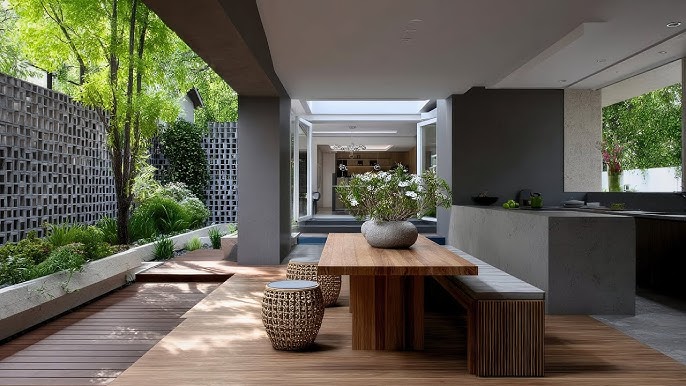
Imagine stepping into a lush, green paradise right inside your home, where the air is fresher and every corner brims with life. Creating an indoor garden room is not just about adding plants; it’s about transforming a space into a serene retreat.
As you explore this guide, you’ll discover how easy it can be to bring nature indoors, enhancing both your environment and your well-being. You may wonder why you haven’t started sooner, as each step reveals new ways to invigorate your space and soothe your senses.
Ready to unlock the secrets of an indoor garden room that you’ll love to spend time in? Let’s dive in and uncover how you can turn your vision into reality, right in the comfort of your home.

Credit: housing.com
Benefits Of An Indoor Garden Room
Transforming a space into an indoor garden room brings nature indoors, enhancing relaxation. This green haven improves air quality and offers a peaceful retreat. Create your oasis with lush plants, cozy seating, and ample light.
Creating an indoor garden room offers various benefits. It transforms your living space into a green oasis. This space not only enhances beauty but also improves well-being. Having plants indoors can positively impact your health and mood. Let’s explore the benefits of having an indoor garden room.Improved Air Quality
Indoor plants purify the air by absorbing toxins. They release oxygen, enhancing the air quality. This makes your living space healthier. Clean air helps in reducing respiratory issues. It also promotes better sleep and focus.Stress Reduction
Being surrounded by greenery has a calming effect. Plants help in reducing stress and anxiety levels. They create a peaceful environment. Spending time with plants boosts your mental health. It provides a natural way to relax and unwind.Enhanced Aesthetic Appeal
An indoor garden room adds beauty to your home. It brings nature indoors, enhancing visual appeal. Plants come in various shapes and colors. They add texture and contrast to your interior design. This makes your space vibrant and lively.Year-round Gardening
Indoor gardens let you enjoy gardening all year. Weather changes don’t affect your plants. You can grow herbs, flowers, and vegetables indoors. This ensures a steady supply of fresh produce. It also allows you to nurture your gardening hobby.Increased Humidity
Plants release moisture into the air. This increases humidity levels indoors. Adequate humidity is beneficial for your skin and respiratory health. It also helps in reducing static electricity. This creates a more comfortable living environment.Educational Opportunities
An indoor garden room offers learning opportunities. It’s a great way to teach kids about nature. They learn about plant growth and care. It encourages curiosity and responsibility in children. It also fosters a love for the environment.Cost Savings
Growing your own herbs and vegetables saves money. You reduce the need to buy them from stores. This makes your indoor garden a cost-effective solution. It also ensures you have fresh, organic produce available.
Credit: www.youtube.com
Choosing The Right Space
Creating an indoor garden room starts with choosing the right space. This decision can make or break the success of your indoor garden. You want a spot that not only fits your plants but also enhances your home. Think about where you spend most of your time and how an indoor garden can brighten that area.
Assessing Available Areas
Begin by assessing the spaces in your home. Look for unused corners, wide windowsills, or that empty room you’ve been ignoring. Even small nooks can transform into lush escapes. Consider how much space each plant will need as they grow. Remember, some plants spread wide, while others grow upwards.
Think about your daily routine. Is there a space where you relax, work, or entertain guests that could benefit from some greenery? A garden room can not only beautify but also purify the air, making your favorite spots even more inviting.
Lighting Considerations
Lighting is crucial for your indoor garden. Assess the natural light each potential space receives throughout the day. Does it get morning sun or afternoon shade? Most plants need bright, indirect light to thrive. However, some plants like succulents prefer direct sunlight.
If natural light is scarce, consider investing in grow lights. These can mimic sunlight and keep your plants healthy. Position them strategically to cover all plants evenly. Wonder how your plants will fare with artificial light? Test out a grow light for a week and observe any changes.
Finally, think about how light impacts your own experience. Will you enjoy the garden’s ambiance more with soft evening light or morning brightness? Choose a space that aligns with your lifestyle and lighting preferences.
Selecting Suitable Plants
Creating an indoor garden room is a delightful way to bring nature into your home. However, selecting suitable plants is crucial for a thriving garden. The right plants will not only enhance the aesthetics but also ensure easy maintenance. Let’s dive into the best plants for indoor gardens and low-maintenance options that will keep your garden room flourishing.
Best Plants For Indoor Gardens
Consider plants that thrive in indoor conditions. Popular choices include:
- Snake Plant:Known for its striking upright leaves and ability to purify air.
- Peace Lily:Offers lush green leaves and beautiful white blooms.
- Spider Plant:Features arching leaves and is easy to grow.
Each of these plants has unique qualities, making them perfect for indoor spaces. Imagine the elegance a peace lily adds to your living room or how a snake plant can be your green sentinel near the window. Which plant would you choose to complement your decor?
Low-maintenance Options
If you’re worried about upkeep, opt for plants that require minimal care. Some excellent choices are:
- Pothos:Thrives in various light conditions and tolerates occasional neglect.
- ZZ Plant:Endures low light and infrequent watering, ideal for busy lifestyles.
- Cacti:Needs very little water and adds a unique aesthetic.
These plants are perfect if you’re not a seasoned gardener. Consider how a ZZ plant can be a resilient companion in your office or how a pothos can trail gracefully from a high shelf. Is there a corner in your home that could use a touch of green without demanding too much attention?
Credit: www.livingetc.com
Designing Your Garden Room
Creating an indoor garden room involves choosing the right plants and arranging them to enhance natural light. Consider adding cozy seating and decorative elements for a peaceful atmosphere. Proper care and maintenance ensure a thriving green space year-round.
Creating an indoor garden room is a delightful way to bring the serenity of nature into your home. Designing this space requires thoughtful planning to ensure it is both functional and aesthetically pleasing. By considering the layout, furniture, and decor, you can transform any room into a lush, inviting retreat.Layout And Arrangement
The first step in designing your garden room is to decide on the layout. Consider how you want to use the space—will it be a quiet reading nook or a lively social area? Think about the flow of movement and how people will navigate through the room. Utilize vertical space for plants by adding shelves or hanging pots. This not only maximizes space but also adds visual interest. Experiment with different plant arrangements to create layers of height and texture. Don’t forget to incorporate natural light. Position your plants near windows to ensure they get enough sunlight. If natural light is limited, consider adding grow lights to support plant health.Incorporating Furniture And Decor
Choose furniture that complements the natural theme of your garden room. Opt for materials like wood, wicker, or bamboo that seamlessly blend with the greenery. Consider multi-functional furniture, such as benches with storage, to make the most of your space. Decor is your chance to personalize the room. Add cushions with botanical prints or earth-toned rugs to tie the space together. Mirrors can create an illusion of more space and reflect light, making the room feel brighter. Think about the atmosphere you want to create. Would you like a soothing environment with soft lighting and calming scents? Or perhaps a lively space with vibrant colors and whimsical art? The choice is yours, and it can significantly impact how you feel in the room. As you design your garden room, remember that the ultimate goal is to create a space that brings joy and tranquility. What elements will make you feel most connected to nature?Ensuring Proper Care And Maintenance
Ensure healthy plants by checking light levels and watering regularly. Remove dead leaves and control pests promptly.
Creating an indoor garden room is a delightful project. It brings nature inside and transforms your living space. Ensuring proper care and maintenance is crucial for thriving plants. This section explores essential techniques to keep your indoor garden healthy.Watering Techniques
Proper watering is vital for plant health. Overwatering can lead to root rot. Underwatering causes plants to wilt. Find a balance by checking soil moisture. Use your finger to test the soil’s dryness. Water until the soil is evenly moist but not soggy. Consider using self-watering pots. They help maintain consistent moisture levels. Group plants with similar watering needs together. This makes caring for them easier.Fertilizing And Soil Care
Fertilizing keeps plants nourished. Use organic fertilizers for gentle feeding. Read labels for proper application amounts. Fertilize every few weeks during the growing season. Avoid over-fertilizing as it can harm plants. Choose quality potting soil for your indoor garden. Ensure good drainage by adding perlite or sand. Change the soil every year to maintain nutrients. Healthy soil leads to vibrant plants. Regular care ensures your indoor garden room flourishes. Follow these guidelines for a thriving green space. Your plants will reward you with beauty and freshness.Creating A Relaxing Ambiance
Transform any room into a serene indoor garden by adding lush plants and soft lighting. Arrange cozy seating to invite relaxation amidst greenery. Choose soothing colors to enhance the tranquil atmosphere.
Creating a relaxing ambiance in your indoor garden room is essential. It transforms the space into a haven of peace and tranquility. The right atmosphere can soothe your mind and uplift your spirit. Here’s how you can achieve that perfect ambiance.Lighting And Sound
Lighting plays a crucial role in setting the mood. Use soft, warm lights to create a cozy environment. Consider string lights for a gentle glow. They add charm without being overpowering. Floor lamps with dimmers offer flexibility in brightness. Natural light is also vital. Place your garden room where it receives ample sunlight. This not only benefits the plants but also creates a welcoming space. During evenings, incorporate candles for a serene atmosphere. Their flickering light can be quite calming. Sound complements the visual elements. Soft music can enhance relaxation. Choose calming tunes like nature sounds or instrumental music. A small water fountain adds a gentle, soothing background sound. Its trickling water can be very peaceful.Integrating Aromatherapy
Scents have a powerful effect on mood and ambiance. Introduce aromatherapy to your garden room. Essential oils like lavender and chamomile promote relaxation. Use a diffuser to disperse these scents evenly. Consider scented candles as an alternative. They provide both light and aroma. Be mindful of strong scents. They can overwhelm instead of relax. Opt for subtle, natural fragrances. Plants themselves can contribute to aromatherapy. Grow aromatic herbs like mint or rosemary. They add a pleasant scent and are useful in cooking. Their fragrance enhances the garden room experience.Maximizing Space And Functionality
Transform unused corners into lush indoor garden rooms. Incorporate vertical planters and smart lighting to enhance plant growth. Select low-maintenance plants to ensure a thriving, serene space.
Maximizing space in an indoor garden room enhances its functionality. Smart design choices make a big difference. You can create a lush environment without overcrowding. Using vertical and multipurpose solutions helps. These methods allow for more plants in limited areas.Vertical Gardening Solutions
Vertical gardening uses walls to grow plants. It saves floor space. Shelves and hanging pots can hold many plants. Wall-mounted planters are stylish and practical. Choose lightweight materials for easy installation. Arrange plants in layers for a green effect. Use plants that thrive with less soil. This keeps the structure light.Multipurpose Use
An indoor garden room can serve various purposes. It can be a relaxation area and workspace. Add a small table and chair. Use foldable furniture to save space. Install shelves for books or garden tools. A room divider can separate areas. This creates zones for different activities. Use storage solutions like baskets and bins. They keep the room tidy and organized.Troubleshooting Common Issues
Creating an indoor garden room often leads to common issues. Soil quality and lighting are key concerns. Ensure proper drainage to prevent overwatering problems.
Creating an indoor garden room is a rewarding project. But it often comes with challenges. From pests to plant diseases, many issues can arise. Knowing how to address these problems is key. This section provides practical solutions to common indoor gardening issues.Pest Control
Pests can invade your indoor garden easily. Keep your plants healthy to deter pests. Check leaves and stems regularly for signs of bugs. Use natural remedies like neem oil for mild infestations. It is safe and effective. Sticky traps can also help catch flying insects. Ensure good air circulation to prevent pest buildup. Quarantine new plants before adding them to your garden room.Dealing With Plant Diseases
Plant diseases can spread quickly indoors. Always water plants at their base. Wet leaves can lead to fungal infections. Remove any diseased leaves immediately. Use fungicides for stubborn infections. Ensure your garden room has proper humidity levels. Too much moisture encourages disease. Rotate your plants occasionally. This helps prevent disease buildup. Choose disease-resistant plant varieties for easier maintenance.Inspiration From Successful Garden Rooms
Discover the charm of garden rooms by incorporating natural elements indoors. Use vibrant plants and cozy seating to design a serene space. Natural light and earthy tones can create a calming atmosphere for relaxation and inspiration.
Creating an indoor garden room can transform your space into a lush oasis. Successful garden rooms blend nature with comfort, creating a sanctuary at home. Many people find inspiration from existing garden rooms, where design meets nature beautifully. These examples showcase creativity and functionality.Creative Design Ideas
Explore a variety of design ideas that can invigorate your garden room. Use natural materials like wood and stone for a rustic feel. Incorporate glass walls to allow sunlight to flood the space. Add hanging plants to create a green canopy. Consider a water feature for a tranquil ambiance. Use bold colors for furniture to contrast with greenery. Install shelves to showcase small plants and decorative items. Lighting plays a crucial role; opt for soft, warm lights.Case Studies
Several garden rooms stand out due to their unique designs. One homeowner transformed a small attic into a vibrant garden room. They used vertical gardening techniques to maximize space. Another case involved converting a garage into a tropical paradise. Large windows brought in natural light, enhancing plant growth. A third example is a cozy garden room in a suburban home. It features a mix of indoor and outdoor plants, creating a seamless blend. These case studies highlight the potential in diverse spaces. Each one offers valuable insights into effective design strategies.Frequently Asked Questions
What Is An Indoor Garden Room?
An indoor garden room is a dedicated space within your home where you can grow plants. It typically features ample natural light and climate control to support plant growth. This space can be used for relaxation, decoration, or even growing edible plants like herbs and vegetables.
How Do I Start An Indoor Garden Room?
Start by selecting a suitable room with good natural light. Choose plants that thrive indoors and consider their light and water needs. Invest in quality soil and pots, and use tools like grow lights and humidifiers. Regularly monitor and maintain your plants for a thriving indoor garden.
What Plants Are Best For Indoor Garden Rooms?
Choose low-maintenance plants like pothos, snake plants, and peace lilies. These thrive indoors and require minimal care. Herbs like basil and mint are great for those interested in edible plants. Consider the light and humidity of your room to select the best plants for your indoor garden.
How Can I Maximize Light In An Indoor Garden?
Maximize light by placing plants near windows that receive ample sunlight. Use reflective surfaces like mirrors to bounce light onto plants. Consider using LED grow lights to supplement natural light, especially in rooms with limited sunlight. Rotate plants regularly to ensure even light distribution.
Conclusion
Creating an indoor garden room can be simple and rewarding. It brings nature inside, offering peace and beauty. Choose the right plants for your space and light. Use creative containers and arrange them thoughtfully. Regular care ensures healthy growth. Embrace the joy of gardening indoors.
Watch your plants thrive and your room transform. A little green can make a big difference. Enjoy your personal oasis. Discover the calming effects of nature at home. Your indoor garden room awaits. A space to relax, reflect, and reconnect with nature.
It’s more than decoration; it’s a lifestyle.







