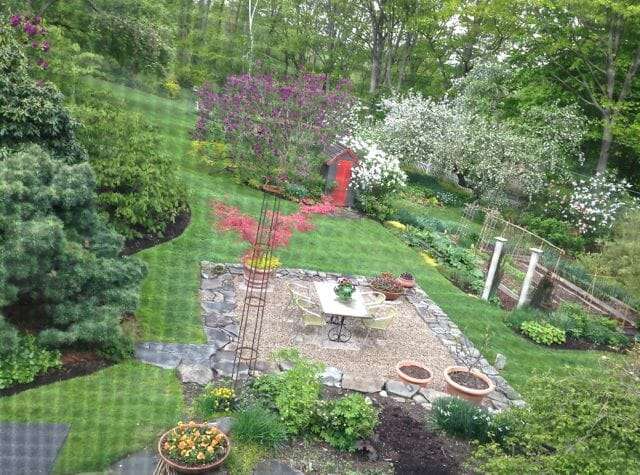
Imagine stepping into your garden and feeling an instant wave of calm and joy. Your outdoor space can be transformed into a sanctuary that reflects your personality and style.
But where do you start? Designing your garden can feel overwhelming with so many choices to make. You might wonder about the best plants, the ideal layout, or how to create a cozy spot for relaxation. You want a garden that not only looks beautiful but also feels right for you.
You’ll discover simple tips and ideas to design a garden that’s perfect for your needs. Get ready to uncover the secrets to creating an outdoor space that you’ll love spending time in. Let’s dive into the art of garden design and unlock the potential of your backyard oasis!
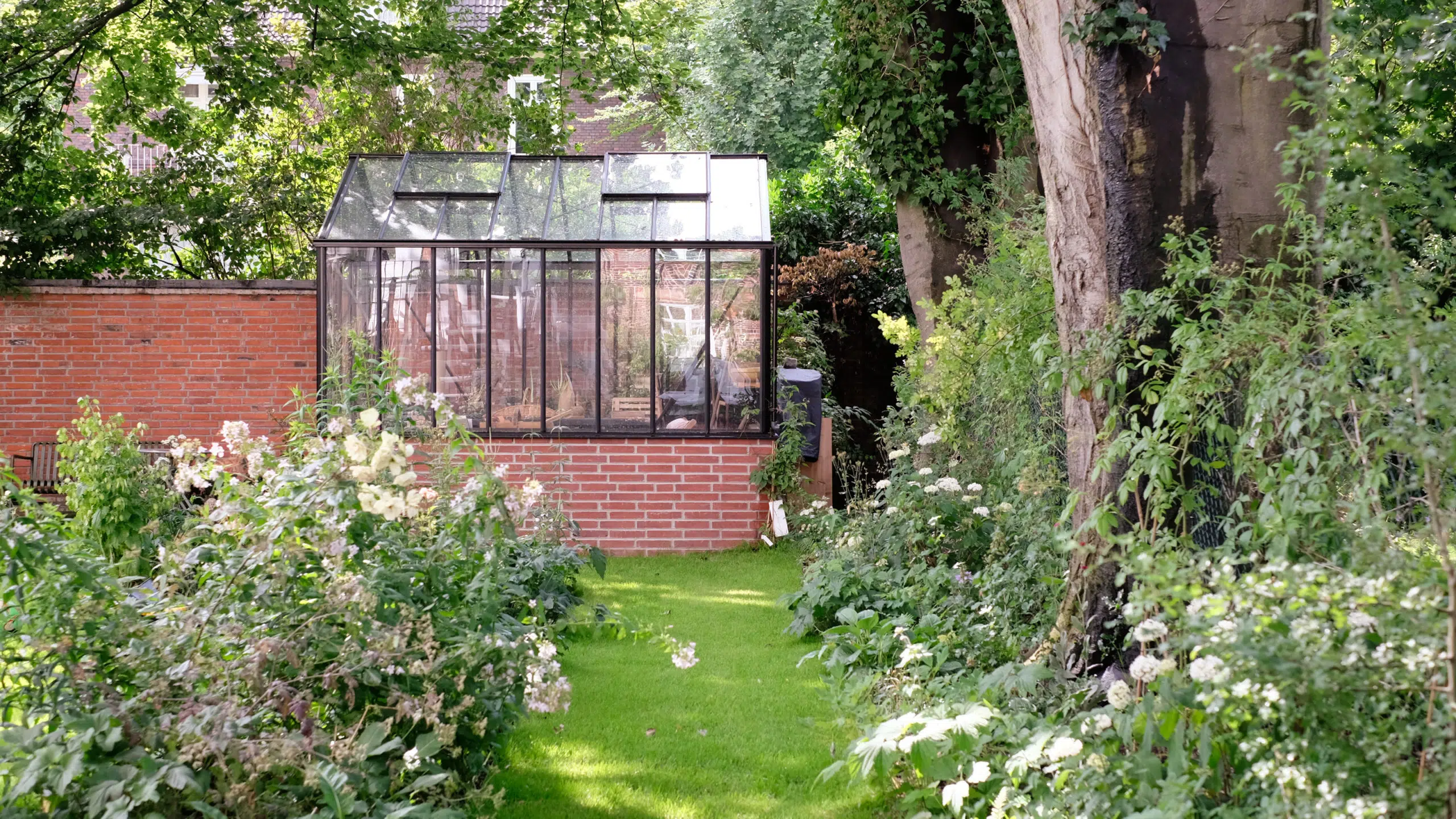
Credit: joradahl.de
Choosing The Right Plants
Selecting plants wisely transforms your garden into a relaxing space. Consider climate, soil, and sunlight needs. Choose diverse colors and textures for a vibrant, appealing design.
Designing a garden can be an exciting journey, but choosing the right plants is crucial for creating a thriving and beautiful space. The right plant selection can transform your garden into a vibrant oasis that suits your personal style and local environment. To ensure success, consider factors such as climate, maintenance preferences, and aesthetic goals.Native Plant Selection
Native plants are a fantastic choice for any garden. They are adapted to the local environment, which means they require less water, fertilizers, and pesticides. Plus, they provide essential habitat for local wildlife like birds and pollinators. Consider how native plants fit into your garden’s overall design. Do you want a wild, natural look or a more structured appearance? You might be surprised at the variety of native species available that can cater to different styles.Seasonal Planting Tips
Planning for all four seasons can keep your garden looking lively year-round. Choose plants that bloom at different times to ensure continuous color and interest. Think about how your garden will change throughout the year. Will those spring blooms be complemented by summer foliage and autumn colors? Balance is key, and planting with the seasons in mind can create a dynamic landscape.Low-maintenance Options
If you prefer a garden that’s easy to care for, low-maintenance plants are your best friends. Succulents, ornamental grasses, and hardy perennials can thrive with minimal attention. Ask yourself how much time you’re willing to spend in the garden. Would you rather enjoy your garden from a lounge chair than spend hours weeding and pruning? A low-maintenance approach might be the perfect fit for your lifestyle. Ultimately, your garden should reflect your personal taste while harmonizing with the local environment. What plants will make you smile every time you step outside? Choose wisely, and your garden will reward you with beauty and tranquility.Creating A Garden Layout
Designing a garden involves choosing the right plants and arranging them harmoniously. Consider sunlight, soil type, and space. Plan pathways for easy access and aesthetic appeal.
Creating a garden layout requires careful planning and creativity. A well-designed garden offers beauty, tranquility, and functionality. It reflects your personality and enhances your outdoor space. Consider how each element fits into your vision.Zoning Your Garden
Divide your garden into different zones. Each zone serves a unique purpose. Create spaces for relaxation, planting, and entertaining. Use shrubs or fences to separate areas. This enhances privacy and organization. Zoning also helps manage plant care and maintenance.Pathways And Walkways
Design pathways to guide visitors through your garden. Paths should be practical and aesthetic. Use materials like stone, gravel, or brick. Curved paths add interest and flow. Ensure pathways are wide enough for comfort. Add lighting for evening strolls.Incorporating Water Features
Water features bring peace and beauty to gardens. Consider fountains, ponds, or waterfalls. Choose a feature that fits your space and budget. Water attracts wildlife and enhances the atmosphere. Position features for visibility and harmony. Keep safety in mind for children and pets.Optimizing Garden Space
Designing a garden is an exciting venture, but making the most of your space can be challenging. Whether you’re working with a sprawling backyard or a tiny balcony, optimizing your garden space is essential for creating a lush oasis. By utilizing vertical gardening, container solutions, and techniques for maximizing small areas, you can transform any space into a flourishing haven. Let’s dive into some ideas to make the most of every inch.
Vertical Gardening Ideas
Vertical gardening is a brilliant way to utilize the height of your garden. Imagine a wall of vibrant herbs and flowers greeting you each morning. You can easily achieve this by using trellises, wall planters, or hanging pots. Consider growing climbing plants like tomatoes or peas on a trellis or use wall-mounted planters for herbs. Not only does this save ground space, but it also adds a dynamic visual element. What vertical space can you transform today?
Container Gardening Solutions
Containers are perfect for gardeners with limited space or those who enjoy flexibility. They allow you to move plants to find the best sunlight or change your garden layout whenever you wish. Choose pots of different sizes and materials to suit your plants’ needs. For instance, large pots can house deep-rooted vegetables, while smaller ones are ideal for herbs. How can containers shape your garden vision?
Maximizing Small Spaces
Small spaces need smart strategies. Think about creating layers with raised beds or tiered plant stands. Raised beds offer more soil depth and can be placed on patios or balconies. Tiered stands allow you to grow multiple plants vertically, optimizing space without compromising growth. Reflect on your garden’s unique features and how layering can enhance its beauty. How will you make every inch count?
Enhancing Aesthetics
Explore vibrant plants and strategic layouts for a beautiful garden. Use curves and colors to create inviting spaces. Add decorative elements like stones or fountains for visual interest.
Enhancing the aesthetics of your garden can transform it into a beautiful sanctuary. Thoughtful design choices create a harmonious and inviting space. Explore elements that elevate your garden’s visual appeal.Color Schemes And Themes
Choosing the right color palette affects the mood of your garden. Bright colors bring energy, while soft hues offer tranquility. Select a theme that matches your personality. Cottage gardens often feature pastel colors and delicate flowers. Modern gardens may use bold colors and sleek lines. Consistency in color and theme unifies the space.Lighting For Ambiance
Garden lighting adds warmth and charm. Use solar lights along paths for eco-friendly illumination. String lights create a magical atmosphere during evening gatherings. Spotlights highlight features like sculptures or fountains. Adjust lighting intensity to suit different occasions. Proper lighting enhances safety and aesthetics.Decorative Elements
Decorative items personalize your garden. Statues, water features, and birdbaths add visual interest. Choose materials that complement your garden’s style. Wood, stone, and metal offer diverse textures. Arrange potted plants in clusters for a layered look. Wind chimes and flags introduce movement and sound. Mix various elements to enrich the garden’s character.Sustainable Gardening Practices
Designing a sustainable garden involves choosing native plants that thrive in local conditions. Incorporate water-saving techniques like rainwater harvesting and drip irrigation. Arrange plants in layers to maximize biodiversity and create habitats for wildlife.
Designing a garden that thrives while respecting the environment is an enriching endeavor. Sustainable gardening practices not only boost plant health but also conserve resources and foster biodiversity. These practices allow you to create a garden that is not just beautiful but also beneficial for the planet.Water Conservation Techniques
Water is a precious resource, and conserving it should be a priority in your garden. Consider using drip irrigation systems. They deliver water directly to the plant roots, minimizing waste. Rain barrels are another excellent option. They collect rainwater from your roof, giving you a free and sustainable water source. Mulching is a simple yet effective technique. It helps retain soil moisture and reduces the need for frequent watering.Organic Gardening Methods
Organic gardening is all about working with nature rather than against it. Avoid chemical pesticides and fertilizers. Instead, opt for natural alternatives like neem oil or compost tea. Planting companion plants can deter pests and boost growth. For example, marigolds can ward off nematodes. Crop rotation is another powerful method. It prevents soil depletion and keeps your plants healthy.Composting Basics
Composting transforms kitchen scraps and garden waste into nutrient-rich soil. Start a compost pile or bin in a shaded spot in your garden. Add a mix of green materials (like fruit peels) and brown materials (like dried leaves). Turn your compost regularly to speed up the decomposition process. You’ll be amazed at how your waste turns into dark, crumbly compost. This natural fertilizer improves soil structure and provides essential nutrients for your plants. By adopting these sustainable gardening practices, you contribute to a healthier ecosystem while enjoying a thriving garden. What changes can you make today to embrace sustainability in your garden?Garden Maintenance Essentials
Designing a garden involves choosing plants that suit your climate and soil. Create paths for easy access and maintenance. Add elements like benches or fountains for aesthetics and relaxation.
Garden maintenance is crucial for a vibrant and healthy outdoor space. Regular care ensures plants thrive and enhances the garden’s beauty. Understanding maintenance essentials can simplify tasks and improve garden health. Let’s explore key aspects of garden care.Pruning And Trimming
Pruning keeps plants healthy and encourages growth. Trim dead branches to prevent disease. Use sharp tools for clean cuts. Regular trimming shapes plants and controls size. This enhances appearance and prevents overcrowding.Pest And Disease Management
Pests can harm plants, affecting growth. Monitor plants for signs of pests. Use organic solutions to control infestations. Check leaves for unusual spots or discoloration. Early detection helps manage diseases effectively.Seasonal Care Routines
Gardens require different care each season. In spring, prepare soil and plant new seeds. Summer requires regular watering to keep plants hydrated. Autumn is ideal for cleaning and preparing for winter. Adjust routines to suit seasonal changes.Incorporating Wildlife
Designing a garden with wildlife in mind creates a vibrant ecosystem. Include native plants to attract pollinators like bees and butterflies. Add bird feeders and water features to support local wildlife, enhancing natural beauty and biodiversity.
Designing a garden that welcomes wildlife is a delightful way to enhance the biodiversity in your backyard. By attracting a variety of creatures, you not only contribute to environmental health but also bring a dynamic beauty to your garden. Here’s how you can make your garden a haven for wildlife.Attracting Beneficial Insects
To bring beneficial insects to your garden, consider planting a range of flowering plants. Insects like bees and butterflies thrive on nectar and pollen, so include flowers like lavender, sunflowers, and daisies. A diverse plant selection can ensure a steady supply of these resources throughout the growing season. Think about creating a small water feature, like a shallow birdbath, to provide hydration for these tiny guests. This simple addition can encourage a wider variety of insects to visit. Also, avoid using pesticides that can harm beneficial insects, opting instead for organic gardening practices.Bird-friendly Features
Birds add both color and song to your garden. To attract them, add feeders with seeds, nuts, or suet. Consider native plants that produce berries and seeds, as they provide natural food sources. Birdhouses and nesting boxes can offer shelter and a safe place for birds to raise their young. Place them in quiet spots, away from predators. Think about installing a birdbath or a small pond with gentle slopes to cater to various bird species.Creating Habitats
Your garden can become a sanctuary for a range of wildlife by creating diverse habitats. Leave a corner of your garden a bit wild with native grasses and wildflowers. This can provide shelter and breeding grounds for small mammals and insects. Rock piles or log stacks can be inviting to amphibians and reptiles. They offer cool, damp hiding spots. Use these natural structures to create microhabitats that cater to different species’ needs. Engage with your garden on a deeper level by observing how wildlife interacts with it. Notice the new life it brings and the balance it creates. How can you expand these efforts in your own space?
Credit: www.youtube.com
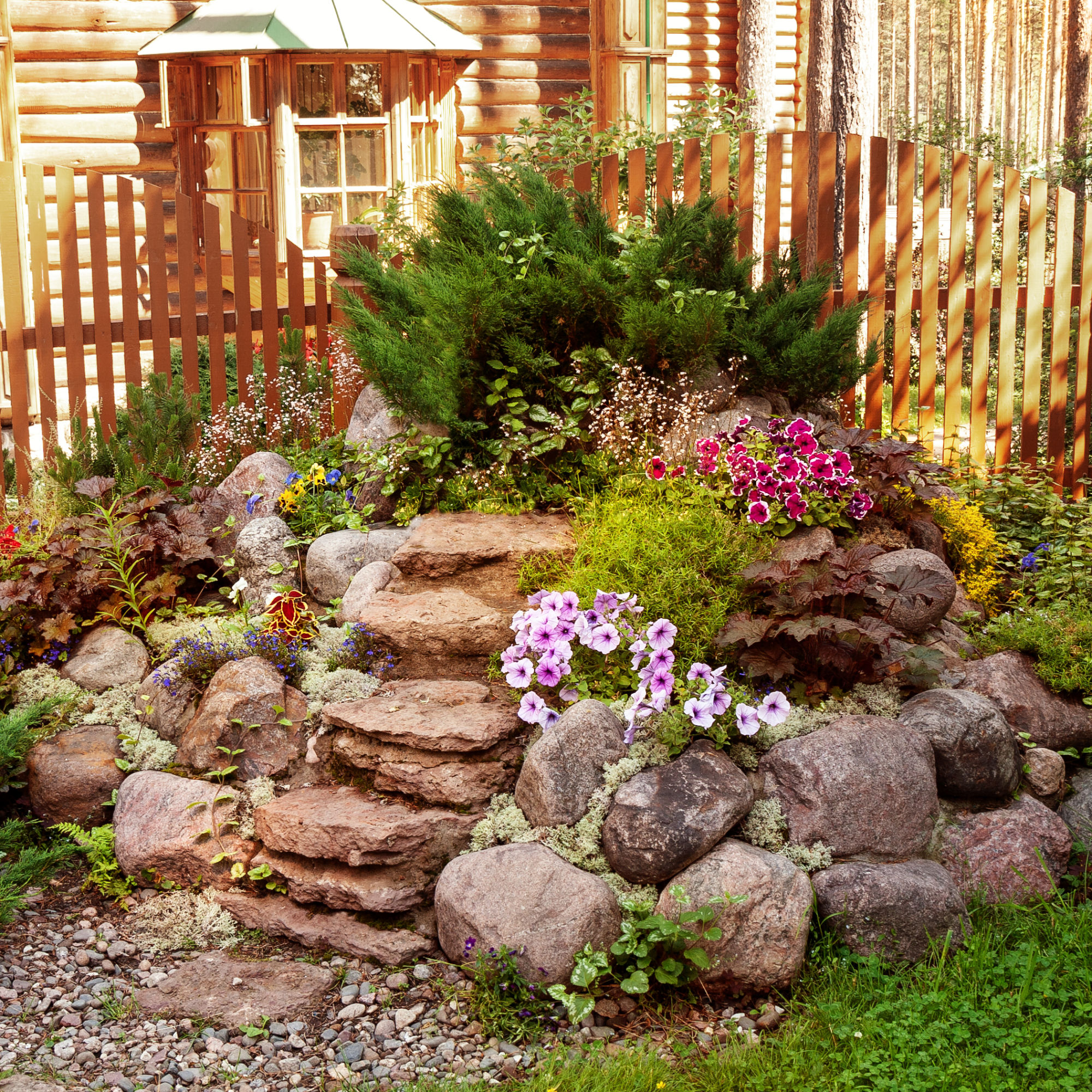
Credit: www.gardeningknowhow.com
Frequently Asked Questions
What Are The Basics Of Garden Design?
Start by assessing your space and sunlight exposure. Choose plants that suit your climate and soil type. Incorporate paths, focal points, and seating areas for functionality. Balance color, texture, and height for visual appeal. A well-planned garden enhances beauty and usability.
How Do I Choose Garden Plants?
Select plants based on your climate, soil, and sunlight. Consider plant size, color, and maintenance needs. Mix perennials, annuals, and shrubs for year-round interest. Native plants support local wildlife and require less care. Always group plants with similar water and sunlight needs together.
What Is A Good Garden Layout?
A good layout considers function, aesthetics, and maintenance. Create zones for different activities like relaxing, planting, or entertaining. Include pathways for easy access. Use curves for a natural look, or straight lines for a formal style. Ensure there’s balance and proportion in design elements.
How Can I Incorporate Garden Features?
Incorporate features like water fountains, sculptures, or pergolas for added interest. Choose features that complement your garden’s style and scale. Ensure they don’t overwhelm the space. Features can serve as focal points or support garden activities. Use them to create harmony and enhance the garden’s ambiance.
Conclusion
Designing your garden can be a fun journey. Start with a simple plan. Choose plants that suit your climate. Think about colors and textures. Add paths for easy access. Water features can bring peace and calm. Consider the sunlight and shade areas.
Create seating spots for relaxation. Incorporate native plants for less maintenance. Use containers for flexibility and style. Regular care keeps your garden thriving. Remember, gardens grow and change. Enjoy watching your creation evolve over time. With patience and creativity, your garden becomes a peaceful retreat.
Happy gardening!







